
Finding the right lazy sofa size for your living room requires balancing your available floor space, daily seating needs, and the physical constraints of your home’s entryways. To determine the ideal size, you must first measure your room’s usable footprint, account for walking paths, and choose a configuration—ranging from compact single-seaters to expansive modular sectionals—that fits your lifestyle without overcrowding the room.
Selecting the wrong size can lead to cramped walkways, blocked natural light, or the frustration of a sofa that cannot fit through your front door. By taking precise measurements and planning for both static and dynamic clearances, you can select a lazy sofa that provides optimal comfort and complements your living space.
Measure Your Living Room and Delivery Path
Before browsing designs or comparing materials, you must establish the physical boundaries of your living room. Accurate measurements prevent layout errors and ensure that your new furniture integrates seamlessly with your existing setup.
Products mentioned in this guide



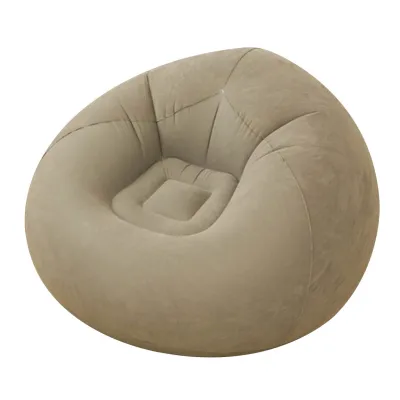


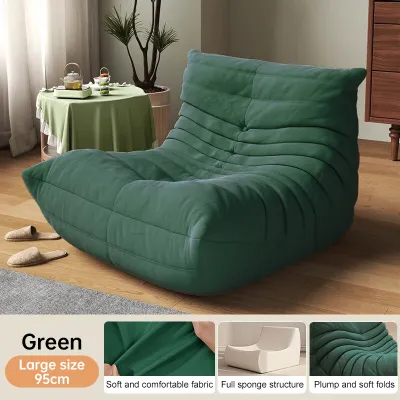
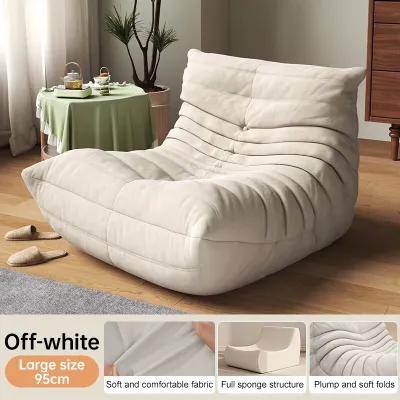
Prices are valid at publication and may change. Please refer to the product page for the latest price.
Step-by-Step Measuring Instructions
- Clear the Area: Move any temporary items out of the way to get a clear view of the floor.
- Measure the Length and Width: Use a metal tape measure to find the exact dimensions of the designated zone where the lazy sofa will sit.
- Measure the Height: Record the distance from the floor to the ceiling, especially if you are placing the sofa under low windows, wall-mounted air conditioning units, or shelving.
- Stick to One Unit: Use a single unit of measurement, such as centimeters, throughout the entire planning process to avoid conversion errors.
Mapping Out Clearance and Walking Paths Your living room needs to remain functional after the sofa is installed. Leave at least 75 to 90 centimeters of open space for major walking paths to ensure smooth foot traffic. If you plan to place a coffee table in front of your lazy sofa, maintain a distance of 30 to 45 centimeters between the edge of the seat and the table. This gap provides enough legroom while keeping drinks and books within easy reach. In tropical climates like the Philippines, keeping a small gap between the sofa and the wall is also beneficial for air circulation, which helps prevent moisture buildup and mold on both your walls and upholstery.
Crucial Delivery Access Checks A common oversight is measuring the living room but forgetting the route the sofa must take to get there. Measure the width and height of your front door, interior hallways, stairwells, and any tight corners. If you live in a multi-story condominium or apartment complex, measure the elevator door opening, cabin depth, and ceiling height. Compare these figures against the manufacturer’s packaged dimensions, as many lazy sofas are shipped in large, rigid boxes that cannot be bent or compressed to fit through narrow spaces.
Choose the Right Lazy Sofa Configuration
Your household size and daily activities dictate the best configuration for your space. While a single person in a studio apartment requires a compact footprint, a large family sharing an open-plan living room will benefit from a more expansive, multi-seat arrangement.

Single and 2-Seater Options for Compact Spaces
Compact lazy sofas are ideal for smaller apartments, study rooms, bedroom corners, or dedicated reading nooks. These smaller models provide cozy, individualized comfort without dominating the room’s visual or physical footprint.
Single-seater floor chairs, bean-bag style lazy sofas, and compact two-seaters work exceptionally well when placed diagonally in corners or angled toward a natural light source. This positioning keeps the center of the room open, making a small living area feel larger and more inviting. Because these pieces are relatively lightweight, they can be easily moved when cleaning or rearranging the space.
When choosing a single or two-seater model with reclining functions or fold-out footrests, you must account for dynamic clearance. A reclining lazy sofa requires extra space both in front and behind the unit. Check the manufacturer’s specifications to see how many centimeters of clearance the backrest needs to tilt fully without hitting the wall, and ensure the extended footrest does not block your primary walking paths.
L-Shaped and Modular Designs for Larger Rooms
For spacious living rooms or multi-generational households, larger configurations offer both ample seating and a clear structural anchor for the room’s layout.
L-shaped sectionals are excellent for defining zones in open-concept homes, such as separating the living area from the dining space. They maximize corner seating, allowing family members to stretch out comfortably. Modular lazy sofas take this flexibility a step further, consisting of individual pieces—such as corner units, armless chairs, and ottomans—that can be rearranged, added, or removed as your needs change.
To keep a large configuration from overwhelming your living room, avoid placing it directly in front of floor-to-ceiling windows or balcony doors, which can block natural light and ventilation. Keep the sofa positioned away from high-traffic doorways to maintain an intuitive flow of movement throughout the home.
Additionally, consider weight distribution and floor protection. Large, multi-piece lazy sofas can be heavy, especially when occupied. If your home has tiled, vinyl, or engineered wood flooring, use high-quality felt pads or rubberized protectors under every leg or contact point. This simple step prevents the modules from shifting apart during use and protects your floors from scratches and indentations.
Avoid These Common Sizing and Placement Mistakes
Taking the time to anticipate potential issues can save you from costly return shipping fees and delivery headaches.
- Assuming "One Size Fits All": Never rely on visual estimates from online photos. Professional staging, high ceilings, and wide-angle lenses can make a bulky lazy sofa look deceptively small in a photo. Always verify the exact written dimensions before purchasing.
- Ignoring the Packaging Dimensions: Even if the assembled sofa fits your living room perfectly, it must arrive there first. Always check the box dimensions to ensure the delivery team can navigate your building's staircases, corridors, and doorways.
- Forgetting Dynamic Movement: A reclining lazy sofa or a model with a fold-out guest bed has two sets of dimensions: static (closed) and dynamic (fully open). Measuring only the static footprint can result in a sofa that collides with your television console or coffee table when reclined.
- Overcrowding the Room: Filling every available square centimeter of your living room with seating creates a cramped, uninviting atmosphere. A room needs visual breathing space. Choose a sofa size that leaves at least one-third of the floor area open to maintain a balanced, airy aesthetic.
Pre-Purchase Checklist for Dimensions and Access
Before finalizing your purchase, run through this quick verification checklist to ensure a smooth delivery and installation process:
- Dimension Cross-Reference: Compare the sofa’s fully assembled width, depth, and height against your taped-out floor plan. Double-check that the packaged box dimensions are smaller than your narrowest door frame or elevator entry.
- Floor Compatibility: Ensure the base of the sofa is suitable for your flooring type. Look for non-slip, non-scratch feet, especially for modular pieces that may slide on polished tiles.
- Assembly and Care Requirements: Verify if the sofa arrives fully assembled, partially knocked down, or as a flat pack. Review the manufacturer’s care instructions, prioritizing removable, washable covers if you live in a high-humidity environment or have pets.
- Return and Exchange Policies: Read the retailer's terms regarding delivery failures. Confirm whether they offer exchanges or refunds if the sofa cannot physically fit into your home due to architectural obstructions.
Frequently Asked Questions (FAQ)
How much space should I leave around a lazy sofa?
As a general rule, maintain a clearance of 75 to 90 centimeters for major walking paths around your sofa. If your lazy sofa has a reclining mechanism, a fold-out footrest, or a convertible bed feature, consult the manufacturer’s manual for the exact operational clearance required behind the backrest and in front of the seat to ensure safe, unobstructed movement.
Can I use a modular lazy sofa in a small living room?
Yes, you can use a modular lazy sofa in a smaller room by selecting fewer individual modules, such as combining a single corner piece with one armless chair. This allows you to customize the shape to fit your specific layout. Always check the dimensions of each individual module to ensure they do not overwhelm your available floor space.
Community discussion
Share your experience or ask a question. Comments are reviewed before publication.