
Selecting a luxury bed frame for a compact condominium bedroom requires balancing premium comfort with physical spatial limits. In most modern high-rise developments, a Queen-size luxury bed frame represents the absolute maximum limit for a standard secondary or master bedroom, while a Double-size frame often provides a more comfortable layout. Because high-end bed frames frequently feature oversized headboards, thick upholstery, and extended platforms, their actual footprint is significantly larger than the mattress itself. To preserve both your room’s flow and your investment, you must evaluate the outer dimensions of the frame rather than relying solely on standard mattress sizing.
Assessing Your Condo Bedroom's Usable Space
Before browsing premium furniture collections, you must establish the exact physical boundaries of your bedroom. Begin by measuring the wall-to-wall distances using a reliable steel tape measure, mapping out the entire floor plan on paper or a digital app. Do not rely on the developer’s floor plan, as actual post-construction dimensions often vary by several centimeters due to plastering, drywalling, or structural columns. Note the location of fixed architectural features such as structural pillars, electrical outlets, light switches, internet ports, and wall-mounted air conditioning units.
A common oversight in compact condo design is ignoring the clearance required for daily movement. To maintain a comfortable flow, aim for a minimum of 60 centimeters of open walkway space on all accessible sides of the bed. This clearance ensures you can walk naturally without shuffling sideways, make the bed comfortably, and access nearby windows or closets. If your layout forces the bed closer to a wall, ensure there is still enough space to prevent dust accumulation and allow proper air circulation, which is vital in tropical climates.
Products mentioned in this guide
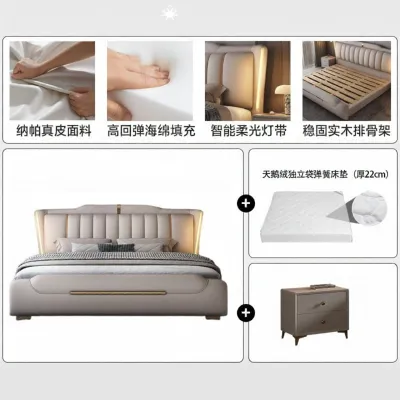


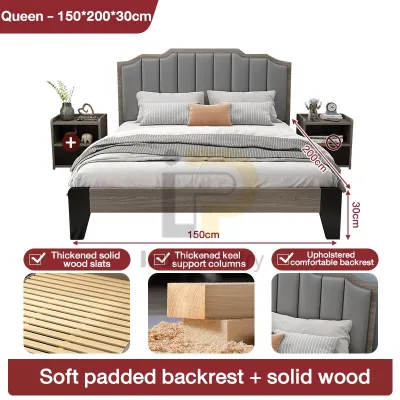
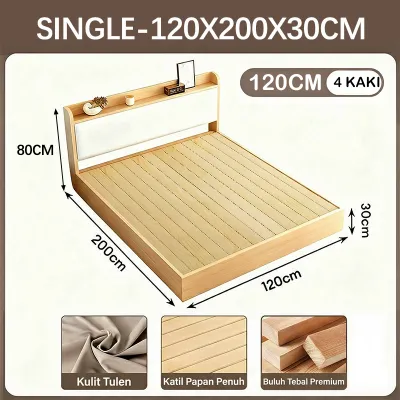
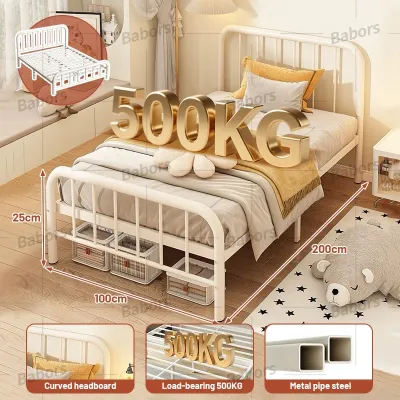
Prices are valid at publication and may change. Please refer to the product page for the latest price.
Next, map out the swing radius of every door and drawer in the room. Open your bedroom entry door, built-in wardrobe doors, and any balcony access doors completely to measure their sweep. If a luxury bed frame extends even a few centimeters into these swing paths, it can block access or cause constant collisions. For wardrobes with sliding doors, measure the clearance needed to stand in front of them while they are open.
Matching Standard and Luxury Bed Frame Dimensions
A frequent mistake when purchasing high-end furniture is assuming that a mattress size dictates the actual floor space the bed will occupy. While a standard Queen mattress measures 152 by 203 centimeters, a luxury Queen bed frame can easily extend to 170 centimeters in width and over 225 centimeters in length. This discrepancy occurs because premium designs prioritize visual impact and structural presence, incorporating deep button tufting, wingback headboards, wide upholstered side rails, or extended wooden plinths.

When evaluating different sizes, consider how the frame’s bulk interacts with your specific room layout. A Double or Full-size luxury frame (designed for a 137 by 190 centimeter mattress) often serves as the ideal compromise for studio apartments, leaving ample room for a wardrobe and a small vanity. If you opt for a Queen-size luxury frame, the added comfort of a larger sleeping surface must be weighed against the loss of floor space. A King-size luxury frame (fitting a 183 by 203 centimeter mattress) is rarely viable in a standard condo bedroom, as its outer frame dimensions will likely swallow the entire room, leaving no space for bedside tables or walking paths.
To avoid costly return fees or layout disasters, always request the manufacturer’s detailed specification sheet showing the exact outer dimensions. Pay close attention to the headboard depth and the thickness of the footboard. A plush, deeply padded headboard can add up to 20 centimeters of depth to the bed’s overall length, pushing the entire unit forward and potentially blocking the main walkway at the foot of the bed.
Navigating Condo Delivery and Assembly Constraints
The physical dimensions of your bedroom are only half of the equation; you must also ensure the luxury bed frame can actually reach your unit. High-rise living introduces strict logistical bottlenecks, starting with the building’s service elevator. Measure the elevator door height, interior cabin width, depth, and diagonal clearance. Many luxury bed frames feature solid, single-piece headboards or long side rails that cannot be disassembled, making them impossible to fit into standard passenger or freight elevators.
If the elevator is too small, the delivery team may have to carry the components up the emergency stairwells. This requires checking the stairwell ceiling heights, landing turn radiuses, and doorway clearances. Additionally, measure your unit’s main entrance door and any narrow hallway corners inside your foyer. A frame that is too long or rigid may get wedged in a tight hallway turn, resulting in damage to both your new furniture and your walls.
Weight is another critical factor when dealing with premium materials. Luxury frames constructed from solid hardwoods, heavy metals, or integrated stone accents carry substantial physical weight. Verify your building’s floor load limits if you are planning an exceptionally heavy installation. Furthermore, check your condominium association’s guidelines regarding furniture deliveries. Most properties require advance booking of the service elevator, a formal move-in permit, and a security deposit, and they may restrict noisy assembly work to specific daytime hours.
Space-Optimizing Features in Luxury Bed Designs
Choosing a luxury bed frame for a small space does not mean sacrificing functionality or aesthetic appeal. Many high-end designers create frames specifically tailored for urban living, incorporating smart storage solutions that maintain a clean, minimalist look. Look for luxury frames equipped with hydraulic lift mechanisms. These systems allow you to effortlessly lift the entire mattress platform, revealing a vast, dust-free storage compartment underneath that is perfect for storing seasonal bedding, luggage, and extra linens without requiring extra floor clearance for drawers.
If you prefer drawer storage, ensure the frame features recessed or high-quality soft-close drawers integrated into the base. However, you must verify that you have enough floor space on either side of the bed to pull these drawers out fully. For rooms where floor space is exceptionally tight, a floating or recessed-base design is an excellent alternative. By tucking the support legs inward, these frames create a hovering effect that opens up the floor visually, making the bedroom feel more spacious while improving air circulation to combat tropical humidity.
Another highly effective design feature is the integrated headboard. Some luxury bed frames feature headboards with built-in floating nightstands, recessed shelving, or integrated LED reading lights. This consolidated design eliminates the need to purchase separate bedside tables, saving valuable centimeters on either side of the bed and allowing you to maximize the width of the bed frame itself.
Common Sizing and Placement Mistakes
One of the most widespread errors is purchasing a luxury bed frame based solely on the mattress size, only to find that the finished frame blocks electrical outlets, light switches, or low-hanging windows. Always cross-reference the height of the headboard with the height of your windows and wall fixtures. A towering headboard might block natural light or prevent you from opening a window fully, which can lead to poor ventilation and moisture buildup in humid environments.
Avoid the temptation to push a luxury upholstered bed frame flush against a concrete wall. In tropical climates, concrete walls can hold moisture, and pressing a fabric or leather headboard directly against them restricts airflow, creating a breeding ground for mold and mildew. Maintain a small gap of at least two to three centimeters to allow air to circulate freely behind the headboard.
Finally, do not underestimate the visual impact of materials and colors. A massive, dark wood or heavy black velvet frame can make a small condo bedroom feel incredibly cramped and dark, even if it technically fits the physical dimensions. For smaller spaces, opt for luxury frames upholstered in light, light-reflecting fabrics like linen, bouclé, or soft neutrals, or choose slim, warm-toned wooden frames that preserve a sense of openness and light.
Community discussion
Share your experience or ask a question. Comments are reviewed before publication.