
Finding the perfect mini coffee station table for a small breakfast nook requires balancing appliance dimensions with the physical limits of your room. In most compact spaces, a table measuring 60 to 90 centimeters in width and 30 to 45 centimeters in depth offers the ideal footprint. This size accommodates a standard coffee maker, a grinder, and a few mugs without protruding into essential walking paths. By carefully matching the table’s dimensions to your nook’s layout, you can create a dedicated brewing corner that feels integrated rather than intrusive.
Setting up a coffee station in a tropical climate introduces unique spatial and environmental considerations. High humidity and warm temperatures mean that air circulation around electrical appliances is critical to prevent overheating and moisture buildup. Selecting the right table size ensures your daily brewing routine remains seamless and safe.
Measuring Your Breakfast Nook to Find the Maximum Footprint
Before browsing online marketplaces or visiting local furniture showrooms, you must establish the absolute maximum footprint your breakfast nook can accommodate. Begin by measuring the total floor area with a steel tape measure. Do not rely solely on wall-to-wall measurements; instead, measure from the face of the baseboards or wall moldings, as these architectural details can reduce your usable floor space by several centimeters. Check for uneven corners or wall protrusions that might prevent a flat-backed table from sitting flush against the wall.
Products mentioned in this guide
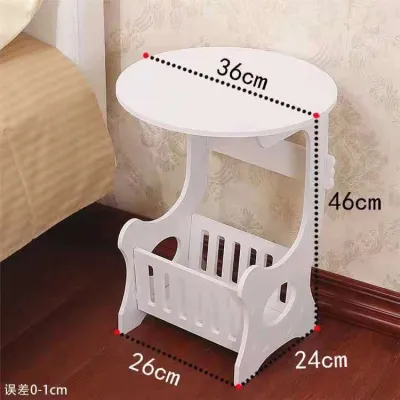
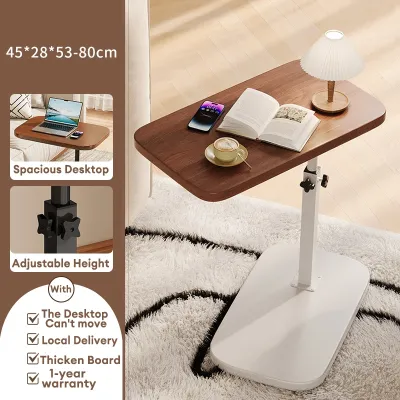
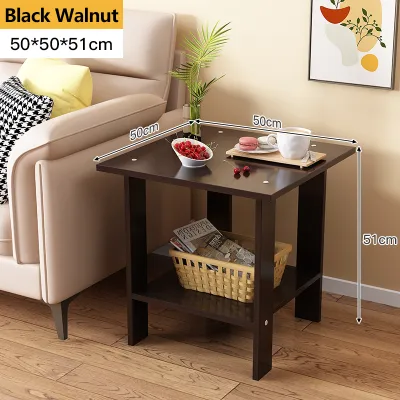
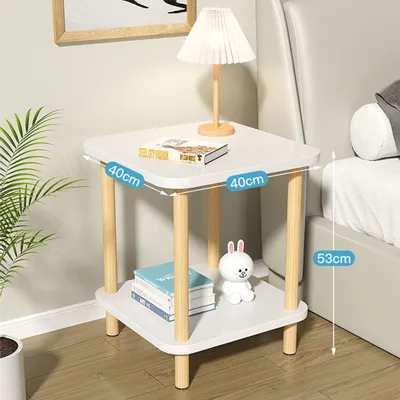
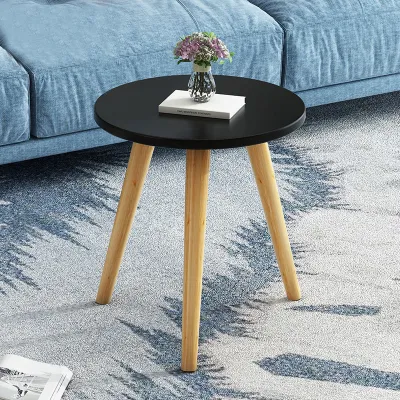
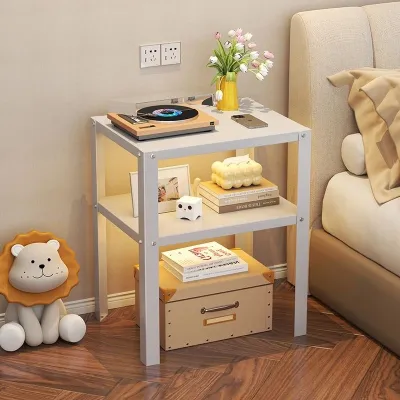
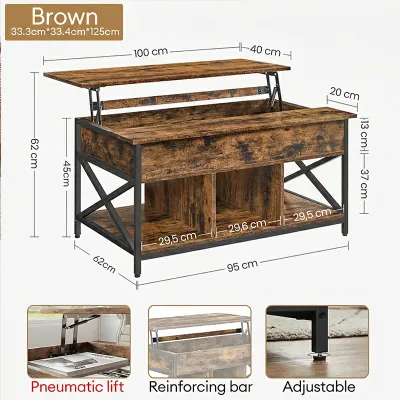
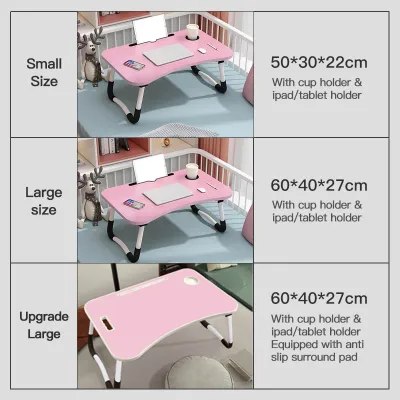
Prices are valid at publication and may change. Please refer to the product page for the latest price.
Next, map out the clearance zones required for daily movement. A functional breakfast nook requires at least 75 to 90 centimeters of clear walkway space in front of the table so family members can pass by easily. If your nook features dining chairs or a bench, measure the distance needed to pull out the seating comfortably—typically around 60 centimeters from the edge of the table. You must also account for the swing radius of nearby doors, kitchen cabinets, or refrigerator doors to ensure they can open fully without colliding with your coffee station.
Vertical constraints are equally important when determining the table’s maximum height and placement. Note the height of window sills, as a table that blocks a window can restrict natural light and complicate window operation. Locate all wall electrical outlets in the nook; your table should allow easy access to these outlets without forcing you to pull the furniture too far from the wall. Finally, look upward to identify any overhanging light fixtures or wall-mounted shelving that could interfere with tall coffee makers.
Translating Nook Measurements Into Ideal Table Dimensions
Once you have recorded your nook’s physical boundaries and clearance zones, you can translate these numbers into target table dimensions. Subtract the required walkway clearances and door swing zones from your total available floor area to find your maximum width and depth limits. For instance, if your nook is 150 centimeters wide and you need 90 centimeters for a clear walkway, your table width should not exceed 60 centimeters. Keeping within these calculated limits prevents the furniture from encroaching on the room’s natural flow.

Ergonomics should dictate the height of your mini coffee station table. Standard table height is approximately 75 centimeters, which aligns well with typical dining chairs and allows you to use the station while seated. However, if you prefer preparing your coffee while standing, a counter-height table of 90 centimeters or a bar-height table of 105 centimeters may be more comfortable. Ensure the chosen height matches adjacent countertops or seating to maintain a cohesive visual line throughout your kitchen or dining area.
Proportional balance is the final key to selecting the right table dimensions. A table that is too large will visually dominate a small nook, making the entire room feel cramped, while a table that is too small may look lost and fail to hold your brewing equipment. Aim for a table that occupies no more than one-third of the nook’s total visual area. To ensure you have enough surface area, list the dimensions of your essential equipment—such as your espresso machine, coffee grinder, and mug holder—and verify that they fit comfortably on the tabletop with at least 5 centimeters of space between each item.
Choosing the Right Table Shape for Compact Traffic Flow
The shape of your mini coffee station table significantly influences how easily people can move around your breakfast nook. Rectangular and square tables are highly efficient for wall-aligned storage because their straight edges sit flush against flat surfaces. This flush placement eliminates wasted space behind the table and provides a stable, predictable platform for heavy appliances. Rectangular tables are particularly useful in narrow nooks, as they offer ample width for multiple appliances while keeping the depth minimal to preserve walkway space.
Round or oval tables, on the other hand, excel at improving traffic flow in tight, high-traffic walkways. The absence of sharp corners reduces the risk of painful bumps as family members navigate the nook during busy mornings. Round tables also create a softer, more inviting visual aesthetic that can make a small space feel more open. However, because round tables cannot sit completely flush against a flat wall, they naturally create small pockets of unused space behind them, which you must account for when planning your layout.
For exceptionally tight or awkwardly shaped breakfast nooks, corner-specific or wedge-shaped tables offer an excellent way to utilize dead space. These designs fit snugly into 90-degree corners, turning an otherwise unused area into a functional brewing hub. While corner tables may have limited surface area compared to rectangular options, they keep the center of the nook entirely clear for movement. When choosing a corner table, verify that the rear corner of the furniture does not block access to corner-mounted electrical outlets.
Common Sizing and Placement Mistakes to Avoid
One of the most frequent mistakes when setting up a mini coffee station is ignoring the swing radius of nearby doors and appliances. A table that fits perfectly when all doors are closed can quickly become a hazard if it blocks the opening of a refrigerator, a pantry door, or an entry door. Always test the full range of motion of all nearby doors before finalizing your table’s position. If space is extremely tight, consider replacing standard swinging cabinet doors with sliding doors or open shelving to eliminate clearance issues.
Another common error is selecting a table depth that obstructs the primary walkway or blocks safe access to wall electrical outlets. A table that is too deep forces users to walk around it awkwardly, disrupting the flow of the entire kitchen or dining area. Furthermore, if the table blocks access to outlets, you may be tempted to use extension cords or daisy-chain power strips, which can create tripping hazards and electrical safety risks. Ensure your table allows you to plug in your coffee maker directly and safely into a wall outlet.
Finally, do not overlook the visual weight of bulky table legs, thick solid bases, or heavy lower cabinets. In a small breakfast nook, furniture with solid sides or thick, dark legs can make the space feel incredibly cramped and dark. Heavy bases also restrict legroom if you plan to place stools underneath the table when they are not in use. Opt instead for tables with slender metal frames, open wire legs, or wall-mounted floating designs that keep the floor area visible, creating the illusion of a larger, more airy space.
Frequently Asked Questions (FAQ)
Can I use a foldable or drop-leaf table for a coffee station?
Yes, foldable or drop-leaf tables can work well in a small breakfast nook, provided you verify their structural stability before use. When choosing a drop-leaf table, inspect the hinge and support mechanisms to ensure they can securely hold the weight of your coffee maker, grinder, and water reservoir without sagging. Heavy appliances should always be placed on the fixed, central portion of the table rather than the folding leaves to prevent tipping. Additionally, measure the nook with the leaves fully extended to ensure the expanded table does not block walkways or doors when deployed, and check the manufacturer’s specified weight limits for the extended sections.
How much space should I leave between the coffee table and the wall?
You should maintain a gap of at least 5 to 10 centimeters between your coffee station table and the wall. This clearance is essential for heat-generating appliances like espresso machines, coffee makers, and electric kettles, which require adequate ventilation to prevent heat buildup and potential damage to wall paint or wallpaper. This gap also provides necessary space to access wall outlets, plug in your devices safely, and manage power cords without pinching or bending them excessively. In humid tropical climates, keeping the table slightly away from the wall promotes air circulation, which helps prevent moisture accumulation and mold growth behind the furniture.
Community discussion
Share your experience or ask a question. Comments are reviewed before publication.