
To fit a nail table into a small bedroom or a compact condominium unit, you should look for a table with a width of 80 to 100 centimeters and a depth of 40 to 50 centimeters. This range provides enough space for essential manicure tools while keeping the physical footprint minimal. In tight living quarters, such as a 22-square-meter studio condo in Metro Manila, every centimeter of floor space must be carefully allocated to balance daily living with a functional workspace. Choosing the right size ensures you can work comfortably without turning your bedroom into a cramped, impassable obstacle course.
How to Measure Your Room for a Nail Table Setup
Before purchasing any furniture, you must distinguish between the physical footprint of the nail table and its total operational footprint. The physical footprint is simply the length and width of the table itself, whereas the operational footprint includes the space required for chairs, legroom, and movement. Failing to account for this distinction is one of the most common reasons home nail setups feel cramped and unusable.
To calculate the operational footprint, start by measuring the space behind the table. The client’s chair requires approximately 70 to 80 centimeters of clearance to allow them to sit down, pull close to the table, and rise comfortably without bumping into walls or other furniture. On the technician’s side, a minimum of 60 centimeters of clearance is necessary for stool movement, knee clearance, and ergonomic positioning.
Products mentioned in this guide
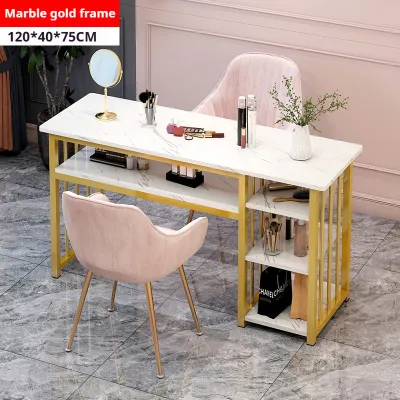
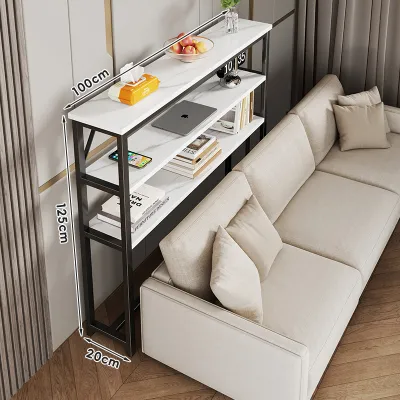
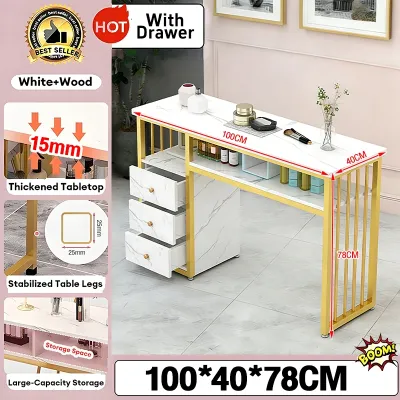
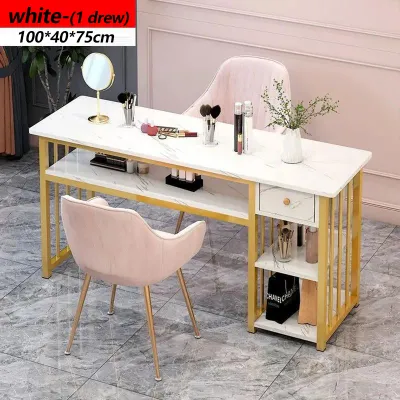
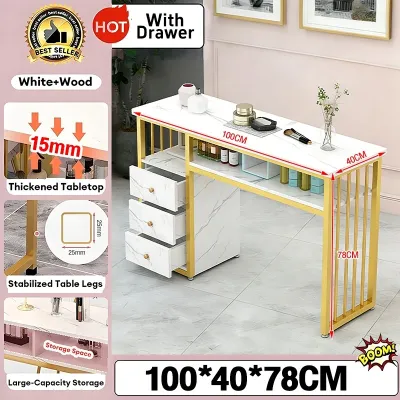
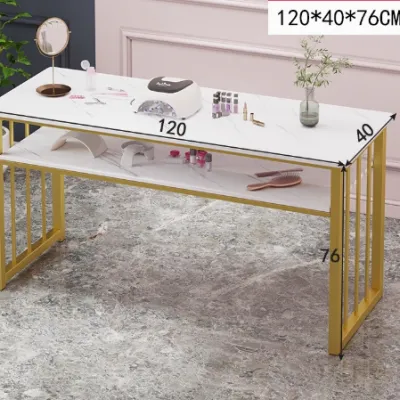
Prices are valid at publication and may change. Please refer to the product page for the latest price.
Next, evaluate the surrounding pathways and door swings. Use a tape measure to map out the swing radius of bedroom doors, wardrobe doors, and cabinet drawers. If your nail table is placed too close to a closet, you may find yourself unable to open the doors fully, forcing you to constantly shift furniture. Ensure there is a clear walking path of at least 60 to 90 centimeters to the bed, bathroom, or entryway so that daily movement remains unobstructed.
Additionally, consider elevator and doorway access, which is a frequent challenge in high-rise condominium buildings. Before finalizing your purchase, verify the finished dimensions of the table against your building’s passenger lift doors, tight corridor corners, and your unit’s main entryway. Pre-assembled furniture or tables with solid, non-detachable frames can easily get stuck during delivery, leaving you with an expensive logistics problem.
Finally, check the height of the table against your existing bedroom furniture. Most standard nail tables stand between 70 and 75 centimeters tall. This height should align with your seating to prevent wrist strain and maintain visual harmony. If the table is too high or too low relative to your chairs, it can cause chronic neck and shoulder fatigue during long manicure sessions.
Nail Table Size Categories and Their Total Footprint
Compact and Portable Tables
Compact and portable nail tables typically feature a width range of 80 to 100 centimeters and a depth of 40 to 50 centimeters. These dimensions are ideal for very tight condo units or multi-purpose bedrooms where the workspace must be packed away after use. Many of these models come with foldable legs or collapsible frames, allowing you to slide the table into a closet, behind a door, or under a bed when it is not needed.

While portability is highly convenient, you must verify the structural stability of the table before purchasing. Lightweight, folding frames can sometimes wobble during vigorous hand-filing or when an electric nail file is running at high speeds. Look for models with reinforced metal joints, sturdy locking hinges, and adjustable leveling feet to ensure a steady work surface on uneven bedroom floors.
Standard Professional Tables
Standard professional nail tables generally have a width of 100 to 120 centimeters and a depth of 50 to 60 centimeters. This size category is best suited for dedicated vanity corners in slightly larger bedrooms or semi-permanent home salon setups. The extra width provides ample space to arrange UV/LED curing lamps, dust collectors, and nail polish displays without cluttering the immediate work area.
Before choosing a standard table, verify that your room can comfortably handle its permanent footprint. A permanent setup of this size requires a dedicated zone of at least 1.2 meters by 1.8 meters once both chairs are factored in. If your bedroom also serves as your primary living or sleeping space, map out this area on the floor using masking tape to visualize how much physical space will be permanently lost.
Wall-Mounted and Fold-Down Desks
Wall-mounted and fold-down desks offer an excellent alternative for micro-condos where floor space is exceptionally scarce. These designs mount directly to the wall and fold completely flat when not in use, instantly reclaiming valuable floor space. Some models even feature built-in shallow shelving behind the folding panel, providing storage for nail polishes and small tools that remain hidden when the table is closed.
However, wall-mounted setups require careful installation and strict adherence to structural limits. High-rise condominiums in the Philippines typically feature solid concrete or masonry walls, which require a masonry drill, heavy-duty wall plugs, and robust anchoring brackets. If you are mounting the table to a drywall partition, you must locate the metal or wooden studs behind the wall and secure the mounting brackets directly into them.
Always verify the manufacturer’s specified weight capacity before installing a fold-down table. The mounting system must be strong enough to support not only the weight of the table and your nail equipment, but also the downward pressure exerted when hand-filing or when a client rests their arms on the surface. If the installation instructions conflict with your wall type, consult a qualified local professional to prevent wall damage or structural failure.
Space-Saving Designs for Tight Bedrooms and Condos
When space is limited, look for nail tables with integrated storage solutions to eliminate the need for separate rolling carts or bulky cabinets. Deep side drawers, built-in shelves, and hollow pedestal legs can store your entire collection of gels, acrylics, files, and sanitizing solutions. Keeping everything contained within the table’s physical footprint helps maintain a clean, clutter-free bedroom environment.
Tables equipped with lockable casters or wheels offer excellent flexibility for small rooms. You can easily roll the table against a wall or into a corner when you need to clean the floor, open a nearby window, or accommodate guests. Ensure the casters feature reliable, heavy-duty locking tabs that prevent the table from shifting or sliding while you are performing delicate nail art.
Multi-purpose designs are highly practical for condo residents who need their furniture to serve double duty. A nail table with a clean, minimalist design can easily function as a standard vanity desk, a writing table, or a laptop workstation during non-working hours. When selecting a multi-purpose table, pay close attention to the surface finish. Look for non-porous, chemical-resistant materials like tempered glass or high-pressure melamine laminates, and check the manufacturer’s care instructions to ensure the surface can withstand accidental acetone or alcohol spills without blistering.
Additionally, consider tables with foldable side leaves or extendable armrests. These smart designs allow you to expand the workspace only when a client is present, then fold the extensions down to minimize the table’s footprint when you are finished. This adaptability is key to maintaining a comfortable, balanced living space in a compact home.
Common Sizing and Layout Mistakes to Avoid
One of the most frequent mistakes is overlooking the technician’s knee and foot clearance. Many buyers choose nail tables with thick pedestal bases or wide, solid side panels because they offer excellent storage. However, these bulky designs restrict your legroom, forcing you to sit at an awkward angle or lean forward uncomfortably, which can lead to chronic lower back, neck, and shoulder strain.
Another common error is placing the nail table too close to air conditioning vents, windows, or curtains. In the tropical climate of the Philippines, air conditioning is essential, but direct drafts can blow fine acrylic dust around the room or cause nail polishes to dry too quickly. Conversely, placing the table next to an open window exposes your products to high humidity and direct sunlight, which can prematurely cure UV-sensitive gels and degrade the quality of your liquid monomers.
Electrical planning is also critical when setting up a nail station in a small bedroom. A typical setup requires multiple power outlets to run a UV/LED lamp, an electric file, a dust collector, and task lighting. Map out your room’s wall outlets before finalizing your layout. Avoid running long extension cords across main walking paths, as this creates a dangerous tripping hazard and can overload single circuits in older residential buildings.
Finally, avoid purchasing a nail table that is deeper than 60 centimeters. While a deep table might seem to offer more workspace, it forces the technician to stretch uncomfortably far forward to reach the client’s hands. Over the course of a single manicure session, this poor ergonomic posture can cause significant physical fatigue and long-term strain on your spine.
Frequently Asked Questions (FAQ)
Can I use a standard study desk as a nail table?
Yes, you can repurpose a standard study desk as a nail table, but there are several important trade-offs to keep in mind. Standard desks usually lack specialized features such as built-in dust extraction ports, wrist rests, and dedicated compartments for curing lamps, which means you will need to purchase these accessories separately and find space for them on the tabletop.
Before using a regular desk, verify its height to ensure it sits between 70 and 75 centimeters for comfortable ergonomics. You must also check the surface material; standard wood veneers, raw timber, or cheap laminates can quickly blister, peel, or stain when exposed to acetone, monomer, or rubbing alcohol. To protect your desk, use a chemical-resistant silicone mat or place a custom-cut piece of tempered glass over the surface.
How much clearance is needed for the technician and client chairs?
To ensure a comfortable and functional workspace, you should plan for a total working depth of at least 180 to 200 centimeters, which includes the depth of the table and the space required for both chairs. This depth allows both the technician and the client to sit comfortably without feeling pinned against the walls.
As a general rule, allocate a minimum of 60 centimeters of clear space behind the table for the technician’s stool, allowing them to slide back and stand up easily. On the client’s side, aim for 70 to 80 centimeters of clearance to accommodate larger, more comfortable chairs. To maximize floor space in narrow condo layouts, opt for armless, low-profile rolling stools that can slide completely under the nail table when the station is not in use.
Community discussion
Share your experience or ask a question. Comments are reviewed before publication.