
Finding the right size ottoman storage box for your living room requires balancing physical floor space, seating proportions, and actual storage needs. To ensure a perfect fit, the ottoman should typically measure between one-half and two-thirds of your sofa’s total length, stand within five centimeters of your seat cushion height, and leave at least 30 to 45 centimeters of clearance on all sides for comfortable legroom and foot traffic. By measuring your room’s layout, accounting for door swings, and verifying the internal storage dimensions against the items you plan to store, you can select a piece that serves as a functional footrest, coffee table, and clutter-buster without overcrowding your home.
Measure Your Living Room Space and Layout
Before browsing online marketplaces, map out the physical boundaries of your living room. Use a metal measuring tape to record the room’s length and width, then subtract the space occupied by existing furniture like your sofa, armchairs, and television console to find the true open floor space available.
Traffic flow is a critical factor that many homeowners overlook. In tropical households where living rooms double as high-traffic family areas, maintaining clear walkways is essential. Ensure there is a comfortable clearance of at least 60 to 75 centimeters between the proposed ottoman location and other major pieces of furniture or walls.
Products mentioned in this guide
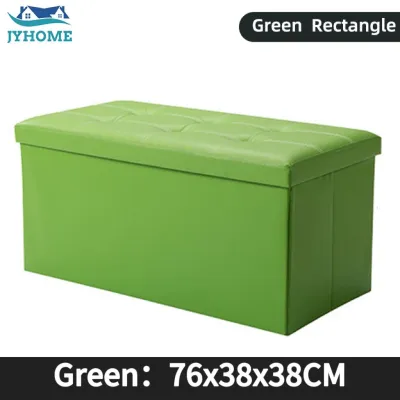
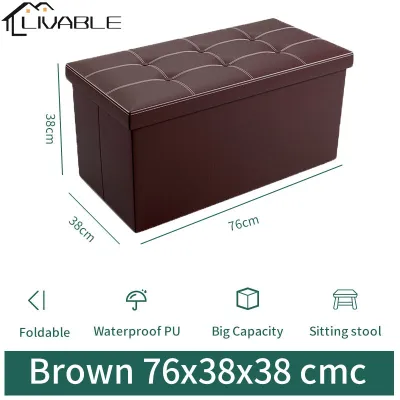
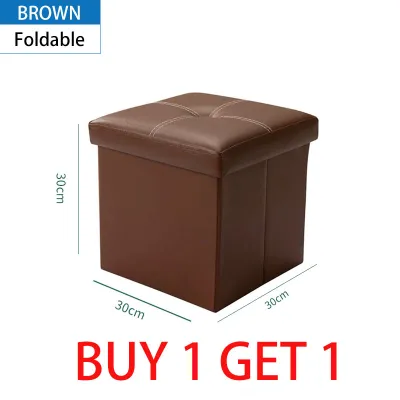
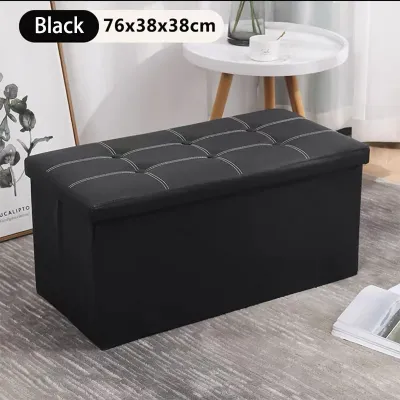
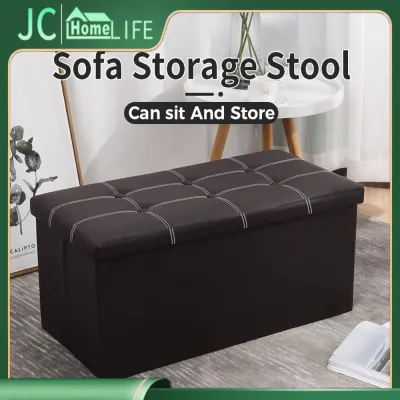
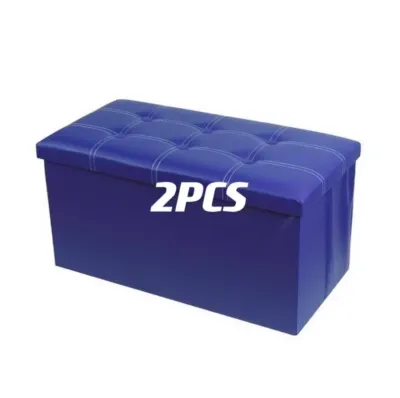
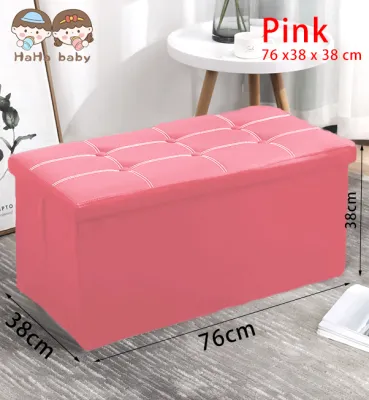
Prices are valid at publication and may change. Please refer to the product page for the latest price.
To make this process easier, use painter’s tape to map out the exact footprint of the prospective ottoman on your floor. Leave the tape in place for a day or two. This simple, hands-on test allows you to physically experience how the ottoman affects your movement and whether it makes the seating area feel too cramped.
Do not forget to account for door swings and architectural features. Measure the swing radius of entry doors, patio doors, and nearby cabinet doors to ensure they will not collide with your new ottoman. Additionally, take note of baseboards or built-in shelving units that can prevent an ottoman from sitting flush against a wall.
Finally, consider the journey the ottoman must take to reach your living room. Measure the width of your main entrance, hallway corridors, stairwells, and elevator doors. A large, fully assembled storage bench might fit beautifully in your room but could easily get stuck in a tight stairwell or narrow doorway during delivery.
Match Ottoman Dimensions to Your Seating Arrangement
An ottoman storage box should look like a natural extension of your seating area. To achieve visual balance, choose an ottoman that is approximately half to two-thirds the length of your main sofa. If you have a sectional with a chaise lounge, the ottoman should not extend past the edge of the chaise to avoid blocking off the seating area.

Clearance around the seating area is vital for comfort. When placing an ottoman directly in front of a sofa to serve as a coffee table or footrest, aim for a clearance gap of 30 to 45 centimeters. This distance provides ample legroom while keeping the ottoman close enough to easily reach for a drink, book, or remote control.
Height is another crucial dimension that dictates daily comfort. For optimal use as a footrest, the top of the ottoman should be level with or slightly lower than the seat cushions of your sofa—ideally within 5 centimeters. An ottoman that is too tall will force your legs into an uncomfortable upward angle, while one that is too low will lack support.
When dealing with a sectional sofa, the placement rules change. If your sectional has an open L-shape, the ottoman should nestle into the empty corner space. Measure the interior dimensions of the “L” to ensure the ottoman leaves at least 30 centimeters of breathing room on all sides. For standard three-seater sofas, a rectangular ottoman that spans roughly half the sofa’s length provides a balanced look.
Evaluate Storage Capacity vs. Physical Footprint
When shopping for an ottoman storage box, do not confuse external dimensions with actual storage capacity. Upholstered furniture requires thick wooden frames, dense foam padding, and fabric lining, all of which consume valuable interior space. A large, bulky ottoman might take up a significant portion of your floor but offer surprisingly limited storage inside. Always review the manufacturer’s specifications for internal dimensions.
To find the right balance, list the specific items you intend to store. In tropical climates, you might use the storage space for extra linen, lightweight throw blankets, board games, or seasonal decorations. If you plan to store bulky items like spare pillows, you will need an ottoman with a generous depth of at least 35 to 40 centimeters. For smaller items like remote controls or books, a shallower box is more practical.
Consider how the lid mechanism affects the usable interior space. Some storage ottomans feature gas-lift hinges or hydraulic struts that assist in opening the lid. While these mechanisms make lifting heavy upholstered tops effortless, the metal arms fold down into the storage compartment when closed. If you pack the box to the brim, these hinges can crush delicate items or prevent the lid from closing securely.
Weighing the trade-offs between a larger physical footprint and actual storage yield is essential. If your living room is small, opting for a massive storage bench just to store a few extra items is rarely worth the loss of floor space. Instead, consider a pair of smaller, nesting storage stools or a compact round ottoman. These options provide targeted storage while keeping the physical footprint minimal.
Common Sizing Mistakes to Avoid
One of the most frequent mistakes homeowners make is underestimating the visual weight of an upholstered storage box. Unlike a traditional coffee table with open legs, a storage ottoman is a solid block of fabric or leather that sits directly on the floor. This solid base can make a small room feel instantly crowded. If you are worried about visual clutter, look for an ottoman with short, exposed legs that lift the base slightly.
Another common oversight is failing to measure the vertical clearance required for the lid to open. If you place the ottoman close to a low-hanging pendant light, a wall-mounted television, or floating shelves, a hinged lid might strike these objects when opened. If vertical clearance is limited in your layout, a removable lid or a split-top design—where only half of the lid opens at a time—is a much safer alternative.
Finally, never assume that two ottomans with the same external dimensions offer the same storage capacity. A cheaply constructed box with thin walls might offer more interior space but lack the structural integrity to serve as extra seating. Conversely, a high-quality, heavily padded ottoman designed to support the weight of multiple adults will have much thicker walls and a smaller storage cavity. Always check the product’s maximum weight capacity and structural materials.
Frequently Asked Questions (FAQ)
Can an ottoman storage box be too big for a small living room?
Yes, an oversized ottoman can easily overwhelm a compact living room both physically and visually. Because storage ottomans typically have solid bases that extend all the way to the floor, they carry significant visual weight compared to open-frame tables. In a small room, a massive ottoman can block natural light, disrupt sightlines, and restrict movement. To avoid this, ensure you maintain at least 60 centimeters of clear walkway space around the piece, and consider choosing a model with raised legs or a lighter fabric color.
How do I ensure the ottoman lid will open fully without hitting nearby furniture?
To prevent the lid from colliding with nearby objects, you must account for the opening mechanism’s specific path. Hinged lids swing upward and backward, requiring extra clearance behind the ottoman if it is placed against a wall or sofa. Measure the height of the lid when fully open and compare it to the height of nearby shelves, TV screens, or low tables. If space is tight, opt for a lift-off lid that detaches completely, or a slide-out drawer design, which requires horizontal floor clearance in front of the unit.
Community discussion
Share your experience or ask a question. Comments are reviewed before publication.