
The ideal outdoor table size for a small apartment balcony in the Philippines depends on your balcony’s exact footprint, but it typically requires a compact design that leaves at least 50 to 60 centimeters of clearance on all open sides. For most typical high-rise condo balconies in metropolitan areas like Manila or Cebu, a bistro table with a diameter or width of 60 centimeters is the standard sweet spot. This size accommodates two people for morning coffee or a light meal while preserving enough room to navigate around the furniture safely. Selecting the right table is not just about finding a piece that physically fits; it is about balancing your daily activities with the physical constraints of tropical weather, door swings, and building regulations.
Measure Your Balcony Space Accurately
Before browsing online marketplaces or visiting local furniture showrooms, you must obtain precise measurements of your balcony’s floor area. Use a metal measuring tape to record the absolute length and width from wall to wall. Do not rely on the floor plans provided by your developer, as actual finished dimensions can vary slightly due to plastering, tiling, or structural columns. If your balcony features irregular corners, structural pillars, or a sloped floor designed for rainwater drainage, note these variations on a rough sketch.
Next, account for the clearance required by doors and windows. Open your balcony door completely and measure its swing radius. If you have a swinging door, the area it sweeps through must remain entirely clear of furniture to prevent collisions and ensure an easy exit. For sliding doors, examine the tracks and frame to ensure your table placement does not block the opening or catch on the screen door. Additionally, check for low-hanging window overhangs or wall-mounted light fixtures that could restrict the height of your outdoor setup.
Products mentioned in this guide
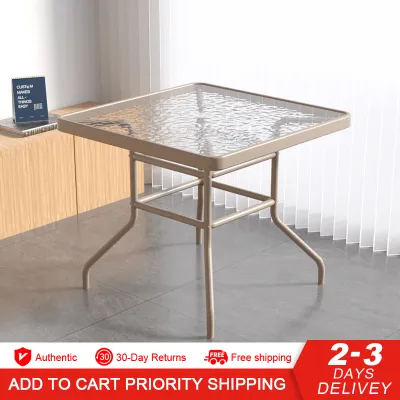
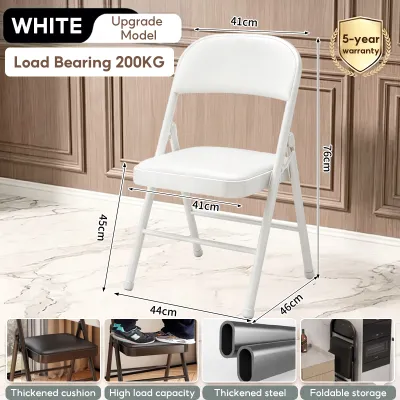
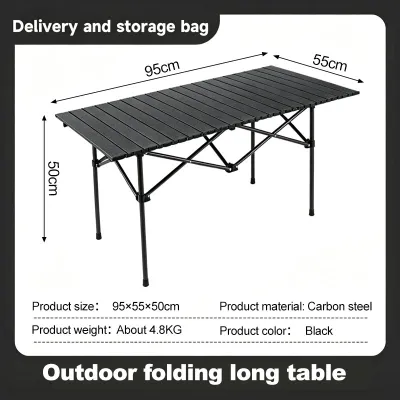
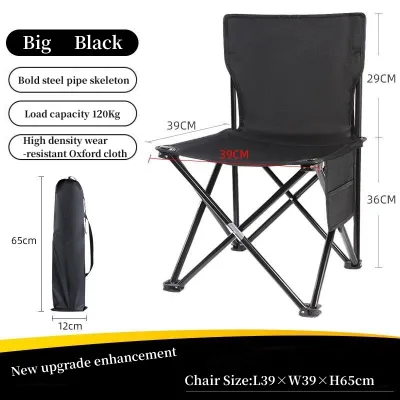
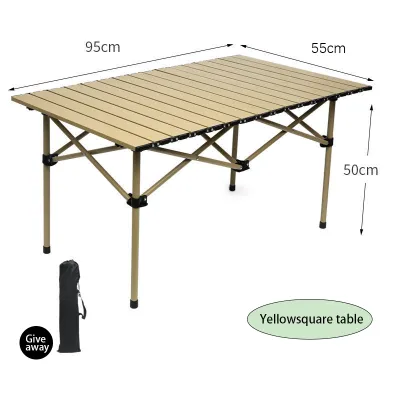
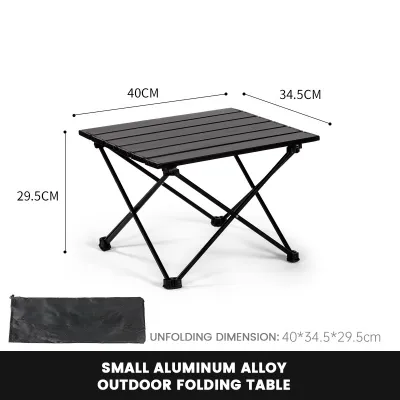
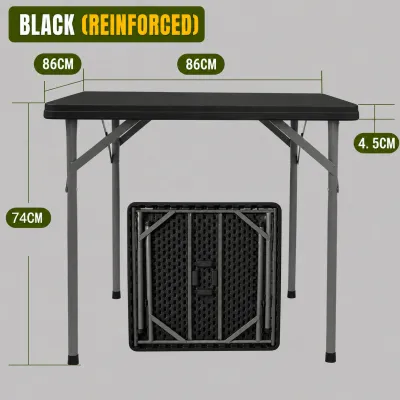
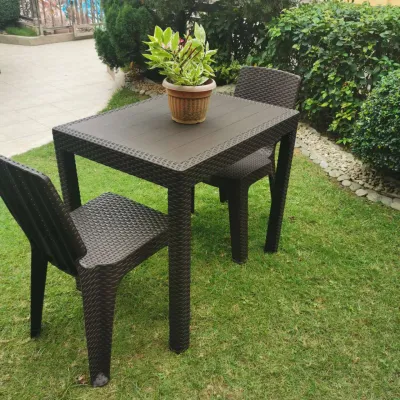
Prices are valid at publication and may change. Please refer to the product page for the latest price.
Finally, identify and map out all fixed obstacles that permanently reduce your usable floor space. Many condominium balconies in the Philippines house outdoor air conditioning compressor units, drainage pipes, or built-in concrete planters. These elements not only occupy physical floor space but also generate heat or require regular maintenance access. Ensure your proposed table placement leaves these utilities fully accessible and keeps your seating away from the direct hot air exhaust of the air conditioning unit.
Match Table Shapes to Balcony Layouts
The geometry of your balcony dictates which table shape will function best without creating awkward bottlenecks. For narrow or square balconies, round or oval tables are highly effective. The absence of sharp corners allows you to navigate tight spaces more fluidly, reducing the risk of painful bumps in close quarters. Round tables also offer greater flexibility in seating arrangements, as you can easily slide chairs slightly to one side or the other to accommodate an extra guest.

If you have a wider balcony or a long, straight wall, a square or rectangular table is often the most space-efficient choice. These shapes can be pushed completely flush against a wall or railing when not in use, instantly freeing up valuable floor space for walking. When you want to dine or work, you can simply pull the table out to access all sides. This versatility makes rectangular designs ideal for multi-purpose balconies where floor space must be reclaimed throughout the day.
For ultra-compact balconies or narrow corridors where a freestanding table is impractical, alternative space-saving designs are excellent solutions. Half-moon tables feature one flat edge that sits flush against the wall, providing the benefits of a round table with half the footprint. Drop-leaf tables allow you to fold down one or both sides of the tabletop when you need extra room. Alternatively, railing-mounted tables attach directly to your balcony balustrade, completely eliminating the need for table legs and leaving your entire floor area open.
Determine the Right Dimensions for Your Needs
To choose the correct table dimensions, you must first define how you plan to use your balcony. If your goal is simply to enjoy a morning cup of coffee or an evening drink, a small bistro table with a diameter of 50 to 60 centimeters is perfectly adequate. However, if you intend to eat full meals or work on a laptop, you will need a minimum depth of 70 to 80 centimeters to comfortably accommodate plates, cutlery, and electronic devices without feeling cramped.
When planning for multiple people, calculate the necessary width and depth per person to ensure everyone has enough personal space. A comfortable dining experience generally requires a width of at least 60 centimeters per individual. For a two-person setup, a rectangular table should measure at least 60 by 80 centimeters. If you opt for a round table, a 70-centimeter diameter is typically the minimum size required to place two place settings opposite each other without overlapping.
Do not forget to factor in the physical footprint of your chairs and the space required to use them. A standard outdoor dining chair requires a depth of approximately 45 to 50 centimeters when tucked in. To sit down and pull the chair out comfortably, you must add an extra 50 to 60 centimeters of clearance behind the chair. Ensure that this total depth does not push the chair legs too close to the balcony railing or create a hazard where a chair could tip backward over a ledge or step.
Check Clearance, Safety, and Building Rules
Maintaining safe walking clearance is critical for both daily comfort and emergency situations. Ensure there is a clear path of at least 60 centimeters between your table set and any walls, railings, or doors. This pathway must remain unobstructed so you can move freely without having to squeeze past furniture. In high-rise buildings, keeping emergency exit routes completely clear is not just a matter of convenience; it is a vital safety requirement.
Before purchasing heavy furniture, verify the structural weight limits and specific guidelines of your building administration or property management office. Many condominium associations in the Philippines have strict rules regarding the types of furniture allowed on balconies to maintain aesthetic uniformity and structural safety. Some buildings prohibit heavy stone or wrought iron tables due to load-bearing limits, while others may restrict any furniture that rises above the height of the balcony railing.
High-rise balconies in tropical regions are frequently exposed to intense winds, especially during the monsoon season and typhoons. Lightweight plastic or thin aluminum tables can easily become dangerous projectiles in high winds. To prevent tipping and damage, look for tables with a heavy, stable base, or choose designs that can be securely anchored to the floor or wall. If you select a folding or lightweight table, ensure you have a designated, secure indoor storage space where you can quickly move the furniture when severe weather warnings are issued.
Frequently Asked Questions (FAQ)
Can I use a folding outdoor table to save space on a small balcony?
Yes, folding outdoor tables are highly practical solutions for small balconies, but you must carefully evaluate their construction and materials. Look for high-quality hinges and locking mechanisms that operate smoothly and lock securely into place to prevent accidental collapsing. If you choose a wall-mounted folding table, verify the structural integrity of your balcony wall; concrete or solid brick walls can support these fixtures, but lightweight cladding may require professional reinforcement. Keep in mind that moving parts and hinges are more susceptible to rust and wear when exposed to high humidity and salty air. To ensure longevity, check that all metal joints are treated with a rust-resistant coating, and consider storing the table indoors during heavy rain.
How many chairs can fit around a small outdoor table?
The number of chairs you can fit depends on the table’s perimeter and the design of its base. As a general rule, each seated person requires at least 60 centimeters of table edge width to dine comfortably. A standard 60-centimeter square table can comfortably accommodate two chairs placed opposite each other. To maximize legroom and seating flexibility in tight spaces, consider a table with a central pedestal or single-column base rather than traditional four-legged designs. Pedestal bases eliminate corner legs, making it much easier to tuck chairs completely under the table when not in use and allowing you to squeeze in an extra stool if needed.
Community discussion
Share your experience or ask a question. Comments are reviewed before publication.