
To fit a recliner into a small Philippine condo or bedroom, you generally need a compact model with a static footprint of no more than 80 to 90 centimeters in width and depth, requiring less than 15 centimeters of rear wall clearance. In tight residential spaces, every square centimeter dictates whether a room remains functional or becomes completely impassable. While many urban dwellers search for a “small lazy boy” to anchor their cozy reading corners, finding the right fit requires looking past marketing labels and focusing strictly on physical dimensions, clearance paths, and spatial mechanics. By understanding how to measure your space and identifying space-saving features, you can enjoy the comfort of a dedicated lounge chair without overcrowding your home.
Understanding Recliner Dimensions for Compact Spaces
When shopping for compact furniture in the Philippines, it is common to encounter terms like “small lazy boy” or “space-saving recliner.” It is crucial to understand that these are general descriptive terms used by shoppers and retailers rather than standardized industry sizes. A standard, full-sized recliner often requires up to 100 to 110 centimeters of width and a massive 150 to 180 centimeters of depth when fully extended. In a typical 22-square-meter to 30-square-meter Metro Manila condo, a chair of this scale can quickly overwhelm the living room or block the bedroom doorway entirely.
Compact recliners are engineered specifically to address these spatial limitations. These models typically feature narrower armrests, streamlined backrests, and shorter footrest extensions, bringing the overall width down to a manageable 75 to 85 centimeters. Another highly efficient option is the wall-hugger or zero-clearance recliner. These chairs utilize a specialized internal track that slides the seat forward as the backrest reclines, allowing them to operate efficiently even when positioned very close to a wall.
Products mentioned in this guide
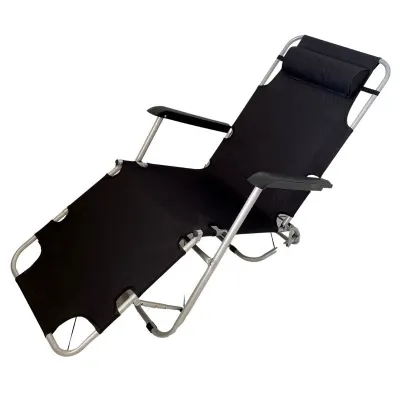
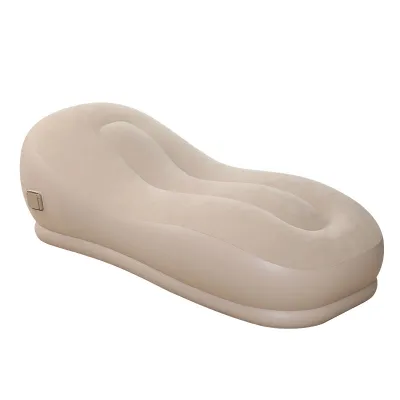
Prices are valid at publication and may change. Please refer to the product page for the latest price.
To avoid costly purchasing mistakes, always rely on the manufacturer’s official specification sheet for exact width, depth, and height measurements rather than making assumptions based on product photos or marketing categories. A chair that looks small in a spacious showroom can easily dominate a compact bedroom. Furthermore, material names, frame compositions, or brand labels do not guarantee a smaller footprint; physical dimensions and structural design are the only reliable metrics when mapping out a tight floor plan.
How to Measure Your Room and Clearance Requirements
Measuring the Footprint and Recline Clearance
To ensure your recliner functions properly without disrupting the flow of your room, you must measure both its static footprint and its dynamic, fully reclined length. Begin by identifying the exact spot where the chair will sit and use masking tape to outline its upright width and depth on the floor. This visual aid helps you assess how much physical space the chair will occupy during daily use.

Next, consult the product manual or specification sheet to determine the required back clearance and front extension space. Traditional recliners require a substantial gap of 30 to 50 centimeters between the back of the chair and the wall to recline fully. In contrast, specialized wall-hugger models might only require 5 to 15 centimeters of rear clearance. You must also account for the front extension, ensuring the footrest can deploy completely without striking bed frames, wardrobes, or television consoles. To maintain comfortable movement, aim to leave a walking clearance of at least 60 centimeters around the fully extended chair.
Checking Doorways, Hallways, and Elevators
A compact recliner is only useful if it can actually reach its designated room. Before finalizing your purchase, establish a detailed checklist of the entire delivery path from the building’s loading dock to your apartment floor. In many Philippine condominium developments, tight elevator doors, narrow fire stairs, and sharp hallway corners present major obstacles for furniture delivery teams.
Use a tape measure to record the height and width of every doorway, hallway turn, and elevator entrance the chair must pass through. Compare these figures against the packaged shipping dimensions of the recliner, which are often larger than the assembled product due to protective boxing. Many modern recliners are designed with detachable backrests to make transport easier, but you should always verify this feature with the manufacturer or retailer beforehand. If the packaged dimensions exceed the narrowest point of your delivery path, the furniture cannot be installed, potentially leaving you with hefty return shipping or restocking fees.
Space-Saving Features to Look For in a Small Recliner
Wall-Proximity Mechanisms These specialized designs are highly effective for compact rooms because they slide the seat cushion forward along an internal track as the backrest reclines. This forward-shifting motion minimizes the rear clearance needed, allowing you to position the chair almost directly against a wall. Always check the manufacturer’s specifications to verify the exact minimum clearance required, as terms like “zero-clearance” can vary between brands.
Slimmer Profiles Traditional recliners feature thick, overstuffed armrests that add unnecessary width without increasing the actual seating area. Look for compact designs with narrow, track-style arms or upholstered metal frames that reduce the overall width to under 80 centimeters while preserving ergonomic comfort.
Push-Back vs. Mechanical Recliners Push-back recliners eliminate the need for side levers or bulky electrical buttons, reclining naturally when you lean back. This design often results in a sleeker, more streamlined silhouette that mimics a standard accent chair. Mechanical recliners, while offering more precise positioning, often feature a wider base and require more physical effort or electrical cord clearance to operate.
Regardless of the style you choose, always verify the maximum weight capacity and frame durability directly from the manufacturer’s label or product manual rather than assuming all compact chairs share the same structural limits.
Common Sizing and Placement Mistakes to Avoid
Ignoring the Full Recline Length One of the most common errors is placing a recliner based solely on its upright measurements. When the footrest is fully extended and the backrest is reclined, the chair’s total depth can nearly double, leading to unexpected collisions with other furniture.
Overlooking Pinch Points and Traffic Flow Placing a recliner too close to high-traffic zones or swing doors can create hazardous pinch points. Ensure the chair does not block access to closet doors, bathroom entrances, or the path to the balcony, especially in tight condo layouts where space is at a premium.
Assuming “Small” Means “Easy to Deliver” Do not assume a compact model will automatically slide through a standard doorway. Heavy internal steel mechanisms can make even small recliners difficult to maneuver around tight hallway corners, so always double-check the delivery path clearance.
Blocking Vents and Outlets In tropical climates like the Philippines, proper airflow is crucial. Avoid placing a large or compact recliner directly in front of floor-mounted air conditioning vents, wall units, or electrical outlets, which can restrict ventilation and limit your access to power sources for charging devices or plugging in the chair’s power features.
Styling a Cozy Reading Nook in a Compact Room
Integrating a compact recliner into a small Philippine condo or bedroom is as much about visual balance as it is about physical dimensions. Position the chair near a window to take advantage of natural light during the day, or pair it with a slender, adjustable floor lamp that provides targeted illumination for evening reading without consuming valuable floor space. Instead of a bulky, static coffee table, opt for a small, mobile C-shaped side table that slides over the arm of the recliner, or use a fabric armrest caddy to keep books, remotes, and phones within arm’s reach.
Visual weight plays a massive role in how spacious a room feels. Choose lighter upholstery colors—such as beige, light gray, or soft pastels—and streamlined designs with exposed wooden legs to keep the space looking open and airy. In humid environments, look for breathable, high-quality fabrics or treated finishes that are easy to clean and maintain, and check the manufacturer’s care instructions to ensure longevity. Keeping the surrounding area free of clutter will preserve a relaxing, open atmosphere, turning your compact corner into a peaceful sanctuary.
Community discussion
Share your experience or ask a question. Comments are reviewed before publication.