
Choosing the right table size is one of the most critical decisions when designing a compact commercial space or a cozy home beverage nook. In tight quarters, every centimeter counts toward balancing customer comfort, operational flow, and seating capacity.
For a small coffee shop or home café corner, the ideal round table diameter generally ranges from 60 cm to 80 cm (approximately 24 to 32 inches). Selecting the perfect size within this range depends on your primary use case: a 60 cm table is best for solo patrons or quick espresso stops, a 70 cm table serves as the versatile industry standard for couples, and an 80 cm table offers the necessary surface area for home office multi-tasking or light dining. By understanding how these dimensions interact with your physical layout, you can create an inviting, highly functional environment that maximizes space without feeling overcrowded.
Ideal Round Table Diameters for Small Spaces
When planning a compact layout, categorizing round tables by their exact diameters helps clarify what activities they can realistically support. Round tables are naturally space-efficient because they lack sharp corners, making it easier for people to navigate around them. However, choosing the wrong diameter can quickly lead to crowded tabletop surfaces or restricted movement.
Products mentioned in this guide
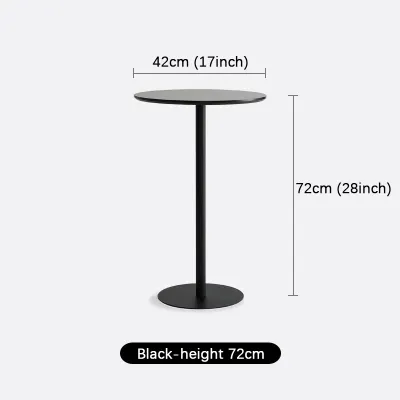

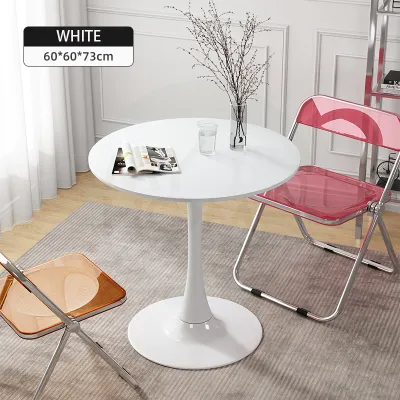
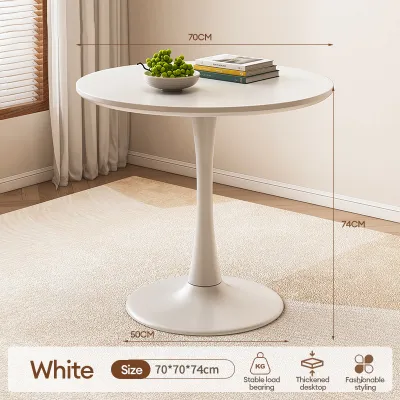
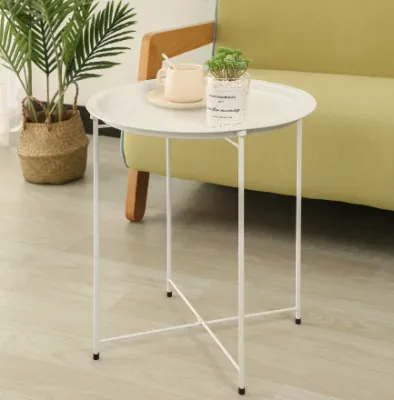
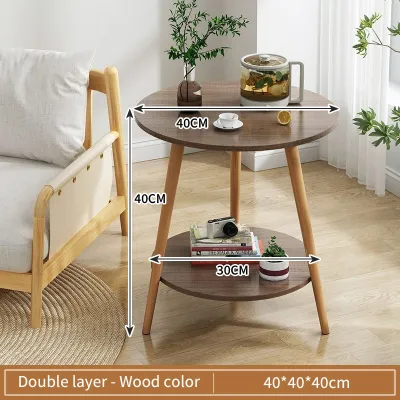

Prices are valid at publication and may change. Please refer to the product page for the latest price.
60 cm (Approx. 24 Inches): The Solo and Espresso Standard
This compact size is engineered specifically for minimal footprints. A 60 cm round table is best suited for one person, though it can accommodate two people meeting briefly for quick drinks. On a table of this size, there is comfortable room for two espresso cups, small water glasses, and perhaps a single shared pastry plate. It is not designed to hold laptops, large plates, or multiple physical books. In commercial settings, these tables work exceptionally well along narrow perimeter walls or window zones where solo remote workers or quick-turnover customers tend to sit.
70 cm (Approx. 28 Inches): The Versatile Industry Sweet Spot
If you want the most versatile size for a small café, the 70 cm round table is the standard recommendation. It comfortably seats two people for a relaxed conversation. The extra 10 centimeters of diameter compared to the smaller model provides enough surface area to hold two standard coffee mugs, two breakfast plates, and a small centerpiece or condiment holder. It can also accommodate a single laptop user who wants to work while enjoying a drink. This size strikes an excellent balance between space economy and user comfort, making it the backbone of most small commercial café layouts.
80 cm (Approx. 32 Inches): The Multi-Use and Home Café Choice
An 80 cm round table is ideal for setups where patrons or residents stay longer. It comfortably accommodates two people with room to spare, and can stretch to fit three people for casual drinks. This size is highly recommended for home café corners because it easily transitions from a morning coffee spot to a functional daytime workspace or an intimate dinner table. It provides ample room for a laptop, notebooks, and dining essentials simultaneously. However, in a very small commercial shop, a floor plan dominated by 80 cm tables will noticeably reduce your total seating capacity.
Table Height and Spatial Perception
The vertical dimension of your table plays a major role in how open or cramped a room feels. Standard café tables stand between 70 cm and 75 cm high, which aligns naturally with standard dining chairs (seat height around 45 cm). This setup keeps the visual line of sight low and open.
Alternatively, bar-height tables (standing 100 cm to 105 cm tall) paired with high stools can make a narrow room feel more spacious. Because bar stools have smaller footprints and elevate the seating plane, they draw the eye upward and keep the floor area looking less congested. However, high-top seating is often less comfortable for elderly guests or families with young children, so a mix of standard and elevated heights is often the best approach for commercial venues.
Space Planning: Clearances, Aisles, and Walkways
Simply selecting a table diameter is not enough; you must also calculate the physical space required for chairs, human movement, and service paths. Neglecting these clearances leads to a layout where chairs bump into walls, staff struggle to serve drinks, and guests feel trapped.

Chair Pull-Out Clearance
To sit down or stand up comfortably, a person must be able to slide their chair back from the table. The standard clearance for this movement is 45 cm to 60 cm of dedicated space extending outward from the table edge. When a chair is fully tucked in, it occupies less room, but your layout planning must account for the active state when a guest is seated. If you place a table too close to a wall or another furniture piece without this buffer, guests will struggle to get in and out, potentially scratching your walls or disturbing neighboring tables.
Aisle Width Requirements
Walkways must accommodate both foot traffic and service operations. In a commercial coffee shop, main service aisles require a minimum width of 90 cm to 120 cm. This clearance ensures that two people can pass each other comfortably, staff can safely carry trays of hot drinks, and the space remains accessible to individuals using mobility aids or pushing strollers. For a private home café corner, you can reduce this walkway clearance to 60 cm to 90 cm, as the traffic volume is significantly lower and users can easily step aside for one another.
Wall Clearance
To prevent a claustrophobic seating experience, maintain a distance of at least 60 cm between the edge of a round table and any solid wall or structural column. This gap ensures that the guest facing the wall does not feel boxed in and allows enough room for light cleaning or sweeping around the table base without requiring you to drag the furniture across the floor.
Calculating the Total Footprint per Table Setting
To map out your floor plan accurately before making any purchases, use this simple formula to calculate the total circular footprint required for a single table setting:
$$\text{Total Footprint Diameter} = \text{Table Diameter} + (2 \times \text{Chair Clearance})$$
For example, if you select a standard 70 cm round table and allocate a comfortable 50 cm of chair clearance on each side, the calculation is:
$$70\text{ cm} + (2 \times 50\text{ cm}) = 170\text{ cm}$$
This means each 70 cm table setup actually requires a clear, circular floor area with a diameter of 1.7 meters. Mapping these circles onto a scale drawing of your room will show you exactly how many tables can safely fit without overlapping or blocking doors.
Commercial Coffee Shop vs. Home Café Corner
While the physical dimensions of the tables remain constant, the design priorities shift dramatically depending on whether you are furnishing a revenue-generating business or a personal sanctuary.
Commercial Priorities: Efficiency and Durability
In a commercial coffee shop, space translates directly to revenue potential. The goal is to maximize seating density without compromising safety or comfort. Commercial owners must also prioritize materials that can withstand high turnover and aggressive cleaning protocols.
In tropical environments like the Philippines, high humidity and constant condensation from iced coffees can quickly ruin low-quality furniture. Tables must feature water-resistant finishes, such as commercial-grade polyurethane sealants on solid wood, or durable laminate surfaces with sealed edges. Joints must be robust, and metal components should be treated to resist rust caused by frequent wet wiping and humid air.
Home Café Priorities: Comfort and Versatility
For a home café corner, seating density is rarely a concern. Instead, the focus is on ergonomic comfort and aesthetic integration with your existing living room or kitchen furniture. Because you are likely to spend hours reading, working, or chatting at this table, pairing it with highly comfortable, cushioned chairs is essential. The table material can be more delicate—such as oiled natural wood or polished stone—since it will not face the wear and tear of dozens of daily commercial customers. However, you should still check the manufacturer’s care instructions to ensure the surface is protected against heat and liquid rings.
Table Base Selection: The Pedestal Advantage
Whether for home or business use, the design of the table base is just as important as the tabletop size. Traditional four-legged tables are highly stable, but they severely restrict legroom and limit where chairs can be placed. In tight spaces, a central pedestal base is highly superior.
Pedestal bases clear up the perimeter of the table, allowing guests to swing their legs in easily and slide chairs completely under the tabletop when not in use. For commercial spaces, a heavy cast iron pedestal base provides the necessary stability to prevent tipping, while home users might prefer a lighter, tapered wooden or aluminum pedestal that matches their interior decor.
Common Sizing Mistakes to Avoid
Avoiding common purchasing pitfalls will save you time, money, and layout frustration. Before ordering your tables, verify that you have accounted for these easily overlooked details.
Ignoring the Base Footprint
While a pedestal base saves legroom, some heavy-duty bases have wide, sprawling feet or large circular metal plates at the bottom to ensure stability. If the base plate is too wide, it can become a tripping hazard for guests or prevent chairs from tucking in fully. Always check the manufacturer’s finished dimensions for the base width, not just the tabletop diameter, to ensure it fits within your planned chair clearance zones.
Overcrowding the Table
It is tempting to assume that because a table is round, you can easily squeeze in an extra chair whenever your shop gets busy. However, forcing three chairs around a 60 cm table or four chairs around a 70 cm table compromises elbow room and ruins the dining experience. Overcrowding also forces guests to sit closer to neighboring tables, violating your carefully planned aisle clearances and creating a noisy, chaotic atmosphere.
Unit Confusion
When sourcing furniture online, pay close attention to the units of measurement. Many international manufacturers list dimensions in inches, while others use centimeters or millimeters. Mixing up these units can lead to major errors—for instance, confusing a 30-inch table (76.2 cm) with a 30 cm table (which is a tiny side table unsuitable for dining) can derail your entire layout plan. Double-check all product specifications and convert them to a single unit before finalizing your order.
Delivery and Installation Access
Before purchasing solid wood, marble, or heavy terrazzo round tables, measure every doorway, hallway, elevator door, and stairwell along the delivery path. Large, heavy tabletops cannot be folded or tilted easily through tight corners. If you live in an apartment building or have a multi-story coffee shop, verify that the delivery team can actually transport the finished pieces to the designated space. If access is tight, look for flat-packed tables that can be assembled directly in the room.
Frequently Asked Questions (FAQ)
Can a 60 cm round table comfortably fit two people?
Yes, but only for brief periods and limited activities. A 60 cm round table is suitable for two people having quick drinks, such as espresso, tea, or bottled beverages, along with a small shared plate. It does not provide enough surface area to comfortably accommodate two laptops, full breakfast plates, or large textbooks, making it unsuitable for extended study or dining sessions.
What is the best table base for a small coffee shop?
A central column or pedestal base is the best choice for a small coffee shop. By eliminating the four corner legs found on traditional tables, a pedestal base maximizes legroom and allows customers to slide their chairs in from any angle. This design makes it much easier to configure tight seating layouts and helps keep walkways clear when tables are not in use.
Community discussion
Share your experience or ask a question. Comments are reviewed before publication.