
Finding the right furniture for a compact urban home in the Philippines requires a careful balance of functionality and physical footprint. In tight living rooms, such as those in modern Metro Manila condominiums or suburban townhouses, a side storage organizer serves as an essential piece to keep daily items tidy without consuming valuable floor area. To ensure a seamless fit, the ideal organizer should feature a slim profile, typically with a depth of 30 to 45 centimeters that aligns with your sofa’s armrest, and a narrow width of 20 to 40 centimeters. The height should ideally match or sit slightly below the armrest—around 55 to 65 centimeters—to maintain easy access while keeping sightlines open.
Selecting the wrong size can quickly turn a helpful storage unit into an annoying physical obstacle. When a piece of furniture juts out into a high-traffic walkway or blocks a door, it disrupts the flow of the entire home. By focusing on precise measurements, understanding the unique layout challenges of local apartments, and choosing dimensions that harmonize with your existing seating, you can find a side storage organizer that enhances your living space instead of crowding it.
How to Measure Your Living Room Space and Clearances
Before browsing online marketplaces or visiting local furniture showrooms, you must establish the exact physical boundaries of your living room. Start by using a metal measuring tape to measure the floor area directly adjacent to your sofa or primary armchair. Document the distance from the edge of the seating frame to the nearest wall, window, or adjacent piece of furniture. If you plan to place the side storage organizer between a sofa and a wall, measure this gap at three different points—near the front of the sofa, near the back, and along the floor—to account for any slight angles in your walls.
Products mentioned in this guide
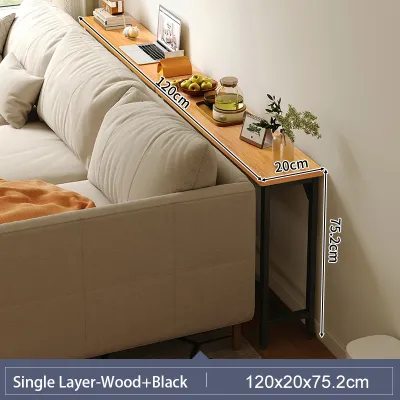
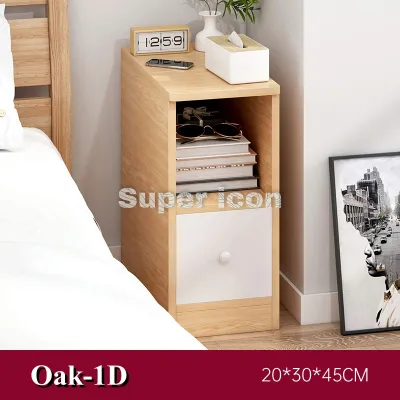
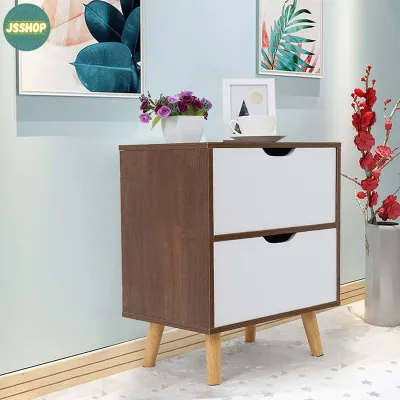
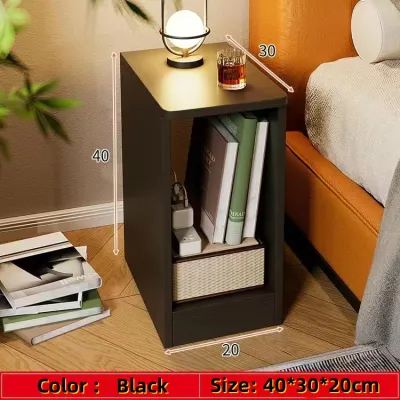
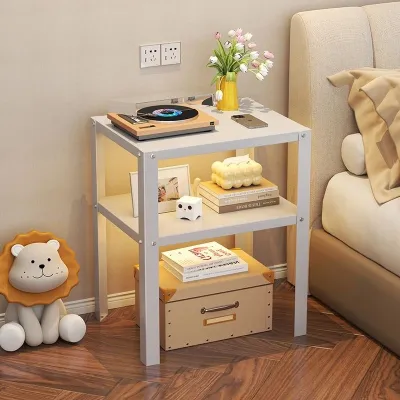
Prices are valid at publication and may change. Please refer to the product page for the latest price.
Next, calculate the clearance required for daily foot traffic. Ergonomic standards suggest maintaining an unobstructed walkway of at least 60 to 90 centimeters between furniture pieces in high-use areas. If your living room is particularly narrow, you may need to opt for an ultra-slim organizer to preserve this essential walking path. Forcing family members or guests to squeeze past a protruding shelf will make the room feel cramped and increase the risk of accidental bumps.
Do not forget to measure the delivery path before making a purchase. A common mistake is selecting an item that fits perfectly in the living room but cannot clear the building’s passenger elevator, narrow stairwells, or the apartment’s main doorway. Measure the height and width of all entryways, including any tight corners in your hallway, to ensure the delivery team can safely bring the unit inside.
Finally, inspect the bottom of your walls for baseboards, skirting boards, or protruding electrical outlets. These architectural details often prevent furniture from sitting completely flush against the wall. A standard baseboard can create a gap of 1 to 2 centimeters, which effectively pushes the organizer forward. Factor this small but significant clearance into your maximum allowable depth to avoid unexpected alignment issues.
Ideal Dimensions for a Side Storage Organizer in Compact Rooms
When dealing with limited square footage, the scale of your furniture determines how spacious or cramped the room feels. The ideal dimensions for a side storage organizer are not absolute; instead, they must scale proportionally with your primary seating. A massive, heavy-looking cabinet placed next to a delicate, low-profile two-seater sofa will instantly make the entire living room feel visually unbalanced.

To maintain a sense of openness, prioritize organizers with a light visual weight. Units featuring open metal frames, slender legs, or light-colored finishes tend to blend into the background, whereas solid, dark wood cabinets can feel like a heavy block that visually shrinks the room. Balancing the physical dimensions with these visual cues is key to successful small-space styling.
Choosing the Right Width and Depth Footprint
The horizontal footprint of your organizer dictates how much floor space you sacrifice. As a general rule, the depth of your side storage organizer should closely match or be slightly shallower than the depth of your sofa’s armrest. If your sofa armrest measures 40 centimeters deep, selecting an organizer that is 50 centimeters deep means the unit will protrude past the front of the sofa, creating a sharp corner that is easy to stub a toe on in low light.
For exceptionally tight spaces, look for narrow-width designs, often referred to as slim shelving units, gap organizers, or vertical caddies. A width of 20 to 30 centimeters is usually sufficient to hold small essentials like remote controls, reading glasses, and books without occupying a large portion of the floor.
Before finalizing your choice, always verify the internal shelf dimensions. A unit with an ultra-slim external footprint might have thick frame walls, leaving very little usable space inside. Ensure the interior shelves are wide and deep enough to accommodate your specific storage needs, whether that includes a tablet, magazines, or small storage baskets, so you do not end up with an unusable piece of furniture.
Utilizing Vertical Height Without Overcrowding
Vertical space is a valuable asset in small apartments, but it must be used strategically. From an ergonomic perspective, selecting an organizer with a top surface that aligns closely with the height of your sofa’s armrest—typically between 55 and 65 centimeters—provides the best user experience. This height allows you to easily reach for a glass of water, a phone, or a book without straining your back or reaching upward.
While taller organizers offer more storage shelves, excessively high units can dominate a small living room. Avoid units that stand taller than 120 centimeters if they are placed directly next to your main seating, as they can create a visually oppressive “wall” effect. Furthermore, tall units can block natural light from nearby windows or interfere with the airflow of wall-mounted appliances.
If you do choose a taller, narrower organizer to maximize vertical storage, stability must be your primary concern. Narrow, high-profile furniture is inherently more prone to tipping over, especially if placed on uneven tile floors or thick area rugs. Always check the manufacturer’s weight distribution guidelines, place heavier items on the bottom shelves, and follow the manufacturer’s care and installation instructions regarding anti-tip wall anchoring to ensure safety.
Adapting to Typical Philippine Apartment Layouts
Philippine apartments and condominiums often feature specific architectural layouts and environmental conditions that directly influence how you should size and position your furniture. For instance, many modern units include sliding glass doors that lead to a small balcony. When placing a side storage organizer near these doors, you must ensure that its footprint does not obstruct the sliding track or block the emergency exit route. If the organizer has drawers or swing-out doors, calculate the clearance needed to open them fully without hitting the glass.
Another common feature in Philippine homes is the wall-mounted split-type air conditioning unit. It is crucial to leave adequate vertical and horizontal clearance around these appliances. Avoid placing tall organizers directly underneath or adjacent to an AC unit, as this can restrict the natural airflow required for efficient cooling. Additionally, split-type units can occasionally experience minor condensation drips during periods of high humidity; keeping valuable storage units out of the drip zone protects your furniture and stored items from water damage.
The tropical climate of the Philippines also demands careful attention to moisture control. High relative humidity can quickly lead to mold and mildew growth on furniture and stored belongings, particularly in dark, unventilated corners. To mitigate this risk, always leave a small gap of 2 to 5 centimeters between your organizer and the wall to promote continuous air circulation. When choosing materials, check the manufacturer’s care instructions to ensure the finish can withstand humid conditions, and avoid placing untreated, porous woods in direct contact with damp outer walls.
Lastly, pay close attention to the location of electrical outlets and light switches. In many local apartment designs, outlets are placed low on the walls near the sofa area to accommodate fans, lamps, and phone chargers. Ensure your chosen organizer does not block access to these essential power sources. If space is tight, look for units with open backs or built-in cable management cutouts that allow you to plug in your electronics safely without forcing the furniture away from the wall.
Common Sizing and Placement Mistakes to Avoid
One of the most frequent mistakes when selecting a side storage organizer is overlooking the “door swing” or drawer extension clearance. A unit might fit perfectly within your measured floor space when closed, but once you attempt to open a hinged cabinet door or pull out a deep drawer, it may collide with the sofa, a coffee table, or your legs. In tight spaces, open shelving, sliding doors, or removable fabric bins are highly practical alternatives that require zero extra clearance to access.
Another common error is prioritizing maximum storage volume over the overall spatial harmony of the room. It can be tempting to buy the largest unit that will physically fit into the corner, but an oversized organizer will make a small living room feel cramped and uninviting. Remember that empty space, or “negative space,” is essential for a relaxed atmosphere; keeping some areas open actually makes the room feel larger.
Additionally, placing a tall, narrow organizer on an uneven surface without proper leveling can create a serious safety hazard. Many apartments feature slightly uneven tile or concrete floors. If you place a top-heavy unit on these surfaces or on a thick decorative rug, it may wobble or tip. Always verify that the unit is completely stable, adjust the leveling feet if provided, and avoid placing heavy decorative items on the top shelves.
Finally, never rely solely on online product photos when shopping on ecommerce platforms. Sellers often use wide-angle lenses or digital staging to make furniture appear larger or more compact than it actually is. Always scroll down to the product description, verify the exact written dimensions (height, width, and depth in centimeters), and use your physical measuring tape to map out those exact dimensions in your living room before making a decision.
Frequently Asked Questions (FAQ)
How much clearance is needed between the sofa and the organizer?
It is best to leave a small gap of approximately 5 to 10 centimeters between your sofa and the side storage organizer. This physical separation prevents the two pieces of furniture from rubbing against each other, which can cause friction damage to fabric upholstery or scratch wood and metal finishes. Additionally, this small clearance provides enough space to slide a broom, static duster, or vacuum attachment between the units, making it much easier to clean up dust, lint, and pet hair that naturally accumulate in tight corners.
Should I choose a wheeled or stationary side organizer for small spaces?
The choice between a wheeled (caster) or stationary side storage organizer depends on how you use your living room. Wheeled organizers offer excellent flexibility for small apartments, allowing you to easily roll the unit out of the way when cleaning, vacuuming, or rearranging the layout to accommodate guests. If you choose a mobile unit, ensure the wheels feature reliable locking mechanisms to keep it secure when stationary, and check for rubberized or soft polyurethane casters to protect hard tile or laminate flooring from scratches. Conversely, stationary organizers are the superior choice if you plan to use the top surface as an end table for hot drinks, table lamps, or fragile decor, as they provide maximum stability and are far less likely to wobble or shift during daily use.
Community discussion
Share your experience or ask a question. Comments are reviewed before publication.