
To fit a small breakfast nook without crowding the space, the ideal side table should have a compact footprint, typically measuring between 30 to 40 centimeters (12 to 16 inches) in width or diameter. Its height must closely align with your seating—usually within 5 centimeters of the seat cushion or banquette height if used for holding items, or matching the dining table height of approximately 75 centimeters if it serves as an extension. This size provides just enough surface area for a morning coffee, a mobile device, or a small plate, while leaving the surrounding floor space open for movement.
In compact condo layouts and townhouses in urban hubs like Metro Manila, maximizing every square centimeter is essential. A poorly sized table can quickly turn a cozy breakfast nook into a frustrating bottleneck. Selecting the right dimensions requires balancing physical clearance, visual weight, and daily utility. By focusing on smart spatial planning, you can introduce a highly functional surface that enhances your morning routine without compromising comfort or flow.
How to Measure Your Breakfast Nook's Available Space
Measuring the footprint of your nook is the first critical step before browsing online catalogs or visiting showrooms. Start by mapping out the entire area, including the main dining table, chairs, and any built-in banquette seating. Use a metal measuring tape to record the exact wall-to-wall distances, paying close attention to corners and baseboards that might slightly reduce the actual usable floor area.
Products mentioned in this guide
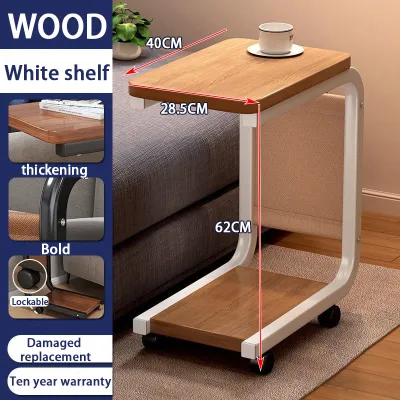
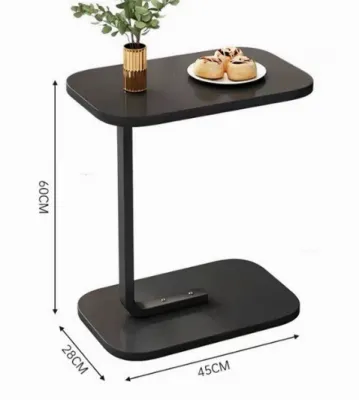
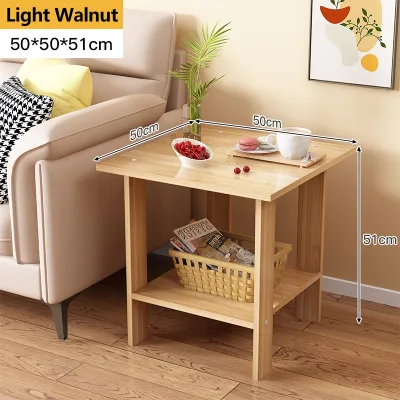
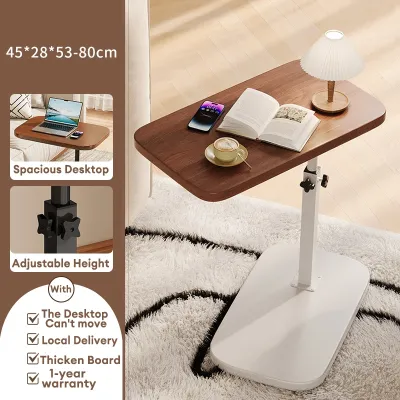
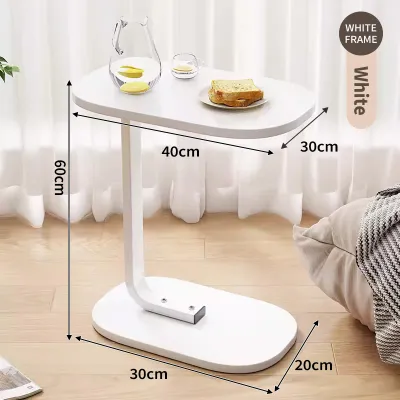
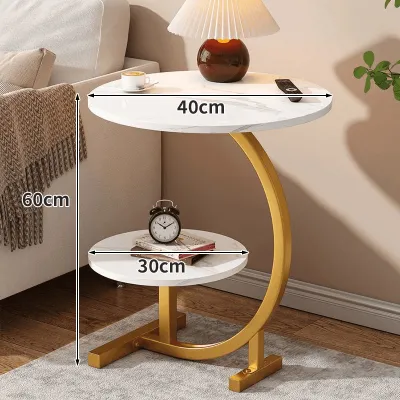
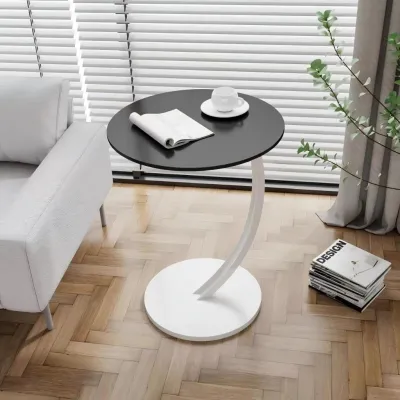
Prices are valid at publication and may change. Please refer to the product page for the latest price.
Clearance for seating and walkways is often overlooked when adding secondary furniture. Standard interior design guidelines recommend leaving at least 60 to 90 centimeters of clear walkway space around dining furniture to allow people to move comfortably. For seating, you need about 90 centimeters of clearance behind a chair to allow someone to pull it out and stand up easily. In a tight breakfast nook, these clearances are often limited, so you must verify how much physical space remains when chairs are fully occupied.
Identifying “dead zones” is a smart way to reclaim underutilized space. Look for awkward corners, narrow wall segments between windows, or the small gap at the end of a bench. These spots are perfect for a slim side table because they do not interfere with primary traffic lanes or block natural light. If you position the table in these underused pockets, you can gain valuable surface area without sacrificing the room’s overall flow.
Do not forget to account for the swing radius of nearby doors, pantry cabinets, or refrigerator doors. A side table that sits perfectly in a corner might block a cabinet door from opening fully, causing daily annoyance and potential damage to the furniture finish. Open every adjacent door and drawer to its maximum angle to ensure your proposed table location remains completely clear of any operational paths.
Finding the Right Height, Width, and Depth
Height is the most crucial dimension for ergonomics and comfort. If the side table is meant to sit next to a banquette or a dining chair to hold a cup of tea, its surface should be roughly level with or slightly below the armrest, or about 50 to 60 centimeters high. If it acts as an extension of your dining setup, it should match the standard dining table height of 75 centimeters. A table that is too tall creates a visual barrier and is awkward to reach, while one that is too low forces you to bend down uncomfortably.

Width and depth must be proportioned to the adjacent furniture. A side table should never extend past the front edge of a seating bench or protrude into the main clearance zone of the dining table. For narrow wall spaces, a depth of 25 to 30 centimeters is often the maximum allowable limit to prevent the piece from becoming an obstacle. Keeping the depth shallow ensures that the table hugs the wall or seating closely, maintaining an open pathway.
Consider the balance between surface area and functional needs. If your goal is simply to have a place for a smartphone and a mug, a tiny 30-centimeter round table is sufficient. However, if you plan to use it to hold a small coffee maker, a toaster, or a basket of pandesal, you will need a slightly larger surface area, perhaps 40 by 40 centimeters, while ensuring the base remains compact. Assess your daily habits to determine the minimum surface area you can comfortably live with.
To avoid costly purchasing mistakes, use cardboard cutouts or painter’s tape to mock up the proposed dimensions on your floor. Leave the mock-up in place for a few days to see how it affects your daily routine, chair movement, and foot traffic. This simple, hands-on test allows you to physically experience the layout and adjust the dimensions before making a financial commitment.
Shapes and Designs That Keep the Nook Feeling Open
The shape of your side table significantly influences how spacious your breakfast nook feels. Round and oval profiles are highly recommended for tight spaces because they lack sharp corners. This roundness makes it much easier to navigate around the table without bumping into edges, which is a common hazard in compact dining areas. Furthermore, curved furniture naturally softens the lines of a room, creating a more relaxed and inviting atmosphere.
C-tables and nesting designs offer exceptional space-saving flexibility. A C-shaped side table features an open base that can slide underneath a low sofa or banquette, allowing the tabletop to hover directly over the seat. This eliminates the need for dedicated floor space next to the seating. Nesting tables, on the other hand, can be stacked together neatly when not in use and expanded only when you have guests or need extra surface area.
Visual lightness is another design strategy to prevent a cramped feeling. Opt for tables with slender metal legs, open lower shelving, or transparent tops made of tempered glass or acrylic. These materials allow light to pass through, making the room feel larger than it is. Heavy, solid-block wooden tables tend to absorb light and make small spaces feel more confined, whereas open-frame designs maintain a sense of airiness.
When choosing lightweight or glass furniture, safety and stability must be prioritized. In homes with active children or pets, lightweight tables can easily tip over if bumped. Check the manufacturer’s specifications for base weight and ensure the table has a low center of gravity. For glass tops, verify that they are made of tempered safety glass with smooth, rounded edges to prevent injury. If you are unsure about stability, look for tables with a heavier, solid base paired with a lighter top.
Space-Saving Features for Compact Dining Areas
Incorporating multifunctional features can greatly enhance the utility of your side table without taking up extra floor space. Drop-leaf or fold-down mechanisms are excellent for narrow nooks. You can keep the leaves folded down during the day to maintain a clear walkway, and easily flip them up when you need extra space for a morning spread. This adaptability makes them highly suitable for multi-use spaces where the breakfast nook might double as a home office.
Built-in storage is another highly practical feature. A side table with a small drawer, a lower shelf, or a hidden compartment under the tabletop provides a convenient home for dining essentials. You can store napkins, coasters, placemats, or extra cutlery right where you eat, reducing the need for bulky storage cabinets in the kitchen. Keeping these items within arm’s reach streamlines your meal preparation and keeps clutter off the main dining surface.
Mobility can be a game-changer in a small breakfast nook. A side table equipped with locking casters can be rolled out of the way when you need to clean or rearrange the space, and locked securely in place during use. When choosing a mobile table, ensure the wheels are compatible with your flooring—soft rubber or polyurethane casters are best for protecting hardwood or delicate tiles from scratches, especially in humid tropical climates where wood can swell or warp. In the Philippine market, a versatile side table with space-saving features typically ranges from ₱1,500 to ₱5,000, making it an affordable way to upgrade your dining layout.
Keep in mind that any furniture with moving parts, such as hinges, slides, or casters, requires regular maintenance. Periodically check the screws and joints to ensure they remain tight and stable over time, as daily use can loosen the hardware. If you notice any wobbling or stiffness in the mechanisms, tighten the connections or apply a small amount of lubricant to keep the moving parts operating smoothly.
Common Sizing and Placement Mistakes to Avoid
One of the most common errors is ignoring the “swing zone” of chairs and nearby doors. It is easy to measure an empty nook and assume a table will fit, only to find that when someone sits down and pushes their chair back, it collides with the side table. Always measure with chairs fully extended. This oversight can lead to a cramped, uncomfortable dining experience and physical damage to your furniture over time.
Mismatched heights can ruin the functionality of the space. A side table that is significantly higher than your seating can feel imposing and block sightlines, while a table that is too low is difficult to use and can lead to accidental spills. Take the time to measure your seating height before shopping. Ensuring a seamless height transition between your seating and the side table is essential for maintaining proper ergonomics.
Overloading the surface is another pitfall. Because breakfast nooks are often near entryways or kitchens, side tables easily become a dumping ground for keys, mail, chargers, and heavy decorative items. This clutter defeats the purpose of having a functional surface and makes the entire nook look disorganized. Keep the tabletop clear for its intended dining use, and limit decorative items to a single, small plant or coaster set.
Finally, avoid blocking natural pathways and light. Placing a side table directly in front of a window seat or a walkway forces family members to take awkward detours. Keep the table tucked into corner zones or flush against walls to maintain a smooth, natural flow of movement. Preserving natural light pathways also helps the nook feel brighter and more spacious, which is particularly beneficial in compact urban homes.
Frequently Asked Questions (FAQ)
Can I use a bedside table or nightstand in a breakfast nook?
While it is tempting to repurpose a bedside table or nightstand, they are rarely a perfect match for a breakfast nook. Bedside tables are typically designed to align with bed heights, which are often lower than standard dining chairs or banquettes. A table that is too low can be awkward to reach from a dining seat and may cause you to spill drinks. Additionally, nightstands often have deep drawers and a blocky, heavy silhouette that can look out of place and consume too much visual and physical space in a dining area. If you do choose to use one, ensure its height is within 5 centimeters of your seat cushion and that its depth does not protrude into your walkways.
How much space should I leave between the side table and the main dining table?
The ideal clearance between your side table and the main dining table depends on how you navigate the space. If the area between them is a primary walking path, you should maintain a clearance of at least 75 to 90 centimeters to allow people to pass through without squeezing. If the space is only used for pulling out chairs, a clearance of 60 to 70 centimeters may be sufficient, provided the chairs do not bump into the side table when occupied. To ensure a comfortable layout, test the physical clearances by sitting in the chairs and moving around the nook before finalizing the placement of your side table.
Community discussion
Share your experience or ask a question. Comments are reviewed before publication.