
Finding the perfect side table for the bed in a small bedroom can be a balancing act. In compact living spaces, such as studio apartments and modern condominiums, every square centimeter of floor space counts. A bedside table must be large enough to hold your nightly essentials, yet small enough to keep your room from feeling cramped and cluttered.
For a small bedroom, the ideal side table should typically measure between 30 to 40 centimeters in width, 30 to 45 centimeters in depth, and stand within 5 centimeters of your mattress height. Choosing the correct proportions ensures your sleeping area remains functional, visually open, and easy to navigate. By measuring your space accurately and selecting the right style, you can maximize your bedroom’s layout without sacrificing comfort.
How to Measure Your Space for a Side Table for the Bed
Before browsing local furniture shops or online catalogs, you must take precise measurements of your sleeping area. Guessing dimensions often leads to buying furniture that blocks walkways or sits at an awkward, uncomfortable height. Grab a steel measuring tape and follow these essential steps to determine the maximum footprint your room can accommodate.
Products mentioned in this guide
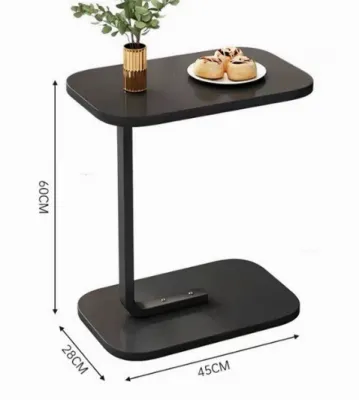
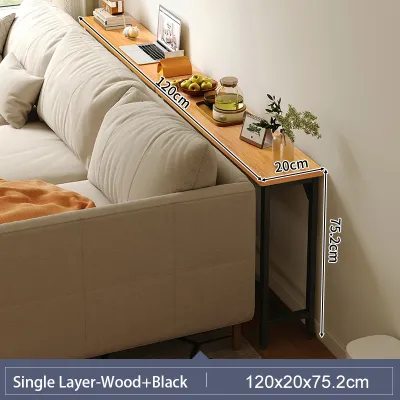
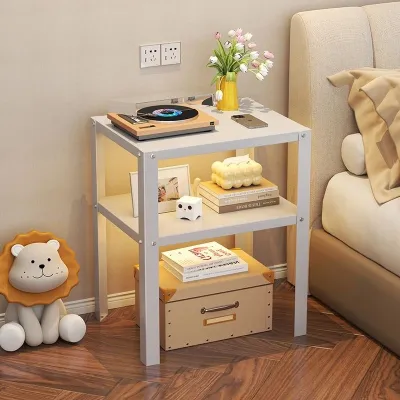
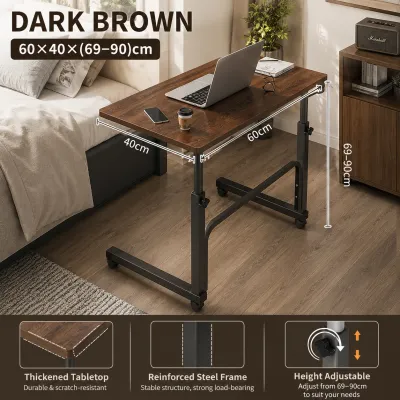
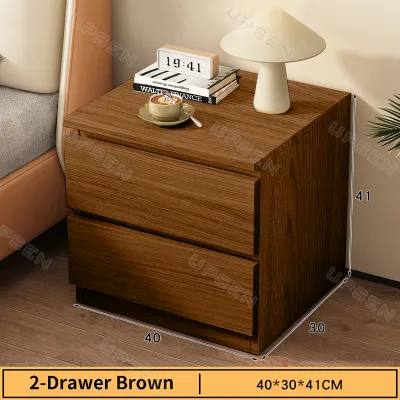
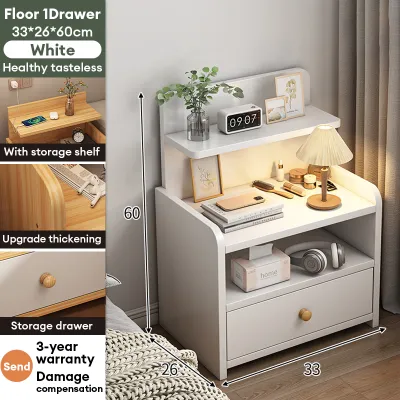
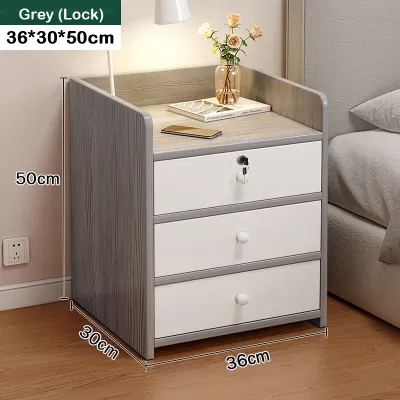
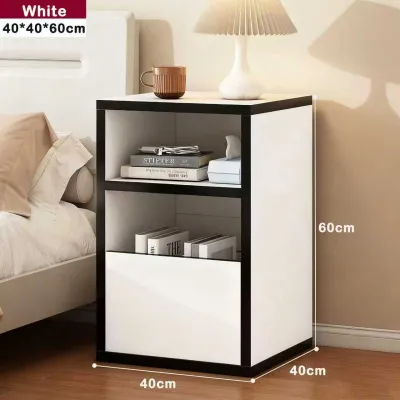
Prices are valid at publication and may change. Please refer to the product page for the latest price.
Mattress Height
To find the ideal height for your table, measure from the finished floor up to the very top of your mattress. Be sure to include any thick mattress toppers, protectors, or quilted bedding in this measurement, as they can add several centimeters to the overall height. Your target table height should align closely with this final number to ensure you can reach your belongings easily from a lying position.
Available Floor Width
Measure the clear horizontal gap between the edge of your bed frame and the nearest obstruction, whether that is a concrete wall, a wardrobe, or a window frame. In compact bedrooms, this clearance is often highly restricted. Ensure you measure at the floor level as well as halfway up the wall, as baseboards or uneven walls can slightly reduce the actual space available for furniture placement.
Clearance and Obstructions
Take note of any architectural elements that could interfere with your side table. Check the location of wall-mounted electrical outlets, light switches, and air conditioning units. You must also account for the swing radius of wardrobe doors, bedroom entry doors, and nearby windows. If your wardrobe has swing-out doors rather than sliding panels, open them fully to ensure they will not strike your prospective table.
Traffic Flow
Map out the walking paths you use daily, especially the route from the bed to the bathroom or the closet. A bedside table should never encroach on these pathways. Mark the footprint of your desired table on the floor using masking tape to visualize how much space will remain for walking, changing the bedsheets, and vacuuming.
Recommended Dimensions and Proportions for Compact Spaces
When floor space is limited, standard-sized bedside tables can quickly overwhelm a room. Understanding ergonomic guidelines and visual proportions will help you select a piece that functions beautifully without crowding your layout.

Height Alignment
For optimal ergonomics, the top surface of your side table should sit level with or up to 5 centimeters below the top of your mattress. If the table is too tall, you risk bumping your head or elbow when turning over in bed, and reaching up to turn off an alarm can strain your shoulder. If the table is too low, items become difficult to reach, and you may find yourself bending awkwardly out of bed to grab a glass of water.
Depth vs. Surface Area
To keep your bedroom pathways clear, opt for a shallow table depth of 30 to 35 centimeters. While a deeper table offers more surface area, it will protrude past the line of your bed frame, creating a physical and visual obstacle. You can compensate for a shallower depth by selecting a table with a clean, rectangular shape that maximizes usable surface area for your phone, spectacles, and a compact reading lamp.
Width Constraints
In tight layouts, look for tables with a narrow width of 30 to 40 centimeters. It is crucial to leave a small gap of about 5 centimeters between the side table and the bed frame. This breathing room prevents the furniture from looking wedged into place and gives you sufficient space to tuck in your bedsheets and blankets without scraping your knuckles against the table.
Visual Weight
In small rooms, the visual weight of a piece of furniture is just as important as its physical dimensions. Solid, boxy nightstands with heavy wood finishes block natural light and make a small room feel enclosed. To create an airy, spacious feel, choose tables with slim metal legs, open shelving, or light-colored finishes like natural rubberwood, pale oak, or powder-coated metal.
Space-Saving Side Table Styles for Small Bedrooms and Condos
Standard bedside cabinets are no longer the only option for modern homes. Innovative furniture designs allow you to enjoy the convenience of a bedside surface while preserving precious floor space.
C-Tables and Slide-Under Bases
C-shaped tables feature a cantilevered design with a flat base that slides directly under your bed frame. This allows the tabletop to hover over the edge of your mattress, bringing your items closer to you. Because the support structure tucks away underneath the bed, this style requires almost zero clearance on the side of the bed, making it an exceptional choice for ultra-narrow rooms.
Wall-Mounted and Floating Options
Floating shelves and wall-mounted drawers completely eliminate the need for legs, leaving the floor underneath entirely clear. This design trick visually expands the room by keeping the floor line unbroken. It also makes cleaning and mopping much easier, which is particularly beneficial in dusty or high-humidity environments. When installing floating furniture, always check your wall type; solid concrete walls require masonry wall plugs, while gypsum partition walls require specialized toggle bolts to handle the weight.
Drop-Leaf and Expandable Designs
If you occasionally need extra surface space for a laptop, a book, or a morning cup of coffee, look for tables with drop-leaf or extendable panels. These tables can remain folded down to maintain a slim, unobtrusive profile during the night, and can be easily flipped up or slid out when you need a temporary workspace or dining surface.
Multi-Functional and Storage Pieces
If your room lacks closet space, a side table with built-in storage can serve a double purpose. Look for narrow units that feature a single drawer at the top and an open shelf below. This combination allows you to conceal personal items and clutter in the drawer while keeping the overall look light and open. Before purchasing, verify that the drawer slides smoothly and has enough clearance to open fully without hitting the bed frame or nearby walls.
Common Sizing and Placement Mistakes to Avoid
Avoiding common layout pitfalls will save you time, money, and frustration. Keep these critical considerations in mind before making your final purchase.
Ignoring Baseboards and Moldings
Many homeowners measure the wall-to-wall distance but forget to account for baseboards and wall trim running along the floor. Baseboards can protrude by 1 to 2 centimeters, preventing a flat-backed side table from sitting flush against the wall. This gap can cause top-heavy tables to wobble, or cause small items to slip down behind the table. Look for tables with recessed back legs or floating designs to bypass this issue.
Blocking Pathways and Doors
Never prioritize a large bedside table over the ability to move freely around your room. If you must squeeze past the table to access your wardrobe, open a balcony sliding door, or enter the en-suite bathroom, the table is too large. Always prioritize a clear, safe walkway over extra tabletop space.
Choosing the Wrong Height
Buying a standard bedside table without measuring your specific bed setup is a frequent mistake. Low-profile platform beds or floor-level mattresses require much lower tables than traditional divans or beds with thick pocket-spring mattresses. If you use a mattress topper, remember that it will compress when you lie down, which can slightly alter your ergonomic reach line.
Overcrowding the Surface
Selecting a table that is too small for your daily items will lead to constant clutter, with phones and glasses easily knocked onto the floor. If you must use a very small table, free up valuable surface area by mounting your reading lights on the wall or attaching a clip-on lamp to your headboard, leaving the tabletop free for your absolute essentials.
Frequently Asked Questions (FAQ)
How much walking clearance should I leave between the side table and the wall?
For comfortable movement, you should ideally leave at least 60 centimeters of walking clearance in major pathways. In highly restricted bedroom layouts or compact studio apartments, you can reduce this clearance to a minimum of 45 to 50 centimeters. Anything less will force you to walk sideways and increase the risk of bumping into the corners of your furniture.
What if my bed frame is too low for standard side tables?
If you have a low-profile platform bed or a Japanese-style floor futon, standard side tables will be uncomfortably high. Instead, look for low-profile wooden stools, woven rattan floor trays, or solid wood blocks. Alternatively, you can install a custom floating shelf at the exact centimeter height of your mattress, ensuring a perfect ergonomic match.
Can I use a different piece of furniture instead of a traditional side table?
Yes, creative alternatives work wonderfully in tight spaces. You can use a slim metal plant stand, a narrow ladder shelf that utilizes vertical space, a minimalist wooden stool, or even a sturdy stack of hardback books. Wall-mounted fabric pocket organizers hung on the side of the bed frame are also excellent for holding phones, glasses, and tablets without using any floor space.
Community discussion
Share your experience or ask a question. Comments are reviewed before publication.