
Finding the right side table rack for a compact breakfast nook requires balancing storage needs with physical clearance. In tight dining spaces, a rack that is too large can block walkways, restrict chair movement, and make the area feel cramped. To maintain a comfortable and functional breakfast nook, the ideal side table rack should have a shallow depth—typically between 30 and 40 centimeters—and a height that aligns with your dining table or seating. By focusing on slender profiles, open shelving, and precise spatial measurements, you can introduce convenient storage for coffee makers, mugs, and linens without sacrificing valuable legroom or traffic flow.
Assessing Your Breakfast Nook Space
Before browsing online catalogs or visiting furniture showrooms, you must establish the exact physical limits of your breakfast nook. Begin by clearing the space and placing your dining table and chairs in their daily positions. Use a metal measuring tape to map out the floor area, as fabric tapes can sag and lead to inaccurate readings.
The most critical measurement is the clear floor area remaining when your dining chairs are fully pulled out. Pull each chair away from the table as if someone is preparing to stand up. Measure the distance from the back of the pulled-out chair to the nearest wall or obstruction. This dynamic footprint represents the actual space required for daily dining, which is significantly larger than the static footprint of the table alone.
Products mentioned in this guide
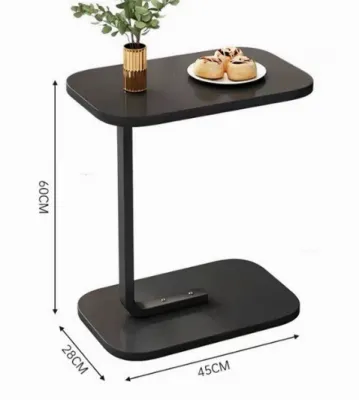
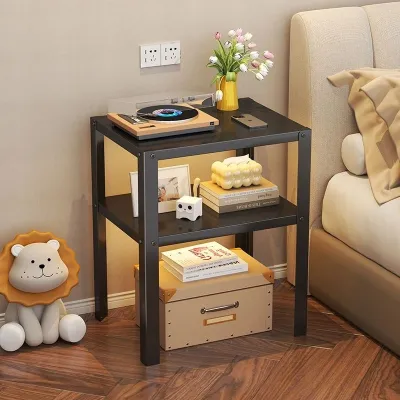
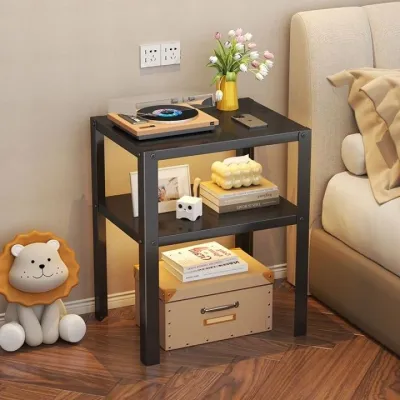
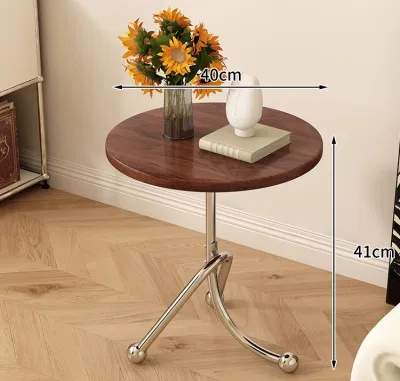
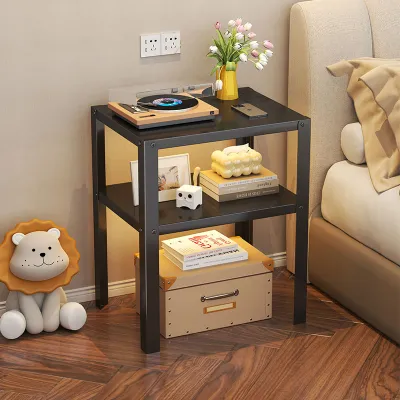
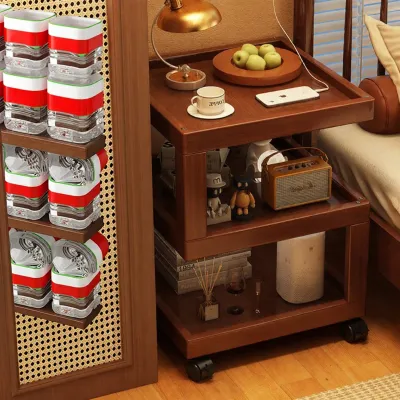
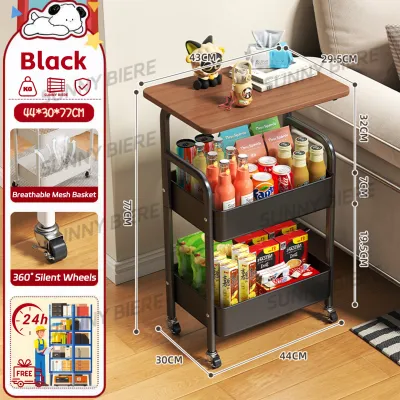
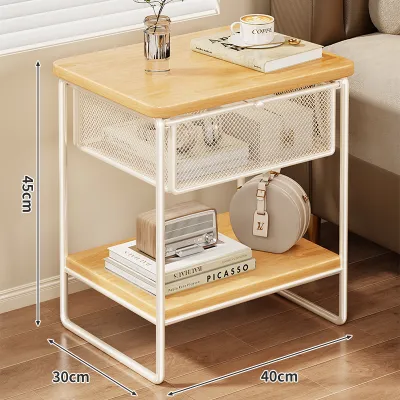
Prices are valid at publication and may change. Please refer to the product page for the latest price.
Next, calculate the clearance needed for comfortable walking paths. Standard ergonomic guidelines suggest leaving at least 60 to 90 centimeters of open space behind dining chairs for easy passage. If your breakfast nook sits along a primary household thoroughfare—such as the path between the kitchen and the living room—aim for the higher end of this range to prevent family members from bumping into anyone who is seated.
You must also identify fixed physical constraints that reduce your usable floor space. Look closely at the baseboards along the walls, as they can prevent a flat-backed rack from sitting flush against the wall, effectively adding a few centimeters to its depth. Take note of wall outlets, light switches, window sills, and door swings. In tropical climates like the Philippines, you should also account for the placement of wall-mounted fans or floor-standing cooling units, ensuring the side table rack does not block airflow or restrict access to electrical sockets.
Finally, consider the layout of the room’s corners. If your breakfast nook is tucked into an L-shaped corner booth or bench, the entry and exit points for diners are highly restricted. In these configurations, placing a side table rack right at the edge of the bench can trap diners or force them to squeeze past tight corners. Mark the entry paths clearly on your floor plan before deciding on a final placement.
Ideal Proportions and Dimensions to Look For
Once you have determined your maximum available footprint, you can translate these numbers into target dimensions for your side table rack. The height of the rack plays a major role in both physical comfort and visual harmony. For a seamless look, look for a rack that matches the height of your dining table—typically around 75 centimeters. This alignment creates a continuous visual plane, making the nook feel more organized and spacious.

If you plan to use the rack as a dedicated coffee station or prep surface, a slightly taller counter-height design of approximately 90 centimeters may be more practical. However, ensure that a taller rack does not overpower the dining table or block natural light from nearby windows. If your nook features bench seating with armrests, matching the rack’s height to the armrests can also create a clean, integrated appearance.
Depth is the most critical dimension when it comes to preventing physical crowding. Standard dining sideboards often feature depths of 45 to 50 centimeters, which are far too bulky for a small breakfast nook. Instead, limit your search to shallow side table racks with a depth of 30 to 35 centimeters. This slim profile provides ample surface area for a coffee brewer, a basket of pan de sal, or a stack of plates, while keeping the walkway clear.
In addition to physical dimensions, consider the visual weight of the furniture. Solid, dark wood cabinets can make a small corner feel enclosed and heavy. To maintain an airy, open atmosphere, prioritize racks with slender metal frames, light-colored finishes, or open wire shelving. Open designs also facilitate better air circulation, which is highly beneficial in warm, humid environments where stagnant air can make a small dining corner feel uncomfortable.
When evaluating materials, check for finishes that can withstand local environmental conditions. In humid regions, untreated wood or low-grade engineered boards can warp or absorb moisture over time. Look for powder-coated metal frames or solid wood units treated with moisture-resistant sealants. These choices ensure the rack remains stable and easy to clean, even when exposed to steam from hot morning coffee or humid air from open windows.
Space-Saving Side Table Rack Designs
Choosing the right style of side table rack can dramatically improve the functionality of your breakfast nook without occupying permanent floor space. One highly effective option is the C-table or slide-under rack. These innovative designs feature a cantilevered frame that allows the base to slide underneath a sofa, bench, or the edge of your dining table. This allows the top surface to hover directly over the seating area when needed, and tuck away neatly when not in use.
Another versatile solution is a tiered rolling cart. Equipped with caster wheels, these mobile racks can serve as a temporary breakfast station during morning meals and then be rolled away to a corner or an adjacent kitchen wall afterward. When shopping for a rolling cart, verify that the wheels feature reliable locking mechanisms to keep the cart stable during use, and check that the wheel material is safe for your specific flooring, such as delicate tiles or wood laminates.
For nooks with extremely limited floor space, wall-mounted racks or drop-leaf side tables offer an excellent alternative. A wall-mounted rack frees up floor space entirely, making it easier to sweep and mop. However, before purchasing a wall-mounted unit, you must verify your wall structure. Concrete or solid masonry walls can support heavier loads when paired with the correct masonry plugs and screws, whereas drywall installations require locating wall studs or using specialized hollow-wall anchors. Always check the manufacturer’s specified weight limits to ensure the shelf can safely support your kitchen appliances.
Drop-leaf designs provide the ultimate flexibility for multi-use spaces. These racks feature a hinged surface that can be raised to provide extra counter space during breakfast and folded down flush against the frame when the meal is over. This design is particularly useful in multi-functional condo units where the breakfast nook might double as a workspace or study area during the day.
Common Sizing and Placement Mistakes
A frequent mistake when furnishing a small breakfast nook is relying solely on static measurements. Homeowners often measure their space with the chairs pushed completely under the table, leading them to buy a side table rack that fits perfectly on paper but blocks the chairs from being pulled out in reality. Always test your layout by physically simulating daily movements before making a purchase.
Another common error is choosing a rack with a deep top surface or protruding hardware. Even a minor protrusion of five centimeters can turn a functional walkway into a tight squeeze, resulting in bumped hips, stubbed toes, or spilled coffee. Look for streamlined designs with recessed handles or handle-free magnetic latches to minimize physical hazards in high-traffic zones.
Ignoring the visual impact of solid, bulky materials is another pitfall. A heavy, dark cabinet placed in a small corner blocks natural light and makes the entire dining area feel smaller than it actually is. If you must use a closed storage unit, look for models with glass-front doors or light-colored finishes to soften the visual impact.
Finally, do not underestimate the impact of visual clutter. A side table rack packed with tightly packed items can make a small nook feel chaotic, even if the physical dimensions are correct. Opt for racks that offer a mix of open shelves and small drawers or baskets to conceal smaller items. Keeping the top surface relatively clear will help maintain a relaxing, inviting atmosphere for your morning routine.
Frequently Asked Questions (FAQ)
Can a side table rack replace a traditional dining sideboard?
A side table rack can serve as an excellent alternative to a traditional sideboard in a small breakfast nook, but it does have functional limitations. Traditional sideboards offer extensive closed storage, deep drawers, and a large surface area suitable for heavy serving platters and complete dinnerware sets. In contrast, a side table rack is designed for essential, everyday items. It typically features a lighter weight capacity and a shallower depth, making it ideal for holding a coffee maker, a few mugs, and daily linens, rather than storing heavy heirloom china or large kitchen appliances.
How much clearance should I leave between the rack and the dining chairs?
To ensure comfortable movement, you should aim for a minimum clearance of 60 centimeters between the edge of the side table rack and the back of your dining chairs when they are in use. If the space serves as a primary walkway, increase this clearance to 90 centimeters. A practical way to verify this layout before buying is to use masking tape on your floor. Outline the exact dimensions of the prospective side table rack on the floor and practice sitting, standing, and walking around the nook to ensure the setup feels natural and unrestrictive.
Community discussion
Share your experience or ask a question. Comments are reviewed before publication.