
Finding the right small center table for a compact condominium living room requires balancing surface utility with open floor space. The ideal center table should measure approximately two-thirds of your sofa’s total length, stand level with or up to two inches below your sofa cushions (usually 16 to 18 inches high), and leave a clear 14 to 18 inches of legroom on all sides. Squeezing a massive coffee table into a limited floor plan blocks traffic, while an undersized table looks disconnected and functions poorly.
To achieve a layout that feels both open and highly functional, you must look beyond aesthetics and focus on precise physical dimensions. By aligning your table choice with your existing seating and room layout, you can create a comfortable, cohesive space that maximizes every square inch of your home.
Core Proportions: Sizing Your Small Center Table
Achieving visual harmony in a compact living area depends on how your furniture pieces relate to one another. The height of your small center table plays a vital role in both comfort and accessibility. As a general rule, the tabletop should stand level with or slightly below the top of your sofa’s seat cushions. This typically translates to a height of 16 to 18 inches. A table within this height range allows you to reach for drinks, books, or remote controls naturally without straining or bending forward excessively.
Products mentioned in this guide
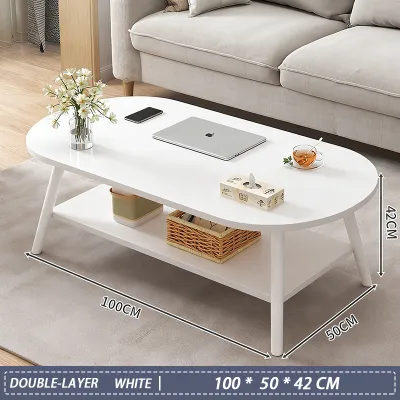
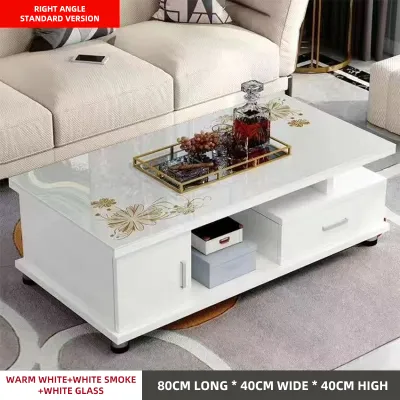
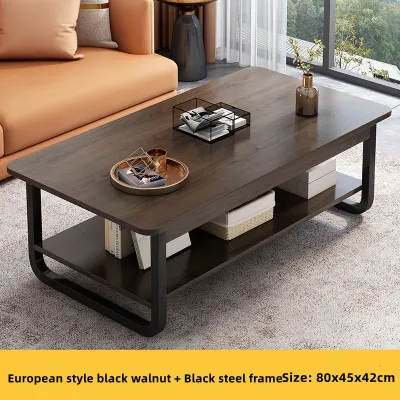
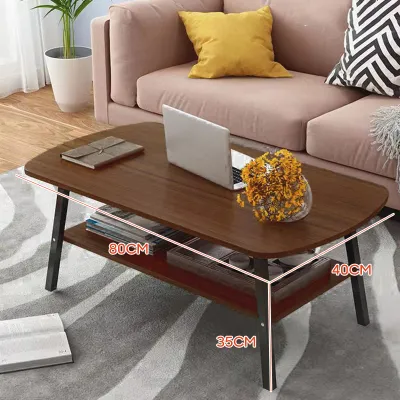
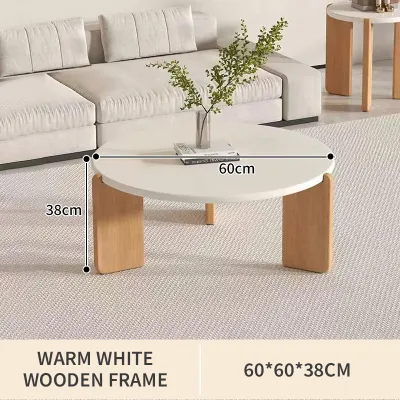
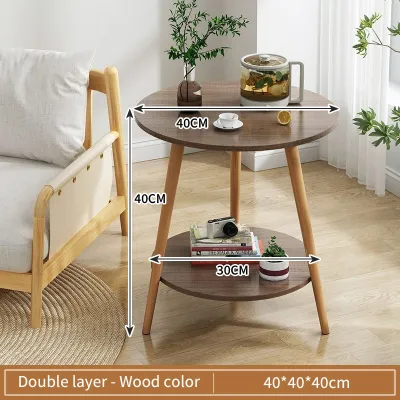
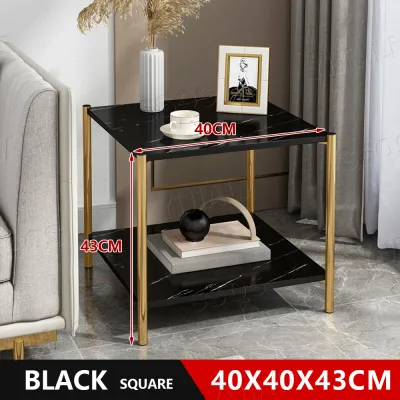
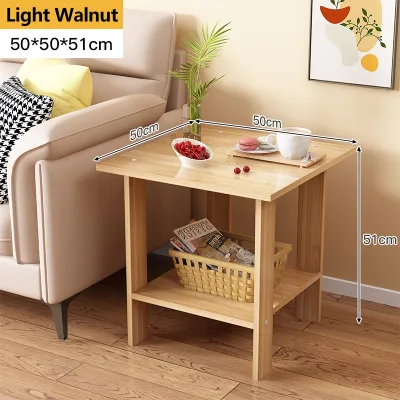
Prices are valid at publication and may change. Please refer to the product page for the latest price.
In terms of length, a center table should span roughly two-thirds the length of the sofa it faces. For example, if you own a compact 60-inch sofa, a table length of approximately 40 inches is ideal. Maintaining this proportion ensures the table is long enough for everyone seated to access it easily, while leaving enough open space on either side to prevent the seating area from looking cramped or crowded.
The distance between your sofa and the table is another critical factor. You should maintain a clearance of 14 to 18 inches between the front edge of the sofa cushions and the edge of the table. This gap provides sufficient legroom for comfortable sitting and standing, while keeping the tabletop within an easy arm’s reach. If you reduce this clearance below 14 inches, you risk bumping your knees every time you sit down or stand up.
Measuring Your Compact Living Room for the Perfect Fit
Before browsing online catalogs or visiting local showrooms, you must take accurate physical measurements of your living room. Start by measuring the total available floor footprint. Do not simply measure the empty space in the center of the room; instead, plot out the exact dimensions of your sofa and your TV stand or media console first. The remaining open floor area between these two major pieces of furniture is the actual zone where your center table will sit.

Next, identify the primary traffic paths through your living room. For a space to feel comfortable and easy to navigate, main walkways require a minimum clearance of 24 to 30 inches. If the path from your kitchen to your balcony runs directly past the sofa, placing a wide center table in that path will force family members and guests to walk sideways. Ensuring a clear, unobstructed path is essential for maintaining a relaxed home environment.
Condo living often presents unique architectural constraints that you must factor into your measurements. Pay close attention to door swings, including entry doors, bedroom doors, and sliding balcony doors. A center table that is too wide or positioned too close to a door can prevent it from opening fully. Additionally, consider the location of wall-mounted air conditioning units; you will want to avoid placing delicate wood tables directly beneath an AC unit where condensation drips or intense, dry airflow could affect the material over time.
Finally, remember to measure your condo’s entryways, service elevators, and stairwells. Even if a table fits perfectly in your living room, it must first survive the journey up to your unit. Check the maximum clearance heights of your building’s elevators and the width of your main door frame to ensure a smooth, hassle-free delivery process.
Ideal Dimensions Based on Your Sofa Size
The size of your sofa is the most reliable guide for choosing the specific dimensions of your small center table. Different seating configurations require different table profiles to maintain balance.
For Two-Seater or Loveseat Sofas
For studio apartments or cozy one-bedroom condos, a two-seater sofa or loveseat is often the primary seating option. To complement this setup, look for a small center table with a length of 30 to 36 inches and a width of 18 to 22 inches. This compact size range provides enough surface area for daily essentials without dominating the limited floor space.
Buying an oversized or excessively deep table for a loveseat will quickly overwhelm the room’s visual scale. A table that is too wide will extend past the sides of the sofa, disrupting the balance of the seating arrangement and making the entire living area feel cluttered. Keeping the table narrow and proportional to the loveseat preserves precious floor space and maintains a clean, open look.
For Compact Three-Seater or L-Shaped Sectionals
If your condo features a slightly larger layout with a compact three-seater sofa or an L-shaped sectional, you have a bit more flexibility. For these configurations, a center table length of 36 to 48 inches is generally recommended. This length ensures that people sitting on either end of the sofa can still reach the table comfortably.
The shape of your seating should influence the shape of your table. Rectangular tables are highly effective for standard, linear three-seater sofas because they mirror the long, straight lines of the seating. For L-shaped sectionals, however, a square or round table is often a better choice. These shapes fit snugly into the corner nook created by the chaise lounge, anchoring the space and providing equal access from both sides of the “L” shape.
Regardless of the shape you choose, try to keep the table’s width under 24 inches. Keeping the width narrow is a simple yet effective way to preserve valuable floor space in the center of the room, allowing for easier movement around the sectional without sacrificing surface utility.
Space-Saving Shapes and Designs for Small Condos
The design and shape of your center table can dramatically alter the perception of space in a small room. Choosing the right style can make a tight area feel surprisingly open and airy.
Round and oval tables are highly recommended for compact condo living. By eliminating sharp, protruding corners, these rounded shapes allow for smoother traffic flow and reduce the risk of painful bumps in tight quarters. They are especially beneficial if you frequently host guests, as people can easily navigate around the table without having to squeeze past rigid edges.
Nesting tables offer incredible spatial flexibility for small homes. These sets consist of two or three tables of varying heights that slide completely underneath one another when not in use. During your daily routine, you can keep them tucked away to maximize open floor space. When you have guests over or need extra surface area for a casual dinner, you can easily slide them out to expand your usable space.
Visual weight is another crucial design element to consider. Heavy, solid-block wooden tables block light and can make a small room feel dark and restricted. To combat this, look for tables made with glass or acrylic tops, or designs featuring slender, elevated legs. These open-frame structures allow light to pass through and keep the floor visible, which visually expands the room and makes the entire living area feel lighter and more spacious.
Common Sizing Mistakes That Make Small Rooms Feel Cramped
Avoiding common sizing pitfalls is key to ensuring your living room remains both functional and visually appealing. One of the most frequent mistakes is choosing a table that is either too high or too low. A table that sits higher than your sofa cushions can feel like an awkward barrier, while a table that is too low makes reaching for items uncomfortable. Always double-check your sofa’s seat height before finalizing a purchase.
Another common error involves the relationship between the center table and the living room rug. In small spaces, a tiny area rug can make the entire room feel disjointed. If you use a rug, it should be large enough that at least the front legs of your sofa and all legs of your center table sit comfortably on top of it. If your rug is too small, it can force you to buy an impractically tiny table just to keep all the legs grounded on the rug surface.
Finally, be careful not to block access to essential features of your condo. A table that is too deep can easily obstruct the sliding tracks of balcony doors, prevent the smooth opening of TV console drawers, or block access to built-in storage cabinets. Always test the clearance of all nearby drawers and doors to ensure your new table does not interfere with the daily functionality of your home.
Frequently Asked Questions (FAQ)
Can I use a side table as a center table in a very small living room?
Yes, using a larger side table or a pedestal table as a center table is a highly practical solution for extremely tight spaces, such as micro-studios. If you choose this route, ensure the table meets the standard height and clearance requirements of your seating. You should also carefully check the table’s stability and weight capacity. Because side tables often have a smaller base, they can be more prone to tipping over if they are loaded with heavy items like laptops, books, or multiple beverages.
What should I check regarding materials for a condo center table?
When selecting a table, always check the manufacturer’s specifications and care labels, particularly for moisture resistance and maintenance. In the humid tropical climate of the Philippines, humidity levels can cause untreated wood to warp or metal frames to rust over time. Verify the specific surface treatments and cleaning instructions provided by the manufacturer rather than assuming a material name guarantees durability. Opt for sealed finishes that can withstand condensation from cold drinks and are easy to wipe clean.
Community discussion
Share your experience or ask a question. Comments are reviewed before publication.