
Finding the ideal sofa edge table requires balancing your seating dimensions, available floor space, and daily lifestyle needs. To keep your living room functional and visually balanced, choose a table with a height that sits level with or up to 2 inches (5 centimeters) below your sofa’s armrest. For width and depth, most standard spaces require a surface measuring between 12 to 24 inches (30 to 60 cm) on each side. This ensures your drinks, books, or devices remain within comfortable reach without crowding your walkways.
In the Philippines, where living rooms range from compact high-rise condominiums in urban centers to spacious, open-plan homes, selecting the right furniture proportions is particularly important. High humidity and tropical temperatures mean that keeping a room feeling open and well-ventilated is essential for comfort. A properly sized edge table provides necessary surface utility while preserving the physical and visual airflow of your home.
Quick Sizing Rules for Sofa Edge Tables
When you need a quick reference before shopping, keeping a few standard dimensions in mind will prevent major layout mistakes. The height of your sofa edge table should closely match the height of your sofa’s armrest, which typically falls between 18 to 24 inches (45 to 60 cm) from the floor. Choosing a table within this range ensures you can set down a glass or pick up a remote control without straining your shoulder or bending uncomfortably.
Products mentioned in this guide
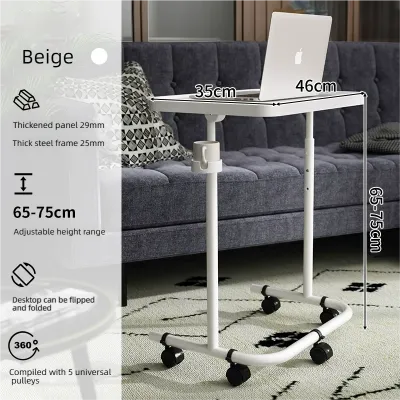
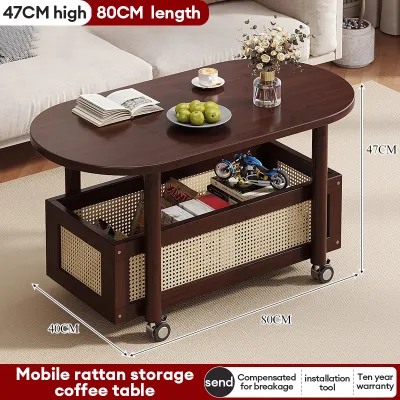
Prices are valid at publication and may change. Please refer to the product page for the latest price.
For the tabletop footprint, standard square, round, or rectangular edge tables generally measure 12 to 24 inches (30 to 60 cm) in both width and depth. If your living room features a smaller two-seater sofa, aim for the lower end of this range to keep the furniture in proportion. For large sectionals or three-seater sofas, a wider table on the higher end of the scale provides the necessary visual weight to anchor the seating arrangement.
Finally, never sacrifice movement for convenience. To maintain a natural traffic flow through your living room, ensure there is a clearance of at least 30 to 36 inches (76 to 91 cm) along any major walkways adjacent to the table. In tighter spaces, this clearance can be compressed slightly, but keeping pathways open prevents accidental bumps and preserves a relaxed, spacious atmosphere.
How to Measure Your Sofa and Floor Space
Before browsing online marketplaces or visiting local showrooms, taking precise measurements of your existing setup is the most reliable way to avoid buying a table that is either too small to be useful or too large for your room. Grab a reliable measuring tape and follow these structural steps to evaluate your space.

First, measure your sofa’s key dimensions. Start by measuring the vertical distance from the floor to the very top of the sofa armrest. This is your target table height. Next, measure the overall width of the sofa from outer arm to outer arm, as well as the seat depth from the back cushion to the front edge. These proportions dictate how wide and deep your table should be to look balanced.
Second, measure the physical floor space beside the sofa where the table will stand. Account for baseboards, wall trims, floor-length curtains, and adjacent items like standing fans, air conditioning units, or floor lamps. Ensure you leave at least a 1-inch (2.5 cm) buffer zone between the table and the sofa frame to prevent the materials from rubbing against each other, which can wear down fabric or scratch wood finishes over time.
Third, check your home’s entry points and delivery paths. In many Philippine residential structures, particularly high-rise condominiums or multi-story townhouses, tight elevators, narrow stairwells, and sharp hallway corners present serious delivery challenges. Measure the clearance heights and widths of your main entrance door, elevator doors, and any corridors the furniture must pass through. If your chosen table arrives fully assembled, you must be certain it can navigate these tight spots safely.
Matching Table Dimensions to Your Sofa Size
A successful living room layout relies heavily on the concept of visual weight. Large, heavy furniture pieces require accessories that can hold their own visually, while delicate, minimalist seating looks best when paired with lighter, sleeker companions. Your sofa edge table should complement, rather than compete with, the scale of your primary seating.
In the tropical Philippine climate, material selection also plays a role in how a table’s dimensions perform over time. Solid wood tables with thick legs carry significant visual weight but must be checked for high-quality joinery and moisture-resistant finishes to prevent warping or cracking during the humid monsoon season. Metal-framed tables with glass or stone tops offer a lighter visual footprint, making them excellent choices for balancing heavier upholstered sofas without blocking natural light.
Sizing for Compact and Two-Seater Sofas
For compact two-seater sofas, loveseats, or apartment-sized seating, look for slender tables that maximize utility while occupying minimal floor space. A table width of 12 to 16 inches (30 to 40 cm) and a depth of 14 to 18 inches (35 to 45 cm) will generally provide enough surface area for a cup of coffee and a phone without overwhelming the small scale of the sofa.
Space-saving designs are highly beneficial in these layouts. Consider a C-table, which features an asymmetrical base designed to slide underneath the sofa frame, allowing the tabletop to hover directly over the armrest or seat cushion. This design eliminates the need for dedicated floor space beside the sofa, making it ideal for tight condo living. Alternatively, nesting tables offer a flexible solution, allowing you to pull out a secondary, smaller table when hosting guests and slide it back underneath the main table when you need to clear the floor. When choosing these lightweight designs, check the stability of the base and ensure the load capacity is sufficient to prevent tipping, especially on tiled or polished vinyl floors.
Sizing for Standard and Sectional Sofas
Standard three-seater sofas and expansive sectional configurations require more substantial edge tables to balance their larger physical presence. For these setups, look for tables with a width of 18 to 24 inches (45 to 60 cm) and a depth of 20 to 24 inches (50 to 60 cm). A table that is too small next to a large sectional will look lost and insignificant, failing to provide a functional surface for those seated further from the center.
Height matching is particularly critical for deep-seat sectionals or sofas with high, padded armrests. If your sectional has deep cushions, a slightly wider and deeper table ensures that anyone sitting back in the corner can easily reach the surface. Ensure the table is stable and robust; heavier materials like solid teak, mahogany, or powder-coated steel bases work well to anchor the ends of large seating arrangements. If the table is positioned at the open end of a sectional chaise, ensure its depth does not protrude past the chaise’s edge, which can disrupt the clean lines of your room layout.
Clearance and Walkway Rules to Prevent Overcrowding
Even the most beautiful sofa edge table can become a daily frustration if it blocks your movement or makes your living room feel cramped. To maintain a comfortable, functional environment, you must adhere to standard clearance and traffic flow guidelines.
Start by evaluating the distance between your edge table and other furniture pieces. If you have a central coffee table, maintain at least 18 inches (45 cm) of space between its outer edge and the side of your sofa edge table. This gap prevents the room from looking cluttered and allows you to easily step between the pieces when sitting down or standing up. For main walkways where family members walk frequently, aim for a clearance of 30 to 36 inches (76 to 91 cm). If your living room is narrow, you may need to choose a slim-profile table to preserve this essential walking space.
The design of the table’s base significantly influences both physical footroom and the visual perception of space. A pedestal base features a single central support, providing excellent footroom and making it easier to clean the surrounding floor. However, you must verify that the pedestal base is heavy and stable enough to prevent tipping if bumped. A traditional four-legged base offers excellent stability but can occasionally catch power cords or restrict vacuum access. Flat or sled bases, common on C-tables, slide easily under furniture frames but require you to check the bottom clearance of your sofa to ensure they fit. In Philippine homes, where tiled, marble, or polished concrete floors are frequently swept and mopped to manage dust, choosing a base design that allows easy cleaning access will save you time and effort.
Common Sizing Mistakes to Avoid
Avoiding common layout and purchasing mistakes will save you the hassle of returning a product or living with an awkward setup. One of the most frequent errors is choosing a table with an incorrect height. A table that is too high blocks sightlines across the room and can cause physical strain when you reach up to grab an item. Conversely, a table that is too low requires you to bend down excessively, increasing the risk of spilling hot drinks or dropping fragile items.
Another common mistake is ignoring the table’s overall depth. A table that is too deep will protrude past the front of the sofa armrest. This not only looks unbalanced but also creates a sharp corner that is easy to bump into, especially in low-light conditions. Furthermore, if you have a motion sofa with reclining seats or a pull-out sofa bed, an overly deep edge table can obstruct these mechanisms, preventing you from fully utilizing your furniture’s features.
Finally, do not focus solely on the dimensions of the tabletop while ignoring the physical footprint of the base. Some tables feature splayed, angled, or tripod legs that extend far beyond the width of the tabletop itself. While these designs offer excellent stability, the protruding legs can easily become tripping hazards in high-traffic areas. Always check the manufacturer’s specifications for the maximum width at the widest point of the legs to ensure the entire structure fits safely within your measured floor space.
Frequently Asked Questions (FAQ)
Finding the right balance for your living room often involves unique layouts or specific design challenges. Below are answers to some of the most common questions about selecting and positioning a sofa edge table.
Can a Sofa Edge Table Be Taller Than the Armrest?
Generally, it is best to avoid tables that are taller than your sofa’s armrest because they can disrupt the visual flow of the room and make reaching for items awkward. However, there are a few exceptions. If you plan to place a specific reading lamp on the table that requires extra height to cast light effectively, a slightly taller table can work. Additionally, if you use an adjustable-height C-table as a temporary standing desk or laptop workstation, the extra height is functionally justified.
What Shape Works Best for Narrow Living Rooms?
In narrow living rooms, round or oval tables are highly recommended because they lack sharp corners, making them much safer and easier to navigate around in tight walkways. They also help soften the rigid lines of a long, narrow room. However, if you need to maximize every square inch of surface area, a slim rectangular or square table is highly efficient because it can be pushed completely flush against a wall or the side of your sofa, eliminating wasted corner space.
Community discussion
Share your experience or ask a question. Comments are reviewed before publication.