
Quick Answer: Ideal Sofa Sizes for a Family of 3 to 5
Finding the perfect homemaker furniture for a growing household starts with the living room’s centerpiece. For a family of three to five, choosing a sofa size is a balancing act between seating capacity and available floor space. While a standard three-seater sofa works well for three people, it quickly becomes cramped when accommodating four or five. To keep everyone comfortable, a four-seater, an L-shaped sectional, or a flexible modular sofa is the most practical choice for larger households. The ideal selection depends on both your family’s daily habits and the physical limitations of your room.
For a family of three, a spacious three-seater (typically measuring between 70 to 85 inches in width) provides ample room for daily lounging. However, if your household has four or five members, attempting to share a standard three-seater will compromise personal space and comfort. In these scenarios, upgrading to a four-seater sofa or an L-shaped sectional is highly recommended. These configurations offer dedicated seating zones and often include a chaise lounge, allowing multiple family members to stretch out simultaneously. If your living room features an unconventional layout, modular systems offer the best versatility, letting you scale your seating up or down as your living situation evolves.
Comparing Homemaker Furniture: Sofa Configurations for Family Comfort
When shopping for homemaker furniture, understanding how different sofa configurations translate to real-world comfort is essential. Seating capacity labels like “3-seater” or “4-seater” are helpful starting points, but they do not tell the whole story. The actual comfort of your family depends on the sofa’s configuration, cushion depth, armrest design, and overall layout. By evaluating how each style functions in a shared space, you can choose a piece that supports both quiet afternoons and busy family gatherings.
Products mentioned in this guide
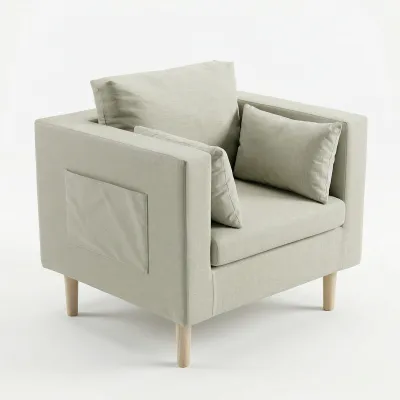
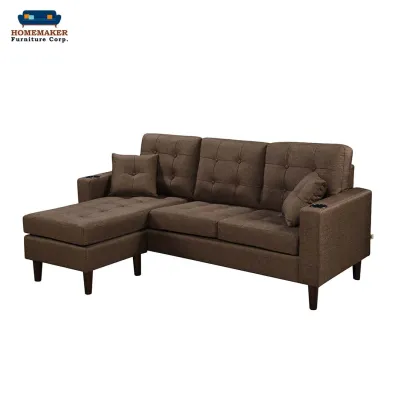
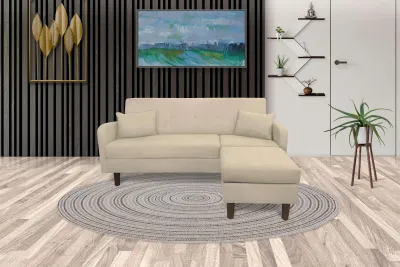
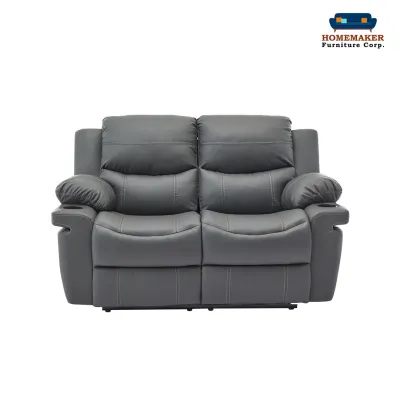
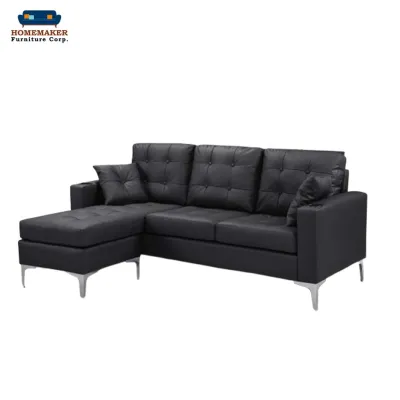
Prices are valid at publication and may change. Please refer to the product page for the latest price.

3-Seater Sofas: Best for Families of 3
A standard three-seater sofa is a classic choice that fits comfortably into most residential layouts. For a family of three, this size provides a balanced setup where each person has a dedicated seat cushion. However, if your household grows or you frequently host guests, a three-seater will quickly reveal its limitations. Squeezing four or five individuals onto three cushions leads to cramped shoulders and restricted movement, which can accelerate wear on the cushions and frame.
When evaluating three-seaters, it is critical to look beyond the exterior dimensions. Many manufacturers include wide, rolled armrests that can eat up to 10 inches of usable seating space on either side. Instead, check the interior seat width—the distance between the inside of the armrests—to ensure there is enough room for three people to sit comfortably. Additionally, consider the cushion depth; a depth of 20 to 22 inches is standard for upright sitting, while a depth of 23 inches or more is better suited for families who prefer to lean back and lounge.
4-Seater and L-Shaped Sectionals: The Family Sweet Spot
For households with four to five members, a four-seater sofa or an L-shaped sectional represents the ideal sweet spot. These configurations provide enough individual seating space for everyone to gather without feeling crowded, making them excellent choices for family movie nights or weekend relaxation. The physical presence of an L-shaped sectional also helps define the living area in open-concept homes, creating a cozy, designated zone for family interaction.
One of the primary benefits of an L-shaped sectional is the inclusion of a chaise lounge extension. This elongated section allows one person to lie down completely while others remain seated comfortably. When selecting a sectional, pay close attention to the orientation of the chaise (left-facing versus right-facing) to ensure it does not block natural walkways or entryways. If your family prefers a traditional straight sofa, a four-seater with a clean, low-profile design can offer similar seating capacity while maintaining a more formal aesthetic in your living room.
5-Seater and Modular Sofas: For Larger Spaces and Flexible Needs
If you have a family of five or regularly entertain extended family, a five-seater or modular sofa configuration offers the ultimate seating solution. Traditional, straight five-seater sofas are available, but they require a significant amount of uninterrupted wall space. Because these pieces are exceptionally long, they can easily dominate a room visually and make smaller spaces feel restricted and unbalanced.
Modular sofas solve this issue by breaking the seating down into individual, moveable sections. This design allows you to configure the sofa into a U-shape, an extended L-shape, or even separate the pieces into individual armchairs when hosting guests. For a growing family, modular furniture offers the flexibility to purchase additional middle seats or corner units as your budget and space allow. When choosing a modular setup, verify the locking mechanisms between the sections to ensure they remain securely fastened together during daily use, preventing the individual modules from sliding apart on smooth flooring.
How to Measure Your Living Room and Delivery Access
Before purchasing any large piece of furniture, taking accurate measurements of your living room and all delivery pathways is the most critical step. A sofa that looks perfectly proportioned in a spacious showroom can easily overwhelm a standard residential living room or, worse, fail to fit through your front door. To avoid delivery day disasters, follow a systematic approach to measuring your home’s physical spaces.
First, measure the length, width, and ceiling height of the room where the sofa will be placed. Once you have these dimensions, map out the required clearances for daily movement. For comfortable traffic flow, maintain a walkway of at least 18 to 24 inches around the sofa. If the sofa is positioned in the center of the room, ensure there is sufficient space behind it to walk comfortably without bumping into walls or other furniture. Additionally, measure the distance between the sofa and your television; a standard distance of 6 to 10 feet is recommended for optimal viewing comfort, depending on the size of your TV screen.
Next, plan the delivery route from the street to the living room. Measure the width and height of all entryways, doorways, hallway corners, stairwells, and elevator cabins. Pay close attention to low-hanging light fixtures or tight turns in corridors that could obstruct a long sofa frame. If your building has a small elevator, you may need to opt for a modular sofa or a model with removable legs to ensure it can be transported to upper floors.
To visualize how the sofa will fit in your space, use painter’s tape to outline the exact footprint of the couch on your living room floor. This simple exercise allows you to walk around the simulated sofa, check clearances, and assess how the piece will interact with existing furniture. If tape is not available, laying down flattened cardboard boxes cut to the sofa’s dimensions can provide an excellent three-dimensional sense of the scale and height of the piece.
Aligning Sofa Size With Your Family's Daily Habits
The right sofa size is not determined by numbers alone; it must also align with your family’s daily lifestyle and the unique environment of your home. How your family uses the living room on a daily basis should heavily influence both the size and the structural features of the sofa you select.
If your family’s primary activity is watching movies or playing video games together, prioritizing deep seats and plush cushioning is essential. In this scenario, a deep-seated sectional with a chaise or an integrated recliner provides the comfort needed for extended periods of sitting. Conversely, if your living room doubles as an active play area for young children, preserving open floor space is often more important than maximizing sofa size. A compact three-seater paired with lightweight, moveable floor cushions or ottomans can provide flexible seating without cluttering the play zone.
For households with pets or young children, durability and ease of maintenance are paramount. Larger sofas have more fabric surface area, which means more maintenance over time. When selecting upholstery, consult the manufacturer’s care instructions and look for tightly woven, stain-resistant fabrics that can withstand daily wear.
Living in a tropical climate like the Philippines introduces additional environmental considerations. High humidity and warm temperatures mean that heavy, non-breathable fabrics like dense velvet or low-grade synthetic leathers can become uncomfortable and sticky during the warmer months. Instead, look for sofas upholstered in breathable fabrics such as linen blends or performance cottons that promote airflow. Additionally, ensure the size and placement of your sofa do not obstruct the natural air circulation in the room, keeping it clear of air conditioning vents, standing fans, or windows to maintain a cool and comfortable living environment.
Common Sizing and Placement Mistakes to Avoid
Avoiding common pitfalls during the selection process can save you from long-term frustration and costly return fees. One of the most frequent mistakes is ignoring the “visual weight” of the sofa. A heavily padded, dark-colored sofa with high, thick armrests can make a medium-sized room feel incredibly cramped and dark, even if the physical dimensions technically fit the space. If your living room is on the smaller side, opt for a sofa with raised legs, slim armrests, and a lighter color palette to create an open, airy feel.
Another common error is failing to account for armrest width when calculating seating space. A 90-inch sofa with 10-inch armrests on each side only provides 70 inches of actual seating area, which may not be enough for a family of four or five to sit comfortably. Always verify the interior seat width before making a purchase. Finally, avoid placing a large sofa in a position that blocks natural light from windows or cuts off major pathways. A sofa should enhance the flow of your home, not act as a barrier that family members must constantly navigate around.
Frequently Asked Questions (FAQ)
How much space should be left between the sofa and the coffee table?
For comfortable legroom and easy movement, leave a clearance of 14 to 18 inches between the edge of your sofa cushions and the coffee table. This distance allows family members to sit and stand easily while keeping drinks, remote controls, and books within comfortable arm’s reach.
Is a modular sofa better than a fixed 4-seater for a growing family?
A modular sofa offers superior flexibility for growing families, allowing you to add seats or rearrange configurations as your household size or living space changes. However, fixed four-seater sofas are often more structurally rigid, require less alignment maintenance, and typically offer a more cost-effective upfront investment.
How do I know if a large sofa will fit through my door?
To ensure a large sofa will fit, measure its diagonal depth—the measurement from the top back of the frame to the bottom front of the armrest. Compare this measurement to the clearance width of your doorways, hallways, and stairwells, ensuring the entry points are wider than the sofa’s diagonal depth.
Community discussion
Share your experience or ask a question. Comments are reviewed before publication.