
Finding the right steel rack shelves for your new home is a balancing act between your physical floor plan and the items you need to store. Whether you are unpacking moving boxes or setting up a dedicated pantry, selecting the correct dimensions ensures your storage remains safe, accessible, and organized. The ideal shelf size depends on your available floor area, ceiling height, and the specific weight of your belongings.
Assess Your Available Space and Clearance Requirements
Measuring the designated storage area is the first critical step. Use a reliable tape measure to record the exact width, depth, and height of the space. Do not rely on visual estimates, as even a few centimeters of error can prevent a metal frame from fitting into a tight alcove or corner. Remember to account for permanent fixtures such as light switches, wall outlets, window frames, and overhead pipes that might obstruct the rack.
Moving the shelving unit into its final position requires careful path planning. Measure the width of your doorways, the clearance of hallway turns, and the height of staircases. If you are purchasing a heavy-duty unit that arrives flat-packed, ensure you have enough physical space in the room to lay out the parts and assemble them safely. If the unit is pre-assembled, verify that it can clear every doorway and low ceiling along the route from your entryway to the storage room.
Products mentioned in this guide
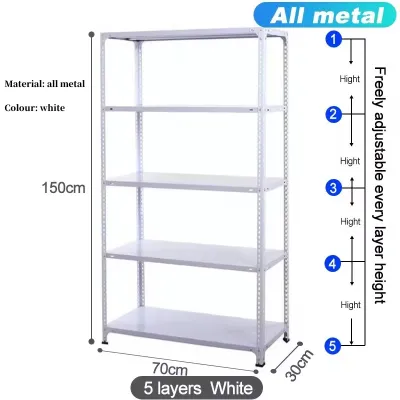
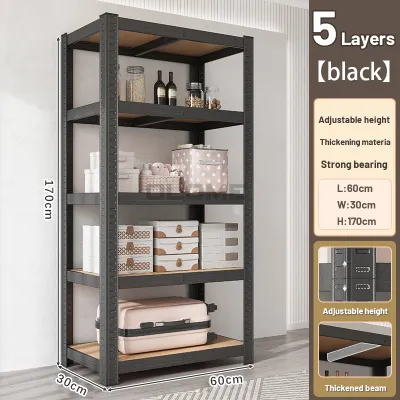
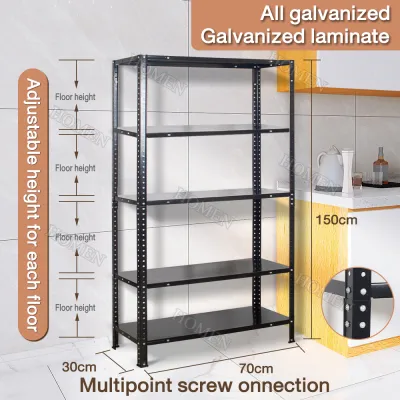
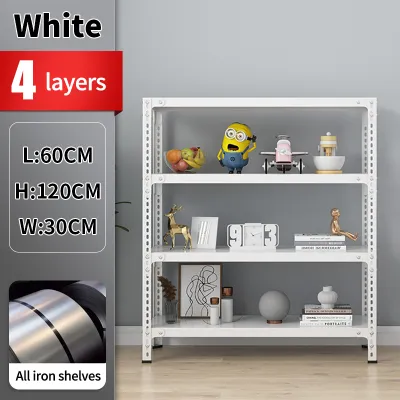
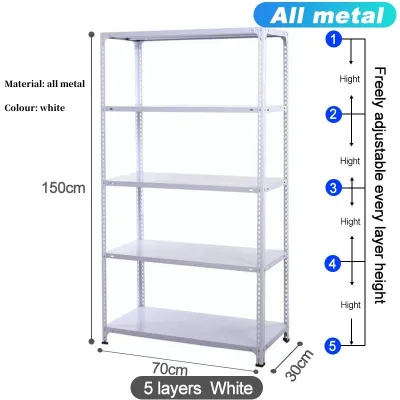
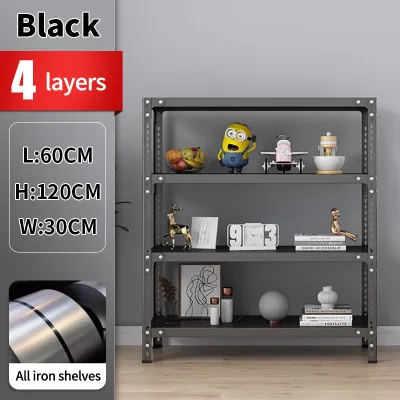


Prices are valid at publication and may change. Please refer to the product page for the latest price.
In tropical climates like the Philippines, high humidity levels can trap moisture behind large furniture pieces. When planning your layout, factor in a small clearance gap between the steel rack and the surrounding walls. This gap encourages continuous airflow, which helps protect your stored items from mold, mildew, and musty odors. Additionally, measure the height of your baseboards to ensure the rack’s feet can sit securely without being pushed forward by the wall trim.
Calculate Your Storage Capacity and Load Requirements
To choose the right shelf depth and width, you must first understand what you plan to store. Group your household items by size, shape, and weight. Heavy kitchen appliances, spare car parts, and large plastic storage bins require wider, deeper shelves with robust structural support. Conversely, lighter items like linens, pantry goods, and small tools can be organized on shallower tiers.

Measure your largest storage containers before looking at shelf dimensions. Standard plastic storage bins often require a shelf depth of at least 45 to 60 centimeters to sit fully on the wire or metal decking. If your shelves are too shallow, these bins will overhang, creating a tipping hazard and narrowing your walkways. Ensure the width of the shelf can accommodate multiple bins side-by-side without wasting valuable space at the edges.
Estimating the weight of your items is essential for choosing the correct steel gauge and frame design. Check the manufacturer’s labeled weight capacity for each shelf tier, which is typically rated under static load conditions. Heavy-duty steel racks often support several hundred kilograms per shelf, while lighter utility racks are designed for lighter household goods. Never guess the weight capacity; always verify the specifications on the product label to prevent structural bowing or collapse.
Match Shelf Dimensions to Your Moving Inventory
Adjustable tier spacing is one of the most valuable features of modern metal shelving. Instead of choosing a fixed-height unit, look for steel racks with adjustable keyhole slots or clip systems. This design allows you to customize the height of each individual shelf level. You can place tall, bulky items like luggage or water jugs on the bottom tier, and adjust the upper shelves to fit smaller, flatter boxes.
The choice between a narrow and a deep shelf profile depends heavily on the room’s layout. Narrow shelves, ranging from 30 to 40 centimeters in depth, are ideal for tight corridors, laundry areas, or narrow balconies where floor space is limited. They allow you to maximize vertical storage without blocking foot traffic. Deep shelves, measuring 60 centimeters or more, are better suited for spacious garages, dedicated stockrooms, or deep pantries where you can store items in double rows.
Consider your future storage needs when selecting a shelving system. Modular steel racks offer excellent flexibility because they can be expanded or reconfigured over time. Some boltless designs allow you to split a single tall five-tier rack into two separate, lower three-tier workbenches. This adaptability is incredibly useful during a move, allowing you to repurpose your storage setup as your household needs evolve.
Verify Structural and Safety Specifications
Safety should always be your top priority when installing steel rack shelves. Always read the manufacturer’s load ratings carefully and understand that these ratings assume an evenly distributed load. Placing a heavy object directly in the center of a shelf can cause the metal to bend, even if the total weight is well below the maximum limit. Distribute your heaviest items evenly across the entire surface, placing them on the lowest shelves to keep the unit’s center of gravity low.
Examine the structural features of the rack before finalizing your purchase. Look for sturdy cross-bracing on the sides and back, which prevents the frame from swaying or leaning. Adjustable leveling feet are another crucial feature, especially if you are placing the rack on uneven concrete floors in a garage or utility area. Ensure the locking mechanisms, whether they are bolts or keyhole rivets, seat fully and securely during assembly.
If your intended storage load exceeds the labeled weight capacity of standard residential racks, do not attempt to overload them. Stop and consult the manufacturer or look for industrial-grade shelving solutions. Overloading a metal rack can lead to sudden structural failure, risking damage to your belongings and posing a serious safety hazard to your household.
Common Sizing Mistakes to Avoid During a Move
One of the most common mistakes when buying a steel rack is forgetting to account for assembly clearance. Many boltless steel racks require you to tap the beams into place using a rubber mallet from above. If you buy a rack that is the exact height of your ceiling, you will not have enough overhead clearance to swing the mallet or slide the top connectors into place. Always leave at least 10 to 15 centimeters of clearance below your ceiling for assembly.
Another frequent error is ignoring the difference between static and dynamic loads. A static load refers to items placed gently on the shelf and left stationary. A dynamic load occurs when you drop a heavy box onto the shelf or slide a heavy item across it. Dropping heavy items can exert sudden, concentrated force that exceeds the rack’s structural limits, leading to bent supports or broken decking.
Finally, do not confuse the outer dimensions of the steel frame with the actual usable shelf space. The thick steel upright posts at each corner take up several centimeters of width and depth. If you measure your storage boxes to fit the exact advertised width of the rack, you may find that they cannot slide past the corner posts. Always check the inner clearance dimensions provided by the manufacturer to ensure your bins will fit.
Frequently Asked Questions (FAQ)
Do I need to anchor my steel rack shelves to the wall?
Yes, anchoring is highly recommended for tall or narrow steel racks to prevent accidental tipping. As a general rule, if the height of your shelving unit is more than four times its depth, it should be secured to a wall stud or solid masonry. This is especially important in homes with active pets, young children, or in regions prone to seismic activity. Always follow the manufacturer’s instructions and use the recommended anchoring hardware for your specific wall type.
How much space should I leave between the shelf and the wall?
It is best to leave a gap of at least 5 to 10 centimeters between the back of the steel rack and the wall. This space ensures adequate airflow, which is vital for preventing moisture buildup and mold growth in humid environments. The gap also prevents the metal frame from scratching your wall paint and provides enough clearance to bypass baseboards, allowing the rack to stand completely level.
Community discussion
Share your experience or ask a question. Comments are reviewed before publication.