
Selecting the right vanity table size depends on balancing your personal beauty routine with the actual physical limits of your bedroom layout. In the Philippines, where residential spaces range from compact high-rise condo units in Metro Manila to expansive suburban master suites, finding this balance is crucial. The ideal vanity should offer enough tabletop space and storage for your cosmetics without disrupting the natural flow of your room or blocking essential pathways.
To make an informed purchase, you must evaluate both the footprint of the furniture and the clearance required for comfortable daily use. A vanity that looks perfectly proportioned in a spacious showroom can easily overwhelm a cozy bedroom if you do not plan ahead. By taking precise measurements and matching the table’s dimensions to your specific room layout, you can create a functional, elegant dressing station that enhances your daily routine.
How to Measure Your Space Before Buying a Vanity
Before browsing online marketplaces or visiting showrooms, you must accurately map out your bedroom’s physical layout. Use a metal measuring tape to measure the width, height, and depth of the designated wall, corner, or alcove. Do not rely on visual estimates; even a discrepancy of a few centimeters can prevent a table from fitting into a tight niche.
Products mentioned in this guide
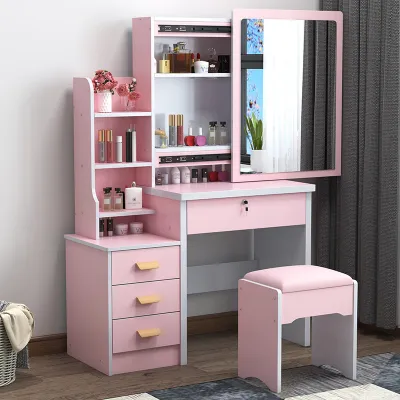
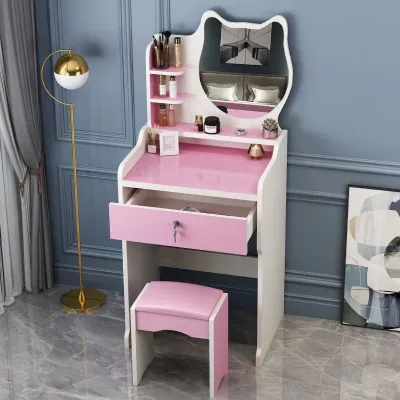
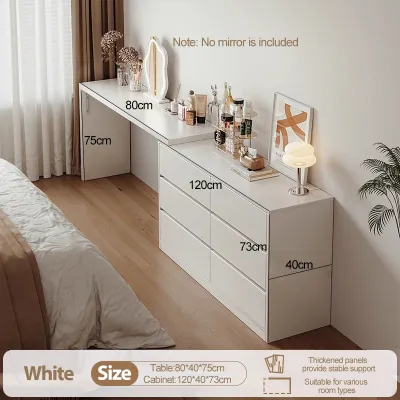
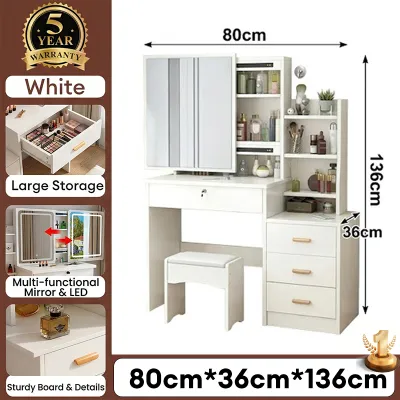
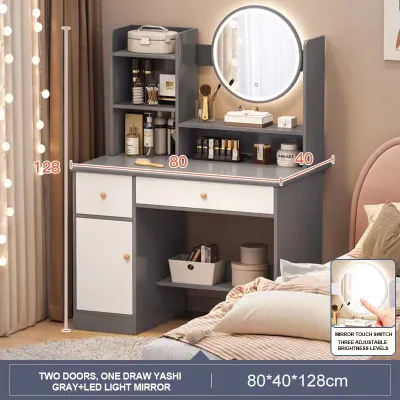
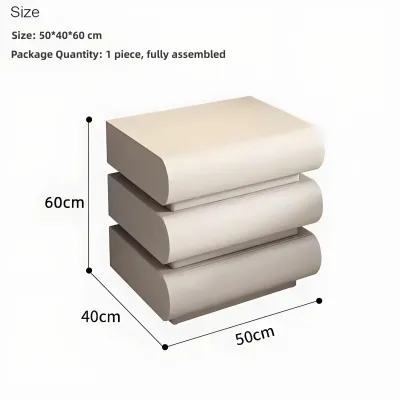
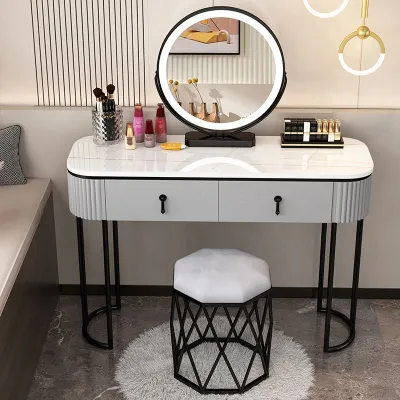
Prices are valid at publication and may change. Please refer to the product page for the latest price.
Beyond the physical footprint, calculate the “pull-out” clearance required for your seating. A comfortable beauty routine requires enough room to pull out a stool or chair, sit down, and stand up without restriction. Allocate at least 24 to 30 inches (approximately 60 to 76 centimeters) of open space directly in front of the vanity desk. If you choose a bulky chair instead of a tuck-away stool, you may need even more clearance to avoid bumping into your bed frame or wardrobe.
Next, analyze traffic pathways and door swings. A vanity should never obstruct movement between your bed, closet, bathroom, and entryways. Measure the swing radius of wardrobe doors and bedroom entryways. If you have swing-out closet doors, ensure they can open fully without striking the table or your dressing chair.
Finally, inspect the wall area for architectural obstacles. Baseboards can prevent a flat-backed vanity from sitting flush against the wall, pushing the table forward by an extra half-inch. Take note of electrical outlets, light switches, and window sills. If your vanity features built-in LED mirrors or you plan to use hair styling tools, position the table close to an outlet to avoid running cords across high-traffic floor areas.
Which Vanity Size Fits Your Bedroom Layout?
The overall dimensions of your bedroom should dictate the size category of the vanity you choose. Selecting a piece that matches the scale of your room ensures that the furniture looks intentional and functions seamlessly within the space.

Compact Vanities for Condos and Small Rooms
In cozy studio apartments or urban condo developments, maximizing every square inch of floor space is essential. Compact vanities are specifically designed for these tight layouts, typically featuring a narrow width of 60 to 80 centimeters and a shallow depth of 35 to 40 centimeters. These slim profiles ensure that the vanity does not protrude too far into your walking paths, keeping the room feeling open.
When shopping for a small-space vanity, look for smart, multi-functional design features that reduce visual clutter. Models with flip-top mirrors are highly practical; the mirror folds down flat when not in use, instantly transforming your makeup station into a compact writing desk or laptop workspace. Additionally, look for vanities that include a matching stool designed to slide completely underneath the table frame, keeping the walkway clear when your routine is finished.
Balancing storage needs with a small floor plan requires a strategic approach. Instead of choosing a vanity with deep drawers that require significant clearance to open, opt for models with built-in desktop organizers, shallow drawers, or vertical wall shelves. This keeps daily essentials within arm’s reach without sacrificing floor space to bulky cabinet doors.
Standard Vanities for Average-Sized Bedrooms
For standard-sized bedrooms, a medium or standard vanity offers the perfect balance of tabletop surface and storage capacity. These tables generally measure between 90 and 120 centimeters in width and 45 to 50 centimeters in depth. This size provides a generous workspace where you can comfortably arrange makeup organizers, brush holders, and skincare products while still leaving plenty of room for a large tabletop mirror.
Standard vanities typically feature multiple drawers, often arranged beneath the tabletop or as a side pedestal. This configuration allows you to separate your cosmetics, hair accessories, and jewelry into dedicated compartments. Deeper drawer space is particularly useful for storing larger items like hair dryers and styling irons that would otherwise clutter the tabletop.
To ensure a standard vanity anchors your bedroom beautifully without overwhelming the space, pay close attention to its placement. Position the table along the same wall as your bed or directly opposite it, leaving at least a one-meter gap between the two pieces of furniture. This positioning creates a balanced, symmetrical look while maintaining comfortable walkways on both sides of the bed.
Large and Double Vanities for Spacious Master Suites
If you are fortunate enough to have a large master bedroom, a dedicated walk-in closet, or a spacious dressing room, a large or double vanity can serve as a luxurious centerpiece. These grand tables measure 130 to 160 centimeters or more in width, with depths extending up to 60 centimeters. They offer an abundance of tabletop space and extensive storage configurations, including dual drawer pedestals and tall side cabinets.
Large vanities allow for highly organized, dedicated storage zones for skincare, makeup, hair care, and jewelry. In shared master suites, a double-width vanity can even accommodate two separate mirrors or a wide, continuous mirror with dual seating, allowing two people to prepare for the day simultaneously without crowding each other.
When decorating a spacious room, scaling your furniture properly is crucial to prevent the space from feeling cold or unfinished. A small, flimsy vanity can easily look lost in a massive master suite. Choosing a substantial, well-crafted vanity table with elegant detailing and a large mirror helps anchor the room, creating a cohesive, high-end hotel aesthetic that elevates the entire space.
Space-Saving Vanity Alternatives for Tight Layouts
When a traditional freestanding vanity table simply cannot fit into your bedroom’s layout, there are several creative, space-saving alternatives that offer excellent functionality without occupying a large footprint.
Wall-mounted or floating vanities are an outstanding solution for tight spaces. Because these units are bolted directly to the wall, they completely eliminate the need for table legs, leaving the floor area underneath entirely open. This open space visually expands the room and makes sweeping and mopping much easier. However, before installing a floating vanity, you must check your bedroom wall’s construction. In many Philippine homes, internal partition walls are made of lightweight gypsum or drywall, which may not support the weight of a heavy vanity; concrete, brick, or solid wood studs are required for safe, secure mounting.
Fold-down or drop-leaf vanities offer exceptional versatility for multi-functional spaces. These units feature a hinged tabletop that can be folded down flat against the wall when your beauty routine is complete. This design is perfect for bedrooms that also serve as home offices, allowing you to reclaim valuable floor space during the workday and easily transition the room back to a relaxing personal sanctuary in the evening.
Corner vanities are specifically engineered to turn awkward, underutilized corners into highly functional dressing stations. Their triangular shapes fit snugly into a 90-degree corner, maximizing corner depth while keeping the front profile relatively narrow. This layout provides a surprisingly large tabletop surface and deep drawer storage without encroaching on the main walking paths of your bedroom.
Finally, you can create a custom, low-profile dressing station by pairing a narrow console table with a wall-mounted mirror. Console tables typically have a shallow depth of only 30 to 35 centimeters. Placing a sleek console table against your wall with an elegant mirror above it provides full vanity utility while maintaining an incredibly slim, unobtrusive profile.
Common Sizing Mistakes to Avoid Before Checkout
To prevent the hassle of returning heavy furniture or living with a cramped, frustrating bedroom layout, you should be aware of several common planning and measurement mistakes before making your final purchase.
The most frequent mistake is forgetting to account for the physical space occupied by the vanity chair or stool when in use. Many shoppers measure their wall space carefully and buy a table that fits perfectly, only to realize during assembly that they cannot sit down comfortably because the chair hits the bed frame or blocks the main bedroom doorway. Always measure your room with the chair pulled out to its active sitting position to ensure you have adequate clearance.
Another common pitfall is ignoring the swing clearance of drawers and cabinet doors. A vanity might fit neatly into a corner, but if its drawers cannot open fully because they hit your bedside table, or if opening a vanity cabinet blocks your wardrobe doors, the setup will quickly become a daily annoyance. Before buying, check the manufacturer’s specifications for drawer depth and ensure there is ample clearance for all doors and drawers to extend fully.
Overlooking the height of the mirror and its relationship with your room’s architectural features can also lead to installation issues. A tall, built-in vanity mirror can easily block natural light if placed too close to a window, or it may interfere with wall-mounted light fixtures, air conditioning units, or low-hanging ceiling fans. Measure the vertical space from the floor to the top of the mirror to ensure it fits safely beneath all wall-mounted fixtures.
Lastly, misjudging the visual weight of the furniture can make your bedroom feel smaller. In the warm, humid climate of the Philippines, heavy, dark-colored, solid-block vanities can make a small room feel cramped and restrict the feeling of airflow. If you are furnishing a smaller room, opt for vanities with slender legs, open metal frames, or light-colored finishes like white, oak, or light gray. These designs allow light and air to pass through, keeping your bedroom feeling fresh and breezy.
Frequently Asked Questions (FAQ)
What is the standard height for a vanity table?
Most standard vanity tables stand between 75 and 78 centimeters tall, which is identical to the height of a standard writing desk. This height is designed to allow an average adult to sit comfortably with their feet flat on the floor. To ensure a comfortable, ergonomic setup, look for a table that provides at least 60 centimeters of clearance from the floor to the underside of the tabletop so your knees have plenty of room. When choosing a chair or stool, aim for a seat height that leaves a gap of 25 to 30 centimeters between the top of the seat cushion and the top of the vanity table.
Can I use a regular desk as a vanity table?
Yes, you can easily repurpose a regular writing desk or console table as a vanity. Desks often provide excellent tabletop surface area and practical drawer storage. To make this setup work, ensure the desk’s depth is comfortable for close-up mirror viewing—ideally between 40 and 50 centimeters—and add a high-quality tabletop or wall-mounted mirror. Additionally, because makeup, liquid foundations, and skincare products can easily stain or damage wood finishes, consider protecting the desk surface with a custom-cut glass top or a water-resistant desk mat.
Community discussion
Share your experience or ask a question. Comments are reviewed before publication.