
Finding the right shoe rack organizer 10 layers for your home is about balancing space efficiency with structural safety. A ten-tier model is an excellent vertical storage solution, but its tall profile requires careful planning before purchase. You must measure your closet accurately, assess the materials for durability against local humidity, and ensure the unit is stable enough to prevent tipping. By focusing on structural integrity and practical dimensions, you can find a rack that keeps your footwear collection organized and accessible for years to come.
To make an informed decision, you need to look past marketing claims of “maximum capacity” and examine the physical specifications of the unit. This guide breaks down the essential factors to evaluate, from spatial clearance and material durability to shelf configurations and safety anchoring.
Quick Selection Criteria for a 10-Layer Closet Shoe Rack
When shopping for a shoe rack organizer 10 layers, you should first check the overall height, footprint depth, and width relative to your closet interior. A typical ten-layer unit stands between 150 and 180 centimeters tall, requiring sufficient vertical clearance. The depth should ideally measure around 30 centimeters to accommodate standard shoe sizes without protruding into your walking path.
Products mentioned in this guide
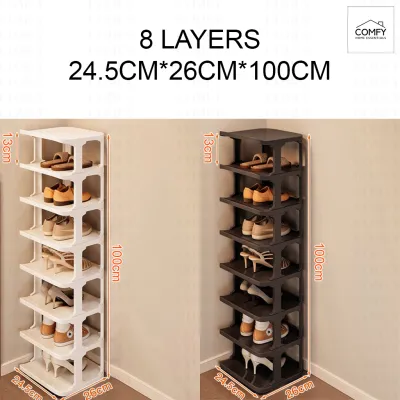
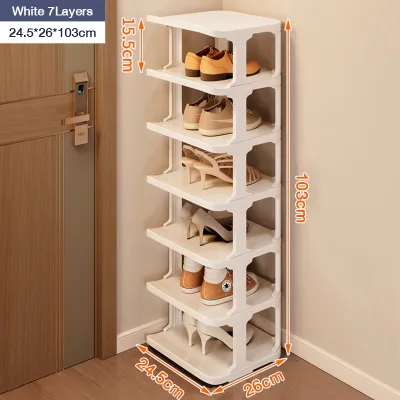
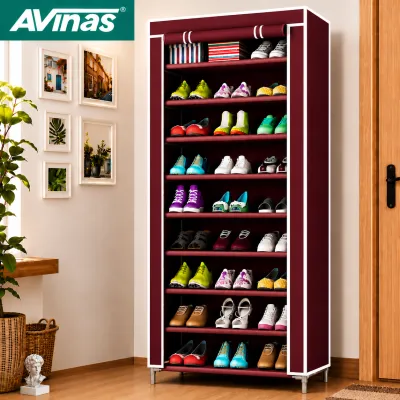
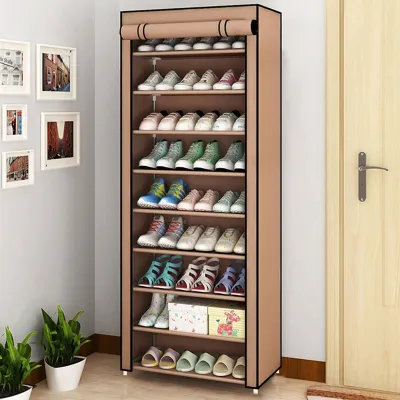
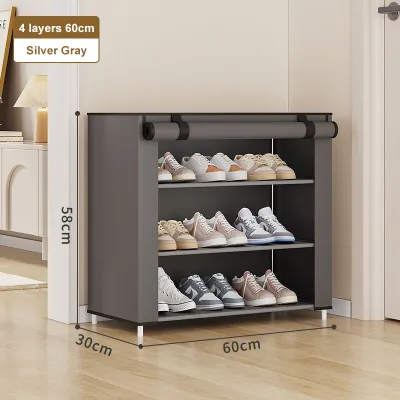
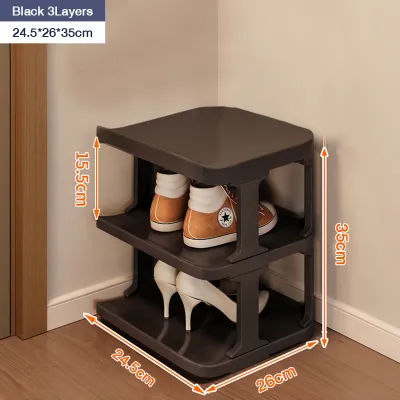
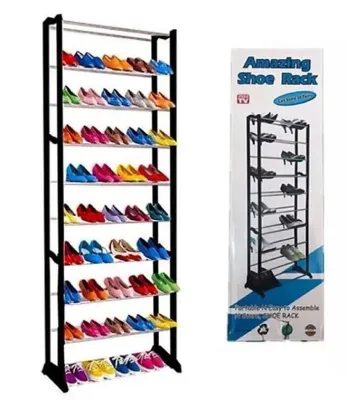
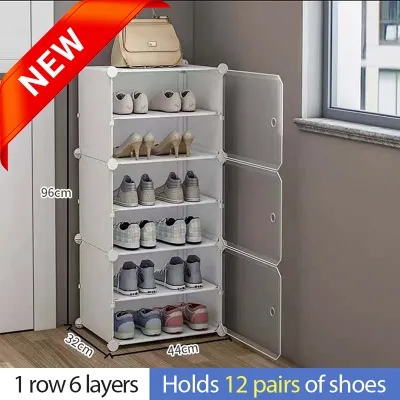
Prices are valid at publication and may change. Please refer to the product page for the latest price.
Never rely solely on the total weight capacity advertised for the entire unit. Instead, verify the manufacturer’s stated weight capacity per shelf, which typically ranges from 3 to 5 kilograms on standard models. This ensures individual shelves will not sag under the weight of heavier footwear like leather boots or thick-soled sneakers.
Because of their tall, narrow design, ten-layer freestanding units have a high center of gravity. It is critical to choose a model that includes or supports anti-tip wall anchors to secure the frame. This safety measure prevents accidental tipping, especially when the rack is fully loaded.
For humid or tropical climates, such as in the Philippines, material selection is vital. Prioritize metal frames with rust-resistant powder coatings or bamboo units with moisture-sealed finishes. These treatments help prevent corrosion, warping, and mold growth during the wet monsoon season.
Measuring Closet Dimensions and Delivery Clearance
Before purchasing any tall storage unit, you must take precise measurements of your closet’s interior space. Begin by measuring the usable height from the floor to the lowest hanging rod or shelf. Next, measure the width and depth of the floor space, making sure to subtract the thickness of any baseboards, door frames, or sliding door tracks that might restrict the footprint.

Door clearance is another critical factor that buyers often overlook. If your closet has hinged doors, ensure the shoe rack’s depth does not interfere with the door’s swing path. For closets with sliding doors, the rack must sit deep enough inside the alcove so that the doors can slide completely shut without rubbing against your shoes.
Consider the physical path the product must take from your front door to the closet. Measure the width of your hallways, stairwells, elevator doors, and bedroom entryways. Even if the shoe rack arrives flat-packed, the shipping box can be bulky and difficult to maneuver through tight corners or narrow apartment corridors.
Proper ventilation is essential for preserving footwear, particularly in enclosed closets where humidity can trap moisture. When planning your layout, aim to leave a gap of 2 to 5 centimeters between the shoe rack, the back wall, and adjacent walls. This space promotes passive airflow, which helps prevent musty odors and mold from developing on leather, canvas, and suede shoes.
Evaluating Frame Materials and Structural Stability
Evaluating the frame material is key to ensuring your shoe rack remains stable and upright over years of daily use. Metal frames are highly popular for their strength and narrow profiles. When assessing a metal rack, look for steel or iron tubes with a wall thickness of at least 0.8 millimeters and robust crossbar reinforcements. Ensure the metal is treated with a rust-resistant finish, such as powder coating or epoxy, to protect it from humid air.
Bamboo and engineered wood offer a warmer, more traditional aesthetic that integrates well with existing wooden closet systems. If you select a wood-based rack, check that all surfaces and edges are sealed with a clear polyurethane or moisture-resistant lacquer. Examine the joint hardware; high-quality units use metal-to-metal screw connections rather than wood screws driven directly into the fiber, which can strip and loosen over time.
Plastic and resin modules are lightweight, affordable, and highly resistant to moisture damage. However, you must inspect the thickness of the plastic panels and look for molded load-bearing ribs on the underside of each shelf. Over time, thin or unreinforced plastic can become brittle and sag, particularly if subjected to heavy loads or warm indoor temperatures.
To guarantee safety, a ten-layer shoe rack must have a reliable stability system. Look for designs featuring a wider base footprint, adjustable leveling feet to compensate for uneven tile or concrete floors, and dedicated wall-anchoring brackets. Securing the top of the rack to a wall stud is the most effective way to eliminate wobble and protect your household from tip-over hazards.
Matching Shelf Spacing to Your Shoe Collection
Your shoe collection’s composition should dictate the shelf spacing of your chosen organizer. Standard ten-layer racks often feature fixed shelf heights of 15 to 18 centimeters, which are perfectly suited for flat sandals, slippers, and low-top sneakers. However, if your wardrobe includes high heels, high-top basketball shoes, or ankle boots, these fixed gaps may prove too restrictive.
To calculate the realistic capacity of a rack, do not rely on generic “pair capacity” estimates, which are often based on small, narrow shoes. Measure the width of your widest everyday shoes and divide the shelf’s total width by that measurement. Remember that the top layer of a tall rack is often difficult to reach, making it better suited for storing seasonal shoe boxes or lightweight accessories rather than daily-wear footwear.
Modular designs with removable shelves offer excellent flexibility for diverse shoe collections. Some models allow you to omit a shelf panel during assembly, effectively doubling the vertical clearance of a specific tier to accommodate tall boots. This customization prevents you from having to bend or squeeze your shoes into tight spaces, which can damage the material.
Finally, consider the surface type of the shelves. Solid shelves, such as plastic sheets or solid wood slats, prevent dirt, dust, and stiletto heels from falling through to the shoes stored below. Wire or fabric mesh shelves offer superior ventilation and are easier to clean, but they may require you to place protective liners on the lower tiers to keep falling debris off your clean footwear.
Comparing Common 10-Layer Rack Materials and Designs
Selecting the right material design involves weighing the trade-offs of each option against your specific closet environment and storage needs.
Metal Wire and Tube Racks
Metal wire and tube racks are ideal for heavy shoe collections and tight spaces where maximum breathability is required. Their open design allows air to circulate freely around your footwear, which helps dry out damp shoes after a rainy day. However, they can be heavy to move once assembled, and very thin wire shelves may cause narrow high heels to tip sideways if the gaps between wires are too wide. Always verify the quality of the outer coating to ensure it will not chip and expose the underlying steel to rust.
Bamboo and Engineered Wood Racks
Bamboo and engineered wood racks provide excellent structural rigidity and a premium, furniture-grade appearance. They offer solid shelving surfaces that keep shoes flat and secure, making them a great match for walk-in closets. On the downside, wood-based units generally require a deeper footprint to maintain stability, making them less suitable for shallow closets. They are also highly sensitive to standing water and must be kept in well-ventilated, dry environments to prevent mold growth along the joints.
Stackable Plastic and Resin Modules
Stackable plastic and resin modules are lightweight, easy to assemble, and highly budget-friendly. They are completely waterproof, allowing you to wash them down with soap and water whenever they accumulate dirt. However, plastic frames have a lower weight capacity per shelf compared to metal or wood, and they can feel less rigid when fully loaded to the tenth tier. It is essential to ensure that the interlocking connectors fit tightly together without any play or wiggle.
| Material Type | Typical Footprint | Weight Capacity per Shelf | Humidity Resistance | Assembly Difficulty |
|---|---|---|---|---|
| Metal Wire/Tube | Compact to Moderate | High | High (if coated) | Moderate |
| Bamboo/Wood | Moderate to Deep | High | Moderate (requires sealant) | Moderate to High |
| Plastic/Resin | Compact | Low to Moderate | High | Low to Moderate |
Assembly, Anchoring, and Safety Checks
When assembling your ten-layer shoe rack, always work on a flat, level surface to prevent the frame from twisting. Follow the manufacturer’s instruction manual closely, and avoid fully tightening the screws or connectors until the entire frame is completely put together. Once the structure is squared and upright, tighten all hardware securely to eliminate any initial wobble.
Because a ten-layer rack stands quite tall, wall anchoring is a non-negotiable safety step. Use the included wall straps, brackets, or anchor screws to secure the top frame of the unit directly to your closet wall. If your product did not come with an anchoring kit, purchase a universal furniture anti-tip strap from a local hardware store to secure the unit, especially if you have children or pets in the home.
To maintain optimal stability, practice proper load distribution. Always place your heaviest footwear, such as work boots, heavy sneakers, and leather dress shoes, on the bottom three shelves. Save the middle and upper shelves for lightweight sandals, slippers, flats, and empty shoe boxes. This keeps the unit’s center of gravity low, significantly reducing the risk of tipping.
Perform routine maintenance checks every few months to keep the rack safe and sturdy. Inspect the joints for loose screws or shifting connectors, and tighten them as needed. When cleaning, refer to the manufacturer’s care label; typically, wiping down the frame with a dry or slightly damp microfiber cloth is sufficient. Avoid using harsh chemical cleaners that could strip away protective rust-resistant or moisture-resistant coatings.
Frequently Asked Questions (FAQ)
Can a 10-layer shoe rack hold heavy winter boots on every shelf?
Most standard ten-layer shoe racks are not designed to support heavy boots on every single tier. Doing so can exceed the individual shelf weight limits and cause the frame to bow or wobble. For safety and durability, check the manufacturer’s specifications for weight limits, and store your heaviest boots on the bottom shelves to keep the unit stable.
How do I prevent a tall shoe rack from tipping over?
To prevent a tall shoe rack from tipping, you must secure it to the wall using an anti-tip safety kit or L-brackets. Additionally, always load the heaviest shoes on the bottom shelves to maintain a low center of gravity, and ensure the rack is assembled on a completely level floor.
Is it better to buy two 5-layer racks or one 10-layer rack?
Choosing between these options depends on your available space and safety preferences. A single ten-layer rack is ideal for maximizing vertical space in narrow closets or alcoves. However, two five-layer racks offer greater placement flexibility, do not require wall anchoring, and provide a lower center of gravity, making them inherently more stable.
Community discussion
Share your experience or ask a question. Comments are reviewed before publication.