
A 4-seater rattan dining set brings an organic, tropical warmth to any dining space, bridging the gap between natural texture and functional modern design. Whether you are furnishing a cozy condo dining room in metropolitan Manila, a breezy veranda in a provincial home, or an open-air garden patio, choosing the right set requires looking far beyond initial aesthetic appeal. To ensure your investment withstands daily use and the demands of a tropical climate, you must evaluate key quality indicators such as frame material integrity, weave tension, exact dimensions, and weight capacity when buying a rattan dining set 4 seater.
Understanding these structural and material details is the key to distinguishing between premium craftsmanship and low-quality alternatives that may sag, warp, or rust within a few months. Because rattan furniture is highly sought after in the Philippines, the market offers a wide variety of options ranging from traditional hand-woven natural cane to highly durable synthetic polymer alternatives. Making an informed decision means analyzing how these materials are manufactured, assembled, and finished to suit your specific indoor or outdoor living environment.
By focusing on the physical construction of the set, measuring your available space accurately, and preparing for the unique environmental conditions of your home, you can select a 4-seater dining set that offers both lasting comfort and exceptional durability. This comprehensive guide outlines the essential checkpoints, technical specifications, and practical considerations to keep in mind as you shop for your ideal dining set.
Products mentioned in this guide
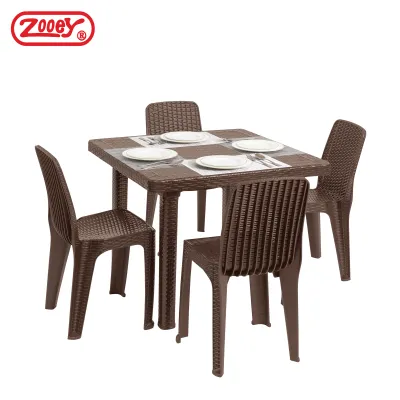
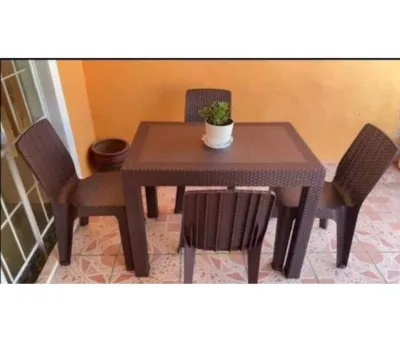
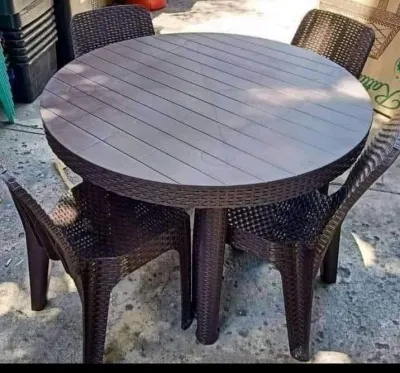
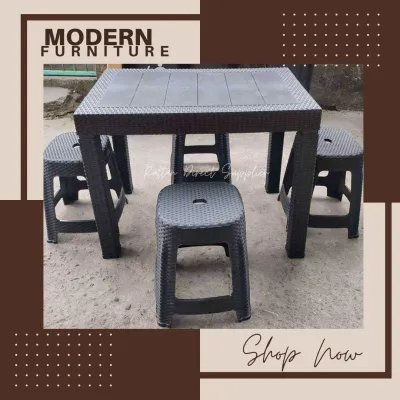

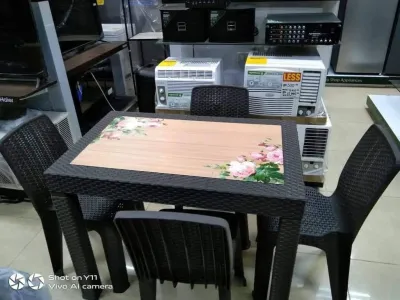
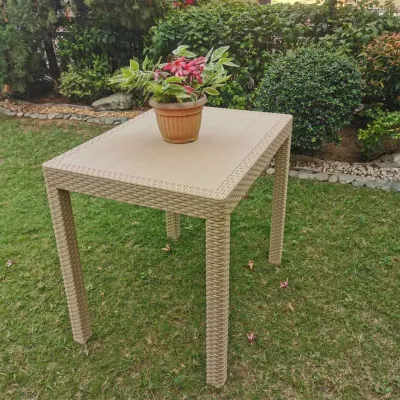
Prices are valid at publication and may change. Please refer to the product page for the latest price.
Quick Guide: Core Quality Checks Before You Buy
When browsing physical showrooms or scrolling through online marketplaces, it is easy to get swept away by beautifully styled product photos. However, a reliable purchase starts with a few non-negotiable quality checks that immediately separate long-lasting furniture from flimsy, short-lived options. Before diving into design aesthetics, you should always verify the underlying frame material, the tension of the weave, and the manufacturer’s certified weight capacity.
The first physical test you should perform—or ask a seller to verify via live video—is the weave tension check. Simply press your hand firmly down onto the center of the seat and the tabletop surfaces. A high-quality rattan weave should feel remarkably firm, offering minimal give and springing back to its original shape instantly without any lingering indentation. If the weave feels soft, bouncy, or sags under light hand pressure, it will inevitably stretch and hollow out once subjected to the daily weight of seated guests.
Next, look beneath the surface by inspecting the underside of the chairs and the table frame. High-quality construction features clean, hidden connections, whereas poorly made sets often rely on visible, rust-prone staples, excessive glue, or loose nails to secure the rattan strands. Ensure that all frame components are completely covered or treated to prevent moisture from seeping into the joints, which is particularly crucial for maintaining structural integrity in humid environments.
Finally, always cross-reference the visual appeal of a dining set with its official product specifications and structural descriptions. A reputable manufacturer will explicitly state the weight capacity per chair—ideally a minimum of 110 to 150 kilograms—and provide clear details about the frame’s load-bearing design. Never assume a set is durable simply because it looks robust in a photo; always demand written confirmation of its materials and testing standards.
It is also vital to establish whether the set is rated for indoor or outdoor use right from the start. Natural rattan is highly sensitive to moisture and UV exposure, meaning it must be kept in strictly dry, indoor, or fully covered spaces. If you plan to place your dining set on an open patio, balcony, or garden deck, you must opt for a synthetic polyethylene (PE) rattan set built on a rust-proof metal frame.
Evaluating Rattan Material and Weave Craftsmanship
To make a smart investment, you must understand the fundamental differences between natural rattan and synthetic alternatives, as well as how to assess the quality of the weaving itself. The term “rattan” is often used loosely by retailers, but the material composition dictates where the furniture can live and how long it will last.

Natural vs. Synthetic (PE) Rattan
Natural rattan is harvested from climbing palms native to tropical regions, valued for its incredible strength, flexibility, and unique organic texture. It consists of three primary parts: the outer skin (used for cane wrapping and binding), the strong inner core (used for structural wicker weaving), and the solid poles (used for the main frame). While natural rattan brings unmatched character and warmth to indoor dining rooms, it is highly susceptible to moisture absorption, wood-boring insects (locally known as bukbok), and UV-induced cracking.
In contrast, synthetic rattan is a man-made alternative designed to mimic the appearance of natural fibers while offering superior weather resistance. The quality of synthetic rattan varies wildly depending on the polymer used:
- High-Density Polyethylene (HDPE): This is the gold standard for synthetic wicker. It is highly durable, non-toxic, 100% recyclable, and infused with UV stabilizers that prevent fading, cracking, and peeling even under intense tropical sunlight.
- Polyvinyl Chloride (PVC) and Polyurethane (PU): These are cheaper plastic alternatives often found in budget-friendly sets. They tend to feel stiff, look excessively shiny, and become brittle and crack within a year of exposure to heat and sunlight.
Always check the product label or ask the seller for the exact material composition rather than relying on generic “rattan” or “wicker” marketing claims.
Weave Tightness and Pattern
The longevity of your dining set is directly tied to the skill of the weaver and the tightness of the weave pattern. When inspecting a set, look closely at the consistency of the strands:
- Uniformity: The weave should follow a perfectly consistent, straight pattern without accidental gaps, overlapping lines, or crooked strands.
- Tension: Press your fingers against different sections of the weave; the resistance should feel uniform across the entire surface of the chair back, seat, and table edges.
- Finished Edges: Examine the points where the weave terminates or wraps around the frame. High-quality sets feature neatly tucked, secured, and hidden ends, whereas low-quality sets will have loose ends sticking out, which can catch on clothing and unravel over time.
Surface Treatment and Ratings
Do not assume that a material is weatherproof just because of its name. If you are buying a natural rattan set for an indoor or semi-outdoor space, verify if it has been treated with a protective clear lacquer, polyurethane coating, or anti-insect glaze to seal the porous fibers against humidity and pests. For synthetic PE rattan, look for specific manufacturer ratings regarding UV resistance (typically measured in hours of direct sunlight exposure, such as 2,000 to 3,000 hours) and water-repellency ratings to ensure the material can withstand heavy tropical downpours.
Inspecting Frame Construction and Structural Stability
While the rattan weave provides the tactile surface and aesthetic style, the hidden frame beneath determines the dining set’s lifespan, safety, and weight capacity. A gorgeous weave on a weak frame is a recipe for structural failure.
Core Frame Materials
The skeleton of a rattan dining set is typically constructed from one of three materials, each with distinct performance characteristics:
- Powder-Coated Aluminum: This is the premium choice for outdoor and high-humidity environments. Aluminum is naturally lightweight, incredibly strong, and completely rust-proof. The powder-coated finish adds an extra layer of defense against scratches and environmental wear.
- Powder-Coated Steel: A heavier and more economical option, steel provides excellent structural stability. However, if the powder coating is chipped or if moisture penetrates the weave, steel will rust over time. It is best suited for indoor use or covered patios where direct exposure to rain is minimized.
- Solid Hardwood: Often used as the internal frame for premium indoor natural rattan sets. Hardwoods like mahogany, teak, or acacia offer exceptional strength and natural beauty. Ensure the wood is kiln-dried to prevent warping in humid climates.
Joint and Connection Points
How the frame pieces are joined together is a critical indicator of overall durability. When evaluating the construction:
- Welded Joints: For metal frames, look for fully welded seams at all structural intersections. The welds should be smooth, continuous, and free of pinholes or rough patches. Avoid frames that rely on spot welding, which can easily snap under heavy loads.
- Mechanical Hardware: If the frame uses screws or bolts, they must be made of marine-grade stainless steel or brass to prevent rust. Check that the hardware is tightly secured and flush with the frame.
- Staples and Glue: Be highly skeptical of sets where the primary structural joints are held together by basic industrial staples or hot-melt glue, as these materials quickly degrade under mechanical stress and humidity.
Weight Capacity and Stability
A high-quality 4-seater dining set must feel solid and grounded. When you sit in the chairs, there should be absolutely no swaying, flexing, or creaking. Look for the following stability features:
- Cross-Bracing: Check if the chairs and table feature cross-beams or diagonal bracing underneath the seats and tabletop. This design distributes weight evenly and prevents the frame from twisting or warping.
- Leveling Feet: High-quality sets often include adjustable nylon glides or leveling feet on the bottom of the legs. This allows you to stabilize the table and chairs on uneven tiled floors, stone patios, or outdoor pavers.
- Protective Caps: Ensure the bottom of the legs have durable plastic or rubber caps to protect both the frame from ground moisture and your flooring from scratches.
Space Planning, Dimensions, and Delivery Access for a Rattan Dining Set 4 Seater
A 4-seater dining set must not only look good and feel sturdy, but it must also fit harmoniously within your home’s layout. Proper space planning prevents your dining area from feeling cramped and ensures a comfortable dining experience for your family and guests.
Table and Chair Footprint
Before making a purchase, measure your dining room or outdoor patio space carefully. A standard 4-seater rattan dining table typically comes in two main shapes:
- Round Tables: Usually range from 90 cm to 110 cm in diameter, making them ideal for compact spaces, corner nooks, and encouraging conversation.
- Square or Rectangular Tables: Typically measure around 80 cm x 80 cm for square shapes, or 110 cm to 120 cm in length for rectangular designs, offering a more traditional dining layout.
However, you must calculate the “active footprint” of the dining set, which includes the space needed when chairs are fully pulled out and occupied. As a general rule:
- Seating Clearance: Allow at least 75 cm to 90 cm of open space behind each chair to let guests sit down and stand up comfortably.
- Walkway Space: Keep a clearance of 90 cm to 120 cm between the dining set and adjacent walls, doorways, or other large furniture pieces to maintain a clear pathway.
- Visualizing the Layout: Use painter's tape or lay down newspaper on your floor matching the exact dimensions of the table and chairs to physically visualize how much space the set will occupy.
Delivery and Access Checks
One of the most common mistakes buyers make is forgetting to measure the path from the delivery truck to the final dining spot. Rattan dining chairs are frequently delivered fully assembled because weaving over pre-built frames ensures maximum structural tension. Unlike flat-packed wooden furniture, they cannot be disassembled to fit through tight spots.
- Elevators and Doorways: If you live in a condominium or apartment, measure the height, width, and diagonal clearance of your building's elevator doors and interior cabin.
- Stairwells and Hallways: Check narrow stairwell turns, low ceilings, and tight hallway corners.
- Main Entrance: Ensure your apartment or house front door is wide enough to accommodate the widest part of the chairs and the table frame.
Seating Ergonomics
Comfort is just as important as style when it comes to dining. Evaluate the ergonomic specifications of the chairs:
- Seat Depth and Width: Look for a seat depth of 45 cm to 50 cm and a width of at least 45 cm to accommodate various body types comfortably.
- Backrest Support: The backrest should have a slight backward angle (around 100 to 105 degrees) to support natural posture, rather than being completely vertical.
- Cushion Quality: If the set includes cushions, check the foam density. High-density polyurethane foam (at least 25 to 30 kg/m³) provides firm support and retains its shape over time. The cushion covers should be made of water-resistant, UV-protected fabrics with heavy-duty zippers so they can be easily removed and washed.
Climate Considerations and Long-Term Care in the Philippines
The tropical climate of the Philippines—characterized by high relative humidity, intense solar heat, heavy monsoon rains, and coastal salt air—presents a demanding environment for any furniture. Understanding how these factors affect your rattan dining set will help you maintain its beauty and structural integrity for years to come.
Humidity and Temperature Impact
The local climate affects natural and synthetic materials in different ways:
- Natural Rattan: High humidity can cause natural fibers to absorb moisture, creating a prime breeding ground for mold, mildew, and fungal rot. Conversely, prolonged exposure to direct, harsh sunlight can dry out the natural oils within the cane, making it brittle and prone to cracking. It is best to place natural rattan sets in well-ventilated indoor spaces, away from air conditioning vents (which can dry them out) and damp walls.
- Synthetic PE Wicker: While highly resistant to moisture, low-grade plastics can soften slightly when exposed to extreme midday heat, causing the weave to stretch temporarily. High-quality HDPE is engineered to withstand these temperature fluctuations without losing its physical properties.
Cleaning and Maintenance
A regular, low-risk cleaning routine is the most effective way to extend the lifespan of your dining set. Always check the manufacturer’s specific care label before applying any cleaning agents, and follow these general guidelines:
- Weekly Dusting: Use a soft-bristled brush, a dry microfiber cloth, or a vacuum cleaner with a brush attachment to gently remove dust, pollen, and crumbs from the crevices of the weave.
- Gentle Washing (Synthetic Rattan): For synthetic PE rattan, prepare a mixture of mild dish soap and warm water. Wipe down the surfaces with a soft sponge, rinse with clean water, and allow it to air dry completely in a shaded area. Never use abrasive scrubbers, bleach, or harsh chemical solvents, as these can strip the protective UV coating.
- Moisture Control (Natural Rattan): If your natural rattan set gets damp, wipe it down immediately with a dry towel and ensure the room is well-ventilated to allow it to dry quickly. Avoid sitting on wet natural rattan, as the damp fibers can stretch out of shape.
Warranty and After-Sales Support
Before finalizing your purchase from an online retailer or physical showroom, carefully review the warranty terms. A reputable brand should offer a clear warranty that covers:
- Structural Defects: Typically 1 to 3 years covering frame welds, joint failures, or warping.
- Weave Degradation: Protection against premature cracking, peeling, or fading of the synthetic rattan under normal use conditions.
- After-Sales Services: Ask the retailer if they offer replacement parts, extra cushions, or professional re-weaving services in the future. Investing in a brand that provides solid customer support ensures you can easily address any issues that arise over the years.
Frequently Asked Questions (FAQ)
Can natural rattan dining sets be used outdoors?
Natural rattan dining sets are not recommended for uncovered outdoor use because they are highly susceptible to moisture damage, mold growth, and UV degradation. Exposure to rain and direct sunlight will cause the natural fibers to swell, rot, crack, and lose their structural strength over time. If you wish to use natural rattan in an outdoor setting, it must be placed in a fully covered, dry, and well-ventilated area, such as an enclosed veranda or sunroom. For open patios, decks, or gardens, you should choose synthetic polyethylene (PE) rattan dining sets built on rust-resistant aluminum frames.
How do I clean and maintain synthetic rattan cushions?
To clean and maintain synthetic rattan cushions, start by regularly vacuuming or brushing off loose dirt, dust, and outdoor debris. For spot-cleaning, wipe stains immediately with a soft cloth dampened in a solution of mild detergent and lukewarm water, then rinse with clean water and let them air dry completely. Always check the cushion’s care label to verify if the covers are removable and machine-washable. If they are washable, wash them on a gentle cycle with cold water and air dry them; avoid using high heat dryers or harsh bleach, which can damage the water-resistant coating and fade the fabric.
Community discussion
Share your experience or ask a question. Comments are reviewed before publication.