
Finding the right cabinet for clothes for kids involves balancing immediate storage needs with long-term safety and room layout. A child’s bedroom is a dynamic space where sleep, play, and learning happen simultaneously. Therefore, a wardrobe cannot simply be a smaller version of adult furniture; it must adapt to a child’s physical height, motor skills, and safety requirements.
In tropical climates like the Philippines, high humidity levels also mean you must consider airflow and material finishes to prevent mold. By focusing on precise measurements, robust safety features, and modular interiors, you can select a piece of furniture that remains functional and safe for years.
Diagnosing Room Space and Size Requirements
Before browsing designs, you must establish the physical boundaries of the bedroom. Start by measuring the available floor space where the wardrobe will stand, noting any baseboards or wall trim that might affect how flush the unit sits against the wall. Measure the ceiling height, especially if you are considering a tall unit to maximize vertical storage.
Products mentioned in this guide
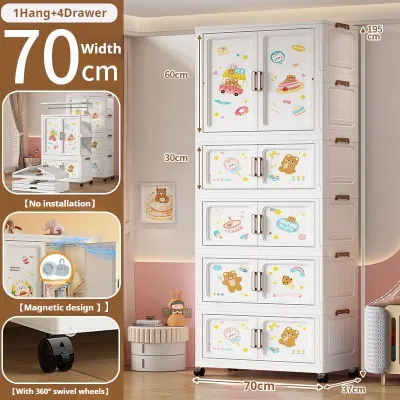
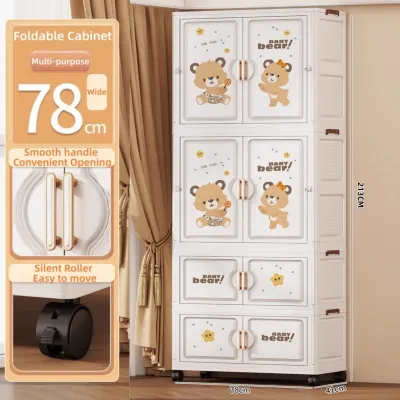
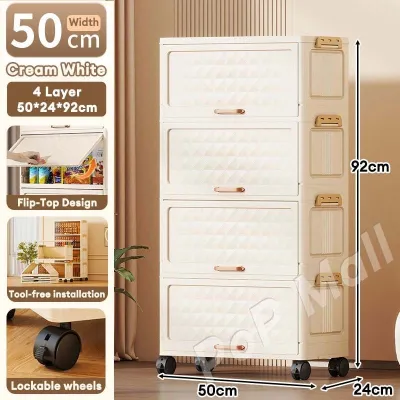
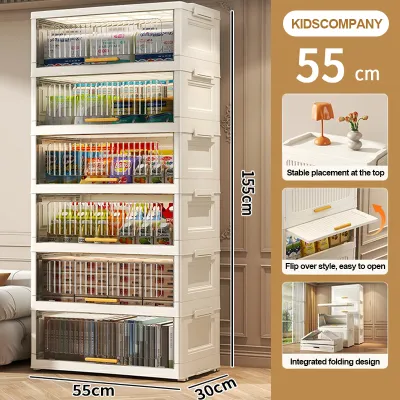
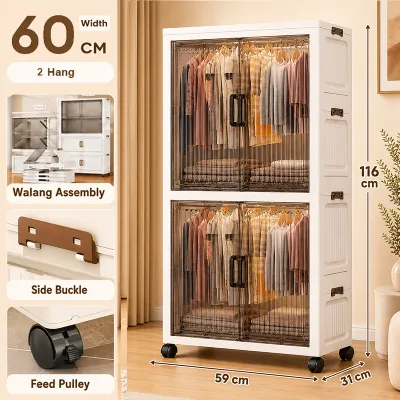
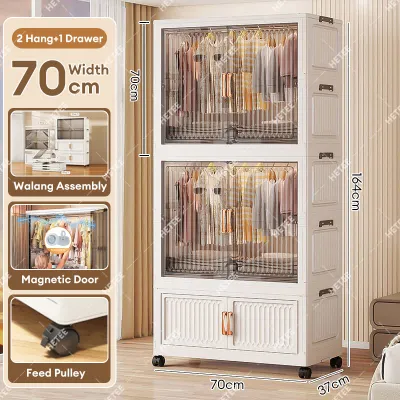
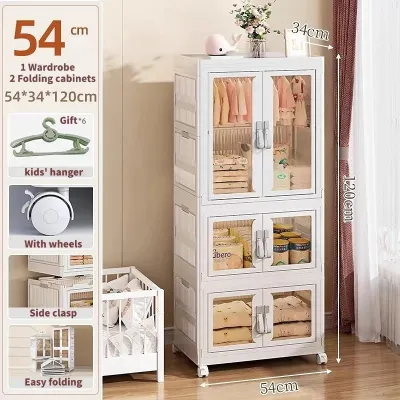
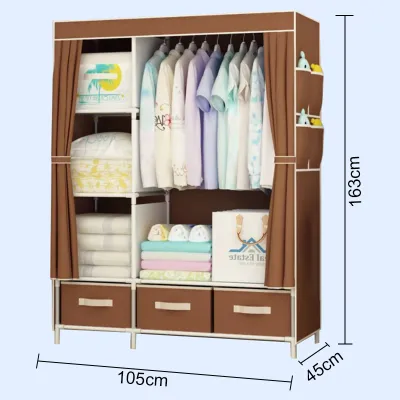
Prices are valid at publication and may change. Please refer to the product page for the latest price.
Crucially, calculate the clearance required for doors to swing open fully and drawers to extend completely. A wardrobe door that blocks a walkway or collides with a bed frame can quickly become a daily frustration and a safety hazard during quick movements.
Next, plan the delivery and assembly route. Measure the width of your entry doors, stairwells, hallways, and any elevator doors if you live in a multi-story building or condominium. A wardrobe that fits well in a bedroom is of little use if the flat-pack boxes or pre-assembled frame cannot clear a tight corner in your hallway.
Finally, strike a balance between storage capacity and open floor space. Children need ample room on the floor for play and daily activities. Opting for a wardrobe with a smaller footprint but greater vertical height can help preserve valuable floor space, provided the unit is securely anchored to the wall.
Verifying Safety Features and Anti-Tip Stability
Safety is the most critical factor when selecting a cabinet for clothes for kids. Because children naturally climb on furniture or pull open multiple drawers at once, freestanding wardrobes present a serious tip-over hazard. Always verify that the manufacturer includes a dedicated anti-tip wall anchoring kit. Review the installation instructions beforehand to ensure you have the correct hardware for your specific wall type, whether it is concrete, hollow block, or drywall.

Examine the physical hardware of the cabinet for child-friendly design details. Look for rounded corners and smooth edges to minimize injuries during active play. Check that hinges are recessed and that drawers feature soft-close mechanisms or safety stops, which prevent drawers from being pulled completely out of the frame and falling onto a child.
In humid tropical environments, enclosed wooden spaces are highly susceptible to moisture buildup, which can lead to mold on clothing. Inspect the cabinet design for built-in ventilation holes or an open-back structure that promotes continuous airflow.
Lastly, assess the physical stability of the unit. A wardrobe with a wide, heavy base and a low center of gravity is inherently more stable. When inspecting a model, check how the balance shifts when doors are opened or drawers are fully extended, ensuring the unit remains firmly planted on the ground.
Matching Internal Features to Your Child's Development Stage
A child’s ability to access their clothes changes rapidly as they grow, making internal adaptability a key feature. For toddlers and preschool-aged children, look for configurations that feature low-hanging rods and open, lightweight bins. This setup allows young children to practice independent dressing and tidying up without needing to reach dangerously high shelves.
As children transition into school age, their clothing sizes increase, and their storage needs shift from folded play clothes to hanging uniforms and larger garments. Choose a wardrobe with an adjustable internal system, such as pre-drilled side panels that allow you to reposition shelves and hanging rods over time. This modularity ensures the furniture remains useful through different developmental stages.
Evaluate the physical effort required to operate the wardrobe doors and drawers. Heavy solid wood doors or stiff drawer slides can frustrate young children or lead to accidents. Look for lightweight door panels, easy-to-grip handles or cutouts, and smooth roller glides that allow independent, safe operation without requiring excessive force.
Inspecting Build Quality and Assembly Conditions
To ensure the wardrobe can withstand daily use, you must verify its structural limits and assembly requirements. Review the product manual or manufacturer specifications for explicit weight limits on individual shelves, drawers, and hanging rods. Overloading a shelf can cause sagging or structural failure over time, compromising the safety of the entire unit.
Examine the surface finishes and care instructions carefully. Children’s furniture is prone to spills, crayon marks, and general wear. Check that the finish is non-toxic, moisture-resistant, and easy to clean with a damp cloth. Avoid delicate finishes that require specialized chemical cleaners or are easily scratched by toys.
Finally, confirm the assembly conditions before purchasing. Review the list of required tools and the estimated assembly time. If the unit is exceptionally heavy, complex, or requires specialized wall anchoring into concrete, consider hiring a professional assembly service to ensure the wardrobe is structurally sound and safely installed.
Frequently Asked Questions (FAQ)
At what age can a child safely use a freestanding wardrobe?
Children typically begin developing the motor skills and independence needed to access low shelves and drawers around three to four years of age. However, independent use must always be accompanied by adult supervision. Regardless of the child’s age or maturity, the wardrobe must remain securely anchored to the wall with anti-tip hardware to prevent accidental tipping during use.
How do I maximize storage in a small kids' bedroom?
To maximize storage without crowding a small room, utilize vertical space with a tall, narrow wardrobe and use adjustable shelving to eliminate wasted air space inside. Consider multi-functional furniture, such as a bed with built-in under-bed drawers for seasonal items, to free up wardrobe space. Always ensure that the placement of the cabinet leaves clear, unobstructed pathways to the door for safe evacuation.
Community discussion
Share your experience or ask a question. Comments are reviewed before publication.