
Maximizing a small bedroom, especially in dense urban areas where condominium living is standard, requires a careful balance of space, functionality, and durability. A double deck military bed—widely recognized for its minimalist, utilitarian metal construction—presents an exceptionally practical solution. Unlike bulky wooden bunk beds that dominate a room both physically and visually, these streamlined steel frames provide a slim profile while fully utilizing vertical space. If you are looking to optimize a compact bedroom, shared kids’ room, or a rental unit, understanding what to look for in a military-style bunk bed ensures you invest in a piece that is safe, space-efficient, and capable of enduring local environmental challenges.
Why a Military-Style Metal Bunk Bed Works in Small Rooms
One of the most immediate advantages of a military-style metal bunk bed is its visual lightness. Traditional wooden frames feature thick posts and solid panels that block natural light and make a small room feel claustrophobic. In contrast, the slender, open-slat design of a metal frame allows light and air to flow freely across the room, preserving a sense of openness even in tight quarters. This visual transparency is a crucial design strategy for small-space living, making a 15-square-meter room feel significantly less cramped.
Beyond aesthetics, vertical space optimization is the core benefit of any double decker design. By stacking two sleeping surfaces within the footprint of a single bed, you instantly reclaim valuable floor area. This newly freed space can be repurposed for a study desk, a wardrobe, or simply left open to allow comfortable movement. For shared bedrooms or studio apartments, this vertical efficiency is often the difference between a functional living space and a cluttered, stressful environment.
Products mentioned in this guide
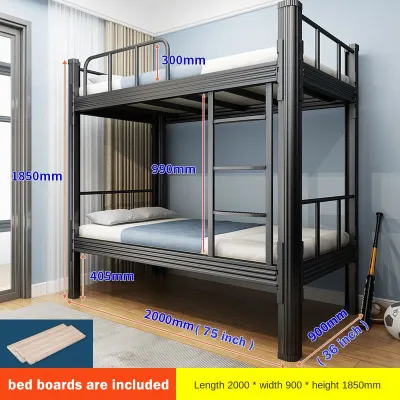
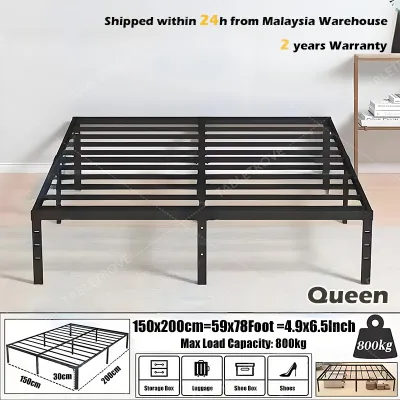
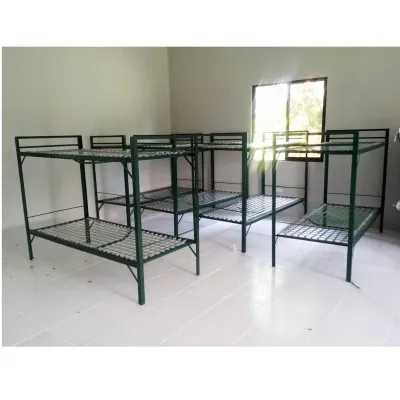
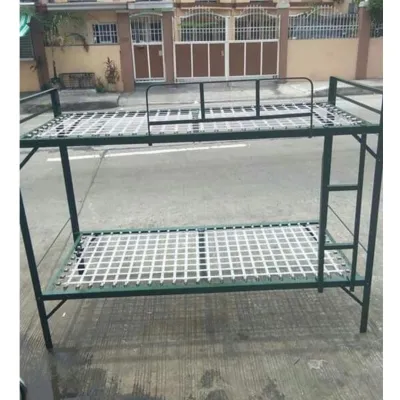


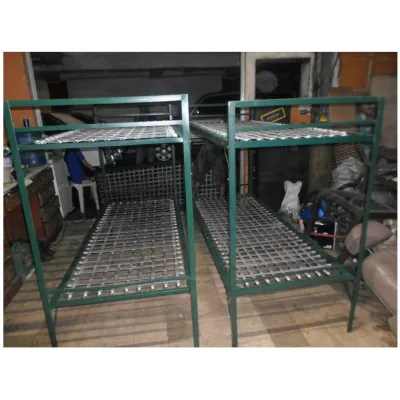

Prices are valid at publication and may change. Please refer to the product page for the latest price.
Furthermore, military-inspired designs are engineered with a focus on structural simplicity and extreme durability. Originally built to withstand the rigorous demands of barracks and dormitories, these frames prioritize structural rigidity over unnecessary ornamentation. They do not warp, crack, or split over time, and they are completely impervious to wood-boring insects like termites—a common and costly issue in tropical climates. Investing in a military-style metal frame means choosing a long-term, low-maintenance sleeping solution that retains its structural integrity for years.
How to Measure Your Room for a Double Deck Bed
Before purchasing any double deck military bed, precise measurements of your room are non-negotiable. A bed that is too tall or too wide can make a room unusable or create serious safety hazards.

Ceiling Height
Standard residential ceilings in many modern apartments and condominiums range from 2.4 to 2.7 meters. Because a typical double deck bed stands between 1.5 and 1.8 meters tall, calculating the top bunk clearance is your first priority. The person sleeping on the top bunk requires at least 75 to 90 centimeters of headroom to sit up comfortably without risking head injuries against the concrete ceiling or light fixtures. When calculating this space, always account for the thickness of your mattress. A thick, 8-inch mattress will significantly reduce headroom compared to a low-profile 4-inch high-density foam mattress.
Floor Footprint and Clearance
While the standard footprint of a single bed is roughly 100 centimeters wide by 200 centimeters long, the actual space required for a double deck frame is often larger. You must account for the ladder’s placement. An angled ladder that hooks onto the side of the frame will extend the bed’s footprint by 30 to 45 centimeters. If you choose a model with integrated under-bed storage drawers or a pull-out trundle bed, you must measure the floor space in front of the bed to ensure these features can be fully extended without hitting wardrobes, doors, or other furniture.
Door and Hallway Access
A common oversight when buying furniture is failing to plan for delivery day. Even if a double deck bed fits perfectly once assembled, the raw materials and packaged boxes must first reach the bedroom. Measure the height and width of your main doorway, narrow hallway corners, stairwells, and service elevator doors. Fortunately, most high-quality metal bunk beds are shipped as flat-packed, knock-down furniture. However, you should still verify the dimensions of the longest package box against your building’s elevator and entryway constraints to prevent delivery complications.
Mattress Compatibility
Always verify standard mattress sizes before finalizing your bed frame purchase. In local retail markets, a standard single mattress typically measures 36 inches by 75 inches (approximately 91 centimeters by 190 centimeters). Some military-style frames manufactured under international specifications may have slightly non-standard dimensions. Ensure the inner dimensions of the bed frame’s mattress deck match your chosen mattress perfectly. A mattress that is too small will slide around and create dangerous gaps where hands or feet can get trapped, while an oversized mattress will bunch up and compromise the safety of the guardrails.
Key Features to Maximize Space and Withstand Humidity
Evaluating a double deck military bed requires looking past generic marketing claims and focusing on specific structural features and material treatments.
Integrated Storage and Space-Saving Add-ons
In a small bedroom, maximizing utility means choosing furniture that serves multiple purposes. Look for military-style beds designed with integrated storage solutions. Under-bed clearance is highly valuable; selecting a frame that accommodates rolling steel drawers or plastic organizer bins allows you to store clothing, linens, or seasonal items without needing an extra dresser. Some designs also feature built-in metal mesh pockets or small clip-on shelves welded directly to the frame, providing a convenient spot for phones, glasses, and books without requiring a bedside table. Additionally, consider convertible models that can be unbolted and separated into two independent single beds. This adaptability is incredibly useful if your living arrangements change or if you eventually move into a larger home.
Metal Gauge and Rust-Resistant Finishes
Do not assume that all metal frames are equally durable. To verify structural quality, check the manufacturer’s specifications for the steel gauge—the lower the gauge number, the thicker and stronger the metal. For a reliable, long-lasting bed, look for frames constructed from 14-gauge to 18-gauge steel tubing. Avoid frames made from thin, lightweight metals that are prone to bending under consistent weight.
Furthermore, tropical climates present a major challenge in the form of high humidity, which can cause untreated steel to rust rapidly. Rust not only compromises the structural safety of the bed but also leaves permanent orange stains on your mattresses and bedding. To prevent this, ensure the frame features an electrostatic powder-coated finish. This process bakes a protective polymer layer onto the steel, providing superior resistance to moisture, scratches, and peeling compared to standard liquid paint. Finally, inspect the quality of the joints: high-quality military frames feature clean, continuous welds rather than small spot welds, and they utilize heavy-duty steel bolts with locking nuts instead of basic wood-style screws.
Safety and Stability Checks Before You Buy
A bunk bed must be exceptionally stable to ensure the safety of both sleepers. Conducting a thorough safety check before purchasing will give you peace of mind.
Guardrails
Safety on the top bunk starts with robust guardrails. Ensure the frame features continuous guardrails on all four sides of the top bunk, even if you plan to place the bed directly against a wall. As sleepers move, the frame can shift slightly away from the wall, creating a dangerous gap. The guardrail should extend at least 12 to 15 centimeters above the top surface of the mattress. Additionally, check that the spacing between the vertical safety slats or rails complies with standard safety limits (typically no wider than 9.5 centimeters) to prevent accidental entrapment or slips.
Ladder Design
The ladder must provide safe, comfortable access to the top bunk. Vertical ladders built directly into the end frames of the bed are excellent space savers because they do not extend into the room, but they can be challenging to climb for some users. Angled ladders are much easier to navigate but require more open floor space. Whichever style you choose, look for a ladder with wide, flat steps rather than narrow round rungs, which can be painful on bare feet. Ensure the steps feature an anti-slip texture or rubberized grip covers to prevent slipping, especially in humid or air-conditioned environments.
Weight Limits
Never guess the weight capacity of a double deck bed. Always read the manufacturer’s explicit weight limit labels for both the top and bottom bunks. Keep in mind that these limits represent the total weight supported by the frame, which includes the sleeper’s body weight plus the weight of the mattress, pillows, and bedding. A heavy-duty military-style bed should easily support at least 100 to 150 kilograms per deck. Exceeding these specifications can lead to metal fatigue, bent slats, and eventual structural failure.
Wall Anchoring
Tall metal furniture can sway slightly during movement, and in worst-case scenarios, it can tip over if someone climbs on the outer frame. This risk is particularly relevant in areas prone to seismic activity. Check if the bed’s assembly manual recommends or provides hardware for wall anchoring. Securing the top of the metal frame to a solid concrete or brick wall using heavy-duty masonry anchors and brackets eliminates swaying entirely, dramatically increases overall stability, and ensures the bed remains safely upright.
Recommended Configurations for Small Bedroom Layouts
Choosing the right configuration of a double deck military bed depends heavily on the shape of your bedroom and how you intend to use the space.
Twin-Over-Twin with Under-Bed Drawers
The classic twin-over-twin configuration (typically utilizing two standard single mattresses) is the most efficient layout for long, narrow bedrooms. By placing the bed flat against one wall, you preserve a clear, unobstructed walkway through the center of the room. When paired with rolling under-bed storage drawers, this setup completely replaces the need for a separate chest of drawers, freeing up floor space for a wardrobe or a bedroom door to swing open freely. The primary limitation of this traditional layout is that it does not offer a dedicated study or work area within the bed’s footprint, making it best suited for bedrooms used exclusively for sleeping.
L-Shaped Bunk with an Integrated Workstation
For square bedrooms or studio condominiums where you must combine sleeping, studying, and storage zones, an L-shaped configuration is highly effective. In this setup, the top bunk is elevated, and the bottom bunk is positioned perpendicularly underneath, or the bottom space is left open as a loft. This design utilizes the open space under the top bunk to fit a built-in study desk, shelves, or a small wardrobe. For the person sleeping on the bottom bunk, this arrangement feels much less claustrophobic because their head is not directly beneath the upper mattress. However, keep in mind that this configuration requires a wider, square floor footprint, so you must measure carefully to ensure it does not block closet doors or entryways.
Routine Maintenance for Metal Frames in Tropical Climates
To keep your metal double deck bed safe, silent, and rust-free over years of daily use, implement a simple, routine maintenance schedule.
Hardware Tightening
Metal frames can expand and contract slightly due to temperature fluctuations, and the daily motion of climbing up and down can gradually loosen the assembly hardware. Every six months, take a few minutes to inspect all the bolts, screws, and brackets on the frame. Use the appropriate wrench or hex key to tighten any loose connectors. This simple preventative step keeps the frame structurally rigid and prevents the bolt holes from warping over time.
Moisture Control
High humidity and coastal air can accelerate rust if the protective coating on the steel is compromised. Keep the bedroom well-ventilated, and use a dehumidifier or air conditioning when possible to manage moisture levels. Wipe down the metal frame regularly with a dry, soft microfiber cloth to remove dust and condensation. If you need to clean a spill, use a slightly damp cloth with mild soap, and dry the area immediately with a clean towel. Never use abrasive scrubbing pads or harsh chemical cleaners, as these can scratch and degrade the protective powder-coated finish.
Noise Prevention
Squeaking is a common issue with metal bed frames, usually caused by metal-on-metal friction at the joints or where the mattress support slats meet the main frame. If your bed begins to squeak, first ensure all bolts are tightly secured. If the noise persists, apply a small amount of silicone-based lubricant to the connecting joints. Alternatively, you can place thin felt adhesive pads or rubber washers between the metal contact points during assembly to act as a quiet buffer, ensuring a peaceful, noise-free sleep.
Frequently Asked Questions (FAQ)
What is the minimum ceiling height for a top bunk?
To ensure the top bunk sleeper can sit up comfortably without bumping their head, you generally need a minimum ceiling height of 2.4 meters. This provides about 75 to 90 centimeters of clearance between the top of the mattress and the ceiling. If your ceiling is lower, choose a low-profile bunk bed or use a thin, 4-inch high-density foam mattress rather than a thick spring mattress to maximize headroom.
How do I stop a metal bunk bed from squeaking?
To stop a metal bunk bed from squeaking, start by tightening all assembly bolts, as loose hardware is the most common cause of noise. If the squeak continues, disassemble the noisy joint and apply a small amount of silicone lubricant or place thin felt padding between the metal contact points before reassembling. This eliminates the friction that causes squeaking.
Community discussion
Share your experience or ask a question. Comments are reviewed before publication.