
Selecting the right monoblock chair for your child’s study corner requires balancing immediate physical comfort with long-term safety and room layout. Because children spend significant hours reading, writing, and drawing, a chair is not merely a place to sit but a foundational tool for their physical development. To make an informed choice, you must evaluate four primary pillars: precise sizing, child-safe material quality, structural stability, and spatial compatibility within your home. Focusing on these observable features ensures you select a chair that supports their daily routine without compromising their posture or safety.
Sizing and Ergonomics for Your Child's Posture
Achieving the correct alignment between the chair and the study desk is the first step in preventing physical fatigue. When your child sits, their elbows should rest comfortably on the desk surface at approximately a 90-degree angle. If the chair is too low, they will have to reach upward, causing shoulder strain and neck tension. Conversely, if the chair is too high, they will lean forward, placing unnecessary pressure on their lower back and wrists.
To check this alignment at home, measure the height of your existing study desk from the floor to the underside of the desktop. Compare this measurement with the seat height of the monoblock chair you are considering. A gap of about 20 to 30 centimeters between the seat and the underside of the desk generally allows enough clearance for your child’s thighs while keeping their arms at a natural writing level.
Products mentioned in this guide
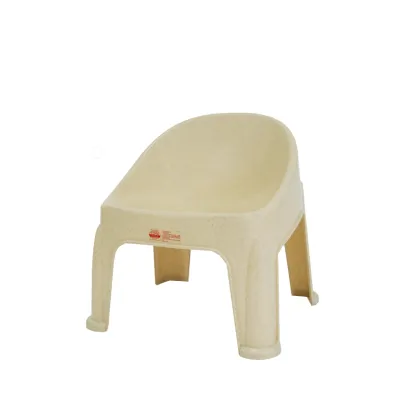
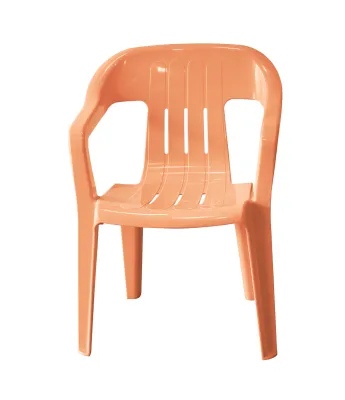
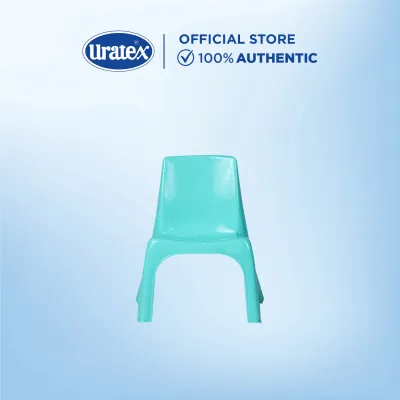
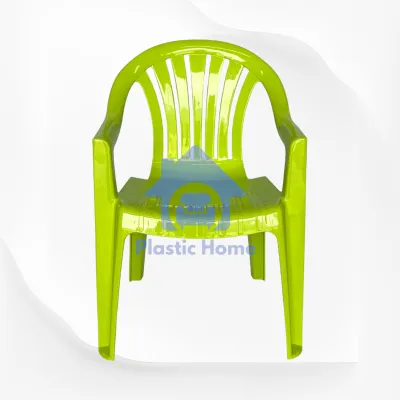
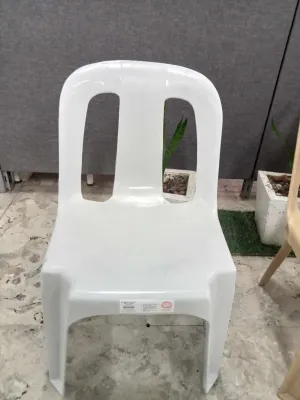

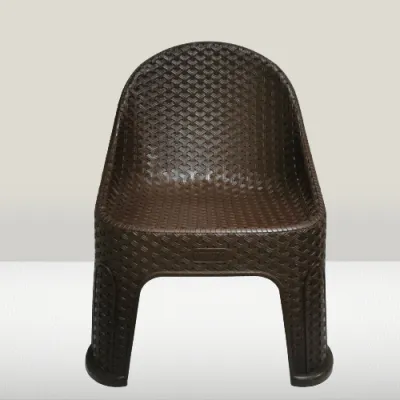
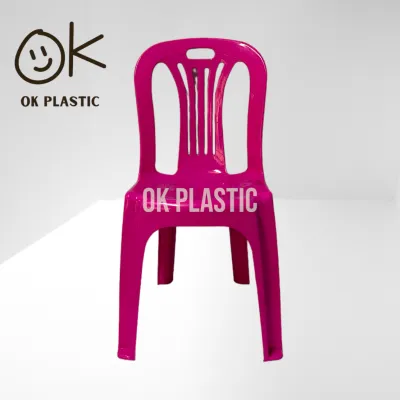
Prices are valid at publication and may change. Please refer to the product page for the latest price.
Another critical factor is foot placement. For optimal blood circulation and spinal alignment, your child’s feet must rest flat on a solid surface. If their legs dangle from the edge of the seat, it puts pressure on the back of their thighs, which can restrict blood flow and cause discomfort during longer study sessions. If the chair is slightly tall but fits the desk well, you can resolve this by placing a sturdy, non-slip footrest underneath the desk.
The depth of the seat also plays a major role in posture. When your child sits all the way back against the backrest, there should be a small gap—roughly the width of two or three fingers—between the back of their knees and the front edge of the seat. A seat that is too deep will force them to slouch forward, losing the support of the backrest entirely. A seat that is too shallow will not provide enough thigh support, making them feel unstable.
Finally, examine the backrest itself. A flat, vertical backrest offers very little support for a child’s natural spinal curve. Look for a monoblock chair with a slightly contoured backrest that mimics the gentle S-curve of the spine. The backrest should be high enough to support the mid-back and shoulder blades, helping your child maintain an upright position naturally without feeling stiff or restricted.
Inspecting Material Quality and Child-Safe Features
Monoblock chairs are highly popular for their lightweight and affordable nature, but manufacturing quality varies significantly. When shopping in physical stores or browsing online marketplaces, the first physical detail to inspect is the finish of the plastic. Run your fingers along the edges of the seat, backrest, and legs to check for sharp injection molding seams or rough burrs. These manufacturing imperfections can easily scratch sensitive skin or snag clothing during daily use.

Safety in a child’s study corner also depends on rounded design elements. Sharp, 90-degree corners on armrests or seat edges pose a risk of impact injuries if a child bumps into the chair while playing or moving around the room. Opt for designs that feature smooth, radiused curves on all exposed edges. This simple design detail significantly reduces the force of accidental bumps and makes the chair much more comfortable to handle.
The base of the chair requires close inspection to prevent slips and slides, especially on smooth flooring materials like polished tiles, laminate, or hardwood. Look for monoblock chairs that feature integrated non-slip rubber feet or textured pads on the bottom of each leg. These grips provide essential traction, keeping the chair firmly in place when your child sits down, stands up, or shifts their weight.
Rather than relying on generic terms like “durable plastic,” read the manufacturer’s product labels and specifications carefully. Look for details regarding the specific polymer used, such as high-density polyethylene (HDPE) or polypropylene (PP), which are known for their resilience. The label should also indicate if the plastic has been treated to resist fading or cracking, and provide clear instructions on which cleaning agents are safe to use without degrading the material over time.
Verifying Weight Capacity and Structural Stability
Children rarely sit completely still; they lean, twist, and rock back and forth while focusing on their tasks. Therefore, verifying the structural integrity of a monoblock chair is vital to prevent sudden collapses or tipping accidents. Start by locating the manufacturer’s official weight capacity, which is typically printed on a sticker underneath the seat or listed in the product manual. Ensure this limit comfortably exceeds your child’s current weight to accommodate growth and sudden downward forces when they sit down quickly.
The physical geometry of the chair’s legs determines its resistance to tipping. Examine the leg splay, which is the angle at which the legs flare outward from the seat. A wider base with slightly splayed legs provides a much lower center of gravity and greater stability than a chair with completely vertical legs. This design prevents the chair from tipping backward or sideways when a child leans over to reach for a book or pencil.
Flip the chair over to inspect its underside for structural reinforcements. High-quality monoblock chairs feature molded ribbing—a grid-like pattern of raised plastic lines—underneath the seat pan and around the joints where the legs meet the seat. This ribbing distributes weight evenly across the structure, preventing the plastic from flexing, bowing, or cracking under pressure. Thicker leg joints are also a key indicator of a robust build.
Additionally, clarify whether the chair is a true single-piece monoblock or if it requires minor assembly. True monoblock chairs are molded as a single continuous piece of plastic, meaning there are no screws, bolts, or joints that can loosen over time. If the model does require minor setup, such as snapping on protective foot caps or attaching a separate backrest, verify that these components fit tightly and lock securely into place without any wobbling.
Planning Space and Practicality for the Study Corner
A study corner must be organized and free of clutter to foster a productive learning environment. Before purchasing any furniture, measure the designated floor space in your child’s room. Compare these dimensions to the outer footprint of the chair, taking into account the space needed to pull the chair out comfortably. There should be enough clearance behind the chair for your child to push back and stand up without hitting walls, shelves, or other furniture.
Consider how the chair will be stored when study time is over. A chair that can slide completely underneath the desk helps keep walkways clear, which is especially valuable in smaller bedrooms or shared spaces. If you are setting up a study area for multiple children, look for stackable monoblock designs. Stacking allows you to clear the floor quickly for playtime or cleaning, maximizing the utility of the room.
Daily maintenance is another practical factor to keep in mind. Children’s study areas are prone to spills from juice boxes, water, and art supplies like markers, glue, and clay. Choose a monoblock chair with a smooth, non-porous surface finish that resists staining. Matte or lightly textured finishes can help hide minor scratches, but they should still be smooth enough to allow you to wipe away dirt, ink, and dust easily with a damp cloth according to the manufacturer’s care guidelines.
Building Your Shortlist: A Practical Evaluation Checklist
When you are ready to compare different options on online marketplaces or in local furniture stores, creating a structured evaluation checklist will help you make an objective decision. Avoid relying on unverified user reviews or generic popularity rankings. Instead, build a simple comparison matrix that focuses on verifiable specifications: seat height, total footprint, maximum weight capacity, and the presence of safety features like non-slip feet and rounded edges.
Establish a realistic budget in Philippine Pesos (₱) and filter out any products that do not provide clear manufacturer specifications or structural warranties. A lower price tag is not a bargain if the chair lacks essential safety labels or feels flimsy upon inspection. Investing in a well-documented chair from a reputable manufacturer ensures that the materials used are safe for indoor home environments and built to last.
Finally, factor your child’s growth into your purchasing strategy. Since children grow rapidly, a fixed-size monoblock chair may only fit them well for a couple of years. You can extend the lifespan of the chair by planning to use adjustable accessories, such as a height-adjustable footrest or a removable seat cushion, to maintain proper ergonomic alignment as they grow. This approach is often more practical and cost-effective than replacing the entire chair every year.
Frequently Asked Questions (FAQ)
Can a standard adult monoblock chair be used for a child's study desk?
Using a standard adult-sized monoblock chair for a child’s study desk is generally not recommended because of the significant size mismatch. An adult chair is too deep and too high, which prevents a child’s feet from reaching the floor and deprives them of proper back support. This setup forces the child to slouch or sit on the edge of the seat, leading to poor posture and early fatigue. If you must use an adult chair temporarily, you must install a very tall, stable footrest and place firm cushions behind the child’s back to bring them forward and keep their spine supported.
How do I safely clean and maintain a plastic monoblock chair?
To maintain the structural integrity and appearance of a plastic monoblock chair, clean it regularly using mild dish soap, warm water, and a soft microfiber cloth. Avoid using abrasive scrubbing pads, steel wool, or harsh chemical cleaners like bleach and acetone, as these can scratch the plastic surface and degrade the polymer, making it brittle over time. If the chair is placed near a window, try to minimize prolonged exposure to direct, intense sunlight, which can cause the plastic to fade and weaken structurally. Always refer to the manufacturer’s specific care label for approved cleaning methods.

Community discussion
Share your experience or ask a question. Comments are reviewed before publication.