
Finding the right movable bedside table requires looking beyond basic aesthetics. A truly functional mobile nightstand must seamlessly integrate electrical safety, accessible storage, smooth-rolling mobility, and structural stability. By evaluating these core features, you can select a piece of furniture that keeps your devices powered, organizes your nighttime essentials, and glides effortlessly across your bedroom floor.
When shopping for a bedside table that features both charging capabilities and storage, the options can be overwhelming. Many models look similar online, but their real-world performance depends heavily on component quality, material durability, and physical dimensions. Taking the time to analyze specific technical details ensures your new furniture remains a helpful asset rather than a safety hazard or a cluttered eyesore.
Assess Charging Capabilities and Cord Management
Integrating power outlets directly into bedroom furniture offers incredible convenience, but it requires careful inspection of the electrical specifications. Start by checking the manufacturer labels for the exact port types provided. A modern setup should ideally feature a mix of traditional USB-A ports for older accessories and high-speed USB-C ports to accommodate newer smartphones, tablets, and laptops. Verify the power output specifications, often listed in watts or amperes, to ensure the ports can charge your specific devices at reasonable speeds without overheating.
Products mentioned in this guide
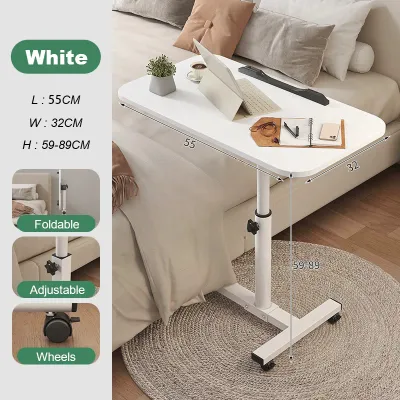
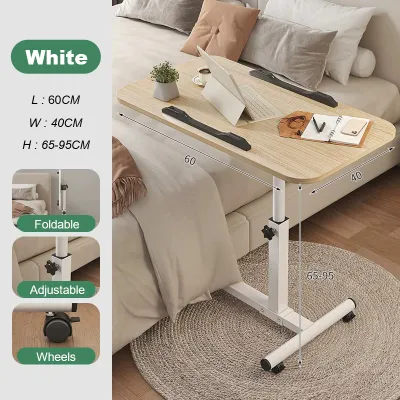
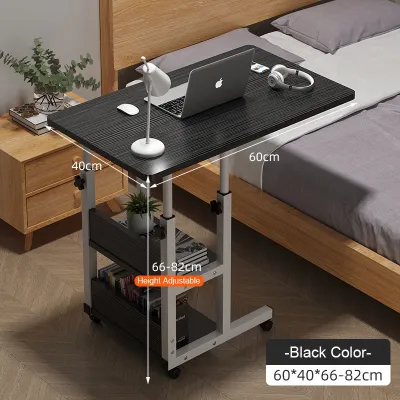
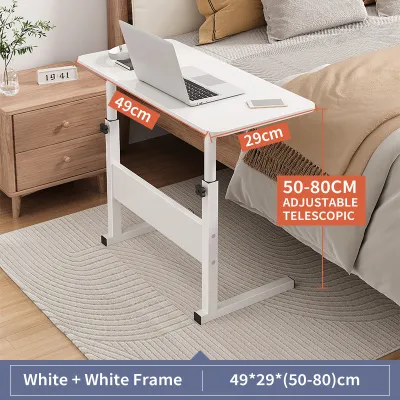
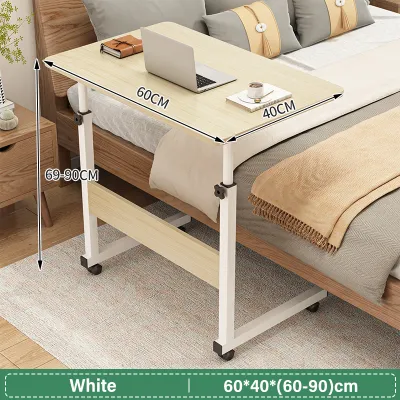
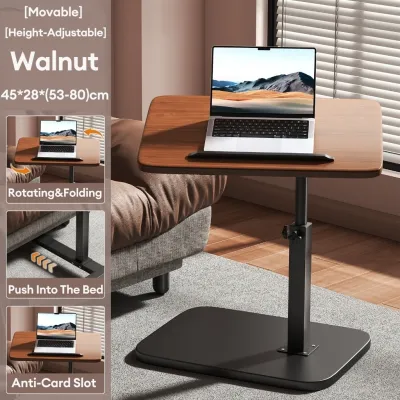
Prices are valid at publication and may change. Please refer to the product page for the latest price.
Cable clutter can quickly ruin the clean look of your bedroom. Look for tables designed with built-in cord routing channels, recessed power strips, or integrated management clips. These design features allow you to guide charging cables neatly from the power source to your device, preventing a tangled mess on the tabletop. Some advanced models feature dedicated charging cubbies or drawers with rear cable pass-throughs, allowing you to charge tablets and power banks completely out of sight.
The safety and usability of your table also depend on the main power cord that connects the unit to the wall. Verify the placement and length of this main cord before making a purchase. A cord that is too short will restrict the table’s mobility or force you to use extension cords, which can create tripping hazards. In warm, humid environments like the Philippines, dust and moisture can accumulate in open electrical contacts. Selecting a table with recessed power strips or protective sliding covers helps safeguard the electrical components from environmental exposure.
Evaluate Storage Configurations for Daily Needs
A bedside table must accommodate your unique nighttime routine, which means the storage layout should match your daily habits. Compare the benefits of open shelves against enclosed drawers. Open shelves are excellent for quick-access items like books, water glasses, or a box of tissues. Conversely, enclosed drawers or cabinets are essential for hiding personal clutter, protecting items from dust, and keeping valuable electronics secure and out of sight.

Before finalizing your choice, check the internal compartment dimensions listed in the product specifications. Ensure the drawers are deep and wide enough to fit your specific items, such as e-readers, journals, or specialized medical devices. If you plan to store taller items like water bottles or large novels, look for models that feature adjustable shelves, which allow you to customize the interior height to your liking.
Weight capacity is another critical factor that is often overlooked. Review the manufacturer’s weight capacity labels for both the top surface and the individual shelves or drawers. Overloading a mobile table can cause the drawers to sag, warp, or jump off their tracks. It can also make the entire unit top-heavy, increasing the risk of structural strain or tipping when you attempt to roll the table across the room.
Check Mobility, Wheel Quality, and Locking Mechanisms
The defining feature of a movable bedside table is its ability to roll smoothly, but the wrong wheels can damage your flooring or make the table difficult to steer. Identify the caster types used on the base of the unit. Soft polyurethane or rubber-coated wheels are ideal for hard floors like tile, polished concrete, or hardwood, as they glide quietly and prevent scratches. Hard nylon wheels are better suited for low-pile carpets, providing the necessary rigidity to roll over fabric fibers without dragging.
Stability is just as important as mobility when the table is stationary. Verify that the unit features reliable brake mechanisms on at least two of its wheels. High-quality locking casters prevent the table from drifting away when you reach to turn off an alarm, plug in a charger, or set down a heavy mug. The locking levers should be easy to engage with your foot but sturdy enough to hold the table firmly in place on slightly uneven floors.
A table’s physical stability during movement depends heavily on its base structure and center of gravity. Inspect the design to ensure the base is wide enough to support the height of the unit. Tables with a narrow base or an uneven weight distribution are prone to tipping, especially when rolling over transitions between different flooring types. Look for models that place the heaviest storage compartments near the bottom to maintain a low center of gravity.
Verify Dimensions, Clearance, and Material Durability
To ensure your new bedside table integrates seamlessly into your bedroom, you must verify its physical dimensions against your existing furniture. Measure your mattress height from the floor to the top of the bedding. Ideally, the tabletop surface should align within two inches of your mattress height. A table that is too tall or too short makes reaching for items uncomfortable and increases the likelihood of knocking over drinks or lamps in the dark.
Material durability is crucial for furniture that is designed to move frequently. Rather than assuming durability based solely on material names like wood or metal, inspect the specific surface treatments, edge banding, and structural joints. In humid tropical climates, moisture can easily penetrate unsealed edges of engineered wood, causing the material to swell and warp. Look for tables with fully sealed PVC edge banding, water-resistant laminate finishes, and sturdy metal joints secured with high-quality screws or bolts.
Finally, check the overall footprint and clearance requirements of the table. Ensure there is enough clearance around your bed frame, wardrobe doors, and curtains to allow the table to roll freely without getting stuck. If your bedroom has limited space, measure the doorway and hallway access to guarantee the unit can be delivered and moved into the room easily, whether it arrives fully assembled or requires home assembly.
Step-by-Step Selection Process
Selecting the perfect movable bedside table is easy when you follow a structured, step-by-step approach. This process helps you eliminate unsuitable models early and focus on the specifications that matter most for your home.
Step 1: Measure your space and power access. Use a tape measure to record your mattress height, the available floor space next to your bed, and the exact distance to the nearest wall outlet. Keep these measurements handy to check against product listings.
Step 2: List your charging and storage requirements. Write down every device you plan to charge overnight and the items you need to store. This list will help you determine the exact number of USB ports, power outlets, drawers, and open shelves you require.
Step 3: Filter models by technical specifications. Search online marketplaces or local furniture stores, filtering out any models that do not meet your dimension, mobility, or power constraints. Pay close attention to caster materials and weight limits during this stage.
Step 4: Verify assembly, delivery, and care instructions. Before finalizing your purchase, check if the table requires assembly and whether the necessary tools are included. Review the manufacturer’s care instructions to ensure the surface finishes can be easily cleaned and maintained over time.
Frequently Asked Questions (FAQ)
Can I use a movable bedside table on thick carpets?
Yes, but you must select the right caster type and size to ensure smooth movement. Thick or high-pile carpets create significant resistance, which can cause small, soft wheels to sink and get stuck. For carpeted bedrooms, look for a table equipped with large-diameter, hard nylon casters that can roll over the fibers easily. Additionally, check the manufacturer’s floor-compatibility labels to ensure the braking mechanism can still engage securely on a soft surface without slipping.
Do wireless charging bedside tables work with thick phone cases?
Wireless charging pads built into bedside tables have physical limitations regarding distance and material interference. Most integrated wireless chargers require your phone to be within 3 to 5 millimeters of the charging coil to function properly. Thick protective cases, especially those made of heavy-duty plastic, leather, or cases containing metal plates and ring stands, can block the electromagnetic induction. Before purchasing, check the manufacturer’s specified maximum charging distance and be prepared to use a thinner case or a direct cable connection if your current case is too thick.

Community discussion
Share your experience or ask a question. Comments are reviewed before publication.