
When preparing for a lipat bahay (house move) in the Philippines, selecting the right storage solutions can mean the difference between a seamless transition and a chaotic mess of damaged belongings. A plastic rack layer organizer is one of the most versatile, lightweight, and moisture-resistant tools you can use for this task. Unlike heavy wooden cabinets or rust-prone metal shelving, a high-quality plastic rack is easy to lift, wash, and adapt to different spaces in your new home. However, not all plastic organizers are built to survive the physical stress of a local move, bumpy transit roads, and high tropical humidity. To choose a unit that protects your belongings and serves you well long after moving day, you must prioritize structural stability, verified load capacities, and transport-friendly dimensions.
Selecting the right organizer requires looking past basic aesthetic appeal. During a move, furniture is subjected to sudden shifts, stacking pressures, and varied environmental conditions. A poorly constructed rack can buckle under the weight of packed goods, crack during loading, or fail to fit through the narrow doorways and stairwells typical of local townhouses and condominium units. By understanding the critical physical specifications, design trade-offs, and packing techniques outlined below, you can make an informed purchase that simplifies your moving process and ensures long-term organizational efficiency.
Key Specifications to Check Before Buying a Moving Rack
Before purchasing a plastic rack layer organizer for your move, you must verify its physical load limits. Do not rely on generic marketing terms such as “heavy-duty,” “ultra-strong,” or “premium quality,” as these labels are not standardized and do not guarantee performance. Instead, locate the manufacturer’s official product label or specification sheet to find the rated weight capacity per shelf and the cumulative weight limit for the entire assembled unit. These ratings are typically calculated under static conditions, meaning the weight must be distributed evenly across the shelf surface while the rack remains stationary on a flat, level floor.
Products mentioned in this guide
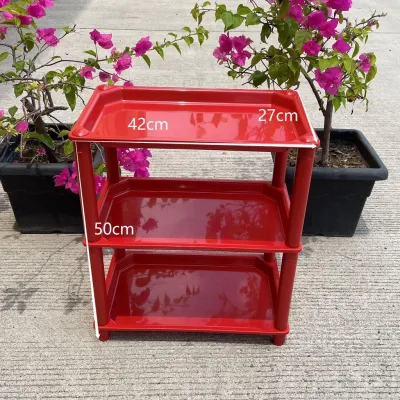
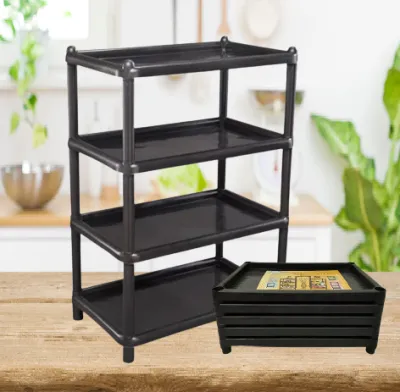
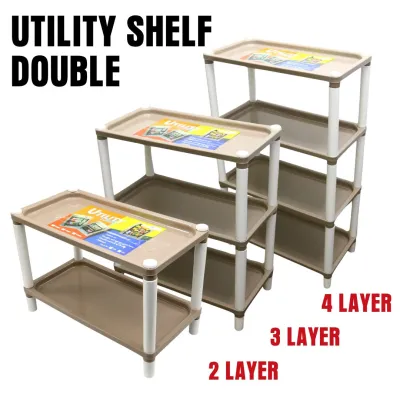
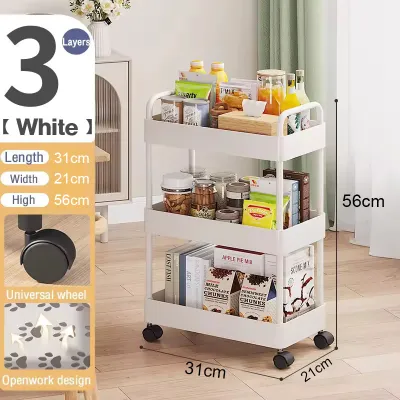
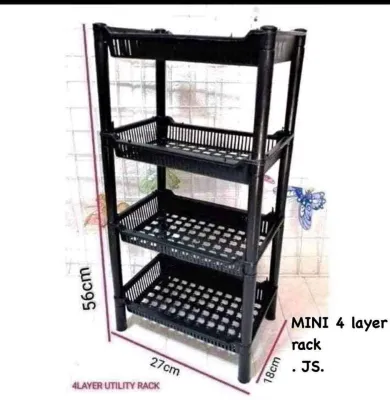
Prices are valid at publication and may change. Please refer to the product page for the latest price.
It is vital to distinguish between static load capacity and dynamic load capacity when preparing for a move. When a loaded rack is transported in a moving vehicle, the vibrations, sudden braking, and sharp turns subject the plastic structure to dynamic forces that can far exceed static weight limits. If a shelf is rated for a static load of 15 kilograms, you should aim to pack no more than 10 kilograms of items on that shelf during transit to provide a safe buffer. Exceeding these thresholds can cause the plastic to bow permanently or fail catastrophically at the joint connections, potentially damaging your fragile household goods.
Inspect the structural engineering of the shelves and supporting pillars to assess their true load-bearing potential. Turn the shelf over and examine the underside; high-quality plastic organizers feature molded reinforcement ribs arranged in a dense grid or honeycomb pattern. These ribs distribute downward force outward toward the vertical support columns, preventing the center of the shelf from sagging. Additionally, measure the thickness of the vertical poles and inspect the joint locking mechanisms. Look for thick-walled cylindrical or rectangular support columns that slip deeply into reinforced corner sockets, as these provide far greater lateral stability than thin, shallow-fitting joints.
Assembled dimensions and footprint are equally critical when planning your packing and loading logistics. Measure the exact width, depth, and height of the fully assembled rack, and compare these measurements against the narrowest pathways of both your current residence and your new home. Pay close attention to standard doorway widths (which often range from 70 to 80 centimeters), tight hallway corners, low-clearance stairwells, and elevator doors. If you plan to transport the rack fully assembled to save time, ensure its total height coordinates with the vertical clearance of your moving vehicle, whether you are utilizing a compact utility van, an open pickup truck, or a large closed aluminum van.
Finally, consider the floor surface of your new home and how the rack’s footprint interacts with it. A rack with narrow, pointed feet can concentrate weight into a small surface area, potentially denting soft vinyl flooring, scratching delicate wood laminates, or cracking ceramic tiles under heavy loads. Look for organizers that feature wide, flat base caps or solid bottom panels that distribute the weight evenly. If the rack is destined for a garage, utility room, or damp laundry area in the Philippines, ensure the base is elevated slightly off the ground to prevent standing water from pooling around your stored items during the rainy season.
Open vs. Enclosed Designs: Choosing the Right Protection
Deciding between an open-shelf plastic rack and an enclosed or doored plastic organizer requires balancing accessibility against protection. Open-shelf designs consist of exposed tiers supported by vertical corner poles, offering unobstructed access from all four sides. This configuration is highly advantageous during the packing phase of a lipat bahay, as it allows you to quickly identify, grab, or restock items without opening doors or pulling out drawers. The open structure also simplifies the cleaning process, allowing you to wipe down the shelves rapidly before loading them with goods.

In the humid tropical climate of the Philippines, open-shelf racks offer a distinct environmental advantage by maximizing natural airflow. Enclosing items in tight, unventilated plastic spaces can trap ambient moisture, creating a breeding ground for mold, mildew, and musty odors on fabrics, books, and kitchenware. Open shelves allow air to circulate freely, keeping your belongings dry and fresh. However, this open nature presents a significant vulnerability during transit. If your moving route involves dusty roads, or if you are transporting your items in an open-bed vehicle during a sudden afternoon downpour, items on open shelves will be fully exposed to the elements unless they are meticulously wrapped in protective plastic sheeting.
Enclosed plastic organizers, such as cabinet-style units with swing doors or integrated drawer chests, provide robust barrier protection for sensitive household goods. These designs are ideal for safeguarding fragile glassware, clean linens, important documents, and kitchen utensils from road dust, soot, diesel exhaust, and unexpected moisture during the move. Furthermore, enclosed units prevent smaller, loose items from sliding off the edges of the shelves when the moving truck encounters potholes, steep inclines, or sharp turns. The physical boundaries of doors and drawers keep your items contained within the structural frame of the organizer.
Despite these protective benefits, enclosed plastic units carry notable physical trade-offs that you must consider. The addition of doors, side panels, backboards, and drawer slides significantly increases the overall weight and bulk of the unit, making it much more difficult to lift, maneuver, and position inside a moving truck. Additionally, the moving parts of enclosed organizers are highly susceptible to damage during transit; cabinet doors can swing open violently if not taped shut, and drawer tracks can misalign or crack if the unit is subjected to lateral twisting. Enclosed units also require a larger physical clearance when loading, as you must account for the swing radius of the doors or the extension depth of the drawers.
| Design Feature | Open-Shelf Racks | Enclosed Cabinet Organizers |
|---|---|---|
| Airflow & Ventilation | Excellent; prevents mold and moisture buildup | Limited; can trap tropical humidity if sealed |
| Dust & Rain Protection | Low; requires external wrapping during transit | High; doors and solid panels block elements |
| Item Security in Transit | Low; loose items can slide off easily | High; items remain contained within drawers/doors |
| Weight & Portability | Lightweight; easy to lift and carry | Heavy and bulky; harder to maneuver in tight spaces |
| Access & Visibility | Instant; accessible from all four sides | Restricted; requires opening doors or drawers |
Recommended Plastic Rack Styles for Specific Moving Tasks
Different phases of a lipat bahay require specialized organizational strategies. Matching the specific style of your plastic rack layer organizer to the weight, fragility, and frequency of use of your items will streamline your packing process and protect your investment.
Heavy-Duty Shelving for Dense and Heavy Items
For dense, heavy household goods such as canned food supplies, kitchen appliances, heavy cooking pots, and stacks of reference books, you must select heavy-duty plastic shelving units. These racks are characterized by thick-walled polypropylene or high-density polyethylene (HDPE) construction, robust structural ribbing under each shelf, and wide, stable bases that resist tipping. They are engineered to handle substantial vertical loads without bowing, cracking, or shifting over time.
When using heavy-duty plastic shelving, you must strictly adhere to the manufacturer’s weight limits and avoid assuming that all plastics labeled as “heavy-duty” possess identical strength. Always load the heaviest items on the bottom shelf to establish a low center of gravity, which drastically improves the stability of the rack and reduces the risk of it tipping over during loading or transit. If you notice any visible bowing or stress whitening along the plastic joints when testing your packed items, immediately redistribute the weight to lighter boxes or separate units.
Collapsible Racks for Maximizing Truck Space
If your primary goal is to optimize the cargo space inside your moving truck or to store your organizing units flat when they are not in use, collapsible or foldable plastic racks are an excellent choice. These organizers feature integrated hinge joints or modular, tool-free snap-fit connections that allow you to assemble the unit in minutes and fold it down into a completely flat profile for easy transport.
While collapsible racks offer unmatched convenience and space-saving efficiency, they involve clear structural trade-offs. The hinge joints and folding mechanisms introduce points of vulnerability that reduce the rack’s overall weight tolerance compared to rigid, single-mold frames. Lateral forces—such as those experienced when a moving truck sways around a curve—can place intense shear stress on folding joints, potentially causing them to collapse if overloaded. Limit the use of collapsible racks to lightweight or medium-weight items, such as plastic storage tubs, clothing, towels, and dry pantry goods.
Rolling Tier Carts for Quick Room-to-Room Transfers
Multi-tier rolling plastic utility carts are indispensable for managing lightweight, high-frequency essentials during the chaotic packing and unpacking phases of a move. These mobile organizers allow you to keep packing tape, scissors, bubble wrap, markers, cleaning sprays, rags, and personal essentials organized and within arm’s reach as you move from room to room.
When selecting a rolling tier cart, carefully inspect the quality of the caster wheels, the presence of reliable wheel locks, and the ergonomics of the push handles. Brittle, low-grade plastic wheels can easily crack or seize when rolling over tiled floors, door thresholds, or rough concrete driveways. Opt for carts equipped with wide, rubberized casters, and ensure that at least two of the wheels feature functional locking mechanisms to secure the cart on sloped ramps or inside the moving vehicle. Be aware that rolling carts have a narrow footprint and a high center of gravity; pushing a fully loaded cart over an uneven threshold or up a steep loading ramp without securing the contents can cause it to tip over instantly.
Packing and Loading Your Plastic Racks for Transit
Safely transporting your plastic rack layer organizer during a lipat bahay requires systematic preparation to prevent structural damage and protect the surrounding cargo. If you decide to transport the rack fully or partially assembled, you must secure the individual components to prevent them from shifting under the influence of road vibrations.
Step-by-Step Preparation for Transit:
- Secure the Shelf Layers: Use high-quality industrial stretch wrap (cling wrap) to wrap the entire exterior of the assembled rack tightly. Start from the bottom shelf and work your way up, ensuring the wrap binds the shelf panels firmly to the vertical support poles. This prevents individual shelves from popping out of their slots when the truck encounters bumps.
- Reinforce Joint Connections: For modular racks that snap together, loop heavy-duty nylon zip ties through the corners of the shelves and around the support poles. This provides a secondary mechanical lock that prevents the joints from separating under tension.
- Tape Doors and Drawers Shut: If utilizing an enclosed cabinet organizer, use low-residue painter's tape or packing tape to secure all doors and drawers in the closed position. Avoid using highly adhesive duct tape directly on the plastic, as it can leave a sticky residue that attracts dust and is difficult to clean.
- Position Against Flat Surfaces: When loading the rack into the moving truck, place it flat against one of the interior wooden or metal walls. Avoid placing the rack in the center of the cargo hold where it can slide freely.
- Anchor the Frame: Secure the rack to the truck’s tie-down anchors using adjustable ratchet straps or soft utility ropes. Apply tension evenly; overtightening straps against a hollow plastic frame can crush or warp the structure.
- Protect the Top Shelf: Never place heavy, unboxed metal items, wooden furniture, or sharp tools directly on top of the plastic shelves. The sharp edges can easily puncture the plastic, and excessive downward pressure can cause the support columns to buckle.
Establish clear safety boundaries before commencing the move. Always consult the manufacturer’s printed instructions or official website if the disassembly process is unclear; attempting to force tight plastic joints apart with a hammer or metal tool can easily shatter the cold-molded polymer. If the manufacturer’s instructions explicitly state that the unit must be disassembled for transport, or if you cannot secure the layers adequately, prioritize complete disassembly. Never attempt to stack heavy cardboard boxes or appliances on top of an assembled plastic rack inside the moving truck, as the cumulative downward pressure during transit can cause the plastic frame to fail catastrophically, damaging everything underneath it.
Frequently Asked Questions (FAQ)
Can plastic racks withstand the heat inside a closed moving truck?
Closed aluminum moving vans, steel shipping containers, or delivery trucks parked directly under the intense Philippine sun can experience internal temperatures that easily exceed 50°C to 60°C. Before subjecting your plastic rack layer organizer to these extreme environments, you must check the manufacturer’s material specifications and temperature guidelines on the product label. High-quality, virgin polypropylene (PP) and high-density polyethylene (HDPE) are resilient polymers that can typically withstand these thermal ranges without losing structural integrity or releasing harmful chemicals.
However, cheaper organizers made from low-grade, recycled plastics or thin PVC can soften, warp, or become highly brittle when exposed to prolonged heat. To mitigate the risk of thermal damage, avoid leaving a loaded moving truck parked in direct sunlight for extended periods. When loading your vehicle, place heat-sensitive items—such as electronics, cosmetics, pressurized aerosol cans, and candles—on separate, easily accessible shelves so they can be unloaded immediately upon arrival, and avoid placing heavy items on the plastic shelves while the interior of the truck is hot, as the temporarily softened plastic is highly susceptible to permanent bowing under load.
Should I disassemble the plastic rack before the movers arrive?
Deciding whether to disassemble your plastic rack layer organizer before your movers arrive depends on the distance of your move, the available space in the moving vehicle, and the structural design of the rack itself. Completely disassembling the rack is the safest approach for long-distance moves or when truck space is at a premium. Disassembly reduces the organizer to flat, easily stackable panels and poles, eliminating the risk of joint stress, cracking, or lateral deformation caused by the shifting forces of a moving vehicle.
If you choose to disassemble the rack, you must establish a system to prevent the loss of small components. Place all small hardware, connector pins, caster wheels, and wall-anchoring brackets into a heavy-duty, transparent zip-top bag. Use permanent marker to label the bag clearly, and tape it securely to one of the main shelf panels using high-tack tape. This ensures that all critical assembly parts remain with the unit and are immediately accessible when you begin setting up your new home. Conversely, if you are conducting a short, local move, have ample space in a closed van, and have secured the shelf layers with stretch wrap, keeping the rack assembled can save valuable time during both the packing and unpacking phases.
Community discussion
Share your experience or ask a question. Comments are reviewed before publication.