
Preparing your child for a productive school year involves more than just gathering notebooks, pencils, and backpacks. Creating a dedicated, distraction-free study corner is essential for fostering focus and good study habits. While heavy wooden chairs or bulky ergonomic office chairs are popular choices, they are not always practical for compact spaces or younger children. Incorporating a lightweight, durable, and budget-friendly stoll chair plastic setup into your child’s study corner offers an excellent alternative. To make the best choice, parents must look beyond vibrant colors and focus on structural integrity, height compatibility, and safety features that support comfortable, daily learning.
Choosing the right study furniture requires balancing physical support with practical household needs. A plastic stool or chair provides a highly adaptable seating solution that can easily evolve alongside your child’s daily routine. By evaluating key physical dimensions, material quality, and design variations, you can establish a comfortable study environment that keeps your child engaged and pain-free throughout the school year.
Why a Plastic Stool Chair Works for a Kids' Study Space
Plastic stool chairs offer distinct practical advantages that make them highly suitable for a child’s study area. One of the most immediate benefits is their lightweight nature. Children can easily move these stools independently, allowing them to adjust their seating position, pull themselves closer to the desk, or tuck the stool away when study time is over. This portability encourages autonomy, as children do not need to rely on adults to rearrange their study space.
Products mentioned in this guide
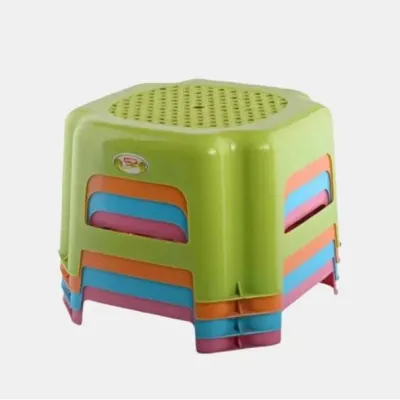
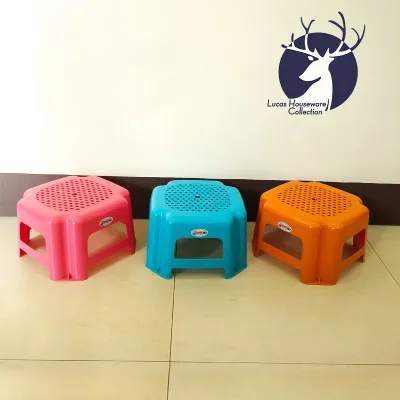
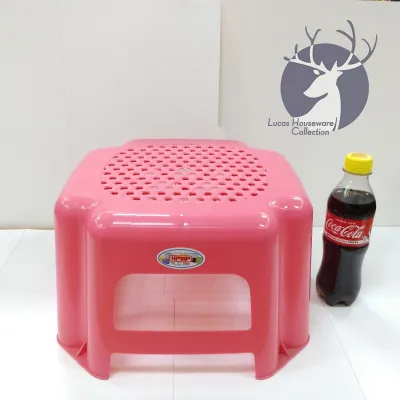
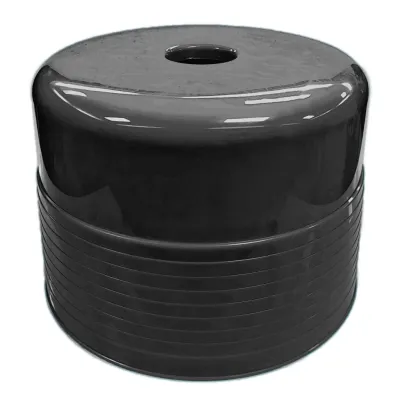
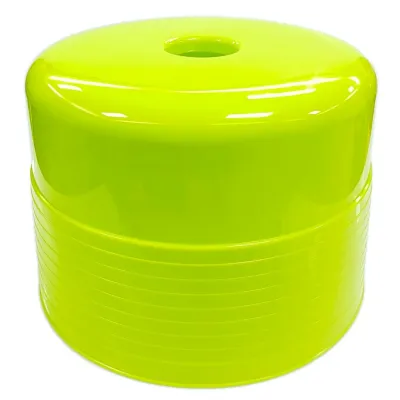

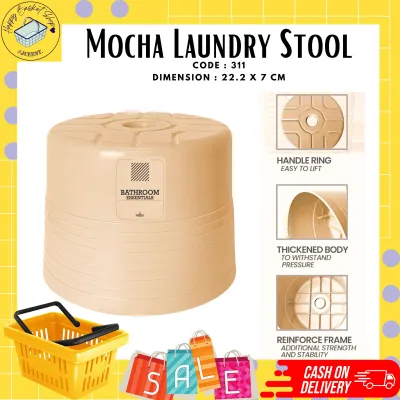

Prices are valid at publication and may change. Please refer to the product page for the latest price.
In the tropical climate of the Philippines, furniture maintenance requires careful consideration. High relative humidity and warm temperatures mean that fabric-upholstered chairs can easily trap sweat, dust, and environmental moisture, leading to unpleasant odors or mold growth over time. Smooth plastic surfaces do not absorb moisture, making them exceptionally easy to wipe clean with a damp cloth. This low-maintenance quality is highly practical for busy households where snacks, art supplies, and spilled drinks are a regular part of the daily study routine.
Space efficiency is another compelling reason to opt for a compact stool design. Many urban homes, townhouses, and condominiums have limited floor space, meaning children often share bedrooms or study in multi-purpose areas. A stool has a significantly smaller footprint than a standard high-backed office chair. When the school day is complete, the stool can be pushed entirely underneath the desk, keeping walkways clear and maximizing the usable floor area for playtime or other family activities.
While plastic is highly durable and resilient against rough handling, parents must remember that not all plastic stools are created equal. Selecting a model with the right structural properties and ergonomic features is essential. A well-chosen stool can support a child’s posture and comfort, but a poorly matched one can lead to slouching or restlessness. Understanding what specifications to look for ensures you get the maximum benefit from this practical material.
Essential Specifications to Check Before Buying
Before purchasing a plastic stool for your child’s study corner, you must evaluate several critical physical and structural specifications. These details ensure the chair is safe, comfortable, and perfectly suited to your child’s unique physical dimensions and desk setup.

Seat Height and Desk Compatibility
Matching the stool’s seat height to your existing study desk is the most critical factor in promoting proper posture. When a child sits, their elbows should rest comfortably on the desk surface at a 90-degree angle, and their shoulders should remain relaxed. If the seat is too low, the child must reach upward, causing shoulder strain; if the seat is too high, they will slouch forward, putting pressure on their lower back and neck.
To ensure a perfect match, measure the distance from the floor to the underside of your child’s study desk. Compare this measurement with the seat height specifications provided by the manufacturer. As a general rule, there should be a clearance of approximately 20 to 25 centimeters between the top of the seat and the underside of the desk to allow comfortable room for the child’s thighs. Avoid guessing standard heights based on product photos, as children’s furniture dimensions vary widely across different brands and online listings.
Additionally, pay close attention to where your child’s feet rest. For optimal ergonomic support, a child’s feet must rest flat on the floor or on a stable surface, keeping their knees at a 90-degree angle. If the stool is slightly too tall for your child’s feet to touch the ground, you should pair it with a dedicated footrest to prevent their legs from dangling, which can restrict circulation and cause discomfort during long study sessions.
Base Stability and Weight Capacity
Active children rarely sit perfectly still. They shift their weight, lean forward to write, twist to reach for school supplies, and occasionally rock back and forth. To prevent tipping accidents, the stool must possess excellent base stability. Look for designs that feature splayed or flared legs, where the bottom footprint of the legs is wider than the seat surface. This design widens the center of gravity, making the stool much harder to tip over during sudden movements.
Flooring material also plays a significant role in stability. Many homes in the Philippines feature smooth ceramic tiles, polished concrete, or vinyl plank flooring. A bare plastic leg can easily slide on these surfaces, especially when a child attempts to sit down or stand up. Ensure the stool is equipped with integrated anti-slip feet, rubber caps, or thermoplastic elastomer (TPE) pads. These caps provide essential grip, dampen noise when the stool is moved, and protect your floors from unsightly scratches.
Never assume that all plastic stools carry the same weight. Always check the manufacturer’s stated maximum weight capacity on the product specification sheet or packaging. High-quality stools molded from virgin polypropylene can typically support substantial weight, whereas lower-grade plastics may buckle or warp under sudden impacts. Choosing a stool with a certified load capacity that comfortably exceeds your child’s current weight ensures long-term safety and structural durability.
Surface Finish and Edge Safety
During the manufacturing of plastic furniture, molten plastic is injected into molds. This process can leave behind thin, sharp ridges of excess plastic along the seams, known as flashing or burrs. If these edges are not properly trimmed and smoothed by the manufacturer, they can scratch a child’s bare skin or snag delicate school uniforms and clothing.
When browsing product descriptions or reading customer reviews, look for explicit mentions of smooth, rounded edges and seamless construction. A high-quality plastic stool should have a uniform, tactile finish without any rough patches or sharp points. Rounded corners are especially important for children’s furniture, as they minimize the risk of painful bumps if a child accidentally runs into the stool while playing.
While visual and tactile inspection upon delivery is your final safeguard, you can also look for manufacturer certifications regarding material safety. Some brands highlight the use of non-toxic, BPA-free, or food-grade plastics. These certifications offer peace of mind that the stool will not emit harmful volatile organic compounds (VOCs) inside a closed, air-conditioned bedroom or study space.
Recommended Stoll Chair Plastic Designs for Different Study Habits
Different study habits and room layouts require different seating designs. Matching the style of the stool to your child’s specific routine will help them stay comfortable and focused throughout their homework sessions.
Backless Stools for Compact Spaces and Active Sitting
Traditional backless plastic stools are highly effective for very tight study corners or multi-purpose rooms. Because they have no backrest or armrests, these stools can be pushed completely underneath the study desk when not in use. This keeps the surrounding floor area entirely clear, which is ideal for small bedrooms or shared family spaces where walkways must remain unobstructed.
From an ergonomic perspective, backless stools encourage active sitting. Without a backrest to lean against, a child must naturally engage their core muscles to maintain an upright posture. This active engagement can help improve alertness and reduce fidgeting, making backless stools excellent for shorter, highly focused tasks. They are perfect for quick drawing sessions, coloring, or completing brief homework worksheets.
However, backless designs have clear limitations. Because they offer no lumbar support, they are not suitable for extended study periods, long reading sessions, or online classes that require hours of sitting. Prolonged use without back support can lead to muscle fatigue and slouching, so these stools are best reserved for younger children with shorter study intervals or paired with regular movement breaks.
Stools with Backrests for Longer Homework Sessions
If your child is older or has longer homework assignments, a plastic stool with an integrated backrest is a more suitable choice. These hybrid designs combine the compact, lightweight base of a stool with a low- or mid-height backrest. This setup offers essential lumbar support, helping the child maintain a healthy spinal alignment without the bulk and heavy weight of a full-sized office chair.
This design is highly recommended for children who spend consecutive hours reading, writing, or using a computer or tablet at their study desk. The backrest provides a supportive surface for the child to lean against when resting, reducing fatigue in the lower back and neck muscles. It helps keep the child comfortable and focused on their tasks for longer stretches.
When selecting a stool with a backrest, pay close attention to the flexibility and angle of the support. The backrest should have a slight, comfortable tilt but remain rigid enough to provide firm support when weight is applied. Avoid models where the backrest flexes excessively, as a flimsy back support can cause the child to lean too far back, potentially destabilizing the stool and causing a fall.
Stackable Options for Shared or Multi-Purpose Rooms
For households with multiple school-aged children, stackable plastic stools offer an incredibly practical solution. If your children share a single large study table or work side-by-side in a common area, stackable stools allow you to set up multiple workstations quickly and clear them away just as fast when the study session is over.
These stools can be stacked vertically in a corner, a closet, or behind a door, occupying the footprint of just a single stool. This capability is highly beneficial for multi-purpose rooms that serve as a study area during the day and a play area or sleeping space at night. It allows you to transform the room’s function in a matter of seconds.
When choosing stackable models, verify that the stacking mechanism is smooth and does not scratch or damage the plastic finish of the stools beneath. More importantly, ensure the design does not create tight pinch points where small fingers could get trapped during stacking or unstacking. The stools should nest together securely without jamming, allowing for safe and easy handling by both parents and children.
How to Verify Safety and Quality Upon Delivery
Once your chosen plastic stool arrives from an online marketplace or local retailer, conducting a thorough physical inspection is essential before letting your child use it. Checking the product firsthand ensures it meets all safety and quality standards.
First, unbox the stool and carefully run your hands along all the edges, corners, and the underside of the seat. Feel for any sharp plastic burrs, rough molding seams, or manufacturing defects that could scratch skin or snag clothing. If you find minor rough spots, you may be able to smooth them down, but significant sharp ridges warrant a return.
Next, flip the stool over to inspect the structural reinforcing ribs on the underside of the seat. High-quality plastic stools feature a dense grid pattern of molded plastic ribs underneath the seat surface and along the leg joints. These ribs are crucial because they distribute weight evenly, prevent the plastic from sagging or bowing under pressure, and ensure the stool maintains its structural shape over years of daily use.
Place the stool on the exact floor surface where your child will be studying. Apply firm downward pressure on the seat from different angles, and check if all feet make solid contact with the floor. The stool should not wobble, tilt, or slide easily. If the legs are uneven or the anti-slip pads fail to grip your tiles or wood flooring, the stool poses a safety risk and should not be used.
Finally, check the physical product label, manual, or packaging for the official weight limit, age recommendations, and care instructions. Compare these details with the information provided on the online product listing. If you notice structural flexing when a light weight is applied, find sharp edges that cannot be safely smoothed, or detect a strong, persistent chemical odor that does not dissipate after 24 hours in a well-ventilated area, initiate a return or exchange with the seller immediately to ensure your child’s safety.
Frequently Asked Questions (FAQ)
Are plastic stools comfortable for long study hours?
While plastic stools are highly durable and easy to clean, plastic is an unyielding, hard material that can become uncomfortable during extended study sessions. To improve comfort and distribute sitting pressure more evenly, you can add a thin, washable, non-slip seat cushion that secures firmly to the stool with straps. However, keep in mind that physical comfort is also highly dependent on movement. Regardless of the seat material, children should take regular breaks to stand up, stretch, and move around—ideally every 25 to 30 minutes—to maintain healthy circulation and prevent muscle fatigue.
How should I clean and maintain a plastic study chair in a humid climate?
Maintaining a plastic study chair in a humid tropical environment is simple and straightforward. Wipe the stool down weekly using a soft microfiber cloth dampened with warm water and a few drops of mild dishwashing soap to remove dust, sweat, and sticky residues. Avoid using harsh chemical solvents, bleach, or abrasive scouring pads, as these can scratch the plastic surface and create microscopic grooves where dirt and mold can easily settle. After wiping, always dry the stool thoroughly with a clean towel to prevent moisture buildup, ensuring a clean and hygienic study environment for your child.
Community discussion
Share your experience or ask a question. Comments are reviewed before publication.