
A spinning chair, often called a swivel chair, brings dynamic movement and versatility to a dedicated reading corner, allowing you to turn effortlessly between a bookshelf, a side table, or a window view. To find the right model for your home, you must look beyond aesthetics and evaluate the chair’s physical footprint, ergonomic support, base stability, and upholstery durability. Balancing these practical factors ensures your reading nook remains a comfortable, functional retreat for hours of uninterrupted reading.
Assessing Your Reading Corner Space and Layout
Before purchasing a spinning chair, you must measure the physical boundaries of your designated reading area. Unlike stationary armchairs, a swivel chair requires a circular clearance zone to rotate freely without striking walls, windows, or adjacent furniture. Start by measuring the total footprint of the chair, paying close attention to the maximum width and depth when the chair is fully extended. If the model features a tilt or recline function, you must calculate the additional clearance needed behind the backrest to prevent it from scraping against the wall.
Delivery logistics are just as critical as the final placement in your room. You should measure the width and height of all entry points, including front doors, narrow hallways, stairwells, and elevator doors, to ensure the fully assembled chair or its packaging can pass through safely. Many modern condominiums and homes in the Philippines feature compact entryways or tight corners that can make moving bulky furniture challenging. Checking these dimensions beforehand prevents the frustration of a delivery that cannot reach your living space.
Products mentioned in this guide
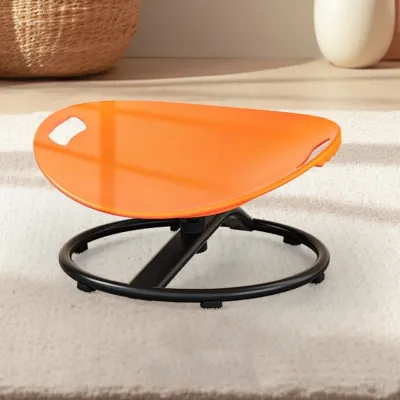
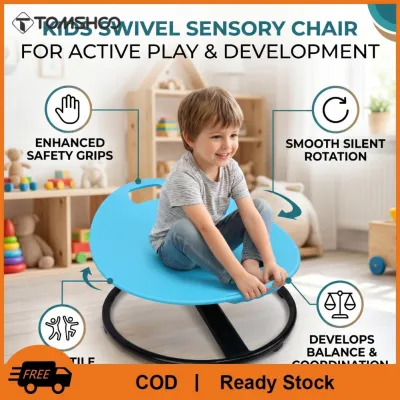
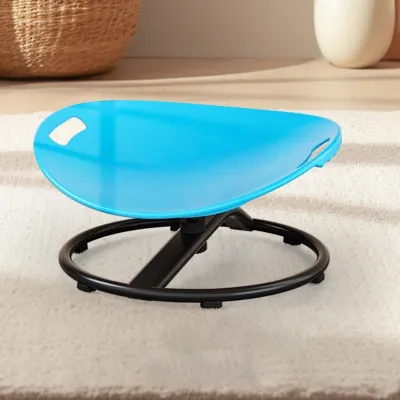
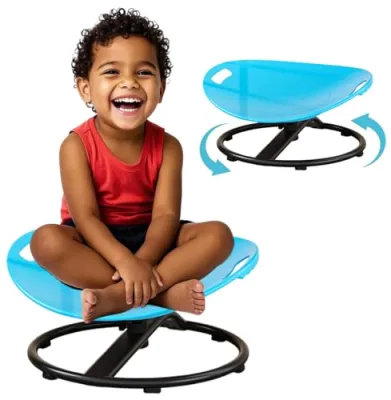
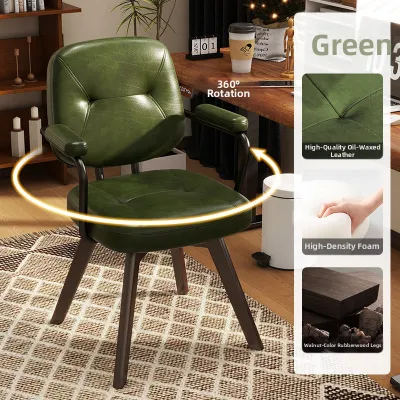
Prices are valid at publication and may change. Please refer to the product page for the latest price.
A successful layout maintains a natural traffic flow while keeping reading essentials within arm’s reach. Position your spinning chair so that its rotation does not block main walkways or conflict with nearby doors. When planning the layout, leave sufficient space for a small side table to hold your coffee or tea, a floor lamp for focused task lighting, and perhaps a matching ottoman for leg support. Ensuring these items sit just outside the chair’s active swivel radius allows you to turn freely without knocking over your belongings.
Evaluating Comfort and Ergonomic Support for Reading
Extended reading sessions require a chair that actively supports your body and prevents fatigue. When evaluating a spinning chair, compare the seat depth and backrest height against your personal body proportions. A seat that is too deep can cause you to slouch, straining your lower back, while a seat that is too shallow fails to support your thighs. Look for a backrest that aligns with the natural curve of your spine, providing dedicated lumbar support and a high enough profile to rest your neck and head comfortably.

Cushion density and fill materials directly determine how well the chair maintains its shape and comfort over time. You can evaluate these characteristics by reviewing the manufacturer’s specifications, checking product tags, or performing in-store sit tests. High-density foam cushions generally offer firmer, more resilient support that prevents you from sinking too deeply, which is ideal for maintaining a healthy reading posture. Softer fills, such as polyester fiber or down blends, provide a plush, enveloping feel but may require regular fluffing to prevent sagging.
Armrests play a vital role in reducing shoulder and neck strain while you hold a physical book, tablet, or e-reader. The ideal armrests should be wide enough to support your forearms comfortably and positioned at a height that allows your shoulders to remain relaxed. Look for padded armrests that cushion your elbows, or check if the chair’s design allows you to tuck a small support pillow under your arms. If you prefer to read in various curled-up positions, ensure the interior width between the armrests provides enough room to shift comfortably.
Inspecting the Swivel Mechanism and Base Stability
The longevity and safety of a spinning chair depend heavily on the quality of its rotating base and internal mechanism. Always verify the maximum weight capacity and the base construction materials by consulting the manufacturer’s instruction manual or product label. Heavy-duty metal bases, such as those made from reinforced steel or solid aluminum, offer superior stability and are less prone to wobbling or tipping during sudden movements compared to lightweight plastic alternatives.
Protecting your flooring is another essential consideration when choosing a swivel chair. Smooth tile, laminate, or polished hardwood floors can easily sustain scratches or scuffs from constant rotation. Inspect the underside of the base for built-in floor protectors, such as non-marking rubber rings, felt pads, or smooth nylon glides. If the chair comes with casters, ensure they are specifically rated for your floor type, or plan to place a low-profile area rug underneath the base to act as a protective barrier.
The feel of the rotation itself should match your personal comfort and safety preferences. Observe the swivel tension during a test sit; the chair should rotate smoothly and quietly without feeling loose or spinning too rapidly. Some high-quality mechanisms feature a return-to-center function, which automatically aligns the chair to its forward-facing position when you stand up. Others may include a manual locking lever, which is highly useful if you want to temporarily disable the spinning action to keep the chair stationary while reading.
Choosing Upholstery for Durability and Easy Care
Selecting the right upholstery material involves balancing tactile comfort with the practical realities of your household environment. Always review the manufacturer’s care labels to understand the specific cleaning codes, recommended cleaning solvents, and warranty conditions. In tropical climates like the Philippines, high humidity and warm temperatures make material breathability a primary concern. Choosing fabrics that resist moisture buildup and are easy to spot-clean will keep your reading corner fresh and inviting year-round.
Different upholstery materials offer distinct advantages depending on your room’s layout and lighting. Tight fabric weaves and heavy-duty canvas provide excellent durability and a casual, cozy texture, though they may require protective treatments to resist stains. Velvet offers a luxurious, soft feel but can trap heat and may show wear patterns over time. Faux leather is highly resistant to spills and easy to wipe clean, but it can feel sticky in warm weather if the room lacks air conditioning, and it may degrade if exposed to direct sunlight near a window.
Finally, examine the physical construction of the upholstery to ensure it can withstand daily use. Inspect the seam construction and stitching quality along the edges and corners, looking for tight, even stitches that show no signs of fraying or pulling apart under tension. If you anticipate frequent spills or have pets in the home, check for zipper accessibility on the cushions. Removable, washable covers make long-term maintenance significantly easier, allowing you to keep your reading chair looking pristine with minimal effort.
Frequently Asked Questions (FAQ)
How much clearance is needed behind a spinning chair?
To determine the necessary clearance, measure the chair’s maximum depth when it is fully reclined or tilted backward. Add a buffer zone of at least 30 to 45 centimeters to this measurement to allow for comfortable walking space and to prevent the chair from hitting walls or nearby furniture during rotation. If the chair only swivels without reclining, a clearance of 15 to 20 centimeters from the wall is usually sufficient to ensure the outer edges of the backrest do not rub against the wall surface.
Is a spinning chair suitable for a small reading nook?
Yes, a spinning chair can be highly beneficial in a compact reading nook because it allows you to pivot toward different parts of the room without physically moving the furniture. This flexibility makes it easy to turn toward a side table, a bookshelf, or a window within a tight layout. However, you must carefully check the stationary footprint and the outer armrest width of the chair before buying. Choosing a model with a streamlined, low-profile base ensures the chair fits comfortably in a small corner without overwhelming the limited space.
Community discussion
Share your experience or ask a question. Comments are reviewed before publication.