
Choosing a tokador with mirror is more than just picking a beautiful piece of bedroom furniture; it is about creating a functional, comfortable space where you can prepare for the day ahead. A successful vanity setup harmonizes your storage requirements, lighting needs, and physical space limitations. By focusing on key specifications such as physical dimensions, mirror configurations, and material resilience, you can find a piece that serves your daily routine for years to come.
In many homes, the bedroom serves multiple purposes, making space a premium. A vanity table that is too large can disrupt the flow of the room, while one that is too small might leave your cosmetics and styling tools cluttered on the tabletop. Evaluating your specific daily habits—whether you have a multi-step skincare routine, a collection of hair styling tools, or a minimalist approach to makeup—will guide you toward the right balance of storage and surface area.
Measuring Your Space and Clearance Requirements
Before browsing online catalogs or visiting local showrooms, you must establish the exact physical limits of your designated vanity area. Start by measuring the available floor width and depth where the tokador will stand. It is not enough to measure the footprint of the unit itself; you must also account for the clearance required to pull out the vanity chair or stool comfortably. A standard seating clearance of at least 60 to 75 centimeters behind the desk is generally recommended to allow you to sit down and stand up without bumping into nearby walls or other furniture pieces like your bed or wardrobe.
Products mentioned in this guide
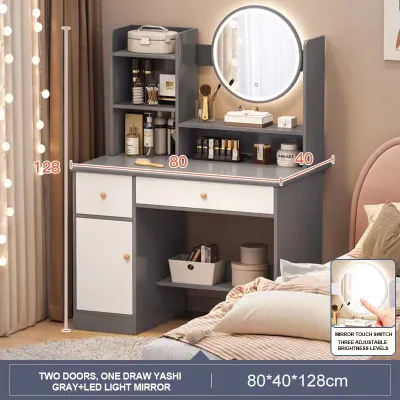


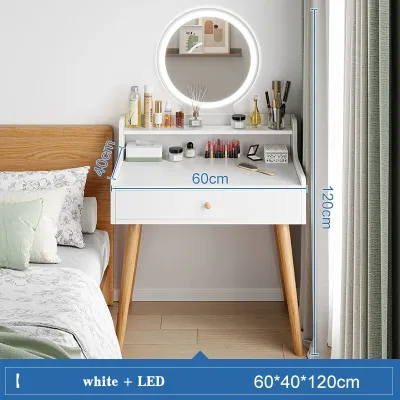


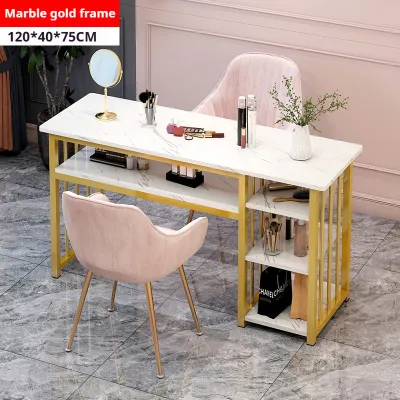
Prices are valid at publication and may change. Please refer to the product page for the latest price.
Next, consider the operational clearance of the furniture’s moving parts. Drawers and cabinet doors require physical space to open fully. If your chosen tokador features deep drawers or swing-out cabinet doors, measure the distance they extend when fully open. Ensure that these components do not collide with your bed frame, doorway paths, or other obstacles. Additionally, leave enough room for your own body to maneuver comfortably in front of the vanity while accessing these storage compartments.
Vertical measurements are equally critical, especially when dealing with integrated or tall mirrors. Measure the height from the floor to the top of where the mirror will sit to ensure it does not block wall-mounted fixtures, air conditioning units, or decorative wall art. Take note of wall obstructions such as electrical outlets and light switches. You will want easy access to outlets for plugging in hair dryers, straighteners, or lighted mirrors, so position the tokador in a way that keeps these outlets accessible without pinching power cords behind heavy wood panels.
Finally, map out the delivery path from your home’s entrance to the final bedroom destination. Measure the width and height of all doorways, tight hallway corners, stairwells, and elevator doors. Many high-quality vanity units are delivered fully assembled or in large, heavy boxes that can be difficult to navigate through narrow spaces. Verifying these dimensions beforehand prevents the frustration of purchasing a beautiful piece of furniture only to find it cannot fit through your bedroom door or up the stairs.
Choosing the Right Mirror Style and Lighting Setup
The mirror is the centerpiece of any tokador, and its design directly impacts how you use the vanity. Fixed flat mirrors offer a clean, modern look and are highly stable, but they limit your viewing angles. If you require close-up precision for detailed grooming or makeup application, an adjustable or tilting mirror is highly beneficial. For those who style their hair from the back or need a comprehensive view, a tri-fold mirror design provides side panels that can be angled inward, offering a multi-dimensional perspective while also folding shut to protect the glass when not in use.

Lighting is the single most important factor for accurate grooming, as poor lighting can lead to uneven makeup application or missed details. Integrated LED lighting built directly into the mirror frame provides even, front-facing illumination that minimizes shadows on your face. When evaluating integrated options, look for models that offer adjustable color temperatures—ranging from warm yellow (around 3000K) to mimic evening light, to cool white (around 6000K) for high-precision tasks, and natural daylight (around 4500K) for daily wear. If you prefer a classic look, a Hollywood-style setup with external vanity bulbs offers bright, diffused light, though you must ensure the bulbs are easily replaceable. Relying solely on ambient ceiling lights often casts harsh downward shadows, making external or integrated vanity lighting a highly recommended upgrade.
Beyond style and illumination, the physical quality of the mirror glass determines its longevity and performance. Low-quality, thin glass can warp over time, leading to a distorted reflection that makes grooming difficult. Look for mirrors with a glass thickness of at least 4 to 6 millimeters, which provides a flatter, more accurate reflection. Additionally, check the backing material of the mirror frame; a solid wood or moisture-resistant medium-density fiberboard (MDF) backing protects the silvering on the back of the glass from scratching and prevents moisture from degrading the reflective coating, which is particularly important in humid environments.
Evaluating Storage Layouts for Daily Vanity Needs
A functional tokador must accommodate your specific collection of beauty products, tools, and accessories. Begin by assessing the depth and layout of the drawers. Shallow drawers are ideal for organizing small items like lipsticks, eyeshadow palettes, and makeup brushes, preventing them from rolling around and getting lost in deep clutter. For larger items, such as skincare bottles, hair dryers, curling irons, and styling products, you will need at least one or two deep drawers or lower cabinets. Look for drawers that can accommodate adjustable internal dividers, allowing you to customize the storage layout as your collection changes.
The balance between open shelving and closed storage is a matter of both convenience and aesthetics. Open shelves or tabletop organizers keep your most frequently used daily essentials—like your morning cleanser, moisturizer, and daily fragrance—within arm’s reach, saving you time during busy mornings. However, open storage exposes your products to dust and sunlight, which can degrade certain skincare ingredients. Closed cabinets and drawers, on the other hand, protect your items from environmental factors and maintain a clean, minimalist look in your bedroom, hiding the inevitable clutter of daily use.
High-quality vanity tables often feature specialized storage solutions designed to protect delicate items. Look for drawers with built-in, velvet-lined jewelry trays to keep necklaces from tangling and protect rings and earrings from scratches. Some modern designs also include hidden compartments behind the mirror or beneath a lift-top panel, providing a secure space to store valuables, passports, or spare cash. If you use electric styling tools daily, check if the vanity includes a dedicated cabinet with heat-resistant silicone inserts or built-in power strips, allowing you to store and use your tools safely without cluttering the tabletop with cords.
Checking Material Finishes, Hardware, and Stability
Because a tokador is used for cosmetics, skincare, and hair styling, its surfaces are constantly exposed to liquids, oils, powders, and heat. In tropical climates with high relative humidity, choosing the right material finish is essential to prevent warping, swelling, or peeling. If you select a wooden or engineered wood vanity, verify that the surface has been treated with a moisture-resistant sealant, polyurethane coating, or high-pressure laminate. Inspect the edge banding on the corners and sides of the drawers; tight, seamless edge banding prevents moisture from penetrating the inner core of the wood, ensuring the furniture remains structurally sound over time.
The durability of a vanity table is often determined by the quality of its moving parts. Test the drawer slide mechanisms to ensure they glide smoothly without sticking or catching. High-quality ball-bearing slides are preferred over simple plastic runners, as they support heavier loads and offer a longer lifespan. Soft-close hinges and drawer slides are also excellent features, preventing drawers from slamming shut, which can damage delicate glass cosmetic bottles or shake the mirror. Always check the manufacturer’s specifications for weight capacity limits on both the tabletop and individual drawers to avoid overloading the structure.
Stability is a critical safety consideration, particularly for tall, narrow, or top-heavy vanity units with large integrated mirrors. Examine the leg thickness and the overall base design to ensure the table does not wobble when you open drawers or lean on the tabletop. For maximum safety, especially in homes with active households, look for units that include anti-tip anchoring kits. These kits allow you to secure the back of the vanity directly to the wall studs, preventing accidental tip-overs if a heavy drawer is pulled out too far or if the unit is bumped.
Building Your Tokador Shortlist and Pre-Purchase Checklist
To streamline your shopping experience, compile a clear list of non-negotiable requirements before you begin browsing online marketplaces or physical furniture showrooms. Write down your maximum allowable width, depth, and height based on your earlier space measurements. Define your budget limit, keeping in mind that investing slightly more in durable hardware and moisture-resistant finishes can save you money on replacements in the long run. List your must-have storage features, such as a minimum number of drawers or a specific mirror type, so you do not get distracted by aesthetically pleasing designs that fail to meet your practical needs.
Once you have identified a few candidate models, cross-reference the seller’s specifications with real user reviews. Pay close attention to feedback regarding assembly complexity, as some flat-pack vanity units require hours of assembly and complex tool setups. Look for comments on the durability of the included hardware, the clarity of the instruction manual, and whether the actual color and finish match the product photos. User reviews often highlight hidden flaws, such as drawers that do not slide smoothly or mirrors that arrive with minor distortions, helping you avoid low-quality purchases.
Finally, verify the seller’s delivery conditions, return policies, and warranty coverage before finalizing your purchase. Because mirrors are fragile, ensure the retailer offers a clear policy regarding items damaged during transit, including free replacements or hassle-free returns for cracked glass. Check the warranty terms to see if they cover structural defects, failing drawer slides, or peeling finishes within the first year. Understanding these terms provides peace of mind and ensures that your investment in a new vanity setup is fully protected.
Frequently Asked Questions (FAQ)
Can I use a regular desk as a tokador with a mirror?
Yes, you can repurpose a standard writing desk or console table as a vanity, but you must consider the ergonomic differences. Standard desks are typically designed for computer work and sit at a height of 75 to 76 centimeters, which pairs well with standard office chairs but may feel too high or low when paired with a low vanity stool. To make a desk function as a tokador, you will need to add a stable, freestanding tabletop mirror or mount a mirror securely to the wall behind the desk. Additionally, because standard desks often feature only one or two shallow drawers, you will likely need to purchase external tabletop organizers, acrylic makeup drawers, or small rolling carts to accommodate your cosmetics and styling tools comfortably.
How do I prevent the mirror from fogging up in a humid room?
In humid environments or bedrooms with attached bathrooms, mirrors are highly prone to fogging and condensation. The most effective way to prevent this is by improving room ventilation, such as running an exhaust fan or opening windows to allow air to circulate freely. To keep the glass clear, clean the mirror regularly using a soft microfiber cloth and a mixture of equal parts water and white vinegar, which removes oily residues that attract moisture. Before applying any aftermarket anti-fog sprays or films, always check the manufacturer’s care guidelines, as some chemical coatings can react negatively with specialized mirror glass or damage the protective backing along the edges.
Community discussion
Share your experience or ask a question. Comments are reviewed before publication.