
To find the right wall-mounted floating cabinet for laundry room storage, you must prioritize structural load limits, high moisture resistance, and precise spatial clearances. Because laundry rooms are high-utility zones that house heavy liquids and vibrating appliances, a standard decorative cabinet will not suffice. You need a unit designed to withstand constant exposure to moisture while securely anchoring to your specific wall type.
Selecting a floating cabinet requires analyzing how its materials, mounting hardware, and layout align with your household’s washing habits and physical space. Making the wrong choice can lead to sagging shelves, peeling finishes, or even catastrophic wall failures. By focusing on verifiable specifications and proper installation techniques, you can secure a storage solution that remains safe, functional, and visually clean for years to much-needed use.
Quick Guide: Core Criteria for Laundry Room Floating Cabinets
When shopping for a laundry room floating cabinet, your primary focus should be on practical durability rather than pure aesthetics. The ideal cabinet must balance load-bearing capacity with environmental resilience, especially when installed in utility spaces that experience frequent temperature and humidity shifts.
Products mentioned in this guide
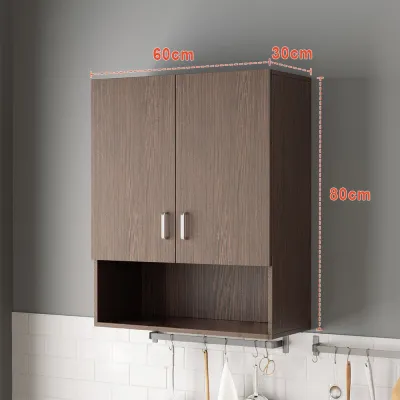
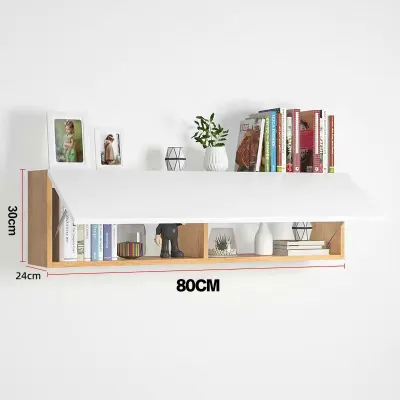
Prices are valid at publication and may change. Please refer to the product page for the latest price.
Before diving into specific product listings, keep these three core criteria in mind:
- Weight Capacity: Liquid detergents, fabric softeners, and stain removers are exceptionally heavy. You must verify that both the cabinet shelves and the wall-mounting brackets are rated to support these concentrated loads without bending or pulling away from the wall.
- Moisture Resistance: The tropical climate in the Philippines presents unique challenges, with high ambient humidity often exceeding 80% during the rainy season. Laundry areas, whether indoor or semi-outdoor (such as dirty kitchens or covered utility balconies), require cabinets with sealed, moisture-resistant finishes to prevent warping, swelling, and mold growth.
- Clearance and Dimensions: A floating cabinet must sit high enough to allow full access to your washing machine and utility sink, yet remain low enough for you to reach stored items safely. You must measure your appliances, door swings, and wall space carefully before finalizing any purchase.
By matching these criteria to your specific home layout, you can avoid common purchasing mistakes and ensure your new storage unit performs reliably under daily use.
Essential Specifications to Check Before Buying
Evaluating a floating cabinet requires looking past product photos to inspect the actual engineering specifications. Manufacturers design cabinets for different rooms; a unit meant for a dry hallway or bedroom will quickly fail in a damp, high-stress laundry environment.

Weight Capacity and Structural Integrity
Before purchasing, always locate the manufacturer’s stated maximum load limit on the product packaging, specification sheet, or official online listing. If a listing does not explicitly state a weight limit, treat it as a light-duty decorative item and avoid using it for heavy laundry supplies.
To understand how much weight your cabinet needs to hold, consider that a single 4-liter container of liquid laundry detergent weighs approximately 4.2 kilograms. Storing three of these jugs, alongside various spray bottles, box powders, and an iron, can easily subject a single shelf to over 15 to 20 kilograms of concentrated weight.
You must distinguish between the cabinet’s internal shelf capacity and the wall-mounting system’s total weight limit. A shelf might be strong enough to hold 10 kilograms without bending, but if the mounting bracket or the wall anchors cannot support the combined weight of the cabinet frame and its contents, the entire unit will pull away from the wall.
Inspect the quality of the included mounting hardware before installation. Many budget-friendly cabinets ship with standard, light-duty plastic wall plugs and short screws that are only suitable for lightweight decorative items. For a laundry storage cabinet, you should expect to upgrade to heavy-duty toggle bolts for drywall, or high-grade masonry expansion anchors for concrete walls, to guarantee a secure hold.
Moisture Resistance and Material Finishes
Because laundry rooms generate steam, water splashes, and high humidity, you must check product labels for specific water-resistant or moisture-proof surface treatments. Look for terms like melamine facing, high-pressure laminate (HPL), PVC edge banding, or powder-coated metal finishes. These treatments act as a protective barrier, preventing water from reaching the vulnerable core materials underneath.
Never assume that a base material name guarantees water resistance on its own. For example, engineered woods like Medium-Density Fiberboard (MDF) and particleboard are highly susceptible to moisture damage; if water penetrates their outer layer, they will swell, crumble, and lose their structural integrity. Even solid wood can warp, crack, or rot if it lacks a marine-grade polyurethane sealant or a dedicated moisture-resistant outdoor finish.
Pay close attention to the cabinet’s edges and joints. The most common failure point in laundry cabinetry is the edge banding, which is the thin strip used to cover the raw edges of engineered wood panels. Ensure the edge banding is fully sealed with no visible glue lines, gaps, or peeling corners, as even a tiny opening will allow humid air to seep into the core material and cause irreversible swelling.
Dimensions and Clearance Requirements
To ensure a seamless fit, you must measure the exact wall space above your washing machine, dryer, or folding table before looking at cabinet models. Use a metal measuring tape to record the available width, height, and depth, keeping in mind any nearby architectural features like window frames, light switches, or electrical outlets.
When calculating clearances, you must account for the physical movement of your appliances and utility fixtures. If you have a top-loading washing machine, measure the lid’s full height when completely opened to ensure the bottom of the cabinet does not obstruct it. For front-loading machines, ensure the cabinet does not interfere with your ability to stand comfortably while loading clothes, and verify that nearby utility sink faucets have enough vertical clearance to operate without splashing the cabinet’s underside.
Finally, check the cabinet’s internal dimensions rather than just its external frame. Standard spray bottles and large liquid detergent jugs require a minimum internal shelf depth of 30 to 35 centimeters and a vertical clearance of at least 35 to 40 centimeters. Ensure the internal shelves are deep and tall enough to accommodate these bulky items so you can close the cabinet doors completely.
Recommended Cabinet Configurations for Laundry Tasks
How your cabinet is organized internally and externally dictates how efficiently you can complete your laundry chores. Choosing the right configuration depends on whether you prioritize visual neatness, quick access, or multi-functional utility.
Fully Enclosed Cabinets with Adjustable Shelves
Fully enclosed cabinets featuring solid doors are highly recommended for households that want to maintain a clean, streamlined look. Laundry rooms often accumulate visual clutter from mismatched detergent bottles, scrub brushes, and cleaning cloths; closing the doors instantly hides this clutter, which is especially useful if your laundry area is integrated into a bathroom, kitchen, or hallway.
Adjustable internal shelves are a critical feature for enclosed cabinets. Because laundry product packaging varies widely in height—from tall bleach bottles to short boxes of baking soda—fixed shelves often result in wasted vertical space or force you to store tall bottles on their sides, risking leaks. Adjustable shelves allow you to customize the interior layout to match your exact inventory.
If you choose a fully enclosed design, check the product specifications for built-in ventilation features, such as slatted door panels, wire mesh inserts, or small ventilation holes in the backboard. If you plan to store slightly damp items, like reusable microfiber cleaning cloths or sponges, a lack of airflow inside a closed cabinet will trap moisture, leading to musty odors and mold growth.
Hybrid Open Shelving and Closed Storage
Hybrid cabinets combine open lower shelves or side cubbies with closed upper compartments, offering an excellent balance of convenience and safety. This configuration allows you to separate your daily essentials from your bulk supplies and hazardous chemicals.
Use the open lower shelves to store lightweight, frequently used items that you need to grab quickly mid-cycle, such as stain remover sprays, lint rollers, clothes brushes, and clothespins. Having these items within arm’s reach saves you from opening and closing cabinet doors with damp or soapy hands.
Meanwhile, the closed upper sections should be reserved for storing heavy bulk refills, bleach, and concentrated cleaning chemicals. When the cabinet is installed at an appropriate height, keeping these hazardous substances behind closed doors adds an extra layer of safety, keeping them out of sight and out of reach of children or pets.
Multi-Functional Cabinets with Integrated Hooks or Racks
To maximize the utility of your vertical wall space, look for floating cabinets that feature external hanging solutions, such as built-in bottom hanging rods, side hooks, or pull-out drying rails. These attachments transform the cabinet from a simple storage box into an active laundry workstation.
An under-cabinet hanging rod is highly useful for holding freshly ironed shirts, hanging delicate garments to air-dry, or storing empty clothes hangers. Side hooks provide a convenient spot to hang lightweight cleaning tools, such as dustpans, small scrubbing brushes, or handheld garment steamers, keeping them organized and off your countertops.
However, you must check the manufacturer’s specified weight limit for these external attachments. Hanging heavy, wet garments or heavy metal tools can put uneven leverage stress on the cabinet’s side panels and wall-mounting points; always limit external hanging to lightweight items unless the manual explicitly states the hardware is rated for heavy wet loads.
Wall Compatibility and Safe Installation Practices
Because floating cabinets do not have legs to transfer their weight to the floor, their safety relies entirely on the strength of the wall and the quality of the installation. Installing a heavy cabinet incorrectly poses a serious hazard to your appliances and anyone standing nearby.
Identifying Your Wall Type
Before mounting any floating furniture, you must accurately identify the construction material of your laundry room wall. In the Philippines, residential walls are commonly built using one of three materials, each requiring a completely different installation approach:
- Solid Masonry or Concrete: Very common for exterior walls and older homes. These walls offer excellent load-bearing capacity but require a hammer drill, masonry drill bits, and plastic expansion plugs (often called tox plugs) or heavy-duty masonry sleeve anchors.
- Concrete Hollow Blocks (CHB): Standard for many interior partition walls. Because these blocks have hollow centers, standard plastic plugs may slip or fail if they expand inside a void. You must use specialized hollow-block anchors or toggle bolts, or ensure you drill directly into the solid mortar joints or concrete-filled cells.
- Drywall or Fiber-Cement Board: Often used in modern renovations or condo units (commonly using brands like HardieFlex). These thin boards cannot support a heavy cabinet on their own. You must locate the wooden or light-gauge steel studs behind the board using a stud finder and screw the cabinet's mounting brackets directly into those studs. If stud alignment is impossible, you must use heavy-duty metal toggle bolts, though this significantly reduces the maximum safe load capacity compared to a concrete wall.
Always consult the cabinet’s installation manual to check for minimum wall thickness and structural density requirements. If you discover your wall material is crumbling, soft, damp, or structurally compromised by moisture, stop immediately and consult a professional contractor before proceeding.
Mounting Height and Ergonomic Placement
To determine the ideal mounting height, start by measuring the height of the primary user in your household. The top shelf of the cabinet should be reachable without requiring a step stool, as lifting heavy, liquid-filled detergent jugs while balanced on a stool increases the risk of drops and personal injury.
Next, measure the clearance required for your appliances. If you are mounting the cabinet directly above a washing machine or dryer, ensure there is a clear buffer zone of at least 15 to 20 centimeters above the highest point of the appliance (such as the control panel or an open top-loading lid). This buffer prevents you from accidentally bumping the cabinet when operating the machine.
During the physical installation, always use a high-quality spirit level placed on top of the cabinet frame before tightening the mounting screws. Even a slight tilt can cause stored bottles to slide, tip over, or leak when the cabinet doors are opened, and uneven mounting distributes weight poorly, putting unnecessary stress on a single wall anchor.
Maintenance and Moisture Management
To protect your investment and ensure the long-term safety of your floating cabinet, you must establish a simple, regular maintenance routine. Neglecting moisture control in a laundry area will eventually ruin even high-quality water-resistant finishes.
- Wipe Down Surfaces Regularly: Detergent drips, fabric softener spills, and bleach residue are highly corrosive. If left on cabinet shelves or doors, they can slowly chemically degrade melamine coatings, peel away edge banding, and discolor finishes. Wipe down the interior and exterior surfaces weekly using a soft, damp microfiber cloth, followed immediately by a dry cloth to remove all trace moisture.
- Inspect Hardware Annually: At least once a year, empty the cabinet completely and inspect the wall-mounting brackets, wall screws, and door hinges. Look closely for any signs of rust, corrosion, or loosening. In high-humidity areas, metal hardware can oxidize over time; if you notice rusty screws or brackets, replace them immediately with stainless steel or brass hardware to prevent structural failure.
- Promote Air Circulation: If the design of your cabinet's mounting brackets allows, leave a tiny gap (about 2 to 3 millimeters) between the back of the cabinet and the wall. This small gap prevents humid air from becoming trapped against the wall, reducing the risk of mold and mildew forming on the backboard of the cabinet.
- Dry Splashes Immediately: Whenever you use a nearby utility sink or transfer wet clothes from the washer, dry any accidental water splashes that land on the cabinet's underside, edges, or door handles. Keeping the surfaces dry prevents water from sitting on seams and joints where it could seep into the core material.
Frequently Asked Questions (FAQ)
Can I install a floating cabinet above a front-loading washing machine?
Yes, you can install a floating cabinet above a front-loading washing machine, but you must account for appliance vibration. Front-loading machines can vibrate significantly during high-speed spin cycles, especially if the machine’s load is uneven. Ensure there is a physical clearance gap of at least 5 to 10 centimeters between the top of the washing machine and the bottom of the cabinet to prevent the machine from striking the cabinet. Additionally, because continuous minor vibrations can slowly loosen standard wall anchors over time, you must ensure your mounting hardware is tightly secured and check the wall brackets periodically to confirm they remain flush against the wall.
How do I prevent mold inside a closed floating cabinet?
To prevent mold inside a closed cabinet, you must control the internal moisture level. First, never store damp items, such as wet cleaning cloths, used sponges, or partially dry towels, inside a closed cabinet; ensure everything is completely dry before putting it away. Second, place disposable moisture-absorbing desiccant packs or calcium chloride dehumidifier tubs on the shelves to capture excess humidity from the air. Finally, ensure your laundry room has adequate ventilation, such as an open window or an exhaust fan, to keep ambient humidity low and promote continuous air exchange.
Community discussion
Share your experience or ask a question. Comments are reviewed before publication.