
Bunker beds offer an excellent way to maximize floor space in shared children’s bedrooms, leaving more room for play, study, and storage. However, choosing the right bunker bed involves much more than finding a design that fits your children’s aesthetic preferences. Because these structures elevate one sleeper high above the floor, parents must prioritize structural integrity, precise room measurements, and strict safety features. By focusing on verifiable physical specifications and practical room layouts, you can select a bed that keeps your children secure while standing up to years of daily use.
Essential Safety Features to Check First
Safety is the absolute priority when introducing an elevated sleeping arrangement into a child’s room. The most critical safety component of any bunker bed is the guardrail system on the top bunk. To prevent accidental falls during sleep, guardrails must run continuously along all sides of the upper bed, with only a small opening allowed for the ladder access point. When evaluating a bed, check that the top of the guardrail sits at least 12.7 centimeters (5 inches) above the top surface of the mattress. This means you must consider the thickness of your chosen mattress in tandem with the frame’s physical dimensions, as an overly thick mattress will dangerously reduce the effective height of the guardrail.
Beyond guardrail height, the spacing between the individual slats or safety rails is a vital factor in preventing entrapment. Ensure that any gaps in the guardrails, headboard, or footboard are narrow enough that a child’s head or torso cannot slip through. Generally, gaps should be kept under 9 centimeters (3.5 inches) to eliminate the risk of a child sliding through feet-first and becoming trapped. Inspecting these physical dimensions on the manufacturer’s specification sheet before purchasing is a reliable way to verify safety compliance.
Products mentioned in this guide
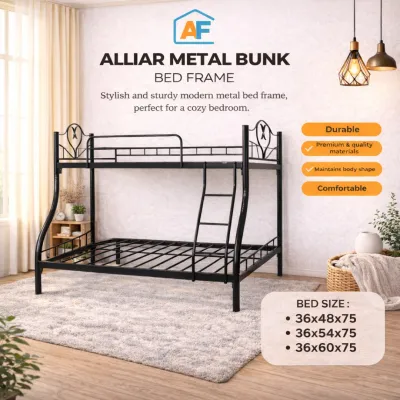
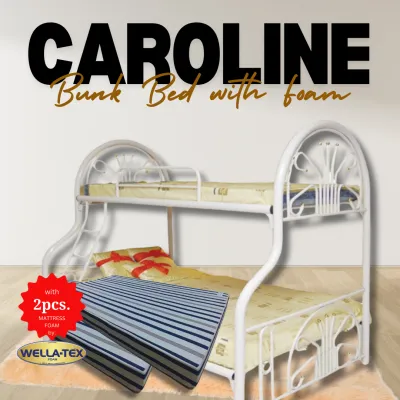

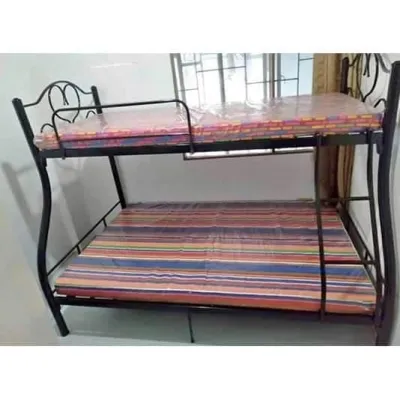
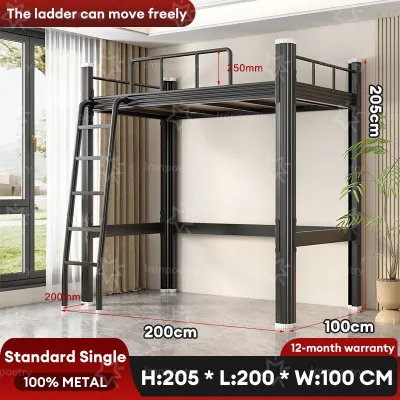
Prices are valid at publication and may change. Please refer to the product page for the latest price.
The ladder is another high-risk area that requires close inspection. A safe ladder must be securely fastened to the main frame of the bunker bed, preventing any shifting or detaching when a child climbs up or down. Look for ladders with wide, flat steps rather than narrow, rounded rungs, as wider steps provide better traction and support for small feet. The angle of the ladder also matters; while vertical ladders save the most floor space, slanted ladders are often easier and safer for younger children to navigate.
Finally, you must verify the manufacturer’s stated weight capacity for both the top and bottom bunks. This weight limit must accommodate not only the weight of the sleeping child but also the weight of the mattress, bedding, and any heavy toys or books they might bring into bed. Keep in mind that children grow rapidly, so selecting a bed with a generous weight margin ensures the structure remains safe and stable throughout their developmental years. Never exceed these limits, and always verify how the manufacturer calculates these capacities before finalizing your purchase.
Space, Dimensions, and Room Layout
Before browsing online marketplaces or visiting local furniture showrooms, you must take precise measurements of the intended bedroom. Ceiling height is the most critical vertical dimension to verify. To ensure the child sleeping on the top bunk can sit up comfortably without bumping their head, there should be at least 76 to 90 centimeters (30 to 36 inches) of clear space between the top of the upper mattress and the ceiling. If your home has low ceilings, standard bunker beds might feel too cramped, making low-profile bunks or loft styles a more practical alternative.

In tropical climates like the Philippines, room layout planning must also account for cooling fixtures. It is absolutely essential to map out the position of ceiling fans relative to the top bunk. A rotating ceiling fan poses a severe hazard to a child on an elevated bed; therefore, the top bunk must be positioned far outside the reach of any fan blades. Additionally, consider the placement of air conditioning units to ensure that cold air does not blow directly onto the upper sleeper, which can cause discomfort.
The floor plan must also accommodate the physical clearance required for daily activities and other furniture. Measure the swing radius of bedroom doors, wardrobe doors, and cabinet drawers to ensure they can open fully without striking the bed frame. If you are considering a bunker bed with integrated features—such as a pull-out trundle bed, built-in study desks, or under-bed storage drawers—be sure to measure the floor space required when these components are fully extended. A bed that fits perfectly when closed might completely block walkways or emergency exit paths when the drawers or trundle are pulled out.
Do not forget to measure the access points leading into the bedroom. Ensure that the packaged boxes or pre-assembled frame components can easily pass through your home’s front door, narrow hallways, stairwells, and bedroom doorways. If you live in a high-rise condominium, verify the dimensions of the building’s service elevator to avoid delivery complications on arrival day.
Material, Build Quality, and Durability
When assessing the durability of a bunker bed, do not rely solely on broad material labels like “solid wood” or “heavy-duty metal.” Instead, focus on the specific construction details and hardware that hold the frame together. High-quality bunker beds utilize heavy-duty metal bolts and barrel nuts rather than simple wood screws, which can loosen and strip the wood over time. Look for frames that feature robust corner bracing and sturdy cross-support slats beneath the mattresses to distribute weight evenly and prevent sagging.
The finish and surface treatment of the bed frame are equally important, especially in humid environments. In the Philippines, high humidity levels can cause untreated wood to warp or harbor mold, while poorly coated metal frames are susceptible to rust and corrosion. Inspect wood frames to ensure they have a smooth, splinter-free finish sealed with non-toxic, lead-free protective coatings. For metal frames, look for powder-coated finishes, which offer superior resistance to moisture, chipping, and scratching compared to standard liquid paint.
To ensure long-term structural integrity, review the manufacturer’s care instructions and warranty terms. A reliable manufacturer will provide clear guidelines on how to clean the frame without damaging the protective finish, as well as specific instructions on how to inspect and maintain the joints. Look for products that offer a clear structural warranty, which indicates the manufacturer’s confidence in the bed’s load-bearing components and assembly hardware. Avoid any products that lack clear maintenance documentation or assembly instructions.
Age Appropriateness and Usage Rules
Determining whether your children are ready for a bunker bed requires evaluating both their physical development and their behavior. As a general safety standard, the top bunk is not suitable for children under the age of six. Younger children often lack the coordination, balance, and spatial awareness required to climb the ladder safely, especially when waking up disoriented in the middle of the night. If you have younger children, consider using a configuration where the bottom bunk is positioned close to the floor until they are old enough to transition upward safely.
Once the bed is installed, establishing clear, non-negotiable household rules is essential for preventing accidents. Teach your children that the bunker bed is strictly for sleeping and quiet activities, not a playground. Prohibit jumping, roughhousing, and climbing on the outer frame or guardrails. It is also important to enforce a strict “one person at a time” rule for the top bunk, as the structural weight limits and guardrail heights are designed to protect a single sleeper.
To make nighttime navigation safer, plan for adequate visibility around the ladder area. Installing a small, low-wattage clip-on light or a motion-activated nightlight near the ladder steps can prevent slips and missteps when a child needs to use the restroom during the night. Ensure that the light source is positioned so that it illuminates the steps clearly without shining directly into the eyes of the child sleeping on the bottom bunk.
Creating Your Bunker Bed Shortlist
To streamline your purchasing decision, compile a shortlist of potential bunker beds based on verified physical specifications rather than marketing claims. Create a comparison sheet that lists the exact outer dimensions, maximum weight capacities, guardrail heights, and ladder configurations of each model. This structured approach allows you to eliminate options that do not fit your room’s layout or safety requirements before you spend money.
When calculating your budget, look beyond the base price of the bed frame. Factor in the total cost in Philippine Pesos (₱), which should include delivery fees, professional assembly services, and potential return shipping costs if the product arrives damaged. Because bunker beds are complex, heavy structures, paying for professional assembly is often a worthwhile investment to ensure that all safety brackets, slats, and guardrails are installed exactly according to the manufacturer’s specifications.
Before finalizing your purchase from an online marketplace or local retailer, prepare a list of specific questions to ask the seller. Inquire about the availability of replacement hardware, as losing a specialized bolt during a future move can render the bed unusable. Ask for clarification on the structural warranty, specifically what types of damage are covered and how to initiate a claim. Verifying these details beforehand ensures you invest in a safe, durable bunker bed that will serve your family reliably for years to come.
Frequently Asked Questions (FAQ)
Can a regular mattress be used on the top bunk?
A regular mattress can be used on the top bunk only if its thickness complies with the manufacturer’s safety specifications. Most bunker beds require a low-profile mattress—typically between 12 and 15 centimeters (5 to 6 inches) thick—to ensure that the guardrails still rise at least 12.7 centimeters above the mattress surface. Using a standard, thick pocket-spring mattress on the top bunk can reduce the effective height of the guardrails to a dangerous level, making it easy for a child to roll over the edge. Always check the bed frame’s manual for the maximum recommended mattress thickness before buying.
How often should the bed's screws and joints be tightened?
You should inspect and tighten the bed’s screws, bolts, and joints at least once every six months, or immediately if you notice any structural changes. Active children put constant physical stress on a bed frame through daily climbing and movement, which can cause hardware to loosen gradually over time. If you hear squeaking sounds when your child climbs the ladder, or if you notice any wobbling when gently shaking the frame, treat these as immediate warning signs. Tighten all loose bolts using the appropriate tools, and inspect the joints for any signs of wood splitting or metal fatigue to maintain structural stability.

Community discussion
Share your experience or ask a question. Comments are reviewed before publication.