
Selecting a wall-mounted foam headboard for a queen bed requires balancing aesthetics, physical comfort, and structural safety. To make an informed purchase, you must evaluate four primary factors: precise sizing that matches or slightly exceeds the standard 60-inch mattress width, foam density that ensures long-term support without sagging, breathable upholstery fabrics suitable for humid tropical climates, and a secure mounting system rated for your specific wall type. Unlike traditional bed-frame-attached headboards, a wall-mounted design floats independently, transferring all physical pressure directly to your wall rather than the bed frame, which demands careful preparation and exact measurements before installation.
By focusing on these core criteria, you can avoid common pitfalls such as purchasing a headboard that blocks electrical outlets, choosing a fabric that traps heat, or selecting mounting hardware that fails to hold on concrete or drywall. This comprehensive guide details how to evaluate each of these critical dimensions to ensure your new headboard is safe, comfortable, and durable.
Quick Guide: Core Features to Evaluate Before You Buy
When shopping for a wall-mounted foam headboard, the decision-making process rests on four essential pillars. First, you must determine the correct dimensions to ensure the headboard aligns visually and physically with your queen-size mattress. Second, you must assess the foam density to guarantee the headboard provides firm, comfortable back support when you sit up in bed. Third, you must select an upholstery fabric that can withstand the local climate, particularly the high humidity levels common in the Philippines. Finally, you must choose a secure mounting mechanism that is compatible with your bedroom wall structure.
Products mentioned in this guide

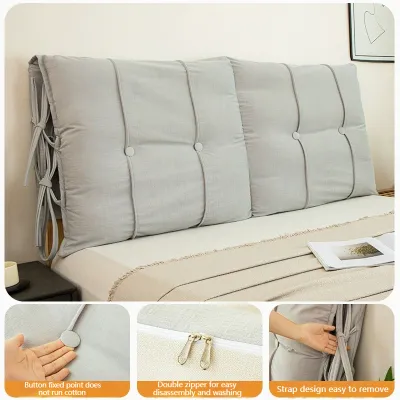
Prices are valid at publication and may change. Please refer to the product page for the latest price.
Wall-mounted headboards differ significantly from traditional frame-mounted models. Because they do not rely on the bed frame for stability, they offer greater flexibility in mounting height and eliminate the annoying squeaks or wobbles often associated with frame attachments. However, this independent positioning means you must carefully coordinate the height of your mattress, the placement of your bedside tables, and the structural integrity of your wall. A wall-mounted headboard cannot simply rest on the floor; it must be anchored securely to prevent it from shifting or falling when leaned against.
Before you begin browsing online marketplaces or visiting local furniture showrooms, gather the following essential details to streamline your search:
- Precise Wall Measurements: Measure the total width of the wall behind your bed, as well as the height from the top of your mattress to the ceiling.
- Bed Frame and Mattress Clearance: Determine the exact height of your mattress from the floor and note how far your bed frame sits from the wall, accounting for any baseboard interference.
- Wall Type Identification: Determine whether your wall is made of solid concrete, concrete hollow blocks (CHB), plaster, or drywall, as this dictates the type of mounting hardware you will need.
- Electrical and Lighting Layout: Note the locations of wall outlets, light switches, and bedside sconces to ensure the headboard does not block access to them.
Sizing and Proportions for a Queen Bed
A standard queen-size bed in the Philippines typically measures 60 inches wide by 75 inches long (approximately 152 cm by 190 cm), though some imported frames may extend to 80 inches (203 cm) in length. When selecting a headboard, the width is the most critical dimension to get right. You have two primary styling options: a flush fit or an extended overhang.

A flush-fit headboard measures exactly 60 inches wide, aligning perfectly with the edges of your mattress. This setup creates a clean, streamlined, and minimalist aesthetic that is highly suitable for compact bedrooms or modern condo units where floor space is limited. If you prefer a grander, more luxurious appearance reminiscent of a boutique hotel, choose a headboard with an extended overhang. A width of 64 to 68 inches allows for a 2-to-4-inch overhang on each side, which beautifully frames the bed and accommodates thick, plush duvets or comforters that drape over the sides of the mattress.
Measuring your vertical wall space is equally important for achieving visual balance. The height of your headboard should scale with your ceiling height. In bedrooms with standard ceilings (around 2.4 to 2.7 meters), a headboard height of 24 to 30 inches above the mattress provides a balanced look without overwhelming the room. For homes with high ceilings, a taller headboard of 36 to 48 inches can serve as a dramatic focal point. However, you must ensure the headboard does not interfere with existing wall features. Check that the top of the headboard sits safely below any wall-mounted air conditioning units, decorative moldings, or window frames.
Additionally, consider how the headboard interacts with your bedside furniture and wall outlets. A headboard that is too wide may overlap with your bedside tables, preventing them from sitting flush against the wall. If you plan to install a wide, multi-panel headboard that spans behind your nightstands, verify that the panels do not cover electrical outlets or light switches. You should also measure the thickness of the foam. Foam headboards generally range from 1 to 5 inches in thickness. While a thick, 4-to-5-inch headboard offers plush comfort, it will push your entire bed frame further into the room. In tight bedrooms, this reduction in clearance at the foot of the bed can restrict walkways or prevent wardrobe doors from opening fully.
How to Assess Foam Quality and Density
The comfort and longevity of your headboard depend heavily on the quality of the foam core hidden beneath the upholstery fabric. Many budget-friendly headboards utilize low-density polyurethane (PU) foam, which feels soft initially but quickly loses its structural integrity. Over time, low-density foam (typically under 24 kg/m³) prone to bottoming out, leaving permanent indentations where you regularly lean your head or back. This sagging not only ruins the visual appeal of the headboard but also diminishes its supportive qualities.
To ensure lasting comfort, look for headboards made with high-density polyurethane foam or high-resiliency (HR) foam, ideally with a density rating of 28 to 40 kg/m³. High-density foam features a tighter cell structure that provides firm, springy support and consistently bounces back to its original shape after pressure is released. If you enjoy sitting up in bed to read, work on a laptop, or watch television, high-density foam offers the necessary resistance to keep your spine properly aligned without feeling overly rigid. Some premium models incorporate a top layer of memory foam over a high-density base, which contours to your body for enhanced pressure relief.
When evaluating product specifications, look for verifiable metrics rather than vague marketing terms like “cloud-like comfort” or “premium softness.” Reliable manufacturers will clearly state the foam density and thickness in their product descriptions. If this information is missing, do not hesitate to contact the seller to ask for the specific foam density rating. Keep in mind that material names alone do not guarantee durability; a “memory foam” headboard that is too thin or lacks a supportive base layer will still sag prematurely.
Furthermore, a quality wall-mounted headboard must feature a solid structural backing board behind the foam layers. This backing, typically constructed from medium-density fiberboard (MDF) or high-quality plywood, serves two critical purposes. First, it provides a rigid flat surface that prevents the foam from bowing, warping, or sagging under its own weight over time. Second, it gives the mounting brackets a secure, solid substrate to screw into. A headboard made entirely of foam without a rigid backing board cannot be securely wall-mounted and will inevitably warp and pull away from the wall under pressure.
Selecting Upholstery for Comfort and Durability
The upholstery fabric is the most visible element of your headboard and comes into direct contact with your skin and hair. Choosing the right material requires balancing visual style with practical maintenance, especially when dealing with the warm, humid climate of the Philippines. Common upholstery options include linen, velvet, faux leather, and performance synthetic fabrics, each presenting distinct advantages and trade-offs:
- Linen and Linen Blends: These fabrics offer a classic, textured, and airy aesthetic. They are highly breathable, making them comfortable to lean against even in warm weather. However, natural linen is prone to wrinkling and can absorb oils and moisture easily, requiring prompt spot cleaning to prevent staining.
- Velvet and Chenille: These materials provide an incredibly soft, plush texture and a rich, luxurious sheen. They excel at creating a cozy, high-end atmosphere. The primary drawback is their tendency to trap heat and accumulate dust or pet dander, making them less ideal for non-air-conditioned rooms or individuals with dust allergies.
- Performance Fabrics (e.g., Polyester Blends, Olefin): Engineered for maximum durability, these synthetic fabrics offer excellent resistance to stains, fading, and abrasion. They are highly practical for daily use and are easy to clean, though you should check that the weave is breathable to prevent a sticky feel in hot weather.
In humid tropical environments, moisture management is a critical consideration. High humidity can cause moisture to become trapped between the headboard and the wall, creating a breeding ground for mold, mildew, and unpleasant odors. To mitigate this risk, prioritize tightly woven synthetic fabrics or materials treated with antimicrobial and moisture-repellent finishes. These treated fabrics resist absorbing ambient humidity and sweat, keeping the inner foam core dry and hygienic.
Before finalizing your purchase, always check the manufacturer’s care label and cleaning instructions. Look for fabric cleaning codes, such as “W” (clean with water-based detergents), “S” (clean with solvent-based cleaners), or “WS” (both are acceptable). Avoid fabrics that require complex, professional dry cleaning for minor spills if you prefer a low-maintenance lifestyle. Additionally, verify any claims of “stain resistance” or “waterproofing” against the actual care instructions; some protective coatings can be degraded by harsh household cleaners, so following the recommended maintenance routine is essential for preserving the fabric’s protective properties.
Wall-Mounting Methods and Structural Safety
Installing a wall-mounted headboard securely is paramount to preventing property damage and ensuring personal safety. Because these headboards are heavy and subjected to dynamic pressure whenever you lean back, you must choose a robust mounting system. The three most common installation methods include French cleats, direct hardware, and heavy-duty adhesive strips:
- French Cleats: This is widely considered the gold standard for wall-mounted furniture. The system consists of two interlocking brackets: one is mounted horizontally to the wall, and the other is attached to the back of the headboard. The two pieces slide together, distributing the weight evenly across the wall. This method provides exceptional stability, keeps the headboard perfectly level, and allows you to easily lift the headboard off the wall for cleaning or painting.
- Direct Hardware (Screws and Keyhole Brackets): This method involves mounting keyhole brackets to the back of the headboard, which then slot onto screws anchored directly into the wall. While low-profile and secure, this system requires highly precise measurements during installation, as even a minor misalignment can prevent the brackets from engaging properly.
- Heavy-Duty Adhesive Strips: Some lightweight, modular foam panels utilize adhesive backing for installation. While convenient and damage-free, adhesive strips are generally unsuitable for large, heavy, single-piece queen headboards with wood backing. Over time, high humidity, temperature fluctuations, and the physical force of leaning against the headboard can cause the adhesive to fail, leading to the headboard falling and potentially causing injury or wall damage.
Your choice of mounting hardware must align with your specific wall construction. If you are mounting onto drywall or gypsum board, you must locate the vertical wooden or metal studs using a stud finder and anchor your mounting brackets directly into them. If a stud is not available at your desired mounting location, you must use heavy-duty, weight-rated hollow-wall anchors or toggle bolts. Never rely on standard plastic wall plugs in drywall, as they can easily pull out under pressure.
For concrete, concrete hollow block (CHB), or masonry walls—which are very common in Philippine residential construction—you will need a rotary hammer drill and specialized masonry drill bits to create pilot holes. Once drilled, insert high-quality nylon expansion wall plugs (such as Fischer plugs) or concrete sleeve anchors before driving in your mounting screws. These anchors expand inside the solid concrete, providing a highly secure hold that can easily support the weight of the headboard and the pressure of daily use.
Before purchasing, always verify the total weight of the headboard and ensure that the included mounting hardware is rated to support that specific load. If your bedroom wall is heavily textured, uneven, or shows any signs of dampness or structural crumbling, do not attempt the installation. A damp wall can rot the headboard’s wood backing and corrode the metal mounting brackets over time. If you are uncertain about your wall’s structural integrity, lack the necessary specialized tools, or feel uncomfortable drilling into concrete, halt the installation and consult a qualified local carpenter or professional handyman to ensure a safe and secure setup.
Frequently Asked Questions (FAQ)
Can I install a wall-mounted headboard on a concrete or masonry wall?
Yes, you can install a wall-mounted headboard on a concrete or masonry wall, but you must use the correct tools and hardware. Standard wood screws cannot be driven directly into concrete. You will need a hammer drill and a masonry drill bit to create pilot holes in the wall. Once the holes are drilled, insert heavy-duty nylon expansion wall plugs or concrete sleeve anchors, then secure your mounting brackets with compatible screws. If you are drilling into structural concrete columns, exercise caution to avoid hitting embedded steel reinforcement bars, and consider hiring a professional installer if you lack experience with masonry drilling.
How do I clean a foam headboard without damaging the upholstery?
To clean your foam headboard safely, begin by vacuuming the upholstery weekly using a soft brush attachment to remove dust, lint, and allergens. If a spill occurs, spot clean the area immediately by blotting it gently with a clean, dry microfiber cloth; never rub the fabric, as this can press the stain deeper into the fibers. Use a mild, diluted fabric cleaner or a mixture of warm water and a few drops of gentle dish soap, applying it sparingly with a damp cloth. Avoid saturating the fabric, as excess water can penetrate the underlying foam core, trapping moisture inside and leading to mold or mildew growth. Always check and follow the manufacturer’s care label before applying any cleaning solutions.
Community discussion
Share your experience or ask a question. Comments are reviewed before publication.