
Finding the right lalagyan nang damit (clothes storage) for your home involves more than simply picking a design that matches your bedroom decor. It requires balancing your available floor area, your daily habits, and the tropical environment. Before you buy, you must evaluate your space and storage needs systematically to ensure your investment is both functional and durable.
Assess Your Room Layout and Physical Space Constraints
To find the perfect fit, start with a steel measuring tape. Measure the total floor area, wall-to-wall width, and ceiling height of the designated spot. Do not just measure the open wall; account for baseboards, window sills, electrical outlets, and light switches. A wardrobe that blocks a light switch or prevents a window from opening fully will quickly become a daily frustration.
Next, trace the path the wardrobe must take to reach your bedroom. If you live in a high-rise condominium or a multi-story house, measure the dimensions of elevators, stairwell turns, corridors, and door frames. A massive, pre-assembled freestanding wardrobe is useless if it cannot clear the elevator ceiling or turn the corner of a narrow staircase. For tight access routes, flat-pack modular units or custom built-ins assembled on-site are often the only viable options.
Products mentioned in this guide
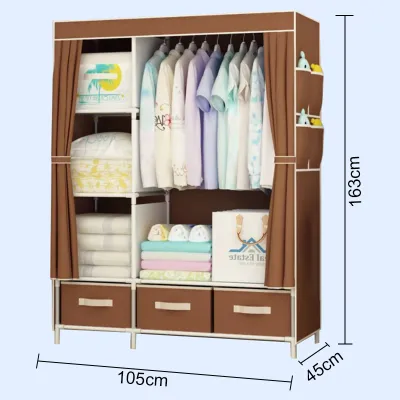
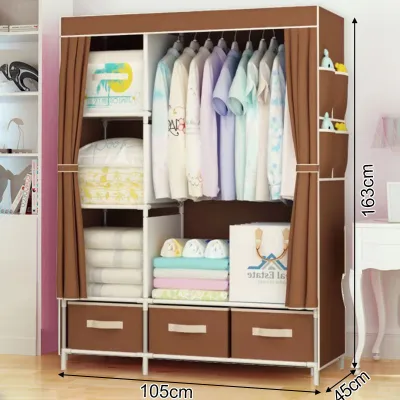
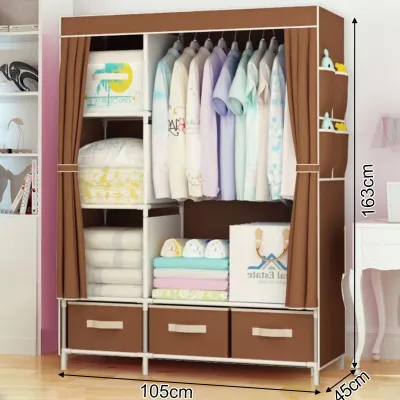
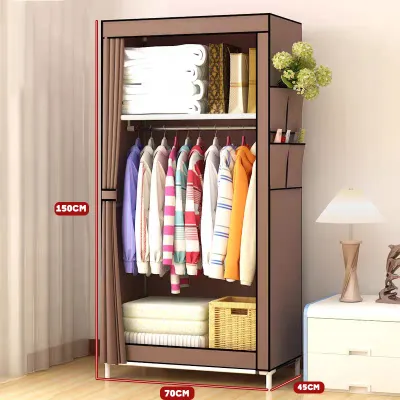
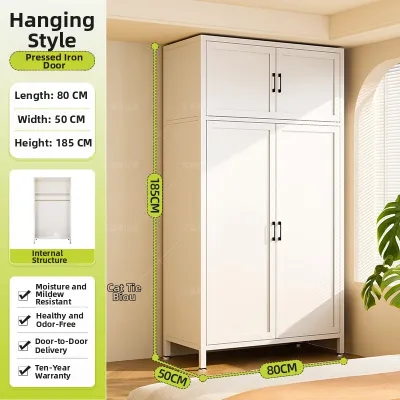
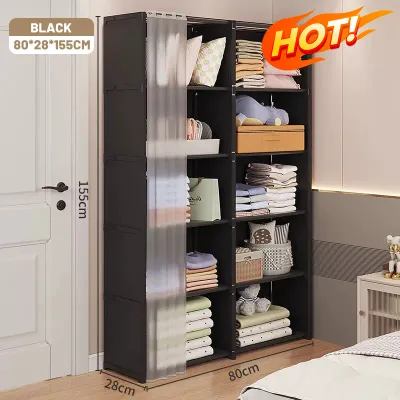
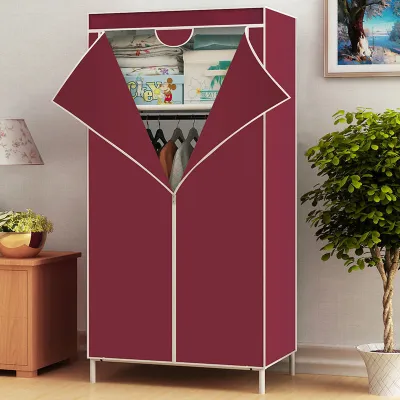
Prices are valid at publication and may change. Please refer to the product page for the latest price.
Architectural quirks also dictate your choices. Many homes feature structural columns, protruding wall beams, or awkward alcoves. A standard freestanding wardrobe placed next to a structural pillar often leaves awkward, unusable gaps that accumulate dust. In contrast, custom built-in wardrobes can be designed to wrap around these pillars or fit perfectly into alcoves, turning architectural challenges into seamless storage.
Consider your overall housing type to guide your layout. If you reside in a compact studio condo, vertical space is your most valuable asset; you will need tall, narrow units with sliding doors that do not block walkways. If you live in a spacious house and lot, you have the luxury of choosing wider, floor-heavy layouts with swing doors that require more clearance to open.
Audit Your Clothing Volume and Current Lalagyan Nang Damit
Once you know what your room can hold, you must determine what the wardrobe itself must hold. Emptying your current closet and categorizing your inventory is the most effective way to start. Group your clothes into hanging items and folded items. Estimate the ratio between long hanging garments—such as dresses, suits, or delicate Filipiniana and Barong Tagalog—and short hanging items like shirts, blouses, and folded trousers.

Do not forget the items that do not hang. Assess how much drawer space you need for undergarments, socks, and accessories. Factor in bulky items that often end up occupying valuable wardrobe space, such as bed linens, heavy blankets, travel luggage, and shoes. If these items do not have a dedicated home elsewhere, your wardrobe must accommodate them.
Look for physical warning signs in your current setup. If your clothes are constantly spilling onto accent chairs, draping over the bed, or crowding onto temporary external garment racks, your current lalagyan nang damit is clearly insufficient. This overflow indicates that you have outgrown your storage capacity or that your current closet layout does not match your actual habits.
As you plan your new storage, balance your current baseline with realistic future growth. While it is wise to allow about 10% to 15% extra space for new purchases, avoid over-sizing your wardrobe based on hypothetical future needs. An excessively large wardrobe that crams your bedroom and restricts movement compromises your daily comfort for storage space you might never actually use.
Compare Wardrobe Types: Freestanding, Built-In, and Walk-In
Understanding the structural differences between wardrobe types allows you to match your physical space with your storage audit. The three primary categories—freestanding, built-in, and walk-in—each offer distinct advantages and trade-offs in terms of flexibility, capacity, and cost.
Freestanding Wardrobes: These units are highly versatile and ideal for renters or homeowners who anticipate moving or rearranging their room layouts. They require no permanent installation and can be purchased ready-made, making them a budget-friendly option. However, freestanding units rarely match your exact wall height, leaving a “dead space” at the top that collects dust and limits total storage efficiency. They also have fixed internal configurations that may not perfectly suit your inventory.
Built-In (Fitted) Wardrobes: Built-ins are custom-designed to run from floor to ceiling and wall to wall, maximizing every square centimeter of available space. They are excellent for concealing awkward architectural features and creating a clean, modern aesthetic. The primary trade-offs are permanence and initial cost; they cannot be moved once installed, require professional carpentry or installation, and represent a higher upfront financial investment.
Walk-In Closets: The ultimate storage solution, walk-in closets occupy a dedicated room or a partitioned section of a large bedroom. They provide unparalleled organization, allowing you to see all your garments at a glance, and often double as a private dressing area. However, they require substantial floor space, making them impractical for standard bedrooms, and they demand thoughtful lighting and mechanical ventilation to prevent air stagnation.
To help you weigh these options, the table below compares the three main wardrobe types across key decision dimensions:
| Wardrobe Type | Space Required | Installation Complexity | Layout Flexibility | Ideal User Profile |
|---|---|---|---|---|
| Freestanding | Minimal to moderate floor space; requires clearance for doors. | Low; ready-made or simple flat-pack assembly. | High; can be moved to different rooms or homes. | Renters, budget-conscious buyers, and frequent rearrangers. |
| Built-In | Medium to high; utilizes full wall height and depth. | High; requires professional measurement and on-site installation. | None; permanently fixed to the wall and floor. | Homeowners seeking seamless design and maximum space efficiency. |
| Walk-In | Very high; requires a dedicated room or large partitioned area. | Very high; involves custom cabinetry, lighting, and ventilation. | None; a permanent architectural feature. | Homeowners with large clothing volumes and dedicated spare rooms. |
Factor in Tropical Climate and Daily Lifestyle Needs
In the Philippines, the tropical climate is a critical factor in furniture longevity. High humidity levels, particularly during the wet season, create prime conditions for mold, mildew, and musty odors inside enclosed spaces. When choosing a wardrobe, check the manufacturer’s material specifications. Look for moisture-resistant finishes, such as high-pressure laminates or treated engineered woods, and ensure the back panel is sealed. To promote air circulation, consider designs with louvered doors or leave a gap of at least 2 to 5 centimeters between a freestanding wardrobe and the wall.
Your daily lifestyle and tolerance for dust should also dictate your design choices. Open shelving and clothing racks look stylish in design magazines, but they expose your garments to airborne dust and require meticulous organization to look neat. If you live near busy roads or prefer a low-maintenance setup, closed doors—whether sliding or hinged—are essential to keep your clothes clean and hidden from view.
Finally, prioritize safety and physical stability. Tall freestanding wardrobes can become top-heavy when loaded with clothes, posing a serious tip-over hazard. This risk is especially critical in households with young children, pets, or in regions prone to seismic activity. Always anchor tall wardrobes securely to the wall. Before drilling, verify your wall type (such as concrete, drywall, or hollow block) and use the appropriate heavy-duty wall anchors and brackets recommended by the manufacturer.
Match Your Assessment to the Right Wardrobe Solution
To make your final decision, synthesize your space measurements, clothing volume, and lifestyle preferences into a clear action plan.
- Choose a modular freestanding wardrobe if you are renting your current home, anticipate moving in the near future, or need a cost-effective, immediate storage solution that fits standard room layouts.
- Opt for a custom built-in wardrobe if you own your home, have unique architectural features like alcoves or high ceilings, and want to maximize your storage capacity with a permanent, seamless design.
- Consider converting a space into a walk-in closet if you have a dedicated spare room, a substantial clothing collection, and the budget to install proper lighting, ventilation, and custom shelving.
Once you have identified your ideal path, take the next step. For freestanding units, browse local furniture retailers with your exact dimensions in hand. If you decide on a built-in or walk-in solution, consult a professional carpenter or interior designer to obtain detailed structural assessments, material recommendations, and customized design quotes.
Frequently Asked Questions (FAQ)
Can I make a freestanding wardrobe look built-in?
Yes, you can achieve a custom, built-in look with a freestanding unit by framing it. This process involves installing fascia boards, crown molding, or filler panels to close the gaps between the top of the wardrobe and the ceiling, as well as the spaces along the sides. While this requires basic carpentry skills, precise measurements, and matching paint or laminate finishes, it is a highly effective way to get a premium look on a modest budget.
How do I manage moisture and prevent musty odors in my closet?
To combat tropical humidity, place disposable moisture absorbers containing silica gel or calcium chloride inside your wardrobe, replacing them regularly. Ensure all clothing is completely dry before hanging or folding them away, as even damp collars can trigger mold growth. Additionally, leave your wardrobe doors open for a few hours during dry, sunny days to encourage air circulation, and check the wardrobe’s care label for specific cleaning instructions.
What is the standard depth needed for hanging clothes?
The standard external depth for a functional wardrobe is typically between 55 and 60 centimeters. This depth ensures that standard clothes hangers can hang straight without rubbing against the back panel or forcing the front doors to press against your garments, which can cause wrinkling and damage. If you plan to store bulky winter coats or structured suits, measure your widest hanger and garments to confirm the internal clearance before finalizing your purchase.
Community discussion
Share your experience or ask a question. Comments are reviewed before publication.