
When embarking on a kitchen renovation, homeowners often assume they must replace their entire cabinetry setup to achieve a fresh, modern look. However, if your existing cabinet boxes—whether constructed from marine plywood, concrete, or solid wood—are still structurally intact, replacing only the door panels is a highly economical and efficient alternative. For those seeking a modern industrial aesthetic or maximum resistance against tropical moisture, finding a steel kitchen cabinet door only is the ideal solution. Sourcing these standalone metal components in the Philippines requires navigating specific retail channels, as standard home improvement stores typically focus on selling complete modular cabinet packages rather than individual parts.
Why Replace or Upgrade to Standalone Steel Doors?
Opting to replace only your cabinet doors rather than undertaking a full kitchen demolition offers substantial financial and practical advantages. In the Philippines, high humidity levels, seasonal monsoon rains, and termite activity pose constant threats to traditional wooden or medium-density fiberboard (MDF) cabinets. Over time, wood-based doors can warp, swell, or rot, particularly around high-moisture zones like the kitchen sink. By keeping your existing structurally sound cabinet carcasses and retrofitting them with standalone steel doors, you bypass the high costs of complete cabinet replacement while upgrading to a material that is completely impervious to pests and moisture damage.
Furthermore, this targeted upgrade minimizes household disruption. A complete kitchen overhaul can render your cooking space unusable for weeks, generating significant dust, noise, and construction waste. Swapping out old doors for steel alternatives is a clean, straightforward project that can often be completed in a single weekend. From a design perspective, steel cabinet doors introduce a sleek, contemporary, or industrial aesthetic that instantly modernizes the space. The non-porous surface of metal is exceptionally easy to clean and sanitize, making it highly practical for busy Filipino kitchens where high-heat frying, oil splatters, and heavy meal preparation are daily occurrences.
Products mentioned in this guide
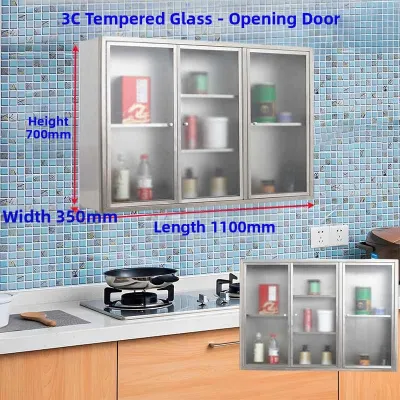
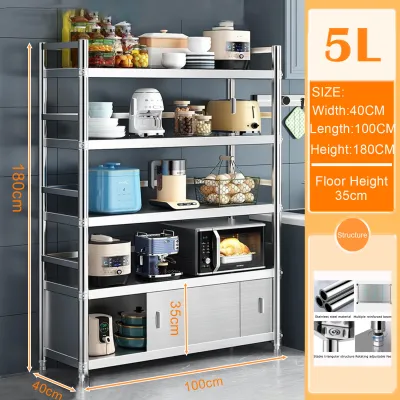
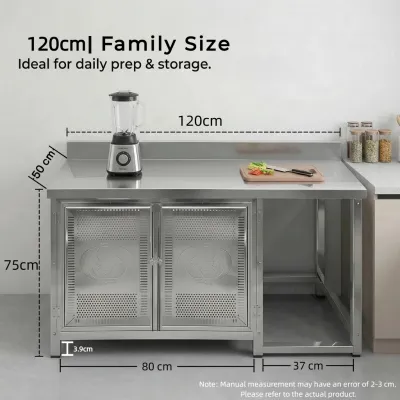
Prices are valid at publication and may change. Please refer to the product page for the latest price.
Where to Buy a Steel Kitchen Cabinet Door Only in the Philippines
Because standalone steel kitchen cabinet doors are specialized architectural components, finding them requires looking beyond standard retail furniture displays. Homeowners and contractors in the Philippines generally rely on three primary sourcing channels, each offering distinct advantages depending on your kitchen’s layout, your budget, and whether your cabinets have standard or custom dimensions.

Local Metal Fabricators and Custom Welding Shops
For kitchens with non-standard layouts or custom-built concrete counters—which are highly common in Filipino homes—local metal fabrication and welding shops are the most reliable option. These independent fabricators can construct steel cabinet doors to your exact millimeter specifications, ensuring a perfect fit that pre-fabricated modular options cannot match. Working with a local shop allows you to specify the exact metal thickness (steel gauge) and choose between different raw materials, such as stainless steel or galvanized iron sheets.
When ordering from a local fabricator, you must provide precise blueprints, measurements, and hinge placement details. It is crucial to verify the shop’s finishing capabilities before placing an order. While some advanced fabricators offer professional powder coating, smaller shops may only apply a basic spray-painted primer, requiring you to handle the final topcoat yourself. Be sure to ask about their joint welding techniques; smooth, ground-down welds are essential for a clean, professional look and to prevent moisture from seeping into raw metal joints over time. Lead times for custom fabrication typically range from two to four weeks, depending on the complexity of the design and the shop’s current workload.
Specialized Kitchen Hardware and Cabinet Suppliers
Another excellent avenue is specialized kitchen hardware suppliers and modular cabinet contractors. These businesses cater directly to interior designers, building contractors, and DIY renovators. Often located in major urban design hubs across Metro Manila, Cebu, and Davao, these suppliers stock or order pre-finished, standard-sized steel or aluminum-framed cabinet doors. Visiting their showrooms allows you to inspect the build quality, feel the weight of the doors, and evaluate the durability of the finishes in person.
The primary advantage of sourcing from specialized suppliers is standardization. Their steel doors are typically pre-bored with standard hinge cups, making them fully compatible with off-the-shelf European concealed hinges. This significantly simplifies the installation process, as you will not need specialized metal-drilling tools to mount the doors. However, because these suppliers deal primarily in standard modular sizes, this option is best suited for kitchens with modern, standard-sized cabinet carcasses. Be sure to bring your exact cabinet frame measurements to the showroom to verify compatibility before purchasing.
Online Marketplaces and E-commerce Platforms
For convenience and a broad selection of budget-friendly options, online marketplaces and e-commerce platforms offer access to both local fabricators and international manufacturers. By using targeted search queries such as “steel kitchen cabinet door only,” “replacement stainless steel cabinet doors,” or “custom metal cabinet fronts,” you can find sellers who specialize in custom-sized metal doors made to order. Many of these digital storefronts allow you to input your custom dimensions directly into the order form.
Sourcing online requires a high level of vigilance to ensure quality. Always prioritize sellers with high ratings and detailed customer reviews. Before finalizing your purchase, message the seller directly to request actual photos of completed orders; this helps you assess the quality of the welds, the uniformity of the paint or powder coating, and the overall structural rigidity. Additionally, clarify the shipping and packaging arrangements. Steel doors are heavy and highly susceptible to denting or scratching if dropped during transit. Ensure the seller uses robust protective packaging, such as thick bubble wrap, edge guards, and wooden crates, to prevent damage during delivery across the archipelago.
What to Measure and Verify Before Ordering
Before placing an order for standalone steel cabinet doors, meticulous preparation is essential. Because steel cannot be easily shaved down or trimmed like wood if it does not fit, even a tiny measurement error of a few millimeters can render your new doors completely unusable.
Accurate Measurements and Overlay Types
To ensure your new steel doors align perfectly with your existing cabinet boxes, you must first identify your cabinet’s overlay type. The overlay refers to how the door sits relative to the cabinet frame:
- Full Overlay: The door covers the entire front face of the cabinet frame, leaving only a tiny gap (usually 1/8 inch) between adjacent doors. This style provides a seamless, modern look.
- Partial Overlay: The door covers only a portion of the cabinet frame, leaving a visible border of the cabinet box face (often 1/2 inch or more) around the perimeter of the door.
- Inset: The door sits completely flush inside the cabinet frame opening, exposing the entire face frame. This classic style requires highly precise clearances to prevent the door from sticking.
Once you have identified the overlay type, use a high-quality steel tape measure to measure the width and height of the cabinet opening. Do not simply copy the measurements of your old doors, as they may have been poorly sized or warped over time. Calculate the exact door dimensions required based on your overlay style, keeping in mind the clearance gaps needed for the doors to swing open smoothly without binding. Record all measurements in millimeters, as this is the standard unit of measurement used by most professional metal fabricators.
Steel Gauge and Moisture-Resistant Finishes
The durability, weight, and structural integrity of your new doors depend heavily on the steel gauge and the protective finish applied. In metal fabrication, a lower gauge number indicates thicker, more rigid steel. For kitchen cabinet doors, look for steel between 18 and 22 gauge. Thinner steel (higher gauge numbers, such as 24 or 26) is highly prone to “oil-canning”—a phenomenon where the metal sheet flexes and makes a popping sound when pressed—and is easily dented by daily kitchen impacts.
Because kitchens are high-humidity environments, selecting the right moisture-resistant finish is critical to prevent rust:
- Stainless Steel (Grade 304): This is the premier material choice for tropical climates. Grade 304 stainless steel contains chromium and nickel, providing exceptional resistance to corrosion, rust, and food acids. It requires minimal maintenance but represents the highest price point.
- Galvanized Steel: This steel is coated with a protective layer of zinc to resist rust. While highly durable, it must be properly primed and finished with a high-quality paint or powder coating to ensure long-term protection in wet areas.
- Powder Coating: This finishing process involves applying a dry powder to the metal surface and baking it in an oven to form a hard, protective skin. It offers excellent resistance to scratches, chipping, and fading. When buying powder-coated doors, always check the manufacturer's care instructions and verify if they offer a warranty against peeling or rust under normal kitchen conditions.
Hinge Boring and Hardware Compatibility
How the steel doors mount to your existing cabinet boxes is another critical factor. Most modern cabinets utilize European-style concealed hinges, which require a circular recess (hinge cup) bored into the back of the door. Because drilling these cups into steel requires specialized industrial machinery, you should always confirm whether your supplier can pre-drill the hinge holes for you.
The standard hinge cup diameter for kitchen cabinets is 35mm, with a standard depth of 11mm to 13mm. You must specify the exact distance from the top and bottom edges of the door to the center of the hinge cups, ensuring they align perfectly with the existing mounting plates on your cabinet boxes. Additionally, consider handle placement. If you plan to install traditional handles or knobs, ask the manufacturer to pre-drill the mounting holes based on your preferred handle spacing (common standards include 96mm, 128mm, or 160mm center-to-center). Attempting to drill these holes yourself later will require specialized cobalt or titanium drill bits and can easily scratch the finished surface if the drill slips.
How to Prepare Your Existing Cabinets for Steel Doors
Before your new steel cabinet doors arrive, you must prepare your existing cabinet boxes to handle the physical transition. Because steel is significantly heavier than standard MDF, particleboard, or thin plywood doors, failure to prepare the cabinet frames can lead to structural failure, sagging doors, or stripped screws.
Begin by thoroughly inspecting the structural integrity of your existing cabinet boxes. Pay close attention to the side panels where the hinges mount. If your cabinets are made of low-density particleboard or melamine-faced chipboard, check for signs of water swelling, soft spots, or stripped screw holes. If the wood is compromised, standard wood screws will not hold the weight of heavy steel doors. You can reinforce these weak areas by gluing and screwing solid wood backing blocks or metal reinforcement plates to the interior side panels of the cabinet boxes.
Next, evaluate your hardware requirements. Due to the increased weight of steel, standard cabinet hinges are often inadequate. It is highly recommended to upgrade to heavy-duty, self-closing concealed hinges designed specifically for heavier door loads. For standard-height doors (up to 700mm), two heavy-duty hinges are typically sufficient. However, for taller pantry doors or exceptionally thick steel panels, consider adding a third or even fourth hinge to distribute the weight evenly and prevent the door from sagging over time.
Additionally, assess the overall stability and anchoring of your cabinet carcasses. The added weight of multiple steel doors swinging outward shifts the center of gravity of your cabinetry. Ensure that your base cabinets are securely anchored to the floor or wall, and that upper wall cabinets are fastened tightly to the wall studs using heavy-duty masonry or wood screws. This prevents the entire cabinet unit from pulling away from the wall or tipping forward when the heavy doors are opened simultaneously.
Once the new steel doors are mounted, use the adjustment screws on the concealed hinges to fine-tune their alignment. Most European hinges feature three-way adjustments: lateral (side-to-side), vertical (up-and-down), and depth (in-and-out). Carefully adjust these screws until the gaps between the doors are perfectly uniform, the doors sit flush with the cabinet frame, and they open and close smoothly without rubbing against adjacent surfaces.
Frequently Asked Questions (FAQ)
Can I replace wooden or MDF cabinet doors with steel doors?
Yes, you can successfully replace wooden or MDF doors with steel doors, provided your existing cabinet boxes are structurally sound and capable of supporting the extra weight. Because steel is significantly heavier than wood-composite materials, you must inspect the cabinet carcass for any signs of water damage or structural weakness. It is highly recommended to upgrade to heavy-duty concealed hinges and ensure the cabinet frames are securely anchored to the wall to prevent sagging, misalignment, or structural failure over time.
How do I maintain steel cabinet doors to prevent rust?
To maintain steel cabinet doors and prevent rust, clean them regularly using a soft microfiber cloth dampened with a solution of mild dish soap and warm water, then wipe them completely dry. Avoid using abrasive scrubbing pads, steel wool, or harsh chemicals such as bleach, ammonia, or highly acidic cleaners, as these can scratch or chemically degrade the protective powder coating or galvanized layer. In the humid Philippine climate, ensuring good kitchen ventilation by using a range hood or keeping windows open during cooking will also significantly reduce moisture buildup on metal surfaces.
Do standalone steel doors usually include handles and hinges?
No, standalone steel cabinet doors are typically sold as individual panels and do not include hinges, handles, or mounting hardware. Sourcing the doors separately allows you to select hardware that matches your existing kitchen fixtures and design aesthetic. When purchasing your doors, always read the product description carefully to confirm what is included, and ensure you buy compatible heavy-duty hinges and handles that match the pre-drilled holes on your new steel doors.
Community discussion
Share your experience or ask a question. Comments are reviewed before publication.