
Using a basket storage organizer during a move can transform a chaotic transition into an organized, efficient process. Unlike standard cardboard boxes, which can easily crush, tear, or succumb to tropical humidity, the right basket storage organizer offers reusable structure, ventilation, and easy transport. However, not all baskets are built for the physical demands of a move. Selecting the right organizer requires matching the specific material and design of the basket to the weight, fragility, and environmental vulnerability of the items you need to pack. Rigid plastic and heavy-duty baskets excel at protecting fragile or heavy items, while fabric and collapsible baskets are well-suited for soft, lightweight goods.
How to Evaluate Basket Organizers for Moving
Before packing a single item, you must evaluate whether a basket storage organizer can withstand the rigors of transit. The first factor to assess is structural integrity. Look closely at the handles; they should be molded into the body or reinforced with heavy-duty stitching or metal rivets rather than simply glued or lightly woven. The base of the basket must remain rigid under load, as a sagging bottom can damage the contents or cause the basket to slip from your hands during lifting. Check the thickness of the material, ensuring it does not bend or warp easily when empty.
Space efficiency is another critical consideration when planning your packing strategy. Fixed-shape baskets offer reliable protection but require the same amount of space whether they are full or empty, which can clutter your new home before you have time to unpack. Collapsible designs solve this issue by folding flat when not in use, making them easy to stack in a corner or transport back to your starting point. Stackable baskets with recessed lids or interlocking rims maximize vertical space in the moving vehicle, allowing you to pack more items into a single trip.
Products mentioned in this guide
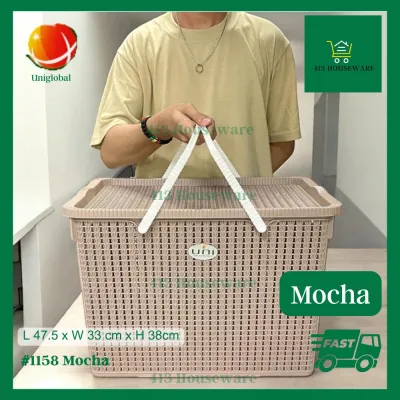
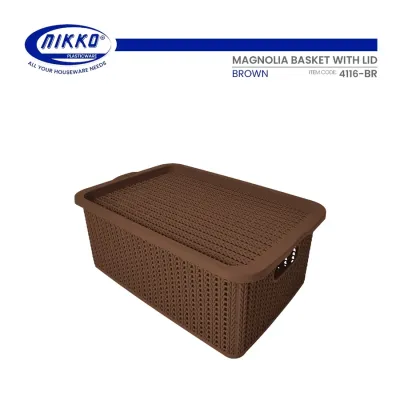
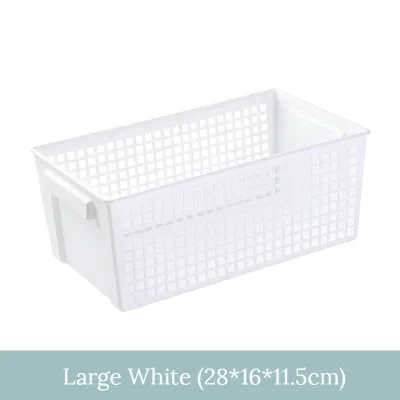
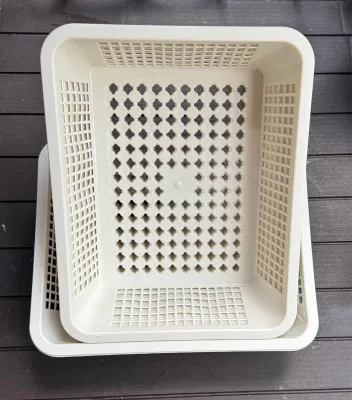
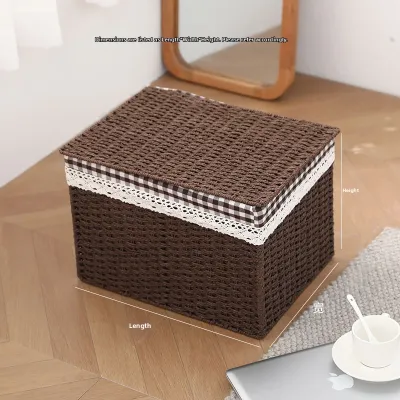
Prices are valid at publication and may change. Please refer to the product page for the latest price.
Transit risks must also be factored into your evaluation. In tropical climates like the Philippines, sudden downpours and high humidity can quickly ruin unprotected belongings. Woven or fabric baskets without protective linings can absorb moisture, leading to mold or mildew growth on your clothes and linens. Additionally, rough basket textures can snag delicate fabrics, while open-weave designs expose items to dust and road grime. Always inspect your existing baskets for pre-existing wear, loose joints, or frayed edges before trusting them with your valuable possessions.
Using Plastic and Heavy-Duty Baskets for Fragile and Heavy Items
Rigid plastic and heavy-duty basket storage organizers are the workhorses of any move, particularly when dealing with dense, heavy, or fragile household goods. These baskets provide a protective shell that shields contents from external impacts and pressure. They are highly suited for packing high-density items such as books, kitchenware, tools, and fragile decorative pieces. Because plastic does not compress, it prevents the weight of surrounding items from crushing delicate objects inside.

When utilizing rigid plastic baskets, always verify the manufacturer’s weight limits and inspect the base support. Heavy items can place immense stress on the handles, and a sudden failure during lifting can result in broken belongings or personal injury. To ensure safety, distribute the weight evenly across the bottom of the basket rather than concentrating heavy items in the center. If a basket feels unstable or flexes significantly when lifted, distribute some of its contents to another container.
Internal organization is key to preventing damage within a rigid basket. Because plastic walls are hard, items can easily shift, slide, and crack against each other during transit. Use internal padding, such as bubble wrap, packing paper, or even thick towels, to fill any empty spaces. For kitchenware or glassware, cardboard dividers or specialized foam inserts can keep individual pieces separated and secure. This prevents friction and absorbs road vibrations while the moving truck is in motion.
It is also important to recognize the physical limitations of plastic organizers. Standard plastic can become brittle when exposed to extreme temperature fluctuations or prolonged direct sunlight, making it prone to cracking under sudden stress. If you are moving during the hot dry season, avoid leaving plastic baskets in the back of an unventilated truck or under direct sunlight for extended periods. Inspect the corners and rims of plastic baskets for hairline fractures before packing them with heavy loads.
Packing Soft Goods and Light Items in Fabric and Collapsible Baskets
Fabric and collapsible basket storage organizers offer a flexible, lightweight alternative for packing items that do not require rigid protection. These organizers are highly practical for soft goods such as clothing, bed linens, blankets, towels, and lightweight children’s toys. Because these items are naturally compressible, fabric baskets allow you to pack them tightly without worrying about structural damage to the container itself.
One of the greatest advantages of collapsible fabric baskets is their space-saving design. Once you arrive at your new home and unpack your linens, these baskets can be folded completely flat. This keeps your new living space free of clutter while you focus on arranging larger furniture pieces. It also makes the return trip or long-term storage of the empty containers incredibly simple, as they take up minimal closet or trunk space.
However, fabric organizers require extra care regarding moisture protection, especially in humid environments. High humidity can trap moisture inside fabric fibers, creating an ideal breeding ground for mold, mildew, and musty odors. To prevent this, choose fabric baskets that feature water-resistant or moisture-resistant inner linings. If your baskets do not have a lining, wrap your soft goods in clean plastic bags before placing them inside the basket to create an effective barrier against dampness and dust.
To maintain the longevity of your fabric baskets, avoid overstuffing them. Pushing too many items into a soft-sided basket forces the seams to stretch, which can lead to tearing, particularly around the handles. Overstuffed baskets also lose their shape, making them difficult to carry and impossible to stack neatly. Keep the contents level with the rim of the basket, and ensure the handles can be gripped comfortably without straining the fabric joints.
Maximizing Truck Space with Stackable Basket Designs
Optimizing cargo space in a moving vehicle is essential for reducing the number of trips and ensuring a safe journey. Stackable basket storage organizers are designed specifically for this purpose, allowing you to utilize the vertical height of a moving truck or utility vehicle. Look for baskets that feature interlocking lids, flat tops, or reinforced rims that prevent the basket above from sliding off or crushing the contents below.
When stacking baskets, controlling the center of gravity is vital for load safety. Always place the heaviest, most rigid baskets at the bottom of the stack to create a stable foundation. Lighter baskets containing soft goods or lightweight items should be placed on top. This prevents the stack from becoming top-heavy, which dramatically increases the risk of the column tipping over when the vehicle turns corners or stops suddenly.
Establishing safe stacking heights is another critical step. Even the most rigid baskets have structural limits, and stacking them too high can cause the bottom containers to buckle under the cumulative weight. Consider the ceiling clearance of your moving vehicle and the stability of the floor surface. As a general rule, avoid stacking baskets higher than chest level unless they are securely anchored to the vehicle’s interior walls.
To prevent shifting and toppling during transit, always secure your stacked columns. Use heavy-duty straps, tie-downs, or bungee cords to anchor the baskets to the tie-down points inside the moving truck. If you are using an open utility vehicle, cover the entire stack with a secure tarp to protect the baskets from wind, dust, and sudden tropical rain showers. Ensuring the load is tightly secured prevents costly damage to both your belongings and the baskets themselves.
Item-to-Basket Matching Strategy for a Smooth Move
To streamline your packing process, it is highly effective to implement a systematic matching strategy. By pairing specific household items with the most suitable basket materials and designs, you can protect your belongings while making unpacking much easier.
| Item Category | Recommended Basket Material | Key Design Feature | Packing Tip |
|---|---|---|---|
| Pantry Goods & Cans | Heavy-Duty Plastic | Reinforced Handles & Solid Base | Keep weight balanced; do not overfill. |
| Bedding & Linens | Fabric / Canvas | Moisture-Resistant Lining | Compress items to maximize space; seal if humid. |
| Glassware & Ceramics | Rigid Plastic | Interlocking Lids & Dividers | Wrap each piece individually; fill empty gaps. |
| Bathroom Supplies | Perforated Plastic | Drainage Holes & Easy-Clean Surface | Dry all bottles before packing to prevent mold. |
| Office Files & Books | Heavy-Duty Plastic | Flat, Stackable Top | Pack spine-up or flat; avoid stacking too deep. |
| Toys & Light Decor | Collapsible Fabric | Lightweight & Foldable | Use handles for easy carrying; do not overload. |
Before you begin packing, thorough preparation is essential. Clean and thoroughly dry both your items and the baskets to prevent trapping dirt or moisture inside. Inspect each basket for any structural weaknesses, such as cracked plastic corners or frayed fabric handles, and set aside any damaged containers for lighter duties.
A clear labeling system will save you hours of frustration when you arrive at your new home. Use hanging tags, chalk markers, or adhesive label inserts to clearly identify the contents of each basket and the room it belongs to. Avoid writing directly on reusable baskets unless you are using erasable markers. Labeling multiple sides of the basket ensures the information remains visible even when the containers are stacked or packed tightly together.
Finally, plan your loading sequence based on accessibility. Baskets containing essential items—such as basic toiletries, a change of clothes, chargers, and basic kitchen tools—should be loaded into the moving vehicle last. This ensures they are the first items unloaded, allowing you to access your daily essentials immediately without having to dig through stacks of non-essential belongings.
Frequently Asked Questions (FAQ)
Can I use woven or rattan baskets for moving heavy items?
Woven and rattan baskets are generally not recommended for moving heavy items due to their structural limitations. Natural fibers can stretch, splinter, or break under heavy loads, and the weaving techniques used to construct them often do not distribute weight evenly. The handles on natural woven baskets are particularly vulnerable to detaching when subjected to sudden lifting forces. If you must use woven baskets during a move, limit them to lightweight, non-fragile items such as throw pillows, stuffed toys, or dry linens. Always inspect the joints, base, and handles for any signs of wear or weakening before use.
Should I keep items in basket organizers after moving into the new home?
Yes, transitioning your moving baskets into permanent home storage is an excellent way to maximize your investment. High-quality basket storage organizers can easily find a place in closets, pantries, bathrooms, or shelving units. Before repurposing them, thoroughly clean and sanitize each basket to remove any dust, dirt, or pests accumulated during transit. For plastic baskets, a simple wash with mild soap and water is sufficient, while fabric baskets should be vacuumed or spot-cleaned. Once clean, replace your temporary moving labels with permanent, aesthetically pleasing home organization tags to complete the transition.
Community discussion
Share your experience or ask a question. Comments are reviewed before publication.