
Heavy-duty racking systems are the backbone of organized storage, whether they support bulky tools in a home garage or hold heavy industrial inventory in a commercial facility. While these steel structures are engineered to carry immense weight, they are not indestructible. Over time, constant loading cycles, physical impacts, and environmental factors take a toll on specific components. Knowing which heavy-duty rack parts wear out first and recognizing the early warning signs of failure is critical to maintaining a safe, functional storage environment.
In any racking setup, load-bearing connections such as safety clips and locking pins, alongside high-impact zones like base plates and lower uprights, typically show wear and damage first. Because these parts bear the brunt of daily operations and accidental bumps, their degradation directly impacts the structural integrity of the entire system. Identifying these vulnerable areas early allows you to replace individual components before a minor bend escalates into a catastrophic structural failure.
Which Heavy Duty Rack Parts Degrade First?
To manage a racking system effectively, you must understand how different components respond to daily stress. Each part of a heavy-duty rack serves a specific structural purpose, and each is vulnerable to distinct types of wear.
Products mentioned in this guide
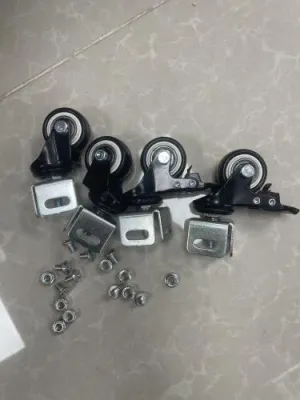
283 Lazada user ratings
🙂Sturdy after assembled! 🙂 Nice quality materials 🙂Very satisfied with the quality, price and the delivery. Even it was very heavy the packa…Read full reviewShow less
🙂Sturdy after assembled! 🙂 Nice quality materials 🙂Very satisfied with the quality, price and the delivery. Even it was very heavy the package was handled well! Perfect for organizing groceries!, High weight capacity for heavy items!, Sleek and modern design!, Adjustable height for customized storage!,
maganda ang design. medyo malapad lang ang na order ko Durability:manipis lang ang shelf material pero steel sya. so better pa rin kesa sa i…Read full reviewShow less
maganda ang design. medyo malapad lang ang na order ko Durability:manipis lang ang shelf material pero steel sya. so better pa rin kesa sa iba na cardboard thin na plywood Storage Capacity:huge. i ordered the biggest size avaikable :-)
Itong isang order ko okay naman complete accessories at sturdy👍👍👍..tamang tama sa tools sa shop ng husband ko..sana yung isang order ko na rac…Read full reviewShow less
Itong isang order ko okay naman complete accessories at sturdy👍👍👍..tamang tama sa tools sa shop ng husband ko..sana yung isang order ko na rack na check muna ni seller bago na-send..di kp tuloy magamit😥😥😥
It's a great great deal👍 Definitely will buy again. Super duper like it😊 Seller is accommodating & answers queries. The product is highly re…Read full reviewShow less
It's a great great deal👍 Definitely will buy again. Super duper like it😊 Seller is accommodating & answers queries. The product is highly recommendable👍👍👍
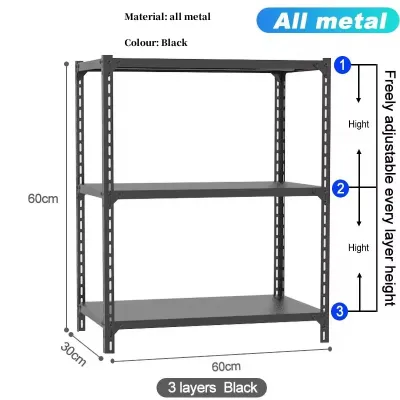
1,981 Lazada user ratings
It says that it's made of stainless steel material and no rust problem - we'll see how it goes. Edges and corners are quite sharp. Easy to a…Read full reviewShow less
It says that it's made of stainless steel material and no rust problem - we'll see how it goes. Edges and corners are quite sharp. Easy to assemble. Sturdy enough for its price, value for money. As always, 5 stars to your delivery person👍
fast shipping and delivery. measurements are according to product description but it is not boltless. you need to put on the screws. good fo…Read full reviewShow less
fast shipping and delivery. measurements are according to product description but it is not boltless. you need to put on the screws. good for its price. medyo manipis pero pwede na. dahil mura naman ito nabili.
Perfect for garage, No rust problem, Heavy duty design, Great value for money, Stainless steel material, Strong and durable,
Strong and durable, Perfect for garage, Easy to assemble, No rust problem, Stainless steel material,
Perfect for garage, Stainless steel material, Spacious storage, Strong and durable, thank you!
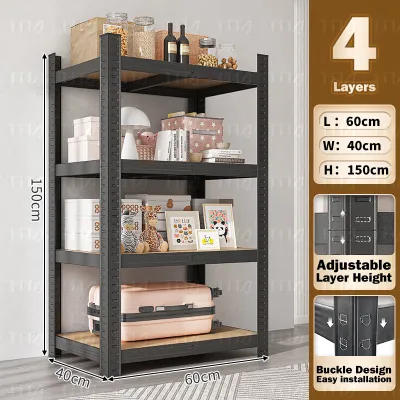
117 Lazada user ratings
Very good quality. Seriously in Germany the quality is even worst then this . Fir that amount of money it’s an good deal fir this kind of sh…Read full reviewShow less
Very good quality. Seriously in Germany the quality is even worst then this . Fir that amount of money it’s an good deal fir this kind of shelf - Thank you for the fast shipping- all arrived in good condition
thanks for this kakainis lng ung rider di man lng nag inform na nasa hagdan lng pala nmn wala man lng calls or message na iniwan nya
Waterproof and durable, Versatile home organizer, Suitable for living rooms, Space-saving multi-layer, Waterproof and durable,
Versatile home organizer, Suitable for living rooms, Space-saving multi-layer, Modern black finish,
Design:i like the product, very easy to assemble
30 Lazada user ratings
Perfect for garage,Modern industrial style,
good product but not the one I expected.
Prices are valid at publication and may change. Please refer to the product page for the latest price.
Horizontal beams and shelf decks endure constant downward pressure from stored inventory. Repetitive weight cycling causes the metal to flex and settle over time, which can lead to permanent sagging even under normal weight limits. Wire decking or solid shelving panels can also warp or crack under concentrated point loads, reducing their ability to distribute weight evenly across the supporting beams.
Base plates and feet sit at the bottom of the structure, making them highly vulnerable to physical impact and environmental hazards. Floor-level components frequently absorb bumps from pallet jacks, forklifts, or heavy rolling bins. Because they sit directly on the floor, they are also exposed to moisture from floor cleaning, spills, or rising dampness. This exposure makes them prime targets for rust and corrosion, which can weaken the rack’s foundation.
Safety clips and locking pins secure beam end connectors to upright frames, preventing accidental beam dislodgement from upward forces. Because they are subjected to constant shear stress and vibration during loading and unloading, these small components can bend, shear off, or get lost entirely, leaving the beam vulnerable to sudden detachment.
Upright frames provide the vertical structure that holds the entire system upright. While they are highly sensitive to vertical load stress, their greatest threat is lateral impact from moving equipment or misaligned loads. Even a minor dent in an upright post alters its geometry, shifting the load path and drastically reducing the frame’s overall load capacity.
Visual and Structural Warning Signs for Replacement
Regularly assessing your racking system requires looking past cosmetic blemishes to identify structural hazards. Knowing how to distinguish between minor paint scratches and critical structural defects is key to keeping your storage space safe.

While horizontal beams naturally deflect slightly under a full load, they must return to a flat state once unloaded. A permanent bow or sag in an empty beam indicates the metal has stretched beyond its elastic limit. You should check the manufacturer’s documentation for the maximum allowable deflection limit. Any deflection exceeding this threshold means the beam is permanently compromised and must be replaced.
Surface rust is generally cosmetic, but deep corrosion that causes metal to flake, pit, or bubble is a severe structural threat. Pay close attention to welded joints, connection points, and areas around floor anchors. If rust has reduced the metal thickness, the component can no longer guarantee its original load capacity. Flaking paint and bubbling metal indicate that moisture has penetrated deep into the steel, requiring immediate replacement.
Inspect every beam-to-upright connection for missing, bent, cracked, or sheared safety clips. Without functioning locking mechanisms, a minor upward bump from a load can easily dislodge a beam, leading to a localized collapse. Replace any missing or damaged clips immediately with compatible, manufacturer-approved hardware.
Any physical tear or crack in the steel of an upright frame is an immediate safety hazard. Similarly, deep dents or creases in the upright posts alter the plumbness of the bay. A racking system must stand perfectly plumb to distribute weight straight down. If a dent causes a post to lean or twist, the vertical load is no longer centered, which can cause the frame to buckle.
Routine Inspection and Maintenance Checklist
Proactive maintenance is the most effective way to extend the lifespan of your heavy-duty rack parts and prevent sudden failures. Implementing a structured inspection routine ensures that minor wear is caught and addressed before it becomes a hazard.
The frequency of your inspections should match the intensity of your storage environment. A home garage rack might only require a thorough check every six months, whereas an active commercial warehouse with daily forklift traffic should undergo weekly visual walkthroughs and comprehensive annual inspections. Documenting these checks helps you track recurring issues and identify patterns of wear.
Overloading is a primary cause of premature rack failure. Always verify that the weight of your stored items does not exceed the load limits specified on the manufacturer’s capacity labels. Ensure that loads are distributed evenly across the shelves rather than concentrated in a single spot. Placing the heaviest items on the bottom levels helps maintain a low center of gravity and reduces stress on upper components.
Moisture and harsh chemicals accelerate the degradation of protective powder coatings or galvanized finishes. When cleaning your racks, avoid abrasive scrubbers or corrosive chemical cleaners that can scratch or strip the protective layer. Instead, wipe down steel surfaces with a damp cloth and a mild detergent, drying them thoroughly afterward. Keeping the floor area around the base plates dry prevents water from pooling and causing rust.
Heavy-duty racks must be securely anchored to the floor to prevent tipping. Periodically inspect the anchor bolts at the base of each upright to ensure they remain tight and flush against the footplates. Check the surrounding concrete for signs of cracking, crumbling, or spalling. If an anchor bolt is loose or the concrete around it has failed, the rack’s stability is compromised, requiring immediate remediation.
When to Stop DIY Repairs and Seek Professional Help
While replacing a missing safety clip or swapping out a damaged wire deck is a straightforward task, major structural repairs should never be attempted as a DIY project. Knowing your limits is essential for maintaining a safe environment and protecting your investment.
If an upright frame is bent, twisted, or severely dented, do not attempt to straighten it yourself. Bending structural steel back into shape weakens the metal’s internal structure, making it highly susceptible to sudden buckling under load. Damaged uprights require a professional engineering assessment to determine if they can be safely repaired or if the entire frame must be replaced.
Never weld, heat, drill, or otherwise modify original racking components without explicit, written approval from the manufacturer. Applying heat to structural steel alters its temper and drastically reduces its load capacity. Similarly, drilling unauthorized holes in beams or uprights can create stress concentration points that lead to premature cracking. Any modification not certified by the manufacturer voids the system’s safety ratings.
Replacing major structural components requires completely unloading the affected bays. Attempting to swap out a structural part while the rack is under load is incredibly dangerous and can trigger a progressive collapse. If a repair requires dismantling a portion of the rack, hire a professional installation crew who can safely secure the area, relocate the inventory, and rebuild the system.
If your racking system has experienced a significant impact from a vehicle or a heavy falling object, the structural integrity of the entire bay may be compromised. In such cases, consult the original manufacturer or a qualified racking inspector. They can perform structural checks, verify plumbness, and recalculate load capacities to ensure the system remains safe for continued use.
Frequently Asked Questions (FAQ)
Can I mix and match replacement parts from different rack brands?
It is highly discouraged to mix and match replacement parts from different manufacturers. Beam end connectors, safety clips, and upright punch patterns are often proprietary designs that vary slightly between brands. Even if a beam from another brand appears to fit into your upright frame, the connection may not lock securely or distribute weight as intended. Forcing mismatched parts together can compromise the load capacity of the entire system, void safety certifications, and increase the risk of accidental dislodgement. Always use original equipment manufacturer (OEM) parts or components certified as fully compatible.
How long do heavy duty rack parts typically last?
There is no fixed expiration date for heavy-duty rack parts, as their lifespan depends heavily on operational variables and environmental conditions. In a dry, climate-controlled home garage with stable, static loads, high-quality steel racks can last for decades with minimal wear. However, in a high-humidity warehouse with constant forklift traffic and frequent loading cycles, components may show significant wear within a few years. Rather than relying on a predetermined calendar timeline, base your replacement decisions on regular visual inspections, adherence to weight limits, and structural integrity checks.

Community discussion
Share your experience or ask a question. Comments are reviewed before publication.