
Planning a lipat-bahay in the Philippines requires a packing strategy that can withstand both the physical journey and the local climate. Megaboxes—durable, heavy-duty plastic utility containers—have become a staple for household moves across the country. Unlike traditional cardboard, these rigid containers protect your belongings from tropical humidity, sudden afternoon downpours, and pests during transit.
The golden rule of packing for any move is to balance volume and weight. A common mistake is using massive containers for everything, which leads to boxes that are too heavy to lift or plastic handles that snap under pressure. To pack efficiently, you must assign heavy, dense items to smaller containers and reserve larger boxes for lightweight, high-volume goods. This approach ensures your items remain secure and your movers can handle the load safely.
Understanding Standard Megabox Size Categories
While exact dimensions and liter capacities vary by manufacturer, plastic storage boxes generally fall into three primary size tiers. Rather than relying on generic labels, always check the product specifications or physical labels for exact interior dimensions before purchasing. Understanding these tiers helps you allocate your budget and storage space effectively.
Products mentioned in this guide
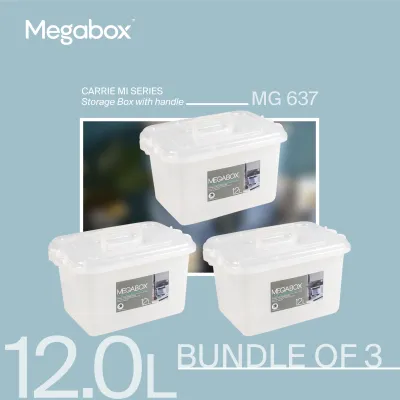
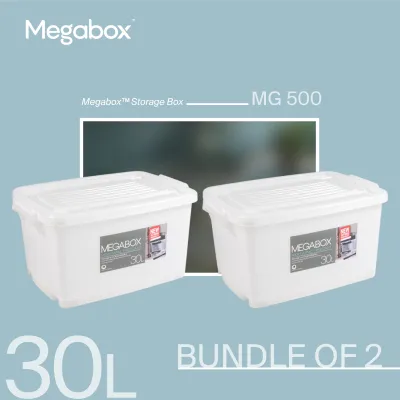
Prices are valid at publication and may change. Please refer to the product page for the latest price.
Small Megaboxes
Small containers typically range from 10 to 30 liters in capacity. These compact boxes are specifically engineered to hold dense, heavy items that would otherwise make a larger container impossible to carry. By keeping heavy goods in smaller volumes, you maintain a manageable center of gravity and prevent the plastic base from bowing.
- Ideal contents: Hardcover books, hand tools, canned pantry goods, heavy hardware, and document folders.
- Key benefit: Easy to lift individually, making them perfect for loading into personal vehicles or stacking on the floor of a moving truck.
Medium Megaboxes
Medium containers, usually ranging from 40 to 70 liters, serve as the workhorse of any residential move. They offer a balanced ratio of volume to carrying capacity, making them highly versatile for mixed-weight items. Most households require more medium boxes than any other size because they accommodate everyday items without becoming excessively heavy.
- Ideal contents: Shoes, small kitchen appliances, toys, folded clothing, and dry pantry items.
- Key benefit: Highly standardized dimensions that stack perfectly in rows, maximizing the vertical cargo space of transport vans.
Large and Extra-Large Megaboxes
Large and extra-large containers, spanning from 80 to over 120 liters, are designed exclusively for bulky, low-density belongings. Never fill these massive containers with heavy items like books or ceramic plates. Doing so risks cracking the plastic handles, deforming the lid, or causing severe muscle strain during lifting.
- Ideal contents: Pillows, bedsheets, comforters, winter coats, stuffed toys, and lightweight plastic kitchenware.
- Key benefit: Consolidates large volumes of soft goods into a single, dust-proof container, reducing the total number of trips to the truck.
Matching Megabox Sizes to Specific Item Categories
Determining which box size to use depends on the physical properties of your belongings. Categorizing your items by weight, volume, and fragility before buying your containers prevents packing delays and minimizes damage.

Heavy and Dense Items
Items with high density exert intense localized pressure on the bottom of a plastic container. When packing books, vinyl records, or heavy metal tools, always use small Megaboxes. To protect both the box and your items, place a layer of soft packing paper or a small towel at the bottom to distribute the weight evenly. Avoid filling the box to the very brim; leave a small clearance at the top so the lid snaps shut without tension.
Bulky and Lightweight Items
Linens, curtains, and seasonal clothing take up a massive amount of physical space but weigh very little. Large and extra-large Megaboxes are ideal for these fabric-based goods. To maximize the capacity of a large container, compress your fabrics inside vacuum storage bags before placing them in the box. This technique not only doubles your usable space but also adds an extra layer of defense against moisture, mold, and dust during transit.
Fragile and Awkwardly Shaped Items
Delicate items such as table lamps, small electronics, and porcelain decor require a container that offers structural protection. Medium Megaboxes provide the ideal balance of space for both the item and its protective cushioning. While rigid plastic walls offer superior crush resistance compared to cardboard, you must still fill all internal voids. Use bubble wrap, packing paper, or even soft clothing to prevent items from shifting and colliding when the moving truck negotiates bumpy roads.
Room-by-Room Megabox Packing Strategy
Packing room by room keeps your move organized and simplifies the unpacking process at your new home. Labeling the exterior of each container with its destination room and a brief inventory list ensures a smoother transition.
Kitchen and Dining Area
The kitchen is often the most challenging room to pack due to the mix of heavy, fragile, and oddly shaped items. Use small boxes for heavy glassware, ceramic plates, and canned foods, wrapping each piece individually in packing paper. Reserve medium boxes for small appliances like blenders, rice cookers, and toaster ovens. Ensure all lids are securely snapped shut to prevent dust from entering. Pack a dedicated “first-night” medium box containing essential plates, cups, utensils, and basic cookware so you do not have to search through multiple boxes on your first evening.
Bedrooms and Closets
Bedrooms contain a mix of soft textiles and personal items that require different storage solutions. Allocate large boxes for bulky bedding, pillows, and thick blankets. Use medium boxes for shoes, handbags, and folded everyday clothing. To make your first morning in the new home stress-free, pack a separate, clearly marked medium box or suitcase with a few changes of clothes, toiletries, and chargers.
Living Room and Home Office
This area typically holds a combination of heavy media, sensitive electronics, and important paperwork. Small boxes are essential for heavy books, office supplies, and dense paper files. Use medium boxes for electronic accessories, routers, power strips, and decorative items, ensuring cables are neatly tied and labeled. Keep highly sensitive items—such as land titles, passports, birth certificates, and valuable jewelry—in a designated small box that stays in your personal vehicle rather than the moving truck.
How to Estimate the Quantity of Megaboxes You Need
Estimating the exact number of containers required prevents the frustration of running out of boxes mid-pack or overspending on unused plastic. Begin by conducting a thorough visual walk-through of your home, counting the number of cabinets, shelves, and closet rods.
As a general rule of thumb, a standard one-bedroom apartment in the Philippines typically requires approximately 10 to 15 medium boxes, 5 to 8 small boxes, and 4 to 6 large boxes. For a small two-bedroom house, plan for roughly 20 to 25 medium boxes, 10 to 12 small boxes, and 8 to 10 large boxes.
When in doubt, prioritize purchasing extra medium boxes. Because of their versatile dimensions, any excess medium containers can easily transition into long-term storage solutions for closets, garages, or pantries in your new home. Before finalizing your purchase, verify the cargo dimensions of your transport vehicle. Whether you are hiring a utility van, an L300, or a larger closed van, knowing the interior height and width allows you to plan how many boxes can safely stack side-by-side and vertically.
Common Megabox Sizing and Packing Mistakes
Avoiding common packing pitfalls protects your belongings, saves transport space, and prevents physical injuries during the moving process.
- Overloading large boxes with heavy items: This is the most frequent mistake. Filling a 100-liter box with books or heavy kitchenware makes it nearly impossible to lift, risks bowing the plastic base, and can cause the integrated handles to crack or snap.
- Leaving empty space inside containers: Empty space allows items to shift violently during transit. If a box is partially empty, fill the remaining gaps with lightweight items like hand towels, socks, or crumpled packing paper to lock everything in place.
- Ignoring vertical stacking limits: While plastic boxes are sturdy, they are not indestructible. Stacking heavy boxes on top of light, empty ones will cause the lower lids to bow and crack. Always place your heaviest, smallest boxes at the bottom of the stack to create a stable foundation, and consult any weight limits provided by the manufacturer.
- Buying a single box size: Relying solely on one size leads to highly inefficient packing. You will either end up with dangerously heavy large boxes or underutilized space, resulting in more trips and higher transport costs.
Frequently Asked Questions (FAQ)
This section addresses common concerns regarding plastic storage containers and moving logistics.
Can I use extra-large Megaboxes for clothes and shoes?
Extra-large containers are excellent for lightweight clothing, winter jackets, and linens. However, they are not recommended for shoes. Shoes, especially leather boots or heavy sneakers, accumulate significant weight when packed together. Packing dozens of pairs into an extra-large box will make it difficult to carry and may exceed the structural capacity of the plastic handles. Use medium boxes for shoes instead.
Are plastic Megaboxes better than cardboard boxes for moving in the Philippines?
For moves in the Philippines, plastic Megaboxes offer distinct advantages over cardboard. The local tropical climate brings high humidity and unpredictable weather, which can soften cardboard boxes and expose your items to moisture. Plastic boxes provide excellent protection against sudden rain during loading, humidity, and common household pests. Furthermore, they are highly reusable, serving as durable home storage long after the move is complete, which provides better long-term value.
How high can I stack loaded Megaboxes in a moving truck?
You should always follow the specific stacking guidelines provided by the box manufacturer. As a general safety rule, do not stack loaded containers more than four to five boxes high in a moving truck. Ensure the heaviest, smallest boxes are placed at the very bottom to establish a low, stable center of gravity. Secure the stacks with cargo straps or ropes inside the truck to prevent them from tipping over when the vehicle is in motion.
Community discussion
Share your experience or ask a question. Comments are reviewed before publication.