
Packing for a house move requires more than simply throwing items into any available container. To ensure your belongings arrive at your new home undamaged, you must match the physical characteristics of your items with the structural capabilities of your organizers. Heavy, dense objects like books and kitchenware require rigid, small-volume containers to prevent structural failure. Conversely, bulky, lightweight textiles like bedding and clothing are well suited for flexible, space-saving bags that maximize cargo space. By understanding how different organizers perform under the stress of transit, you can protect your investments and make the unpacking process significantly more manageable.
How to Match Organizer Types to Your Belongings
Selecting the right organizer begins with categorizing your household goods based on their vulnerability, weight, and shape. A structured decision framework helps prevent common packing mistakes, such as overloading large containers or leaving fragile items unprotected. For instance, textiles require protection from dust and moisture but do not need structural support. Kitchenware demands rigid protection to prevent crushing, while fragile glassware requires internal isolation to stop items from colliding.
When evaluating organizer options, consider four primary dimensions: structural rigidity, moisture resistance, stackability, and content visibility. Structural rigidity determines how well a container maintains its shape under external pressure. Moisture resistance is critical in humid tropical environments, where damp air or sudden rain during loading can weaken paper-based materials. Stackability refers to how safely containers can be piled vertically without tipping or collapsing. Content visibility, often achieved through clear materials or systematic labeling, dictates how easily you can identify items during unpacking.
Products mentioned in this guide
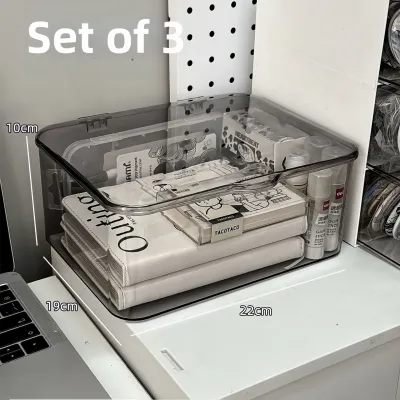
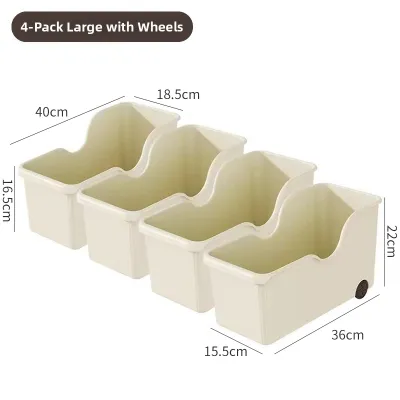
Prices are valid at publication and may change. Please refer to the product page for the latest price.
To decide between hard-shell protection and flexible compression, assess whether the items can support weight on their own. Hard-shell containers, such as heavy-duty plastic bins or double-walled cardboard boxes, are essential for items that deform under pressure. This includes electronics, ceramics, kitchen appliances, and framed artwork. Flexible compression, such as vacuum-sealed bags or woven moving totes, is highly suitable for compressible items. Using flexible organizers for blankets, pillows, and clothing allows you to reduce their volume significantly, freeing up valuable space in the moving vehicle.
Cardboard Boxes vs. Plastic Bins for Rigid Storage
Cardboard boxes and plastic bins serve as the backbone of most residential moves, but each has distinct structural limits and suitable use cases. Standard corrugated cardboard boxes are highly versatile and cost-effective. When selecting cardboard, check the manufacturer’s stamp on the bottom flap, often referred to as the Box Maker’s Certificate. This stamp indicates the box’s edge crush test (ECT) rating or bursting test limit. For heavy kitchenware or books, prioritize double-walled cardboard boxes with an ECT rating of at least 48, which provides excellent resistance to vertical crushing. Ensure weight is distributed evenly, placing the heaviest items at the bottom and filling empty spaces with crumpled packing paper to prevent the box from folding inward.

Plastic bins with latching lids offer excellent protection against environmental hazards. In tropical climates with high humidity, cardboard can absorb moisture from the air, losing up to half of its structural strength. Plastic bins remain rigid regardless of humidity levels and provide a reliable barrier against dust, pests, and water exposure during sudden downpours. When purchasing plastic bins, verify that the lids latch securely to the base and that the plastic is thick enough to resist bowing when loaded.
Stackability and handling ergonomics are major differentiators between these two storage types. High-quality plastic bins often feature recessed, interlocking lids that prevent stacked bins from sliding during transit. However, their rigid handles can sometimes be uncomfortable to hold under heavy loads. Cardboard boxes, while lacking interlocking lids, can be stacked safely if they are of uniform size and taped securely with heavy-duty packaging tape. Always place heavier boxes at the bottom of the stack and limit the stack height to prevent the lower boxes from buckling.
The choice between cardboard and plastic also involves long-term trade-offs regarding cost, reuse, and storage space. Cardboard boxes are inexpensive upfront, ranging from ₱50 to ₱150 depending on size, and they fold completely flat when empty, making them easy to store or recycle after the move. Plastic bins represent a higher initial investment, often costing between ₱300 and ₱800 per bin, and they require significant storage space even when empty unless they are designed to nest inside one another. If you plan to use the containers for long-term storage in a garage, attic, or closet after the move, plastic bins are generally the more practical investment.
Soft Organizers, Bags, and Vacuum Storage for Textiles
Textiles, including clothing, bedding, curtains, and towels, present unique packing challenges due to their bulk. Vacuum compression bags are highly effective for reducing the volume of synthetic fabrics, polyester comforters, and seasonal outerwear. By removing excess air with a vacuum pump, you can compress these items to a fraction of their original size. However, exercise caution with natural fibers such as wool, silk, down feathers, and leather. Prolonged compression can damage the structure of natural fibers, flatten down feathers permanently, and trap residual moisture, which encourages mold and mildew growth in warm climates.
For short-term transit, airtight plastic storage may be acceptable, but extended temporary storage requires careful consideration of breathability. If textiles must remain packed for several weeks or months in a non-climate-controlled environment, breathable non-woven fabric organizers or zippered cotton bags are preferable. These materials allow air circulation, preventing the musty odors and fabric degradation associated with trapped humidity.
When selecting heavy-duty woven moving bags, pay close attention to tear resistance and construction quality. Look for bags made from high-density polyethylene (HDPE) or woven polypropylene. Check the seams for double-stitching and verify that the carrying handles are cross-stitched and wrap completely around the bottom of the bag. Handles that are only stitched into the top seam are prone to tearing when lifting heavy loads of folded clothing or linens.
Protecting soft items from dirt and moisture is critical during the loading and unloading phases of a move. Even if you use breathable fabric organizers, wrap them in clean plastic sheeting or place them inside larger water-resistant containers if rain is expected on moving day. Ensure all zippers are fully closed, and avoid dragging soft bags across rough concrete surfaces, which can easily puncture the fabric and soil the clean textiles inside.
Dividers, Inserts, and Specialty Organizers for Fragile Items
Fragile items such as glassware, porcelain, crystal, and delicate electronics require specialized internal organizers to survive the vibrations of transit. Cell dividers and partition kits are highly effective for packing stemware, mugs, and plates. These cardboard or plastic grids slide into standard moving boxes, creating individual compartments that isolate each item. This isolation prevents glass-on-glass contact, which is the primary cause of breakage during transport. For plates, vertical slot inserts allow you to pack dishes on their edges rather than stacking them flat, distributing impact forces much more safely.
Using modular bins or small compartment boxes is an excellent strategy for securing small valuables, jewelry, and loose hardware. Instead of placing loose items directly into a large box where they can shift and sustain damage, organize them into small, clear plastic utility boxes with adjustable dividers. Once secured, these smaller organizers can be packed tightly inside a larger, cushioned box. This multi-tiered approach ensures that small components remain organized and protected from crushing forces.
Material compatibility is another critical factor when packing delicate surfaces. Avoid using standard printed newspaper to wrap fine china, porcelain, or artwork, as the acidic ink can transfer permanently to the items, especially when exposed to heat during transit. Instead, use clean, unprinted packing paper, bubble wrap, or acid-free tissue paper. For highly sensitive electronics or polished metal surfaces, use anti-static foam wraps or micro-foam sheets to prevent scratches and static buildup.
Clear labeling and handling protocols are essential when using specialized inserts for fragile goods. Mark every box containing delicate items with bold, highly visible labels on at least three sides. Use standard indicators such as “FRAGILE,” “GLASSWARE,” and “THIS SIDE UP” arrows. When loading the moving vehicle, ensure these specialized boxes are placed on top of heavier, rigid containers and secured with straps to prevent them from shifting or falling during sudden stops.
Verifying Dimensions, Weight Limits, and Transit Clearances
Before finalizing your choice of moving organizers, you must verify that their physical dimensions are compatible with your transit path and lifting capabilities. Measure the exterior dimensions of your largest organizers, particularly oversized plastic bins, and compare them against the narrowest points of your moving route. This includes doorway frames, tight hallway corners, stairwells, and elevator doors at both your origin and destination. Additionally, measure the cargo opening and interior height of your moving vehicle to ensure the containers can be loaded and stacked efficiently without wasting vertical space.
Weight limits are equally important for safety and structural integrity. Always check the manufacturer’s maximum weight rating for both cardboard boxes and plastic bins. As a general rule for safe manual lifting, keep individual containers under 15 to 20 kilograms, even if the container itself is rated for more. Overloading a large box with heavy items like books or tools makes it difficult to carry safely, increasing the risk of personal injury or accidental drops. Use small boxes for heavy items and reserve large containers exclusively for lightweight, bulky goods.
When staging packed organizers before moving day, assess the floor load limits and stack stability. Avoid creating tall, single-column stacks of heavy containers, which can easily tip over or place excessive concentrated weight on a small area of the floor. Instead, stack containers in a staggered, interlocking pattern against a wall, keeping the heaviest items at ground level. If you are staging items on an upper floor or a balcony, distribute the stacks along the perimeter walls where the floor structure is typically strongest.
There are specific conditions where you should stop packing and consult professional movers. If you have exceptionally heavy, oversized, or highly valuable items—such as pianos, large marble tabletops, or delicate antique furniture—do not attempt to pack or move them using standard consumer organizers. These items require specialized wooden crates, heavy-duty moving blankets, custom rigging, and professional lifting equipment to ensure safe transport. Attempting to move such items without professional assistance can result in severe property damage or serious physical injury.
Frequently Asked Questions (FAQ)
Can I use heavy-duty trash bags as moving organizers for clothes?
Heavy-duty trash bags are highly susceptible to punctures, tears, and handle failures when loaded with heavy clothing. They offer zero structural protection, meaning folded clothes will become wrinkled and compressed during transit. While they may be acceptable for transporting soft, non-valuable items like plush toys or dirty laundry over short distances in a personal vehicle, they should not be used in a moving truck. For clothes, use rigid boxes, wardrobe boxes with hanging bars, or heavy-duty woven moving bags with reinforced handles.
How do I prevent plastic bins from cracking when stacked?
To prevent plastic bins from cracking, always verify that the bins feature interlocking lid designs that distribute weight evenly across the perimeter frame rather than the center of the lid. Avoid overfilling the bins, as bulging contents will push upward against the lid, compromising its structural integrity when another bin is placed on top. Before stacking, inspect each bin for pre-existing stress fractures, particularly around the corners and handles, and place the heaviest bins at the bottom of the stack.
Should I keep items in their original retail packaging during a move?
Keeping items in their original retail packaging is highly recommended for electronics, small kitchen appliances, and delicate gadgets. These boxes often include custom-fitted polystyrene or molded pulp inserts designed specifically to protect the item from impact and vibration. However, if the retail packaging is degraded, water-damaged, or excessively bulky, it may be more space-efficient to wrap the item in bubble wrap and pack it inside a standard, uniform moving box with appropriate dividers.
Community discussion
Share your experience or ask a question. Comments are reviewed before publication.