
Selecting the right organizer for each category of your belongings is the single most important factor in ensuring a smooth, damage-free relocation. When moving homes, a mismatch between your packing containers and the items inside can lead to crushed boxes, shattered kitchenware, damp clothing, or ruined electronics. To prevent these costly setbacks, you must evaluate your belongings based on their specific vulnerabilities—such as weight, fragility, sensitivity to static, and susceptibility to moisture.
By systematically matching your items to specialized containers, you protect your investments and streamline both the loading and unpacking processes. This guide outlines the most effective packing strategies, helping you choose the ideal storage solutions for clothes, kitchenware, documents, and electronics.
Quick Guide: Matching the Right Organizer to Your Belongings
Before diving into individual packing techniques, it is helpful to understand which container types serve each category of household goods best. The following matrix summarizes the ideal pairings based on the physical demands of your items:
Products mentioned in this guide
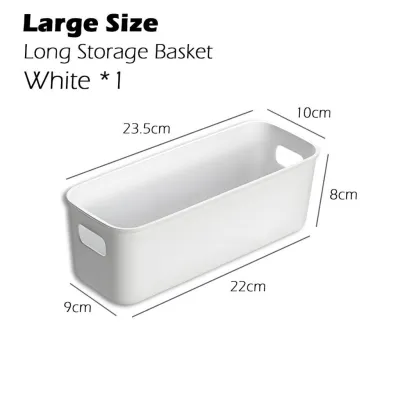
Prices are valid at publication and may change. Please refer to the product page for the latest price.
| Item Category | Recommended Organizer | Primary Decision Factor |
|---|---|---|
| Clothes & Linens | Fabric bins, vacuum bags, wardrobe boxes | Volume reduction, wrinkle prevention, breathability |
| Kitchenware & Fragiles | Heavy-duty plastic crates, dish packs | Structural rigidity, impact absorption, weight capacity |
| Important Documents | Small sealable file boxes, waterproof pouches | Moisture exclusion, flat support, security |
| Electronics & Gadgets | Original packaging, anti-static padded crates | Static prevention, shock absorption, dust protection |
When selecting materials in the Philippines, local environmental conditions must guide your choices. The high relative humidity and sudden tropical downpours common during the rainy season mean that generic material labels do not guarantee safety. A plastic bin without a proper lid seal can still let in humid air, leading to musty odors or mold. Always inspect organizers for robust latches, rubber gaskets, and weather-resistant ratings rather than assuming a material is inherently protective. High-quality modular plastic organizers in local home improvement stores typically range from ₱250 to ₱900 depending on their size and seal specifications.
Clothes and Linens: Balancing Volume, Wrinkles, and Humidity
Managing apparel and bedding during a move requires a balance between space optimization and fabric preservation. Different garments demand distinct storage environments to prevent permanent creasing, tearing, or mildew.

Wardrobe Boxes For formal wear, suits, delicate dresses, and heavy coats, wardrobe boxes are indispensable. These tall cardboard structures feature an integrated metal or plastic hanging bar, allowing you to transfer clothes directly from your closet without folding them. Before purchasing, verify the manufacturer’s specified weight capacity for the hanging bar (typically between 15 and 25 kilograms) and ensure the box is constructed from double-walled corrugated cardboard to prevent the sides from buckling under the weight of heavy garments.
Fabric Bins and Canvas Totes For casual clothing, t-shirts, jeans, and light linens, fabric bins and canvas totes offer a lightweight and flexible packing option. Canvas is naturally breathable, which helps prevent stale air from trapping odors in your fabrics. However, fabric offers virtually no protection against water. Check the product specifications to see if the fabric has a water-resistant interior coating, such as polyurethane. If it does not, line the interior of the bin with a clean plastic bag before packing to shield your clothes from unexpected rain during transit.
Vacuum Storage Bags Bulky items like pillows, comforters, and winter blankets can consume massive amounts of space in a moving truck. Vacuum storage bags are highly effective for compressing these items, reducing their volume by up to 75 percent. When choosing vacuum bags, check the mil thickness rating on the label—bags with a thickness of 3 mil or higher are less likely to puncture. Ensure that all fabrics are completely dry before sealing; trapping tropical humidity inside a vacuum-sealed plastic environment will quickly result in mold and mildew growth.
Rigid Plastic Bins If you are moving during the rainy season, packing your everyday clothes in rigid plastic bins is the safest approach. These containers protect fabrics from external moisture, dirt, and pests. Inspect the lid of the bin to ensure it features a rubber or silicone gasket and heavy-duty snapping latches that compress the seal, creating an airtight barrier.
Kitchenware and Fragiles: Prioritizing Rigidity and Shock Absorption
Kitchen items are among the heaviest and most fragile belongings in any household. Packing them requires organizers that can support substantial weight without flexing or collapsing.
Heavy-Duty Plastic Crates While standard cardboard boxes are widely used, they readily absorb atmospheric moisture, which significantly weakens their structural integrity. For heavy plates, ceramic bowls, and cast-iron cookware, heavy-duty plastic crates are far superior. Look for crates designed with reinforced bases, ribbed exterior walls, and clear load-capacity labels. These features ensure that the crate will not bow or crack when lifted, protecting both the handler and the contents inside.
Specialty Dish Packs and Dividers To prevent glassware, mugs, and porcelain from colliding during transit, utilize specialty dish packs or modular cell dividers. These cardboard or foam inserts slide directly into your plastic crates, creating individual, isolated compartments for each item. Ensure that the dividers fit snugly against the inner walls of the crate; any loose space can allow the dividers to shift, increasing the risk of breakage.
Sealable Containers for Pantry Items An often-overlooked aspect of moving kitchenware is the pantry. Spilled flour, sugar, or cooking oils can ruin adjacent boxes and attract pests like ants or rodents. Transfer all open dry goods into airtight, food-grade plastic containers with secure silicone sealing rings. Verify that the plastic is labeled BPA-free if it will be in direct contact with food items.
Packing and Loading Tips Even the strongest organizer requires proper internal packing. Wrap every fragile item individually in clean packing paper or bubble wrap before placing it in a crate. When loading the moving vehicle, always place your heaviest plastic crates at the bottom of the stack to maintain a low center of gravity and prevent lighter boxes from being crushed.
Important Documents: Ensuring Moisture Protection and Easy Retrieval
Losing vital paperwork during a move can cause long-term administrative headaches. Documents must be kept dry, organized, and physically secure throughout the relocation process.
Small, Sealable File Boxes Paper is incredibly heavy when packed in large quantities, making large boxes difficult to carry and prone to structural failure. Instead, use small, dedicated plastic file boxes designed with interior ridges to hold hanging folders. These smaller organizers keep your paperwork upright, preventing sheets from bending or crumpling. Look for models featuring snap-lock lids and integrated foam gaskets to seal out humidity and protect papers from accidental spills.
Binders and Sleeves For loose documents, certificates, and financial records, organize them into plastic sheet protectors and place them inside three-ring binders before packing them into your file boxes. This multi-layered approach keeps related documents grouped together and prevents ink from transferring or pages from sticking together in warm, humid environments.
Waterproof Document Bags Irreplaceable items—such as passports, land titles, birth certificates, and marriage contracts—require an extra layer of defense. Store these critical papers in specialized waterproof and fire-resistant document bags. When selecting these pouches, inspect the closure mechanism; a high-quality zipper paired with a fold-over hook-and-loop flap provides the most reliable barrier against water ingress.
Accessibility Strategy Do not load your document organizers onto the moving truck with the rest of your household goods. Keep these files in a personal bag or backpack and transport them yourself. This ensures they remain in a climate-controlled environment and are immediately accessible if you need to present identification or lease agreements during the move.
Electronics and Gadgets: Managing Static, Impact, and Temperature
Sensitive electronics are highly vulnerable to physical shock, electrostatic discharge, and extreme temperatures. Standard packing methods can easily damage delicate internal circuitry.
Original Manufacturer Packaging The original box that your television, computer monitor, or game console arrived in is always the best organizer for transit. These boxes are engineered specifically for the device and contain custom-molded polystyrene or foam inserts that prevent any movement. Before packing, inspect the foam inserts to ensure they have not degraded, crumbled, or become brittle, as aged foam offers significantly reduced shock absorption.
Anti-Static Bags and Wraps Standard plastic wrap and regular bubble wrap generate electrostatic charges when rubbed against other surfaces. This static electricity can instantly destroy exposed circuit boards, computer components, or internal hardware. Always place these sensitive electronic items inside dedicated anti-static bags—identifiable by their pink, blue, or metallic silver coloring—before wrapping them in external cushioning materials.
Padded Rigid Crates For electronics that no longer have their original packaging, use rigid plastic bins lined with thick bubble wrap or custom-cut foam sheets. Position the device in the center of the bin, filling all empty spaces with padding so the item cannot slide. Secure the bin with an interlocking lid to prevent dust, dirt, and moisture from settling on the cooling vents or ports of your devices.
Battery and Cable Management Before packing any electronic device, remove all alkaline or lithium-ion batteries from remote controls, controllers, and portable units. This simple step prevents chemical leakage and accidental short circuits during transit. Use small, zippered cable pouches or hook-and-loop cable ties to organize power cords and HDMI cables, labeling each cord with its corresponding device. Finally, check the manufacturer’s user manual for storage temperature limits, as closed moving trucks in tropical climates can reach temperatures that exceed safe operating thresholds for screens and batteries.
Maximizing Space: Cross-Category Organizers and Stacking Strategies
An efficient move relies on maximizing the available space inside your moving vehicle while ensuring the load remains stable and safe to transport.
Standardized Modular Bins Investing in standardized, modular plastic bins is far more effective than collecting miscellaneous cardboard boxes of varying shapes and sizes. Uniform bins stack cleanly against one another, eliminating the awkward gaps that cause items to shift during transit. This uniform footprint allows you to utilize the full height and width of your moving vehicle safely.
Interlocking Lids and Bases When purchasing plastic organizers, look for models designed with interlocking lids and bases. The bottom of each bin should nest securely into a recessed channel on the lid of the bin beneath it. This physical connection prevents stacks from sliding laterally when the moving vehicle encounters bumps, sudden stops, or sharp turns on the road.
Labeling and Inventory Systems Opaque bins keep your belongings private but can make finding specific items difficult during unpacking. Use clear plastic bins for items you will need immediately upon arrival, or apply large, color-coded labels to opaque containers. Maintain a master inventory list on your phone, mapping each numbered organizer to its specific contents so you do not have to open multiple boxes to find a single item.
Weight Distribution Never pack all of your heaviest items, such as books, files, or tools, into a single large organizer. This makes the container dangerous to lift and increases the risk of the plastic cracking under stress. Distribute heavy items across several smaller containers, keeping the weight of each individual bin within a safe lifting limit—typically under 15 to 20 kilograms for a single person.
Frequently Asked Questions (FAQ)
Can I use regular cardboard boxes for moving during the rainy season?
Standard cardboard boxes absorb atmospheric moisture quickly, which compromises their structural integrity and causes them to collapse under weight. If you must use cardboard during the rainy season, wrap the exterior of the boxes completely in stretch wrap (plastic film) and ensure they are kept elevated off wet ground or open truck beds. For optimal safety, transition to rigid plastic crates.
How do I safely pack large, awkwardly shaped items like lamps or fans?
For items that do not fit into standard rectangular organizers, disassemble them as much as possible according to the manufacturer’s instructions to avoid damage or voiding warranties. Wrap delicate components, such as lamp bases or fan blades, in thick moving blankets or heavy-duty bubble wrap, securing them with packing tape. Use specialized telescoping boxes or tall wardrobe boxes for standing items that cannot be disassembled.
Are vacuum storage bags safe for all types of clothing and bedding?
While vacuum bags are excellent for space-saving with synthetic fabrics, cottons, and polyester fills, they are not suitable for all materials. Prolonged compression can permanently crush and damage natural fibers like wool, silk, and down feathers, ruining their loft and insulation properties. For these delicate items, use breathable canvas bins or loosely packed, rigid plastic tubs instead.
Community discussion
Share your experience or ask a question. Comments are reviewed before publication.