
Choosing the right wardrobe is a highly personal decision that directly impacts how organized and stress-free your daily routine feels. In tropical climates like the Philippines, where high humidity and seasonal shifts affect how we store garments, selecting a durable and practical storage setup is crucial for keeping clothes fresh.
Orocan plastic cabinets are popular solutions for household organization, but finding the right configuration requires looking beyond simple aesthetics. By matching the internal layout of a cabinet to your specific clothing mix and verifying the physical constraints of your room, you can secure a storage system that serves your home reliably for years.
Quick Answer: Finding Your Ideal Orocan Cabinet Configuration
The ideal Orocan cabinet configuration depends entirely on your individual storage habits, clothing types, and available room dimensions. Because everyone manages their wardrobe differently, there is no single model that serves as a universal solution for every household. Instead, the right choice is the one that aligns with your dominant clothing types and daily access needs.
Products mentioned in this guide
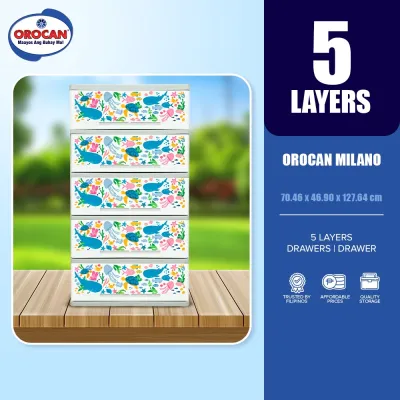
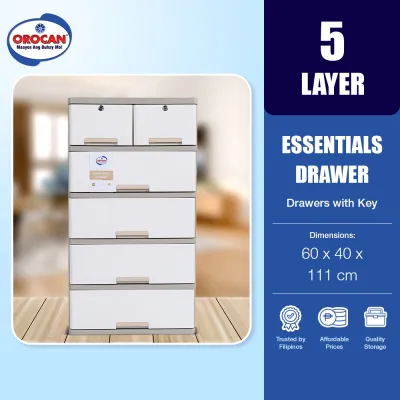
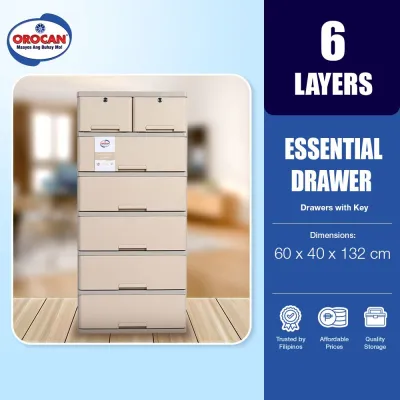
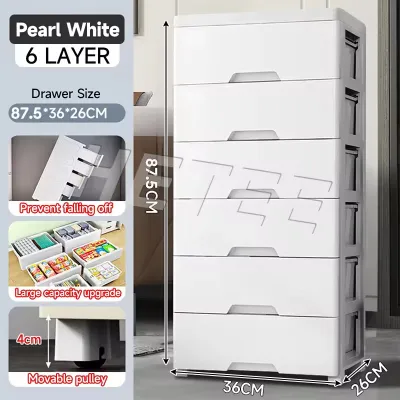
Prices are valid at publication and may change. Please refer to the product page for the latest price.
When evaluating different configurations, your primary focus should be matching the cabinet’s internal layout to how you store your clothes. If your wardrobe consists mostly of casual wear, t-shirts, and athletic gear, a multi-drawer setup is highly efficient. Conversely, if you frequently wear uniforms, dresses, or ironed shirts, a model with a dedicated hanging rod is essential to prevent wrinkles.
Beyond clothing types, your decision should be driven by three core factors: available floor space, structural stability, and daily access convenience. A cabinet that is too large for your room or too flimsy for your heavy denim collection will quickly become a source of frustration. Taking the time to assess these practical dimensions beforehand ensures a successful purchase.
Key Features to Compare Across Orocan Cabinet Models
To make an informed decision, you must equip yourself with the specific metrics and structural details that differentiate various cabinet configurations. Comparing these features directly allows you to identify which model offers the best utility for your specific living space.

Storage Configuration Multi-drawer units excel at keeping folded items, undergarments, and accessories neatly categorized and protected from dust. However, retrieving an item from the bottom of a deep drawer can sometimes disrupt the neatness of the stack. On the other hand, units with hanging rods allow you to see all your shirts and dresses at a glance, preventing wrinkles, but they offer less efficient space utilization for smaller, loose items.
Dimensions and Internal Capacity Always verify both the exterior and interior dimensions before finalizing your purchase. It is a common mistake to assume that the outer measurements represent the actual storage space. Thick plastic walls, double-walled doors, and internal frame supports are necessary for structural strength, but they inevitably reduce the usable internal volume. Measure your largest folded items or hanger widths to ensure they will fit comfortably inside without bending or forcing the doors shut.
Structural Integrity Do not assume all plastic cabinets offer the same level of durability. Look closely at the construction details of each model rather than relying solely on the general material label. High-quality units feature reinforced corners, thickened load-bearing top and bottom panels, and robust drawer rails. These structural reinforcements prevent the plastic from bowing or warping over time, especially when subjected to the weight of heavy textiles like denim or jackets.
Matching Cabinet Layouts to Your Specific Clothing Mix
Your daily routine becomes much smoother when your cabinet’s layout matches your actual wardrobe. Organizing your clothes according to their specific care requirements will also extend their lifespan and keep them looking their best.
Mostly Folded Clothes and Accessories If your wardrobe consists mainly of t-shirts, denim, knitwear, and activewear, a multi-drawer configuration is highly practical. Look for models that offer drawers of varying depths. Shallow drawers are perfect for organizing socks, undergarments, and small accessories, while deeper drawers can accommodate bulky jeans and folded sweaters without jamming the drawer above.
Long Garments and Wrinkle-Prone Items For those who wear formal attire, uniforms, or long dresses, a cabinet with a dedicated hanging section is indispensable. Ensure the vertical clearance of the hanging compartment is sufficient for your longest garments. If the clearance is too short, your clothes will drag on the bottom panel, leading to wrinkles and potential dust accumulation.
Mixed Storage and Bulk Items If you have a diverse wardrobe, a combination unit offers excellent versatility. These models typically feature a central hanging rod flanked by top or bottom drawers, or adjustable open shelves. This layout allows you to hang delicate shirts while utilizing the drawers for folded items and the shelves for bulkier items like bags, extra bedding, or shoes.
Small Bedrooms or Tight Corners When floor space is limited, vertical efficiency is key. Narrow, tall configurations allow you to maximize your storage volume without consuming valuable floor area. These slim models fit neatly into tight corners or beside beds, making them ideal for studio apartments or shared bedrooms where every square meter counts.
Pre-Purchase Checks: Space, Access, and Structural Stability
Before finalizing your purchase, performing a few physical checks will save you from potential installation headaches and safety hazards. Taking these steps ensures the cabinet fits your home physically and structurally.
Space and Access Measurement Begin by measuring the exact floor area where you plan to place the cabinet, keeping in mind the clearance required to fully open doors and pull out drawers. Do not forget to measure the ceiling height as well. Additionally, map out the delivery path. Measure the widths of your hallways, stairwells, and doorways to ensure the packaged or pre-assembled unit can safely reach its destination without getting stuck.
Weight Capacity and Loading Plastic is highly resilient, but it is not immune to structural stress. Check the manufacturer’s specifications for the weight limits of individual shelves, drawers, and hanging rods. Overloading a hanging rod with heavy denim jackets or filling a drawer to the brim with thick textiles can cause the plastic to bow, the rails to fail, or the doors to misalign. Distribute weight evenly, placing heavier items at the bottom of the cabinet to maintain a low center of gravity.
Stability and Tipping Risks Tall plastic cabinets can become top-heavy when fully loaded, particularly if the heavier items are stored in the upper sections. To prevent tipping hazards, check if the model features a wide, stable base or includes anti-tip wall anchoring hardware. This precaution is especially critical in households with active children or pets who might attempt to climb or pull on the cabinet doors.
Where to Buy and How to Inspect Your Delivery
Acquiring your cabinet from a reliable source and inspecting it thoroughly upon arrival ensures you receive a genuine product in perfect working condition.
Authorized Channels To guarantee you are purchasing an authentic Orocan product, buy directly from the brand’s official website, authorized physical retail partners, or verified flagship stores on major online marketplaces. Purchasing from authorized channels ensures you receive genuine materials and are covered by any applicable manufacturer warranties or return policies.
Delivery Inspection Once your package arrives, perform a meticulous inspection before beginning the assembly process or signing the delivery receipt. Use this quick checklist to verify the condition of the components:
- Check all plastic panels for cracks, chips, or deep scratches incurred during transit.
- Inspect the main frame pieces to ensure they are not warped or bent.
- Verify that all assembly hardware, screws, handles, and small connectors are present in the package.
- Test the drawer runners and door hinges by aligning them temporarily to check for smooth operation.
Assembly Considerations Depending on the specific model, your cabinet may arrive fully assembled, partially pre-assembled, or as a flat-pack kit requiring complete assembly. If assembly is required, follow the manufacturer’s instruction manual step-by-step. Avoid using excessive force when snapping plastic joints together, as this can stress the material. Proper assembly is vital for maintaining the cabinet’s structural integrity and keeping the warranty valid.
Frequently Asked Questions (FAQ)
How do I prevent a plastic clothes cabinet from smelling musty?
Solid plastic panels are excellent for keeping dust and pests out, but they do not breathe like wood, canvas, or open shelving. In humid environments, this lack of ventilation can trap ambient moisture inside, leading to a musty odor on your clothes. To prevent this, place moisture absorbers, such as silica gel packets or calcium chloride boxes, inside the drawers and hanging compartments. Always ensure your clothes are completely dry before folding or hanging them. Additionally, make it a habit to leave the cabinet doors or drawers slightly ajar during dry, sunny days to encourage natural air circulation.
Can I place a plastic clothes cabinet in a highly humid room?
While the plastic body of the cabinet is highly resistant to water damage and will not rot or warp when exposed to moisture, placing it in an extremely humid room still carries risks. High ambient humidity can penetrate the cabinet seams, affecting your stored clothes and potentially causing mold to grow on the fabrics. Furthermore, any metal hardware integrated into the cabinet, such as hanging rods, door hinges, or assembly screws, can rust over time if exposed to constant moisture. Before placing a wardrobe in high-humidity areas like a bathroom anteroom or a damp laundry space, check the manufacturer’s environmental guidelines and ensure the space has adequate exhaust ventilation to manage moisture levels.
Community discussion
Share your experience or ask a question. Comments are reviewed before publication.