
Scraping dining chairs, sliding sofas, and slamming cabinet doors can quickly wear down your home’s surfaces and disrupt your peace, but you can resolve these common household nuisances by matching the specific issue to the correct rubber furniture accessory, such as non-slip pads, protective feet, impact-absorbing bumpers, or rubber-tread casters. Identifying whether your primary goal is to prevent floor scratches, stop sliding, dampen noise, or ease movement allows you to select a targeted, cost-effective solution without damaging your furniture or flooring.
How Do You Identify the Root Cause of Your Furniture Issue?
You can identify the root cause of your furniture issue by observing the physical interaction between the furniture base and your flooring, categorizing the symptom as surface damage, impact noise, unintended movement, or high friction. Once you pinpoint this primary symptom, you can determine whether the solution requires a temporary slip-on accessory or a permanent, hardware-mounted modification.
Begin by inspecting the contact points where your furniture meets the floor or adjacent surfaces. If you notice fine lines, deep gouges, or dark scuff marks on your hardwood or tile, the issue is surface damage caused by abrasive materials or excessive pressure. If the primary complaint is a sharp, disruptive sound whenever a cabinet closes or a chair is pushed, you are dealing with impact noise or friction-induced vibration.
Products mentioned in this guide
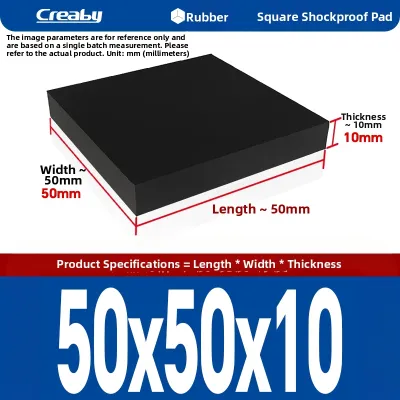
41 Lazada user ratings
Easy to place and align, Thick and sturdy, Secure fit for equipment, Noise reduction effect.
solid jsjssbsbsj fjsowndbussh nsoakabssgsh jskaksbsshsu jsjsissbdhis jssijsbdjs jsjsjs
Thick and sturdy, Excellent shock absorption,
Item received
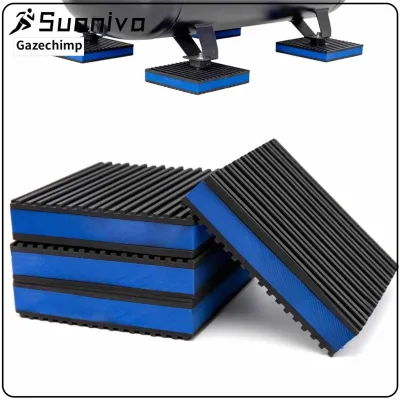
Prices are valid at publication and may change. Please refer to the product page for the latest price.
Next, analyze the stability of the item. Unintended movement occurs when lightweight furniture, such as coffee tables or accent chairs, slides easily across smooth surfaces like polished concrete or ceramic tiles during normal use. Conversely, high friction makes heavy items like wardrobes or dining tables incredibly difficult to move, requiring excessive physical effort that risks straining your back or damaging the furniture joints.
Finally, evaluate the material of both the furniture leg and the floor. A metal-capped leg on a soft pine floor requires a different level of protection than a wooden leg on a durable ceramic tile. Deciding whether you need a temporary, non-invasive fix—such as adhesive pads—or a permanent modification—like screw-in glides—depends entirely on how frequently the furniture is used and whether you own or rent your living space.
Which Rubber Accessory Stops Floor Scratches and Scuff Marks?
To stop floor scratches and scuff marks, you should use rubber feet or slip-on rubber caps that act as a protective barrier between heavy furniture legs and sensitive flooring. Choosing between adhesive pads, screw-on feet, or flexible slip-on caps depends on how often the furniture is moved and the shape of its legs.

For furniture that remains relatively stationary, such as heavy sideboards or bed frames, heavy-duty rubber pads with strong adhesive backings offer reliable, low-profile protection. These pads distribute the weight evenly and prevent the hard wood or metal edges of the legs from pressing directly into the floor finish. However, because adhesive can degrade over time or slide off under lateral pressure, they are less suited for chairs that are constantly pulled in and out.
For high-use furniture like dining chairs, slip-on rubber caps or screw-on rubber feet provide a far more durable solution. Slip-on caps stretch slightly to hug the furniture leg, making them excellent for temporary setups or angled legs where drilling is not ideal. Screw-on rubber feet, on the other hand, require drilling a small pilot hole into the center of the leg base, offering a permanent, wobble-free attachment that will not fall off when the chair is dragged.
Before purchasing, measure the exact diameter or width of the furniture leg using a caliper or tape measure to ensure a snug fit. A loose cap will collect grit and dust underneath, which can act like sandpaper and scratch your floors anyway. Additionally, check the hardness of the rubber; very soft, low-quality rubber can sometimes degrade and leave dark, stubborn chemical stains on light-colored vinyl or polyurethane-finished wood floors.
What Prevents Cabinet Doors and Drawers from Slamming?
Small, self-adhesive rubber bumpers and dots prevent cabinet doors and drawers from slamming by absorbing the kinetic energy of the impact and dampening the resulting noise. These compact accessories are placed directly on the inside corners of doors or drawer fronts where they meet the cabinet frame.
When selecting rubber bumpers, match the bumper shape to the specific clearance and contact surface of your cabinetry. Hemispherical bumpers are ideal for standard cabinet doors because their rounded profile concentrates the impact at a single point, maximizing shock absorption. Cylindrical or square bumpers, which have flat tops, are better suited for heavier drawers or sliding doors because they provide a larger surface area to distribute the impact force.
Proper installation is critical to ensure the bumpers remain in place over years of daily use. Always clean the application area thoroughly with rubbing alcohol to remove grease, dust, and cooking oils, and allow the surface to dry completely before peeling and pressing the bumper into place. Over time, rubber bumpers can become hard, brittle, or flattened from constant pressure; when they lose their elasticity and no longer dampen the sound, simply peel them off and apply fresh replacements.
How Can You Keep Rugs and Light Furniture from Sliding on Smooth Floors?
You can keep rugs and light furniture from sliding on smooth floors by installing high-friction rubber mesh grips or solid rubber non-slip pads beneath them. These accessories increase surface traction, preventing accidental movement when you sit down or step on the surface.
For area rugs, runners, and large mats, a rubberized mesh underlay is the most effective solution. This mesh covers a wide surface area, distributing the weight of foot traffic and keeping the rug flat to prevent curling edges and tripping hazards. For light furniture like sofas, armchairs, or coffee tables, solid rubber cups or heavy-duty non-slip pads placed directly under each leg are more appropriate, as they grip the smooth floor surface and anchor the furniture in place.
When installing non-slip pads, always size and cut them to match the exact footprint of the furniture leg. Allowing the pad to extend beyond the edge of the leg not only looks untidy but also creates a lip that can catch dust, pet hair, or even the toes of shoes, potentially peeling the pad away over time.
It is also essential to verify that the rubber compound is compatible with your specific floor finish. Some synthetic rubbers contain plasticizers that can react chemically with certain floor sealants, leading to permanent yellowing or dull spots on natural stone, hardwood, or luxury vinyl tiles. Opt for high-quality, non-marking rubber accessories to ensure your floors remain pristine.
What Makes Heavy Furniture Easier to Move Without Lifting?
Heavy furniture becomes much easier to move without lifting when you install rubber-tread casters or heavy-duty rubber-bottomed glides. These accessories reduce the physical effort required to relocate bulky items while protecting your floors from deep gouges during transit.
If you need to move furniture frequently for cleaning or room reconfigurations, swivel rubber casters are the ideal choice. Unlike hard plastic wheels, rubber-tread casters roll smoothly and quietly across hardwood, tile, and laminate without leaving tracks or cracking under heavy loads. For items that only need occasional, slight adjustments or suffer from heavy vibrations—such as washing machines or large speakers—fixed rubber glides provide excellent dampening and minor mobility.
Before installing casters, you must calculate the total weight capacity required to support your furniture safely. Divide the combined weight of the furniture piece and its maximum expected contents by the number of casters you plan to install, ensuring each wheel can handle its designated share of the load. Additionally, verify whether your furniture base requires a stem mount (which inserts into a pre-drilled hole) or a flat mounting plate (which screws directly onto a flat wooden surface).
Once the casters are installed, always test the locking mechanisms to ensure the furniture remains stable and stationary when in use. High-quality casters feature dual-locking systems that lock both the wheel rotation and the swivel direction, preventing any unexpected shifting or rolling.
When Should You Stop and Check Manufacturer Specifications?
You should stop and check manufacturer specifications before installing any rubber accessory if your furniture or flooring is still under warranty, or if the installation requires drilling into the structure. Verifying these details prevents accidental damage and ensures you do not void active product guarantees.
Many high-end flooring manufacturers explicitly state which types of protective pads or rubber compounds are safe for their finishes. Using unapproved adhesives or low-grade rubber accessories can chemically react with the floor’s protective coating, voiding your flooring warranty and leaving permanent marks. Similarly, check your furniture’s care guide before drilling holes for screw-on feet or casters, as unauthorized modifications can void structural warranties.
You must also halt installation if you discover that the furniture leg is structurally compromised, hollow, or split. Attempting to drive a screw or insert a caster stem into damaged wood will cause the leg to split further, potentially leading to a sudden collapse. If you are dealing with delicate antiques, heavy solid-wood heirlooms, or complex metal frames, consult a qualified furniture restorer or professional installer to perform the modifications safely.
Community discussion
Share your experience or ask a question. Comments are reviewed before publication.