
Selecting the ideal shoe container storage is a balance of your total collection size, the physical limits of your home, and how often you need to access each pair. Whether you own a few essential pairs for daily commutes or a growing collection of premium sneakers, the way you store them affects both their lifespan and the organization of your living space. In tropical climates like the Philippines, where high humidity can accelerate material degradation, choosing the right storage format is not just about aesthetics—it is a critical step in preserving your footwear.
Assess Your Shoe Collection and Available Space
To build a functional storage system, start by sorting your footwear into active and seasonal categories. Active shoes—such as daily work shoes, school shoes, or casual sandals—require quick, low-effort access. Seasonal or occasional footwear, like formal heels, heavy boots, or specialized sports shoes, can be placed in deeper storage. Counting these groups separately gives you a clear picture of how many high-accessibility slots you need versus how many long-term storage containers you must accommodate.
Next, measure your physical space with a standard tape measure. Note the exact width, depth, and height of your closet floor, open shelves, or the empty space under your bed frame. If you plan to use under-bed storage, measure the vertical clearance from the floor to the lowest point of the bed frame to ensure containers can slide out without scraping. For closet shelves, verify the depth; standard shelves may not fully accommodate extra-large shoe boxes, leaving them protruding into your walking path.
Products mentioned in this guide
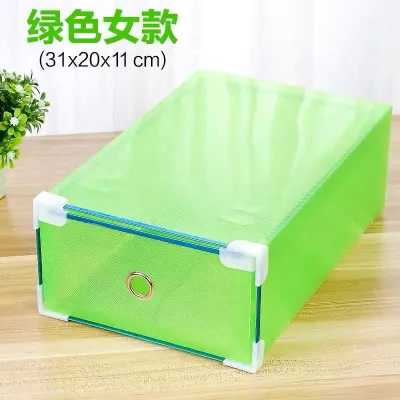
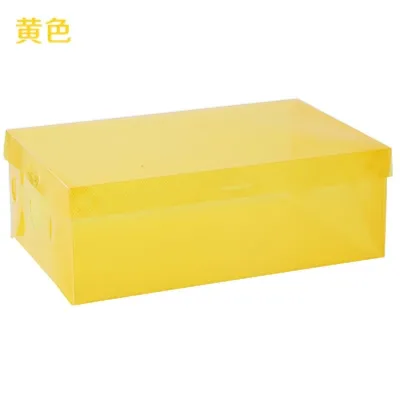
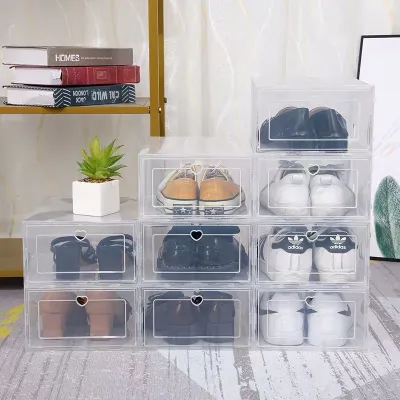
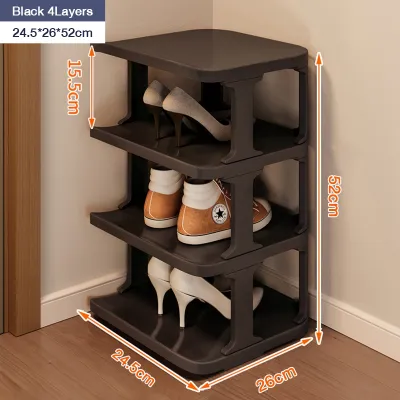
Prices are valid at publication and may change. Please refer to the product page for the latest price.
Do not overlook the path leading to your storage area. If you are purchasing large, pre-assembled storage towers or multi-tier cabinets, measure your doorways, narrow hallways, and stairwells. Ensuring these units can safely pass through your home prevents frustrating installation bottlenecks. In humid environments, also observe the natural airflow of the room; placing large, solid storage units directly against exterior walls can trap moisture, so plan for a small gap to allow air circulation.
Match Storage Styles to Your Collection Size
Different storage formats excel at different scales. A small collection of ten pairs requires a vastly different structural approach than a collection of fifty or more. Matching the container style to your inventory size ensures you do not overspend on unnecessary structures or overload fragile organizers, whether your budget is ₱1,000 or ₱10,000.

Stackable Clear Boxes and Drop-Front Cases
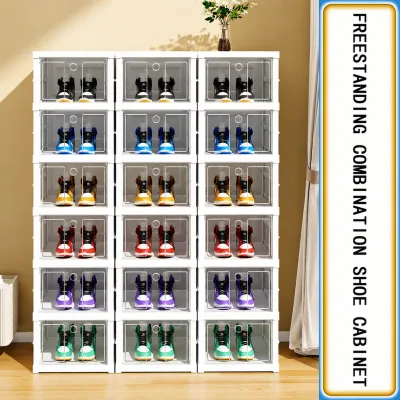
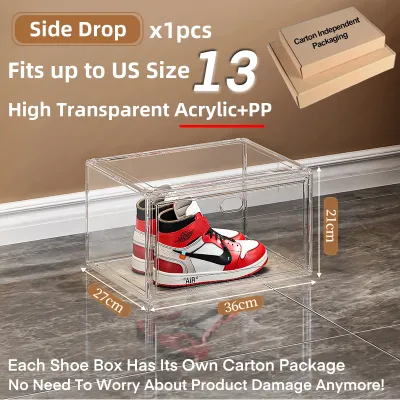
For medium to large collections, rigid stackable boxes and drop-front cases offer excellent structural integrity and modular growth. These containers allow you to build vertical storage towers, maximizing vertical space without taking up valuable floor area. When planning a stacked configuration, always check the manufacturer’s specified weight limits and verify how the boxes interlock. Interlocking tabs or recessed lids prevent the column from shifting or sliding when you open a drawer.
Before purchasing, verify the interior dimensions of the boxes against your largest shoes. High-top sneakers, platform heels, and ankle boots require more vertical clearance than standard flats or running shoes. Storing shoes on their sides to make them fit can warp the upper materials over time, so select extra-large or deep cases for these specific styles.
In warm, humid climates, ventilation is a critical factor for rigid containers. Look for boxes designed with built-in ventilation holes or rear mesh panels. Air circulation prevents moisture from building up inside the box, which is especially important for preserving natural materials like leather, nubuck, and suede that are highly susceptible to mold and mildew.
Hanging Organizers and Under-Bed Storage
If you have a smaller collection or limited floor space, hanging organizers and under-bed storage bins provide excellent space-saving alternatives. Hanging organizers utilize the unused vertical space beneath your closet rod. Before loading these fabric shelves with multiple pairs of shoes, verify the weight capacity of your closet rod and the structural integrity of the organizer’s straps. Heavy leather shoes or thick-soled sneakers can quickly add up, causing weak rods to bow or fabric seams to tear.
Under-bed storage is ideal for rotating seasonal footwear or keeping less-frequent wear out of sight. Measure your bed frame clearance carefully to ensure the bins slide smoothly over your flooring, whether it is smooth tile, polished wood, or carpet. If you use fabric under-bed organizers, check for sturdy side handles and smooth zippers that seal completely to keep out dust and household pests.
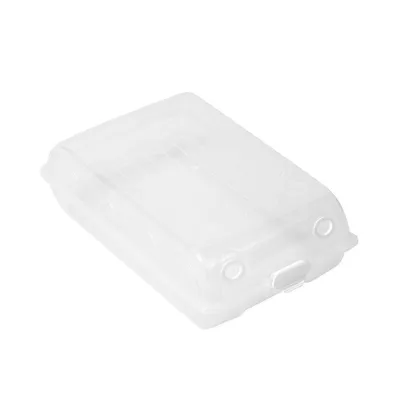
When comparing fabric organizers to hard plastic under-bed bins, consider the level of protection required. Fabric options are breathable and flexible, making them easier to squeeze into tight spaces, but they offer less protection against accidental impacts. Hard plastic bins with latching lids provide superior dust and moisture protection, though they require exact clearance heights to function properly.
Evaluate Display Preferences and Daily Accessibility
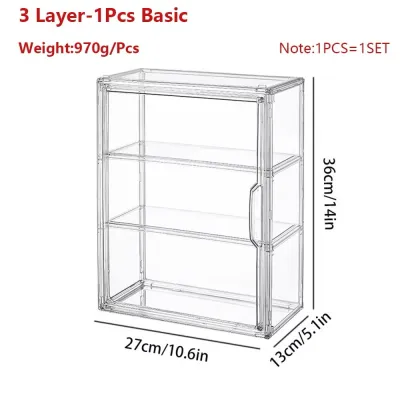
Your daily routine should dictate whether you choose visible display setups or concealed storage. Clear acrylic boxes and drop-front cases are ideal for those who want to see their collection at a glance. This visibility saves time during busy mornings, allowing you to select your footwear without opening multiple containers. It also serves an aesthetic purpose for collectors who view their shoes as design elements in the room.
Conversely, opaque bins or fabric organizers are better suited for concealing clutter or storing shoes that are out of season. If your storage is located in a highly visible area like an entryway or bedroom, opaque containers can create a cleaner, more uniform look that blends seamlessly with your existing furniture. However, this setup requires a reliable labeling system or a disciplined rotation habit to prevent you from forgetting what is stored inside.
Consider the physical effort required to access your shoes daily. If a container requires you to unstack three other boxes, unlatch multiple heavy clips, or unzip a long fabric cover every time you want your favorite sneakers, you may find yourself leaving shoes scattered on the floor instead. For daily-wear shoes, prioritize drop-front doors or open-front cubbies that allow single-handed retrieval. Save the multi-step latches and zippered bags for shoes you only wear occasionally.
Finally, align the visual finish of your storage system with your room’s decor. High-gloss acrylic cases fit modern, minimalist interiors, while fabric organizers in neutral tones offer a softer, more casual look. Ensure the materials and colors complement your wardrobe, shelving, or bed frame to create a cohesive, intentional space.
Final Verification Checklist Before Purchasing
Before finalizing your purchase on any online marketplace or at a local furniture store, run through a quick verification checklist to avoid common sizing and compatibility errors. First, cross-reference the external dimensions of the containers with your measured storage footprint, and compare the internal dimensions with your largest pair of shoes. Remember to account for any protruding handles, hinges, or interlocking tabs that might add to the overall external size.
Review the assembly requirements for the containers. Some rigid plastic boxes arrive flat-packed and require snap-together assembly, which may demand moderate hand strength or basic household tools. Check if the manufacturer includes all necessary hardware, especially if you plan to stack units high and need wall-anchoring brackets to prevent tipping.
Lastly, confirm the retailer’s return policy and review the manufacturer’s care instructions. If the containers arrive and do not fit your space as expected, a flexible return policy protects your investment. Understanding the care instructions—such as whether the plastic can be cleaned with standard household disinfectants or if it requires a simple damp cloth—ensures your storage system remains clean and functional for years to come.
Frequently Asked Questions (FAQ)
How do I prevent odors in enclosed shoe containers?
To prevent odors and mold growth, always ensure your shoes are completely dry and clean before placing them inside any enclosed container. This is particularly important in humid tropical climates where trapped moisture quickly leads to mildew. If your shoes are damp from rain or sweat, let them air out completely in a well-ventilated room before storing them. You can also place standard silica gel packets, bamboo charcoal bags, or specialized odor absorbers inside the containers, using them strictly according to the manufacturer’s instructions. Choosing containers with built-in ventilation slots or breathable fabric panels will also help maintain a fresh environment.
Can I stack shoe boxes higher than the manufacturer recommends?
Exceeding the manufacturer’s recommended stacking height poses significant safety risks, including structural failure of the bottom boxes and serious tipping hazards. Overloaded columns can warp under pressure, causing the entire stack to collapse and potentially damage your footwear or cause injury. Always adhere strictly to the stacking limits specified in the product manual. If you must stack containers high, use the designated wall-anchoring hardware to secure the column to a wall stud. If you run out of safe vertical space, consider expanding your layout horizontally or investing in wider, dedicated shelving units to distribute the weight safely.
Community discussion
Share your experience or ask a question. Comments are reviewed before publication.