
Finding the right shoe organisers for your closet is not just about buying the prettiest boxes; it is about matching your physical space with your daily habits. The ideal setup balances accessibility, protection from tropical humidity, and the physical limits of your wardrobe. By analyzing your closet’s layout and your footwear collection, you can choose a system that keeps your floors clear and your shoes in excellent condition.
Audit Your Closet Dimensions and Available Clearances
Before browsing online marketplaces, grab a tape measure. You need to know the exact depth, width, and height of every shelf, as well as the distance between your hanging rods and the floor. Many standard closets have deep shelves that leave unused space at the back, or high shelves that waste vertical clearance.
Do not forget to measure the door swing. If you have hinged doors, check how much clearance you have when they are fully open. A door-mounted organiser might block the door from closing if your hanging clothes sit too close to the front edge.
Products mentioned in this guide
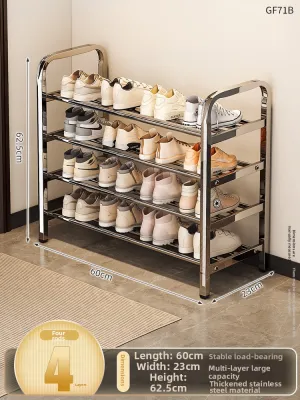
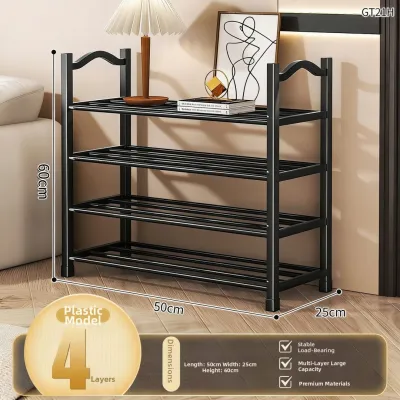
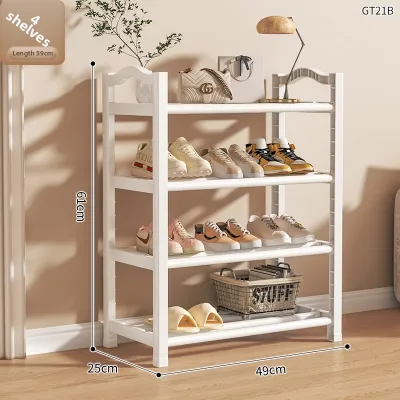
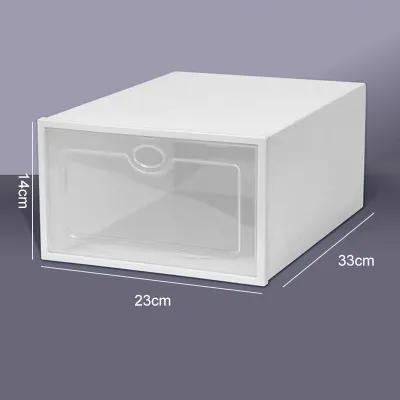
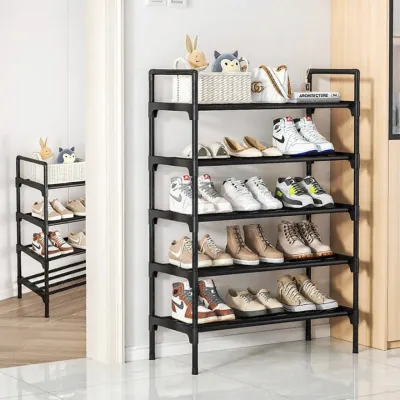
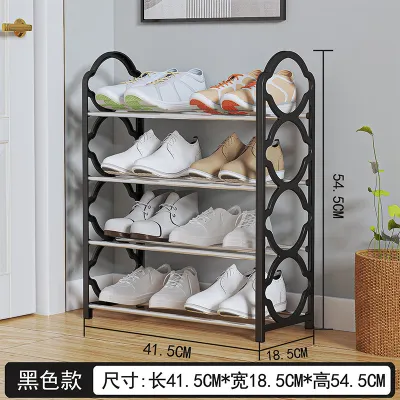
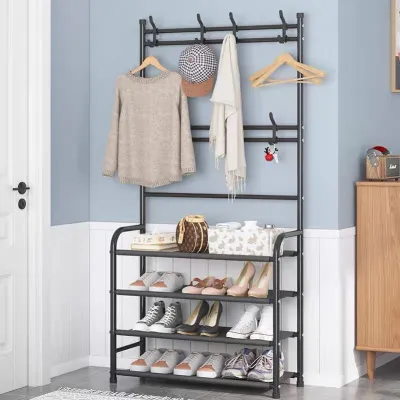
Prices are valid at publication and may change. Please refer to the product page for the latest price.
Look for underutilized zones. The space beneath hanging shirts, the back of the closet door, and the empty floor area are prime real estate. Documenting these dimensions prevents the frustration of buying organisers that stick out too far or prevent your closet doors from shutting completely.
Evaluate Your Shoe Collection Size and Daily Access Needs
Your shoe collection is unique, and a single storage style rarely fits every type of footwear. Begin by sorting your shoes into categories based on how often you wear them. Daily footwear like step-ins, sandals, and school shoes require quick, eye-level or floor-level access, while formal heels, leather brogues, and seasonal boots can live in more protected zones.

Count your pairs. Knowing the exact number of shoes you need to store prevents underestimating your storage needs. If you have twenty pairs but only buy a six-pack of stackable boxes, you will still end up with clutter on your closet floor.
Consider the local climate. In the Philippines, high humidity can lead to mold growth on leather and canvas if shoes are stored damp or in completely sealed, unventilated containers. Conversely, open shelves expose shoes to dust. Balancing open access for daily wear with breathable, enclosed storage for premium pairs is key to preserving your collection.
Match Organiser Formats to Your Specific Space Constraints
Selecting the right organiser format requires balancing your spatial limits against your collection’s needs. Different formats offer distinct advantages in terms of dust protection, visibility, and ease of installation.
To make an informed decision, compare how each option utilizes your available space. Some formats excel at reclaiming wasted vertical areas, while others are designed to maximize the depth of existing wooden shelves.
Hanging and Door-Mounted Options for Tight or Unused Spaces
Hanging organisers and over-the-door pockets are excellent solutions for tight spaces, small bedrooms, or rental properties where permanent modifications are not allowed. These systems hang directly from your existing closet rod or hook over the top of your closet door, requiring zero drilling or assembly tools.
These formats are best suited for lightweight, flexible footwear. Canvas sneakers, flat sandals, slippers, and thin slip-ons fit perfectly into fabric pockets or hanging cubbies. Because they keep shoes off the floor, they instantly make your closet feel more spacious and easier to sweep.
Before buying, verify the weight capacity of your closet rod or door hinges. Heavy leather shoes or bulky wedge heels can cause fabric hangers to sag or put excessive strain on door hinges. Look for hanging organisers with reinforced top panels and sturdy metal hooks to ensure they remain secure over time.
Stackable Boxes and Shelf Inserts for Standard or Deep Shelves
If you have built-in closet shelves, stackable boxes and shelf inserts are the most efficient way to maximize your storage capacity. Standard shelves often leave 20 to 30 centimeters of empty vertical space above your shoes. Shelf inserts, such as wire or wooden risers, allow you to place one row of shoes on the shelf and another directly above it, effectively doubling your storage footprint.
For premium shoes, formal wear, or collectible sneakers, stackable clear plastic boxes offer excellent protection. They shield your footwear from dust and pests while keeping every pair fully visible. When choosing plastic boxes, look for designs with drop-front doors so you can slide a pair out without unstacking the entire column.
Always check the interior dimensions of these boxes against your largest shoes. High heels, high-top sneakers, and wide men’s dress shoes often require larger box sizes than standard flats. Measure your shelf depth to ensure the boxes will not overhang and prevent your closet doors from closing.
Plan Your Layout and Verify Measurements Before Buying
Before finalizing your purchase, sketch a quick layout of your closet. Mark the positions of fixed obstacles such as door hinges, light fixtures, pull-out drawers, and baseboards. A stackable unit might fit perfectly on paper, but a protruding hinge or light switch could block you from opening the organizer’s doors.
Cross-reference the exterior dimensions of your chosen organisers with your measured clearances. Remember to account for extra clearance needed for lids, pull-out drawers, or the swing of drop-front doors. If an organiser is exactly the same depth as your shelf, a protruding handle might still prevent your closet door from latching.
If you are planning a major closet overhaul, start by purchasing a small batch of your chosen modular units. Testing a few boxes or one hanging organiser allows you to verify the build quality, ease of access, and actual fit in your daily routine before investing a larger budget, whether that is ₱1,000 or ₱5,000, on a complete system.
Frequently Asked Questions (FAQ)
Can I mix different shoe organiser formats in one closet?
Yes, mixing formats is often the most practical way to handle a diverse shoe collection. You can use stackable clear boxes on high, hard-to-reach shelves for formal or seasonal shoes, while keeping a hanging organiser or an open floor rack for your daily sandals and sneakers. This zoned approach keeps your everyday shoes highly accessible while protecting your delicate pairs from dust and accidental damage. Just ensure that the mixed formats do not block walkways or prevent drawers from opening.
How do I protect delicate shoes in open or hanging organisers?
To protect delicate materials like suede, leather, or embellished fabric in open organisers, place them inside breathable cotton dust bags before storing them. This prevents dust accumulation while still allowing air circulation, which is crucial in humid environments. Additionally, position your hanging organisers away from direct sunlight coming through windows, as UV rays can fade colors and dry out leather over time.
Community discussion
Share your experience or ask a question. Comments are reviewed before publication.