
Quick Answer: Choosing the Right Shoe Organizer for Your Wardrobe
Selecting the ideal shoe rack organizer for an indoor closet wardrobe system depends entirely on your specific wardrobe layout, door clearance, and shoe collection. No single design fits every scenario, as the constraints of your closet frame dictate what will function reliably over time.
For deep, custom closet systems where ergonomic access is the priority, pull-out sliding shelves offer the most seamless integration. If you require a flexible layout that protects delicate footwear from dust, modular stackable racks or drop-front clear boxes are highly effective. For smaller wardrobes with limited floor space, hanging organizers utilize narrow vertical gaps next to hanging clothes. Over-door racks should be reserved strictly for wardrobes with sturdy, hinged doors that can support the extra weight, and they must be avoided entirely on sliding doors.
Assessing Your Wardrobe Space and Constraints
Before purchasing a shoe rack organizer, you must evaluate the physical dimensions and environmental factors of your closet. Start by measuring the finished internal dimensions: width, depth, and height. Standard wardrobes typically have an internal depth of 60 centimeters, which comfortably accommodates most footwear. Shallow units measuring 40 centimeters or less require careful planning, as shoes may need to be angled or stored sideways to allow the doors to close.
Products mentioned in this guide
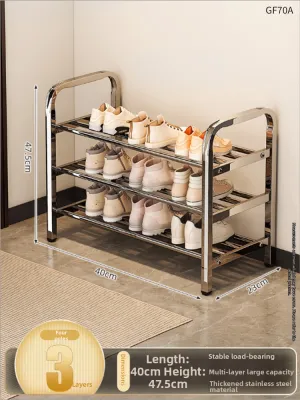
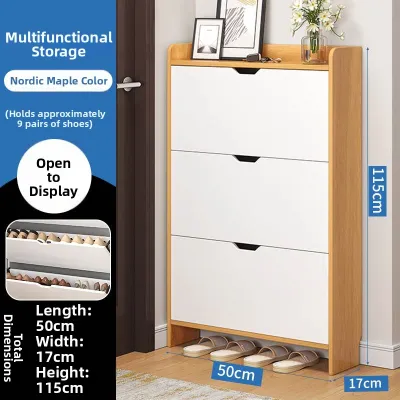
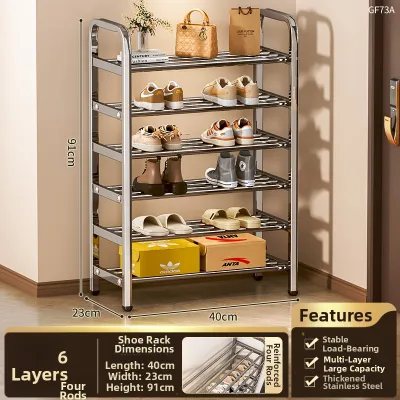
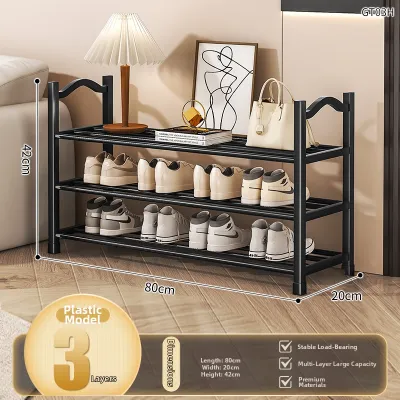
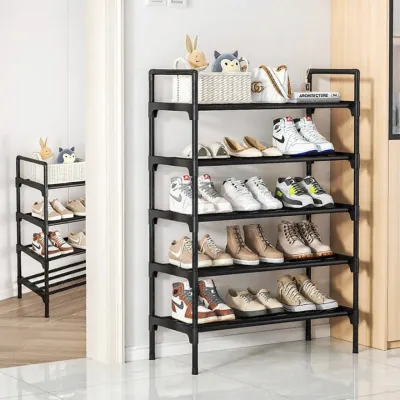
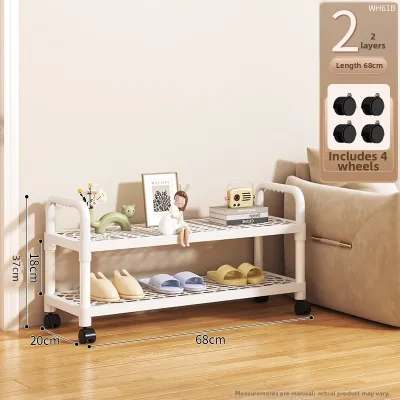
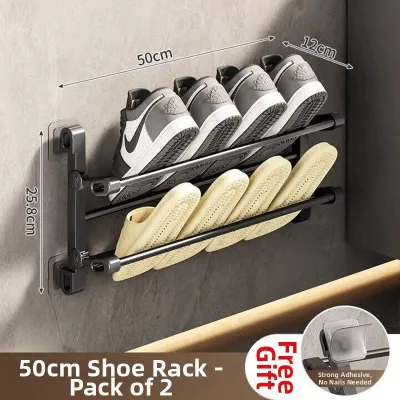
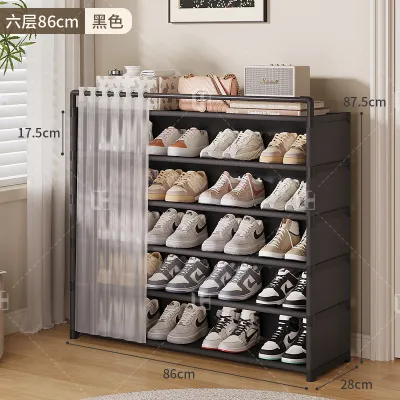
Prices are valid at publication and may change. Please refer to the product page for the latest price.

Next, analyze your closet door clearance and mechanism. Sliding doors require a completely clear path; any protruding organizer will prevent the doors from gliding or scratch the interior panels. If you have hinged doors, you must verify that the hinges are robust enough to support any added weight. Measure the exact gap between the door and the interior shelves when closed to ensure your chosen organizer does not obstruct the door’s operation.
The tropical climate of the Philippines introduces a critical environmental challenge: high relative humidity. Enclosed wardrobes easily trap moisture, creating an ideal breeding ground for mold, mildew, and fungal growth. This dampness can quickly degrade leather, suede, and canvas shoes. When selecting an organizer, prioritize designs that facilitate air circulation, such as open wire frames or breathable fabric pockets, rather than completely sealed, non-ventilated plastic enclosures.
Finally, assess the load-bearing capacity of your wardrobe’s internal components. Hanging rods have strict weight limits, and overloading them with multiple pairs of shoes can cause the rod to bow, slide out of its brackets, or damage the side panels. Similarly, lightweight particleboard shelves may sag over time under the concentrated weight of heavy stackable units. Inspect the joint construction and shelf supports before loading them with heavy footwear.
Comparing Shoe Rack Organizer Formats for Closet Integration
To find the right shoe rack organizer, you must understand how different formats interact with your wardrobe’s structure. Each format offers distinct trade-offs in terms of capacity, accessibility, and structural impact.
Hanging Shoe Organizers
Hanging shoe organizers are lightweight fabric or plastic vertical columns that attach directly to your closet’s hanging rod using hook-and-loop fasteners or metal hooks.
These organizers are highly effective for utilizing narrow vertical dead space next to hanging garments, especially in smaller wardrobes where floor space is fully occupied. They require zero floor footprint, install in seconds without tools, and are highly affordable, typically costing under ₱400. They are also easy to collapse and relocate, making them highly practical for temporary living spaces.
However, because they hang from the main rod, they transfer all footwear weight directly to the wardrobe’s hanging system. Heavy shoes can cause the rod to bow or pull away from the side panels. They are generally limited to lightweight footwear like flats, sandals, slippers, and canvas sneakers. Furthermore, if they are made of cheap, non-breathable synthetic fabrics, they can trap moisture against the shoes, increasing the risk of mold growth in humid environments.
Stackable Shoe Racks and Clear Boxes
Stackable shoe organizers include freestanding multi-tier wire or plastic frames and individual drop-front acrylic boxes that lock together vertically.
This format is ideal for flexible floor layouts, protecting delicate or expensive shoes from dust, and organizing structured footwear like high heels and boots on the closet floor or wide shelves. They are highly modular, allowing you to build a custom configuration that fits your exact space. Rigid drop-front boxes provide excellent protection against dust and physical damage while allowing you to see the contents clearly. They provide solid, flat support that prevents heels from slipping or getting damaged.
On the downside, they consume valuable wardrobe floor space or shelf real estate. Accessing shoes on the lowest tiers requires bending down, which may be inconvenient. Additionally, cheap plastic components can become brittle and crack over time when exposed to fluctuating indoor temperatures and humidity. If using solid plastic boxes, you must ensure they have built-in ventilation holes to prevent moisture buildup.
Pull-Out and Sliding Shoe Shelves
Pull-out shoe shelves consist of metal or wood trays mounted on ball-bearing drawer slides that pull forward out of the wardrobe frame.
This premium format is best suited for deep wardrobes or high-end custom closet systems where maximizing back-of-closet accessibility is the primary goal. They offer exceptional ergonomics, allowing you to view and reach your entire shoe collection without bending or reaching into dark corners. They keep shoes neatly aligned and hidden behind closed doors, maintaining a clean, minimalist wardrobe aesthetic.
However, pull-out systems require precise hardware installation and alignment. They are relatively expensive, often costing upwards of ₱2,500 per shelf unit. The sliding tracks also consume a portion of the wardrobe’s interior width, slightly reducing the total horizontal storage space. Retrofitting these into pre-assembled, lightweight particleboard wardrobes can be highly challenging, as the side panels may not be thick or strong enough to support the heavy-duty screws and cantilevered weight of a fully extended shelf.
Over-Door and Door-Mounted Organizers
Over-door organizers feature rows of pockets or metal wire racks designed to hang over the top edge of a wardrobe door or mount directly to the inner door panel.
They are excellent for maximizing unused vertical space on the inside of hinged wardrobe doors. They keep the wardrobe floor and interior shelves completely clear for other storage. Installation is typically straightforward, utilizing over-the-door hooks or heavy-duty adhesive strips without requiring complex tools.
This format is strictly incompatible with sliding doors. Even with hinged doors, adding multiple pairs of shoes can place severe stress on the hinges, leading to door sag, misalignment, or failure to latch properly over time. There is also a risk that the shoes will scrape against hanging clothes or interior shelves when the door is closed. This format is best limited to very lightweight shoes, such as slippers and sandals, to minimize the load on the door structure.
Quick Comparison: Shoe Organizer Formats at a Glance
| Organizer Format | Space Efficiency | Installation Effort | Best Shoe Types | Ventilation Quality | Door Compatibility |
|---|---|---|---|---|---|
| Hanging Organizers | High (uses vertical rod space) | Very Low (no tools required) | Lightweight flats, sandals, sneakers | Moderate (depends on fabric breathability) | Compatible with both door types |
| Stackable Racks & Boxes | Moderate (uses floor or shelf space) | Low to Moderate (simple assembly) | Heels, heavy boots, structured shoes | High (wire frames) to Low (sealed boxes) | Compatible with both door types |
| Pull-Out Shelves | High (maximizes deep cabinet space) | High (requires hardware mounting) | All footwear types, including heels | High (open tray designs) | Best with hinged; requires track clearance for sliding |
| Over-Door Organizers | Very High (uses unused door surface) | Low (hooks or adhesive strips) | Lightweight sandals, flats, slippers | High (open pockets or wire) | Strictly Hinged doors only |
Matching the Organizer to Your Shoe Collection
The physical characteristics of your footwear collection should heavily influence your choice of a shoe rack organizer. Different shoe styles require specific support structures to maintain their shape, prevent damage, and ensure long-term durability.
High heels and structured boots require rigid, flat, and stable support. Wire racks with wide gaps can cause thin heels to slip through, leading to tipping, scuffing, or bent heels. For these shoes, opt for solid pull-out shelves or rigid, individual stackable boxes. If storing tall boots, ensure the organizer has adjustable shelf heights or sufficient vertical clearance to prevent folding and creasing the boot shafts.
Everyday sneakers and flats can be accommodated by almost any organizer format. They perform exceptionally well in hanging fabric organizers or open, multi-tier stackable wire racks. Because these shoes are worn frequently, open-air designs are highly beneficial, allowing them to air out quickly between uses.
Heavy footwear, such as heavy work boots, thick-soled leather shoes, or heavy athletic footwear, should never be placed in hanging or over-door organizers. The concentrated weight will quickly stretch fabric pockets, bend hanging hooks, or warp wardrobe doors. Instead, store heavy footwear on reinforced floor-standing stackable racks or heavy-duty pull-out shelves designed with robust metal runners.
Crucial maintenance step: Before placing any footwear into an enclosed wardrobe system, always clean off any dirt and ensure the shoes are completely dry. Storing damp shoes—especially after a sudden tropical downpour or an intense workout—traps moisture inside the dark closet environment. This not only ruins the shoe materials but also risks transferring mold spores and unpleasant odors to your clean clothing.
Installation and Wardrobe Modification Guidelines
Modifying your wardrobe to accommodate a shoe rack organizer requires careful planning to avoid permanent structural damage. Before drilling any holes or mounting heavy hardware, always consult the wardrobe manufacturer’s guidelines and warranty terms. Unauthorized modifications can void warranties and compromise the stability of the furniture.
When securing pull-out tracks or heavy organizers, it is essential to use the correct anchoring hardware designed for your specific wardrobe material. Standard wood screws are suitable for solid wood panels but will quickly strip out of hollow core or low-density particleboard (commonly used in flat-pack furniture). For particleboard, use specialized sleeve anchors, Euro screws, or toggle bolts that distribute the load across a wider surface area.
If your wardrobe features sliding doors, pay close attention to the placement of floor-standing racks or bottom tracks. The organizer must sit entirely behind the door’s sliding plane. Even a minor protrusion of a few millimeters can obstruct the door, scratch the finish, or derail the sliding mechanism. Test the door’s full range of motion before permanently securing any internal components.
Establish a clear safety boundary: if you notice any bowing of shelves, sagging of doors, or instability in the wardrobe frame during installation, stop immediately. Do not attempt to force a heavy organizer into a fragile structure. If you are unsure of the load capacity or lack the tools for secure mounting, consult a qualified carpenter or contact the furniture manufacturer for professional guidance.
Frequently Asked Questions (FAQ)
How do I prevent shoes from smelling inside a closed wardrobe?
To prevent unpleasant odors and moisture buildup inside an enclosed closet, place high-capacity moisture absorbers—such as silica gel packets, activated charcoal bags, or calcium chloride dehumidifying boxes—on the floor or shelves near your footwear. Ensure your shoes are entirely dry and free of sweat before storing them away. Additionally, prioritize shoe organizers with open wire frames or breathable mesh pockets rather than fully sealed plastic boxes, as these designs promote continuous air circulation and prevent stagnant air from trapping odors.
Can I install a pull-out shoe rack in a rented apartment's built-in wardrobe?
Installing a permanent pull-out shoe rack in a rental property is generally not recommended, as securing the sliding tracks requires drilling into the wardrobe’s side panels, which can violate your lease agreement and lead to security deposit deductions. Instead, opt for damage-free, fully reversible storage alternatives. Freestanding, tension-rod-based shoe shelves, modular stackable plastic boxes, or heavy-duty over-door organizers using padded hooks are excellent renter-friendly options that provide stability without leaving permanent marks or structural damage.
Community discussion
Share your experience or ask a question. Comments are reviewed before publication.