
Finding the right seating solution is critical for maintaining spinal health, especially when spending long hours at a desk. The tropical climate in the Philippines introduces unique challenges, such as high humidity and heat, which make the choice of materials and design even more critical. Sihoo has established itself as a prominent brand in the ergonomic office chair market, offering a wide array of models that cater to various budgets. When navigating the ₱3,000 to ₱15,000 price range, understanding what each budget tier delivers ensures you invest in features that directly protect your posture rather than paying for unnecessary aesthetics.
Choosing the ideal sihoo ergonomic chair requires balancing your daily sitting duration with your physical support requirements. An entry-level model priced between ₱3,000 and ₱6,000 is highly suitable for students or part-time home office setups requiring up to six hours of daily use. Moving into the mid-range tier of ₱6,000 to ₱10,000 introduces advanced lumbar customization and heavy-duty mesh, which are essential for full-time remote professionals. For those demanding comprehensive adjustability, including seat depth and weight-sensing recline mechanisms, the upper-tier of ₱10,000 to ₱15,000 provides premium performance that adapts to your body’s precise movements.
Setting Your Ergonomic Priorities Within a ₱3K to ₱15K Budget
The primary objective of an ergonomic chair is to preserve the natural curvature of your spine, specifically the lumbar lordosis, while minimizing muscular fatigue. Standard office chairs often force the body into a slumped posture, which increases intradiscal pressure and leads to chronic lower back discomfort over time. A properly designed ergonomic chair counteracts this by distributing body weight evenly across the seat pan and providing targeted support to the lower back, shoulders, and neck.
Products mentioned in this guide
![SIHOO M56 PRO [Latest Version] Ergonomic Office Computer Gaming Desk Chair 2 Year Warranty | Adjustable Height Adjustable Headrest Adjustable Armrest and Lumbar Support Recline-lock feature | Sihoo Official](https://img.lazcdn.com/g/p/c8340e0ddfe196b55c67fc7273478caf.png_400x400q80.png_.webp)
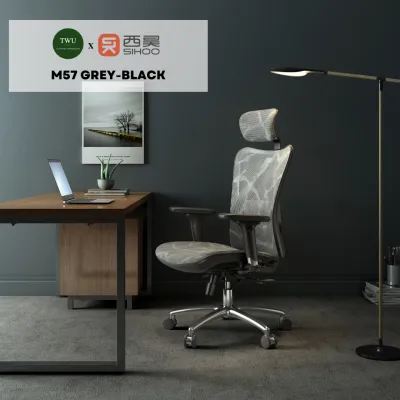
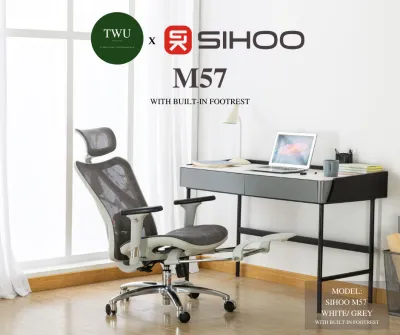
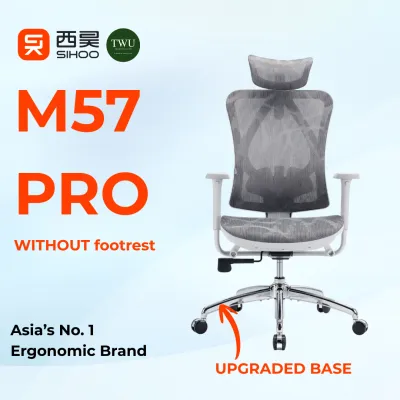
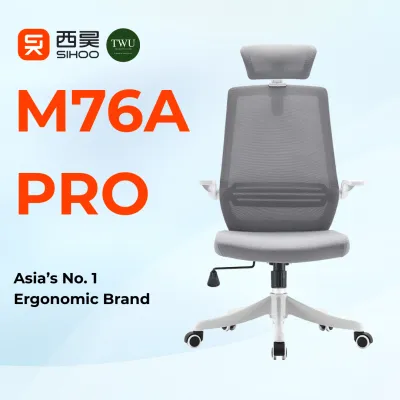
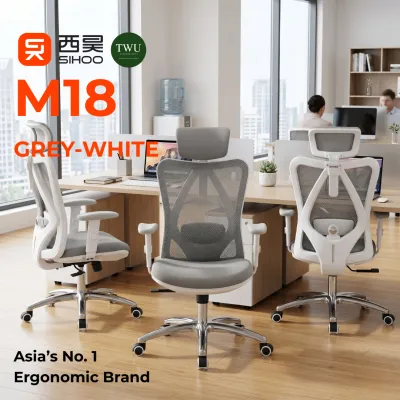
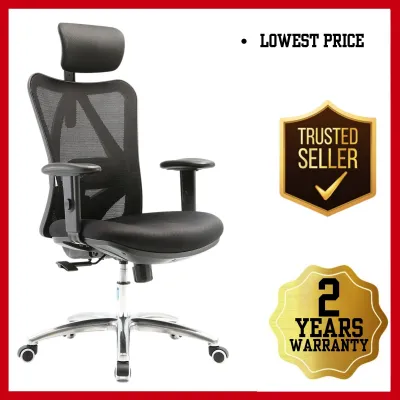
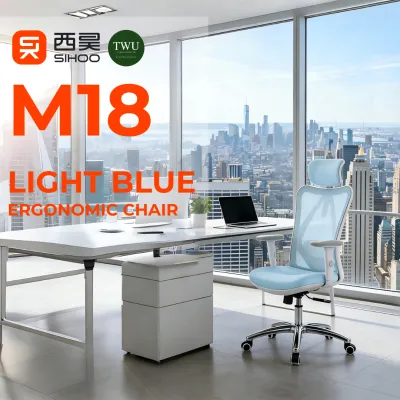
Prices are valid at publication and may change. Please refer to the product page for the latest price.
To determine how much you should spend within the ₱3,000 to ₱15,000 range, begin by analyzing your daily sitting habits. Consider the exact number of hours you spend at your desk, the nature of your primary tasks, and any physical symptoms you currently experience, such as tight shoulders or lower back stiffness. If your routine involves continuous typing, you will require highly adjustable armrests to keep your elbows at a comfortable angle. If your day includes frequent phone calls or reading sessions, a robust recline and tension control system becomes a higher priority.
Allocating your budget effectively means understanding that price increases within this spectrum correspond to mechanical and structural upgrades rather than cosmetic differences. A higher price point unlocks sophisticated tilt mechanisms, premium load-bearing components, and highly responsive mesh weaves that maintain their tension over years of use. When working with a strict budget, always prioritize structural necessities—such as adjustable lumbar support and a stable base—over non-essential aesthetic features like colored accents or integrated footrests.
Entry-Level Tier (₱3,000 – ₱6,000): Essential Support and Basic Adjustability
Core Features to Look For
In the ₱3,000 to ₱6,000 price range, your focus should be on securing a stable foundation with reliable, baseline ergonomic features. At this level, look for models that offer dedicated lumbar support, even if the adjustment mechanism is relatively simple, such as a manual dial or a sliding vertical pad. The backrest should feature a breathable, standard mesh material, which is highly beneficial for air circulation in warm, humid Philippine rooms where air conditioning may not run continuously.

The seat cushion in this tier typically consists of high-density foam wrapped in fabric, though some basic mesh options may be available. Adjustability is functional but limited: expect standard pneumatic height adjustment, a basic tilt-tension knob to control recline resistance, and either fixed armrests or 1D (height-adjustable only) armrests. Before finalizing a purchase, always verify the manufacturer’s stated weight capacity and recommended user height range on the product label, as entry-level frames are often optimized for lighter loads and shorter statures.
Best Use Cases and Compromises
The entry-level tier is ideal for users with moderate sitting requirements, such as students, part-time freelancers, or those setting up a secondary study space. If you spend between four to six hours a day at your desk and take regular breaks to stand and stretch, these models provide sufficient support to prevent immediate fatigue. They offer a substantial upgrade over standard dining chairs or basic plastic task chairs without requiring a major financial commitment.
However, staying within this budget requires accepting several trade-offs in adjustability and mechanical complexity. The recline mechanism on entry-level models typically only locks in the fully upright position, meaning you cannot secure the chair at an angled tilt for relaxed reading or resting. The armrests are generally narrower and offer less lateral support, which may feel restrictive for users with broader shoulders. Additionally, the tilt mechanism is basic, meaning the seat pan and backrest tilt back together in a fixed ratio, which can sometimes lift your thighs off the seat and restrict blood flow if used for extended periods.
Mid-Range Tier (₱6,000 – ₱10,000): Advanced Lumbar and Mesh Upgrades
Core Features to Look For
Stepping into the ₱6,000 to ₱10,000 tier introduces a significant upgrade in both material quality and structural customization. The most prominent feature of mid-range Sihoo models is the inclusion of independent, multi-dimensional lumbar support systems. Instead of a simple pad, these systems often feature a separate lower section that adjusts for both height and depth, allowing you to fine-tune the pressure exerted against your lower back to match your spine’s unique shape.
Material durability also receives a major upgrade in this price bracket. The mesh used for the backrest and, in some models, the seat pan features a tighter, high-tensile weave that is engineered to resist sagging and stretching over years of daily use in humid climates. For models with foam seats, look for contoured designs with a waterfall front edge, which slopes downward to alleviate pressure on the back of your thighs and promote healthy blood circulation during long sessions. Adjustability is expanded to include 2D or 3D armrests that adjust for height, depth, and angle, alongside multi-position recline locks that let you secure the backrest at various angles.
Best Use Cases and Compromises
This mid-range tier is the sweet spot for full-time remote workers, software developers, writers, and digital professionals who spend eight or more hours a day at their desks. The ability to lock the recline at multiple angles allows you to shift postures throughout the day, reducing muscle fatigue and spinal compression. The highly adjustable lumbar support is particularly beneficial for individuals who suffer from mild chronic lower back pain and require consistent, active pressure to maintain proper posture.
While the mid-range tier offers exceptional value, certain compromises remain when compared to premium flagship models. The tilt mechanism, though smoother and lockable at multiple angles, still operates on a standard pivot system rather than a true synchronous tilt. This means the angle between your torso and thighs does not open up optimally as you recline. Furthermore, while the headrests in this range are adjustable for height and tilt, they may lack the deeper forward-and-backward depth adjustment needed to support your neck perfectly in every sitting position.
Upper-Tier (₱10,000 – ₱15,000): Premium Mechanisms and Full Customization
Core Features to Look For
The ₱10,000 to ₱15,000 price bracket represents the premium segment of Sihoo’s mid-market offerings, where the focus shifts to advanced mechanical engineering and unrestricted adjustability. The defining feature of this tier is the premium chassis mechanism, often utilizing a synchronous tilt design. This mechanism ensures that as you recline, the backrest and seat pan tilt at a coordinated, weight-balanced ratio (typically 2:1), keeping your feet flat on the floor and maintaining optimal spinal alignment throughout the entire range of motion.
In addition to the superior chassis, chairs in this tier offer seat depth adjustment, a critical feature that allows you to slide the seat pan forward or backward. This ensures that users of varying heights can position the seat to support their thighs fully while leaving a comfortable two-inch gap behind the knees to prevent circulatory restriction. You will also find highly adjustable 3D or 4D armrests that slide, pivot, and adjust in height, alongside multi-dimensional headrests. The build quality is further elevated by the use of heavy-duty aluminum alloy bases instead of nylon, high-resilience mesh, and certified Class 3 or Class 4 gas lifts that ensure long-term safety, stability, and smooth height transitions.
Best Use Cases and Compromises
The upper-tier is designed for demanding users, including corporate executives, content creators, and individuals with specific physical requirements who need a highly adaptive seating solution. If you require a chair that seamlessly transitions from an upright, focused typing posture to a relaxed, deeply reclined position for brainstorming or resting, this tier delivers the necessary mechanical responsiveness. It is an investment in long-term physical health that minimizes the risk of occupational strain injuries.
Even with a budget of up to ₱15,000, it is important to manage expectations regarding the absolute limits of the brand’s lineup. While these models offer comprehensive manual adjustments and highly durable materials, they do not include the specialized, self-adjusting auto-tracking lumbar systems or proprietary high-end polymer frames found in Sihoo’s absolute top-tier flagship models that sit well above the ₱15,000 mark. When deciding on this tier, evaluate whether you genuinely need features like seat-depth adjustment and synchronous tilt; if your body proportions are standard and you rarely recline, a mid-range model may offer better overall value.
Smart Shopping: Verifying Authenticity and Total Costs in the Philippines
Navigating the online marketplace in the Philippines requires caution to ensure you receive a genuine Sihoo product with a valid manufacturer’s warranty. To protect your investment, always purchase directly from official brand stores, authorized digital storefronts, or verified mall sellers on major e-commerce platforms. Be highly skeptical of listings offering prices significantly below the standard market rates for a specific model, as these are often counterfeit products, refurbished units assembled from mismatched parts, or parallel imports that lack local warranty coverage.
When budgeting for your purchase, always calculate the total landed cost rather than relying solely on the listed product price. Ergonomic chairs are heavy, bulky items, and shipping fees can add a substantial amount to your final checkout total, particularly for deliveries to provincial areas outside Metro Manila. Look for promotional shipping vouchers, but also verify the seller’s specific shipping policies to ensure the package is handled by a reliable courier capable of transporting large furniture without causing structural damage.
Before completing your order, carefully review the seller’s warranty terms and return policies. A legitimate local warranty should cover key structural components, including the gas lift mechanism, the frame, the tilt chassis, and the mesh tension, for at least one to three years. Ensure you understand the exact process for filing a claim, which typically requires keeping your original digital invoice and recording a continuous, unedited unboxing video upon delivery to prove any transit damage or missing components.
Pre-Purchase Checklist for Your Home Office
Before finalizing your order, complete a thorough spatial check of your home office to guarantee the chair will integrate seamlessly with your existing setup.
Space and Clearance
- Measure the exact height of your desk from the floor to the underside of the desktop, and compare this with the maximum armrest height of the chair you intend to buy. Ensure the armrests can slide underneath the desk when the chair is not in use to save floor space.
- Measure the footprint of the chair's base to ensure it has enough clearance to rotate and roll smoothly without colliding with walls, filing cabinets, or nearby furniture.
- Verify the doorway and hallway clearances in your home to ensure the shipping box can be easily transported to your designated workspace.
Floor Protection
- Examine the flooring material in your workspace. Most ergonomic chairs come standard with hard nylon casters, which perform well on carpets but can scratch or wear down delicate hardwood, laminate, or vinyl tile floors over time.
- If your Philippine home features these sensitive flooring materials, verify if the specific model includes soft polyurethane (PU) casters, or plan to purchase a protective chair mat or a set of aftermarket silicone caster wheels to safeguard your floors.
Assembly Requirements
- Keep in mind that almost all ergonomic chairs purchased online are shipped flat-packed and require self-assembly. Before the package arrives, clear a spacious, clean area on your floor to unpack the components safely.
- Carefully follow the step-by-step instructions in the manufacturer's manual, use the provided hex keys, and avoid using power tools which can easily strip the threaded metal inserts in the frame and void your warranty.
Frequently Asked Questions (FAQ)
Do Sihoo chairs require professional assembly?
No, professional assembly is generally not required to set up a Sihoo ergonomic chair. Each unit is designed for straightforward consumer self-assembly and includes a detailed manual, clearly labeled hardware, and the necessary tools. To ensure structural stability and safety, carefully follow the specified assembly sequence and torque instructions in the manual. Avoid over-tightening the bolts, as this can strip the threads, and do not skip any washers or structural steps. If you prefer not to assemble the chair yourself, you may hire a local handyman, but you must instruct them to strictly follow the official manual to preserve your warranty.
How do I claim the warranty if a part breaks?
To claim your warranty in the Philippines, you must contact the official store or authorized retailer from whom you originally purchased the chair. Keep your digital receipt, order confirmation number, and physical warranty card in a safe place. If a component like the gas lift or structural frame fails under normal use conditions, take clear photographs and a short video demonstrating the defect. Send these files along with your proof of purchase to the seller’s customer support team through the e-commerce platform’s messaging system to initiate the diagnostic and replacement part dispatch process.
Community discussion
Share your experience or ask a question. Comments are reviewed before publication.