
Selecting the right work-from-home desk is one of the most critical decisions for your productivity, physical comfort, and home layout. A steel table offers a highly durable, rigid, and stable foundation that resists warping and wear, making it an excellent choice for long-term use. However, the ideal configuration depends entirely on your physical room constraints, your daily work habits, and the specific equipment you need to support.
Whether you require the ergonomic flexibility of a standing desk, the space-saving convenience of a foldable frame, or the expansive surface area of an L-shaped setup, each design serves a distinct purpose. By evaluating your space and workflow systematically, you can invest in a setup that enhances your daily routine without cluttering your living environment.
Assessing Your WFH Space and Daily Work Habits
Before browsing online catalogs or visiting showrooms, you must establish the physical boundaries of your workspace. Start by measuring the exact floor area where you plan to position the desk. It is not enough to simply fit the desk frame; you must also account for the clearance required to pull out your office chair, open nearby room doors, and access cabinet drawers. Ideally, leave at least 100 centimeters of clear space behind the desk to allow for comfortable movement and proper posture adjustments.
Products mentioned in this guide
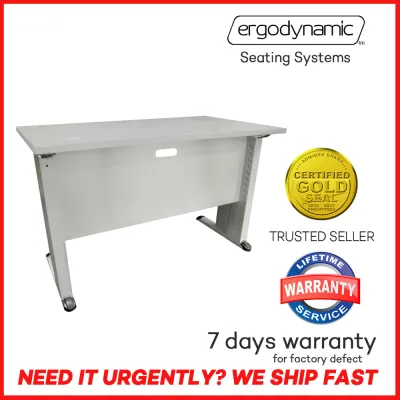
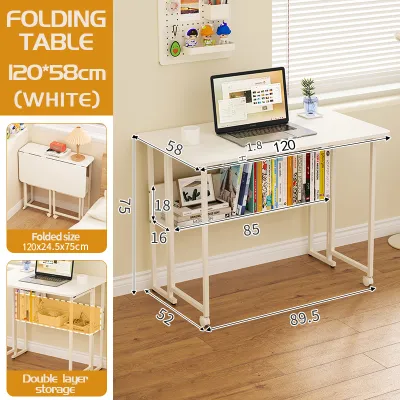
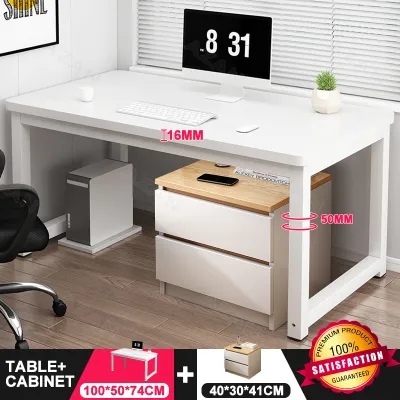
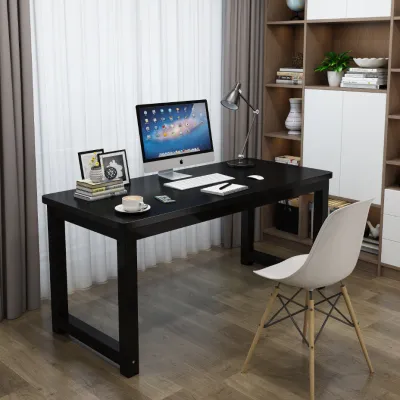
Prices are valid at publication and may change. Please refer to the product page for the latest price.
Your daily work habits dictate the level of structural support and surface area you need. If your job requires only a slim laptop and a notepad, your spatial needs are minimal. However, if you operate multiple large monitors, heavy desktop towers, external storage drives, or professional audio-video gear, you must prioritize a heavy-duty steel table with a high weight capacity. Consider how many hours you spend at the desk and whether you require frequent posture changes to stay comfortable throughout the day.
Room layout constraints such as window placement, power outlets, and ventilation also play a major role in your decision. Placing a desk directly opposite a window can cause severe screen glare, while positioning it too far from wall outlets leads to hazardous trailing cables. In tropical climates, positioning your desk to maximize natural airflow from windows or air conditioning units is essential for keeping both you and your computer equipment cool during hot afternoons.
Evaluating Standing Steel Tables for Active Workflows
Standing steel tables are designed for professionals who want to integrate movement into their daily routine. Transitioning between sitting and standing throughout the day helps reduce physical fatigue, improves circulation, and keeps energy levels high during long working sessions. If your workflow involves constant multitasking, virtual meetings, or creative tasks that benefit from an active posture, a height-adjustable steel desk is highly beneficial.

Because standing desks elevate your expensive equipment, stability is paramount. A high-quality steel frame provides the necessary weight and rigidity to prevent the desk from wobbling when extended to its maximum height. Before purchasing, verify the manufacturer’s stated weight capacity to ensure the frame can safely support your monitor arms, computer tower, and desk accessories. Examine the thickness of the steel legs and the quality of the welded joints, as these components bear the brunt of the dynamic forces when you type or lean on the desk.
Adjustment mechanisms generally fall into two categories: manual hand cranks or electric motors. Electric models offer convenient, programmable height presets but require proximity to a reliable power outlet and careful cable management. You must ensure that all power cords have enough slack to stretch safely when the desk rises to its highest point without pulling on wall sockets. Additionally, check for vertical clearance to ensure the rising monitors will not hit wall-mounted shelves, picture frames, or window sills.
Utilizing Foldable Steel Tables in Compact Rooms
For those living in compact apartments, shared spaces, or multi-purpose rooms, a foldable steel table offers a highly practical, temporary workspace. This configuration allows you to set up a dedicated office during working hours and reclaim your living space once the laptop is closed. It is an ideal solution for hybrid workers who only work from home a few days a week or students who need a study surface that can be easily tucked away.
When choosing a foldable model, assess the frequency of folding and unfolding. If you plan to pack the desk away every evening, the hinges, locking pins, and folding joints must be exceptionally smooth and durable. Look for powder-coated steel frames that resist chipping and scratching during frequent handling. Avoid models with overly complex folding mechanisms that require tools or excessive physical effort to collapse.
Storage planning is equally important. Measure the folded thickness of the table to ensure it can slide easily under a bed, behind a wardrobe, or inside a utility closet. Because tropical humidity can sometimes cause moisture buildup in dark, enclosed storage spaces, ensure your storage area is dry and well-ventilated to protect the steel frame’s protective finish from rust over time.
Surface stability can sometimes be a concern with foldable furniture. To ensure a comfortable typing experience, look for foldable steel tables that feature cross-bracing support bars or heavy-duty locking sleeves on the legs. These design elements minimize lateral sway and wobble, ensuring the desk remains rigid even when you are typing quickly or writing notes.
Maximizing Corner Space with L-Shaped Steel Tables
L-shaped steel tables are the ultimate solution for heavy multitaskers, creative professionals, and anyone who needs to maximize an underutilized corner. By fitting snugly into the corner of a room, these desks provide an expansive amount of surface area without protruding awkwardly into the center of your living space. This layout is highly efficient for users who need to keep multiple projects, reference materials, or devices within arm’s reach.
When planning for an L-shaped desk, precise corner measurements are critical. You must ensure that both wings of the desk clear any nearby windows, light switches, or wall outlets. Pay close attention to the under-desk clearance; there must be ample legroom on both sides of the configuration so you can pivot your office chair smoothly from one wing to the other without banging your knees against support legs or cross-bracing bars.
An L-shaped layout allows you to establish distinct task zones. For instance, you can dedicate the primary wing to your computer monitor and keyboard, while utilizing the secondary wing for paperwork, tablet drawing, or offline tasks. This physical separation helps organize your workflow and reduces mental clutter, allowing you to focus on one task at a time.
Because of the extended surface area, structural integrity is vital for L-shaped desks. A robust steel frame with reinforced corner brackets and heavy-duty cross-bracing is necessary to prevent the outer edges of the desk from sagging under heavy loads. Check the assembly specifications to confirm how the two desktop sections connect, as a seamless, rigid joint is essential for maintaining a flat, stable working surface.
Comparing Configurations to Finalize Your Choice
To make your final decision, compare how each steel table configuration aligns with your spatial footprint, assembly capabilities, and surface area requirements. Foldable desks offer the smallest footprint and require virtually no assembly, but they provide limited surface area and zero height adjustability. Standing desks offer moderate surface area and excellent ergonomic benefits, but they require moderate assembly and access to power. L-shaped desks offer the maximum surface area and excellent corner efficiency, but they have a large permanent footprint and require a more complex assembly process.
If you find yourself torn between configurations, consider cross-scenario compatibility. For example, if you love the expansive layout of an L-shaped desk but also want the health benefits of standing, you can purchase a standard L-shaped steel desk and add an aftermarket desktop riser to one of the wings. This hybrid approach allows you to customize your workspace gradually as your budget and workflow needs evolve.
Before finalizing your purchase, perform a few essential pre-purchase checks. Verify the dimensions of the delivery boxes to ensure they can easily pass through your front door, narrow hallways, stairwells, or condominium elevators. If you live in a multi-story building without an elevator, keep in mind that heavy steel frames can be challenging to carry upstairs. Finally, plan for floor protection; investing a few hundred pesos in high-quality floor protectors or a durable desk mat will safeguard your tiles, laminate, or hardwood floors from accidental scratches during assembly and daily use.
Frequently Asked Questions (FAQ)
How do I prevent a steel table from scratching my floor?
To protect your flooring from scratches, first check the bottom of the steel table legs for built-in plastic glides or adjustable leveling feet. If the metal frame makes direct contact with the floor, apply heavy-duty aftermarket felt pads to the feet, which work exceptionally well on wooden, laminate, or vinyl floors. For tiled or uneven floors, placing a large, durable rubber desk mat or an area rug under the entire desk setup provides an extra layer of protection and helps dampen operational noise.
What should I check before assembling a heavy steel desk?
Before beginning assembly, clear a spacious area on your floor and lay down a soft blanket or cardboard packaging to protect both the desk finish and your flooring. Carefully inventory all hardware, screws, and steel frame components against the instruction manual to ensure no parts are missing. Because steel components can be heavy and awkward to handle alone, consider asking a family member or friend to assist you, and assemble the desk as close to its final position as possible to avoid lifting and moving a heavy, fully constructed frame across your home.
Community discussion
Share your experience or ask a question. Comments are reviewed before publication.