
Finding the right toy display shelf requires balancing the physical size of your collection with the actual limits of your living space. Whether you are showcasing a few curated designer art toys or housing an extensive archive of heavy die-cast vehicles, the most suitable shelving unit must support the weight of your items while protecting them from environmental wear. In tropical climates, high humidity and dust can quickly degrade delicate collectibles, making the choice of material and enclosure just as critical as the shelf’s physical dimensions. By matching your specific inventory volume to the right furniture style, you can create an organized, visually appealing display that keeps your prized items safe and accessible.
Assess Your Toy Collection and Room Constraints
Before browsing online marketplaces or visiting local furniture showrooms, you must conduct a thorough audit of your current inventory and the room where it will live. Begin by categorizing your collection volume. A small collection typically consists of a few curated pieces, such as blind box figures or limited-edition art toys, which require minimal space. A medium collection often includes growing sets of action figures or modular building blocks, while a large collection features extensive archives, oversized statues, or heavy die-cast models that demand substantial structural support.
Different types of toys also impose specific display conditions. Delicate resin figures and paper-boxed collectibles are highly sensitive to moisture and direct sunlight, which can cause warping, discoloration, or mold in humid environments. Heavy die-cast models or large scale statues require sturdy, rigid surfaces that will not sag over time. On the other hand, lightweight plush toys or plastic building blocks offer more flexibility but still need structured zones to prevent a cluttered appearance.
Products mentioned in this guide
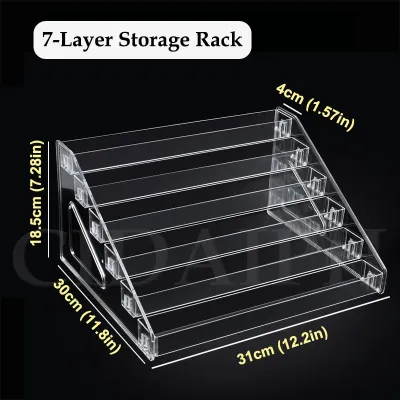

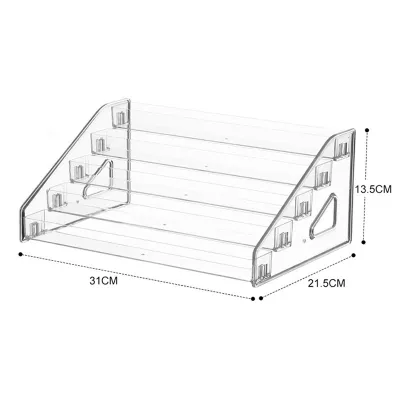
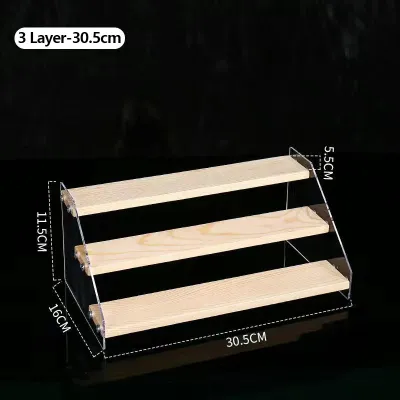
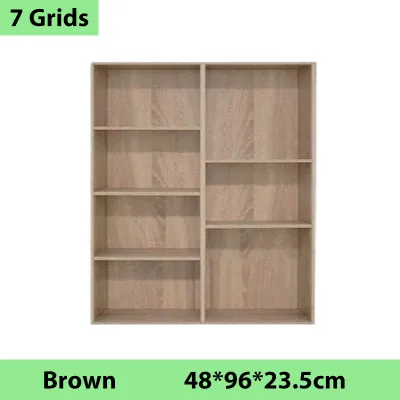
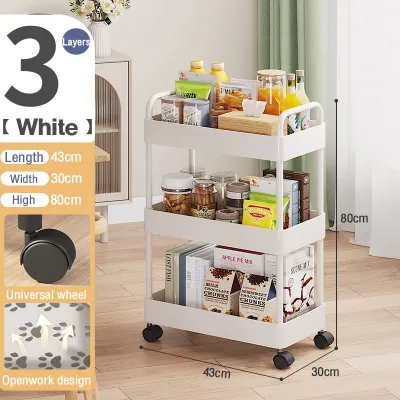
Prices are valid at publication and may change. Please refer to the product page for the latest price.
Finally, measure your physical room constraints with precision. Document the available floor area and wall space, taking note of traffic flow, door swings, and window locations. In compact urban spaces or apartments, vertical wall space is often underutilized, whereas larger study rooms can accommodate deeper freestanding units. Ensure that any potential shelf placement does not block air conditioning vents, electric fans, or natural light sources, as constant airflow and temperature shifts can affect the longevity of your collectibles.
Match Shelf Styles to Your Collection Size
Selecting the right shelf configuration is a matter of aligning your collection’s volume and physical characteristics with the structural strengths of different furniture designs. Each shelf style offers distinct advantages in terms of weight capacity, dust protection, and spatial footprint.

Wall-Mounted Shelves for Small to Medium Collections
Wall-mounted shelves are an excellent solution for collectors who want to display a curated selection of items without sacrificing valuable floor space. These units are particularly suited for lightweight figures, blind boxes, or small model kits that do not require deep shelving depths. By lifting your collection off the floor, you can utilize the empty wall space above desks, beds, or low cabinets, creating an eye-catching focal point in smaller rooms.
Before installing wall-mounted shelves, you must verify the structural integrity of your walls. In many homes, walls are constructed from concrete or hollow blocks, which require masonry drill bits, sturdy wall plugs, and heavy-duty screws for secure mounting. If you are mounting onto drywall, locating the wooden studs is essential for supporting any significant weight. Always check the manufacturer’s weight capacity label and compare it against the total weight of your figures and the shelf itself to prevent sagging or sudden collapse.
Cube Organizers for Medium, Modular Collections
Cube organizers offer a highly flexible, modular approach for collectors with growing inventories of uniform items. These units work exceptionally well for boxed action figures, plush toys, or medium-sized building block sets that fit neatly within standard square compartments. The structured grid design naturally categorizes your collection, preventing different toy lines from blending into a chaotic visual mess.
One of the main benefits of cube storage is the ability to mix open display zones with opaque storage bins. You can showcase your favorite pieces in the open cubes while tucking away extra accessories, packaging, or less photogenic items in fabric or plastic drawers that slide directly into the compartments. When choosing a cube organizer, inspect the thickness of the outer frames and individual dividers. Ensure the material is resistant to bowing under weight, and verify that the joints are securely fastened to maintain structural stability over time.
Freestanding Bookcases for Large, Heavy Collections
When your collection grows into an extensive archive of heavy, oversized, or high-volume items, a heavy-duty freestanding bookcase becomes a necessity. These robust units are designed to handle substantial weight, making them ideal for large-scale statues, heavy die-cast vehicles, and massive books or binders associated with your hobbies. They provide deep shelves and expansive vertical storage, allowing you to maximize your display capacity within a single footprint.
To ensure a freestanding bookcase can safely support your collection, pay close attention to the shelf board thickness and the security of the adjustable shelf pins. Look for units with reinforced backing boards, as these significantly reduce lateral swaying. Because these bookcases carry a high center of gravity when fully loaded, they present a serious tip-over hazard. It is crucial to evaluate the unit’s stability and use anti-tip anchoring hardware to secure the top of the bookcase directly to the wall, especially in households with active pets or young children.
Glass Cabinets for Premium or Dust-Sensitive Collections
For collectors who prioritize dust protection and a premium, museum-like presentation, glass display cabinets are a highly effective choice. Enclosed glass cases are ideal for high-value statues, delicate resin figures, or intricate models that are difficult to clean. By sealing your items behind glass doors, you drastically reduce the frequency of dusting, which minimizes the risk of accidentally breaking fragile parts during maintenance.
When evaluating a glass cabinet, check the door swing clearance to ensure you can easily open the unit without hitting nearby furniture or walls. Verify the thickness and type of the glass panels; tempered glass is highly recommended for safety. Additionally, consider whether the cabinet design allows for the installation of internal LED lighting, which can illuminate your collection beautifully without emitting excessive heat. Keep in mind that glass cabinets require dedicated floor space and should be positioned away from direct sunlight to prevent UV rays from fading or degrading your toys over time.
Essential Safety and Fit Checks Before Installation
Before finalizing your purchase of any toy display shelf, you must perform several critical safety and fit checks to ensure a smooth delivery and installation process. First, calculate the estimated total weight of your collection and compare it against the maximum weight capacity specified by the furniture manufacturer. Overloading a shelf can lead to structural failure, warped boards, or damaged collectibles, so it is always wise to leave a safe margin of error.
Next, plan the logistics of getting the furniture into your home. Measure the width and height of all doorways, tight hallway corners, stairwells, and elevator cabins that the delivery team or flat-pack boxes must pass through. Many large freestanding bookcases or glass cabinets are delivered as heavy, oversized packages that can be difficult to maneuver through narrow spaces. Confirming these dimensions beforehand prevents the frustration of receiving a unit that cannot physically reach your study or hobby room.
Finally, assess your wall type and the availability of appropriate anchoring hardware. Whether you are installing a wall-mounted shelf or securing a tall freestanding bookcase, the connection to the wall must be rock-solid. Check if the product package includes anti-tip straps or brackets, and verify if those fasteners are compatible with your specific wall material, such as concrete, brick, or drywall. Taking these precautionary steps ensures your display remains stable, secure, and safe for everyone in your household.
Frequently Asked Questions (FAQ)
Can I mix different shelf styles in one room?
Yes, mixing different shelf styles can create a dynamic and visually balanced room layout if done thoughtfully. To maintain visual harmony, place heavier, darker freestanding bookcases or cube organizers on the floor to anchor the space, and position lighter, floating wall shelves higher up on adjacent walls. This distribution of visual weight prevents the room from feeling cramped or lopsided. To unify the different furniture pieces, try to select units with consistent colors, matching wood grains, or similar metal finishes, which ties the entire display together cohesively.
How do I prevent dust buildup on open shelves?
Preventing dust buildup on open shelves requires a combination of regular maintenance and targeted protection. Use a soft microfiber cloth or an electrostatic duster to gently clean the shelves and the bases of your toys without scratching the surfaces. For intricate figures with hard-to-reach crevices, a soft-bristled makeup brush or a camera lens blower works exceptionally well to dislodge dust safely. If you have highly sensitive or valuable items on open shelves, consider placing them inside individual acrylic display cases, which offer excellent dust protection while keeping the items fully visible.
Community discussion
Share your experience or ask a question. Comments are reviewed before publication.