
Selecting the ideal wall shelves rack for your home study room requires balancing storage capacity, safety, and visual design. A study room is a high-functioning environment where heavy textbooks, delicate stationery, reference manuals, and decorative items must coexist. The right shelving configuration not only organizes these items but also preserves the structural integrity of your walls and maximizes your available floor space.
In the Philippines, choosing shelving also requires accounting for environmental factors like high relative humidity. Moisture can cause book pages to absorb water and become heavier over time, while also putting engineered wood shelves at risk of warping if they are not properly sealed. Therefore, evaluating a wall shelves rack means looking closely at its configuration, material finish, load capacity, and installation requirements.
To find the best setup for your home, you must evaluate four primary wall shelf configurations: open shelves, cubby racks, floating shelves, and ladder shelves. Each type serves a distinct organizational purpose and places different structural demands on your walls. By analyzing your weight requirements, available wall space, and wall material, you can select a system that keeps your study organized, safe, and visually appealing.
Products mentioned in this guide
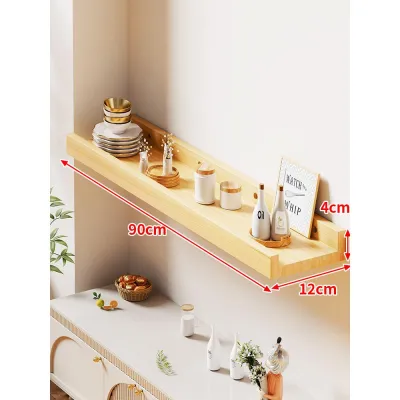
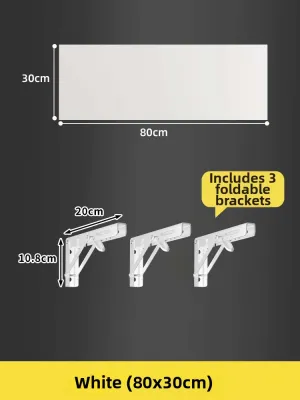
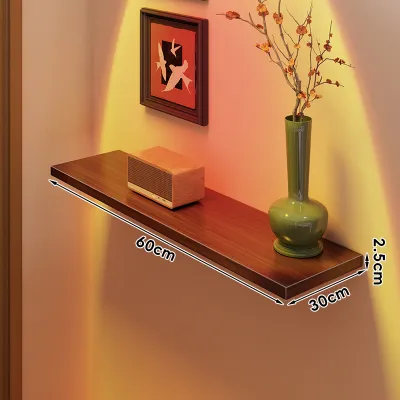
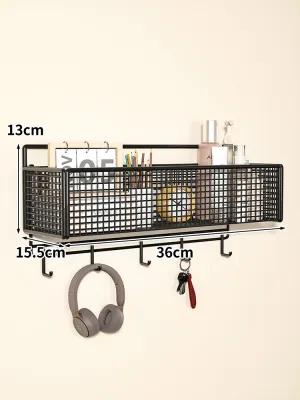
Prices are valid at publication and may change. Please refer to the product page for the latest price.
Open Shelves: Maximizing Storage for Heavy Book Collections
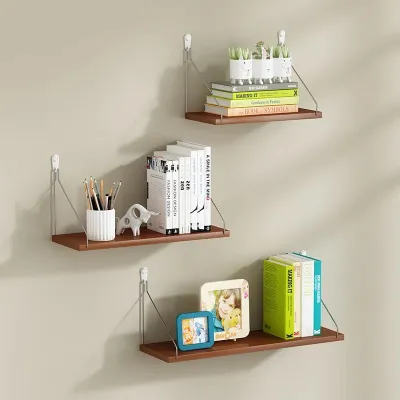
Open wall shelves are the traditional workhorses of home libraries and study rooms. Characterized by long, continuous horizontal boards supported by visible brackets, this configuration is specifically engineered to maximize linear storage space. If you have an extensive collection of heavy textbooks, law books, medical journals, or thick reference manuals, open shelves provide the robust structural support necessary to prevent sagging under heavy loads.
The primary design advantage of open shelves lies in their visible bracket system. These brackets, typically constructed from steel, wrought iron, or heavy-duty solid wood, are mounted directly to the wall and transfer the downward force of the shelf’s load directly into the wall’s structural framing. Because the brackets support the shelf from underneath, they significantly reduce the bending stress on the wood boards, allowing you to store dense rows of books with minimal risk of structural failure.
However, open shelves do present certain functional limitations that you must manage. Because the shelving is completely exposed, a lack of organization can quickly translate into visual clutter, making your study room feel cramped and chaotic. Additionally, open shelves require more frequent dusting and maintenance, especially in tropical climates where dust and humidity can combine to form a grimy layer on exposed book tops. To mitigate this, you will need to invest in sturdy bookends to keep your collections upright and prevent them from sliding off the ends of the shelves.
When installing open shelves for heavy loads, safety and structural integrity are paramount. You must anchor the brackets directly into solid masonry or the internal studs of a drywall system. Before purchasing, always check the manufacturer’s specified weight limits per shelf rather than relying on general assumptions. Ensure that the shelf boards themselves are made of high-quality solid wood or thick, moisture-resistant plywood with a sealed finish to prevent warping in humid conditions. If you notice any signs of bowing or joint separation after loading your books, immediately reduce the weight on the shelf to prevent a structural collapse.
Cubby Racks: Categorizing Supplies and Small Paperbacks
Cubby racks, or grid-style wall shelves, feature a series of square or rectangular compartments that divide a single large shelving unit into smaller, individual storage cells. This configuration is highly effective for users who need to organize a diverse mix of small items, office stationery, notebooks, craft supplies, and smaller paperback books. Rather than allowing items to pile up in a single disorganized stack, cubby racks naturally enforce categorization.

Each compartment in a cubby rack acts as a self-contained storage zone, which prevents small items from sliding, tipping over, or migrating across the shelf. You can enhance this organization by inserting fabric, plastic, or woven rattan storage bins into individual cubbies. This allows you to hide loose office supplies, charging cables, and miscellaneous paperwork out of sight, maintaining a clean and focused aesthetic in your study room. The rigid grid structure also adds inherent stability to the overall frame, minimizing the risk of individual shelves twisting or warping.
Despite their organizational benefits, cubby racks have clear physical limitations. The fixed dimensions of the internal compartments mean they cannot accommodate oversized textbooks, tall ring binders, or large decorative pieces. If you attempt to force larger items into these restricted spaces, you risk damaging both the item and the cubby dividers. Furthermore, because of the dense grid of internal panels, cubby racks are visually heavier and physically bulkier than other shelving options, which can make a small study room feel somewhat enclosed.
From an installation perspective, a fully loaded cubby rack can become exceptionally heavy. The dead weight of the unit itself, combined with the weight of multiple books and storage bins, puts a continuous pulling force on your wall anchors. It is critical to verify the total weight capacity of the entire unit and use heavy-duty wall anchors suitable for your specific wall type. Inspect the joints of the cubby rack—whether they are dowel, screw, or cam-lock connections—to ensure they are tight and secure before mounting the unit to the wall.
Floating Shelves: Minimalist Displays for Compact Spaces
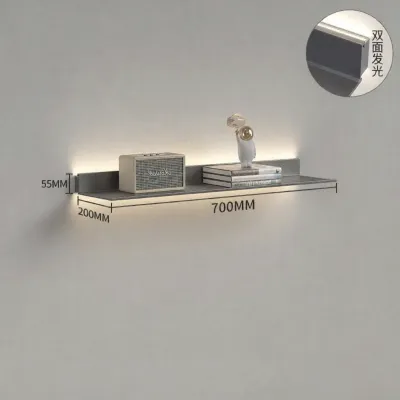
Floating shelves are the premier choice for modern, minimalist study rooms where space is at a premium. These shelves feature no visible brackets, supports, or vertical frames, creating the illusion that the shelf board is hovering unsupported on the wall. This clean, sleek aesthetic is ideal for tight study corners, small alcoves, or areas directly above your writing desk where bulky traditional brackets would crowd your workspace.
This floating appearance is achieved through a specialized internal mounting system. A metal bracket consisting of a flat backplate and protruding rods is screwed directly into the wall. The shelf board, which has pre-drilled chambers running through its rear edge, slides over these rods, completely concealing the mounting hardware. This design keeps the focus entirely on your curated display of favorite books, small potted plants, academic awards, or motivational art pieces.
However, you must not mistake floating shelves for heavy-duty storage solutions. The hidden bracket system has a much shorter lever arm than an external bracket, which drastically limits its load capacity. Placing dense rows of heavy textbooks or thick binders on a floating shelf will inevitably lead to shelf sagging, bracket bending, or severe damage to your wall. Floating shelves are strictly intended for light, curated displays and a few select reading books.
Safe installation of floating shelves depends entirely on matching the hardware to your wall material. Installing floating shelves on a hollow drywall or concrete hollow block (CHB) wall without finding a solid stud or using heavy-duty toggle bolts will result in the shelf pulling out of the wall under even minor loads. For solid concrete walls, you must use high-quality masonry anchors and screws. Always strictly adhere to the manufacturer’s maximum weight rating, and distribute the weight evenly across the shelf rather than concentrating it near the front edge.
Ladder Shelves: Flexible Storage with a Decorative Edge
Ladder shelves, also known as leaning or A-frame shelves, offer a unique combination of floor-supported stability and wall-mounted security. These units typically feature a stepped design, with the deepest shelves located at the bottom and progressively shallower shelves as you move toward the top. This structure allows you to store larger, heavier items at the base while keeping lighter, decorative items at eye level.
This design provides excellent visual depth and flexibility for a study room. The open sides and varying shelf depths allow you to accommodate items of different heights, such as tall desk lamps, storage baskets, and vertical file organizers, without feeling restricted by rigid compartments. Because the weight of the shelves and their contents is directed downward through the legs into the floor, ladder shelves put significantly less structural tension on your walls than fully suspended shelving units.
Nonetheless, ladder shelves do require a larger physical footprint than flat, wall-mounted shelves. Because the legs must angle outward to provide stability, the base of the ladder shelf will extend several inches away from the wall. This makes them less suitable for extremely narrow study rooms or high-traffic pathways where they might block movement or interfere with your desk chair’s clearance. Additionally, the open-sided design means you must be mindful of how items are balanced on the outer edges of each tier.
Safety is a critical consideration for ladder shelves, particularly regarding tipping hazards. Even though the primary weight of the unit rests on the floor, an accidental bump, a curious pet, or seismic activity can easily cause a leaning shelf to tip forward. You must secure the top of the ladder shelf to the wall using anti-tip wall straps or brackets. This anchoring is mandatory for safety, regardless of how stable the unit feels when empty. Regularly check that the feet of the ladder shelf are resting on a level, non-slip surface to maintain its structural balance.
Quick Comparison: Matching Shelf Types to Your Study Needs
To help you determine which wall shelves rack configuration best fits your home study room, the table below compares each type across key functional dimensions.
| Shelf Type | Best Use Case | Relative Weight Capacity | Space Footprint | Installation Complexity |
|---|---|---|---|---|
| Open Shelves | Heavy textbooks, extensive libraries, reference manuals | High (when anchored to studs or masonry) | Wall-only (zero floor footprint) | Moderate to High (requires precise alignment and stud finding) |
| Cubby Racks | Stationery, paperbacks, craft supplies, small bins | Moderate to High (dependent on frame joints) | Wall-only (visually bulky) | High (heavy unit requires robust multi-point anchoring) |
| Floating Shelves | Light displays, curated books, small plants, awards | Low (strict weight limitations) | Wall-only (highly compact) | Moderate (requires precise leveling and specific wall anchors) |
| Ladder Shelves | Mixed storage, decorative focal points, varied item heights | Moderate (heavy bottom, light top) | Floor and wall (requires floor clearance) | Low to Moderate (requires floor leveling and anti-tip wall anchoring) |
By using this comparison, you can quickly narrow down your options. If your primary goal is to store heavy volumes of academic texts, open shelves are the logical choice. If you need to organize a chaotic mix of pens, notebooks, and small electronics, a cubby rack with storage bins is more appropriate. For minimalist spaces with light display needs, choose floating shelves, while those seeking a decorative, flexible piece with a blend of storage capacities should opt for a ladder shelf.
Pre-Purchase Checklist: Wall Conditions and Space Planning
Before purchasing any wall shelves rack, you must perform a thorough physical assessment of your study room. Failing to verify your wall type, available clearance, and assembly conditions can lead to purchasing a product that is either unsafe to install or physically incompatible with your space. Use this checklist to guide your pre-purchase planning:
- Wall Material Identification: Tap your walls to determine their construction. In the Philippines, residential walls are commonly constructed from concrete hollow blocks (CHB), solid poured concrete, or drywall over metal/wood studs. Solid concrete and CHB walls require a hammer drill, masonry drill bits, and plastic or metal expansion plugs (tox screws). Drywall requires a stud finder to locate structural framing for heavy loads, or specialized heavy-duty toggle bolts for lighter installations. Never attempt to mount heavy shelving directly into drywall plaster without structural backing.
- Space and Clearance Measurements: Measure the exact width and height of the wall space where you plan to install the shelving. Be sure to account for baseboards, electrical outlets, light switches, and ceiling moldings. Ensure that the depth of the shelves will not obstruct your study desk, chair movement, or the swing of the study room door.
- Delivery and Assembly Planning: If you are purchasing a large, pre-assembled cubby rack or a heavy ladder shelf, measure your doorways, stairwells, and elevator doors to ensure the package can safely reach your study room. For flat-packed furniture, verify that you have the necessary tools (such as a level, screwdriver, and drill) and a clean, flat floor space to assemble the unit.
- Hardware and Finish Verification: Check the manufacturer's product description to see if the correct mounting hardware is included for your specific wall type. Many imported shelf units only include basic drywall screws, meaning you will need to purchase appropriate masonry anchors separately. Additionally, check the material finish. For humid environments, ensure the wood or engineered wood is fully sealed or laminated to protect it from moisture absorption, swelling, and mold.
Always prioritize safety by reading the manufacturer’s installation manual before beginning assembly. If your wall material is unidentified, or if the installation instructions conflict with your home’s layout, stop and consult a qualified professional contractor to ensure your wall shelves rack is mounted securely.
Frequently Asked Questions (FAQ)
Can I install heavy-duty wall shelves on drywall?
Drywall alone does not possess the structural strength to support heavy-duty wall shelves loaded with books. If you attempt to mount a shelf directly into drywall using standard plastic anchors, the weight of the books will eventually pull the anchors straight through the plasterboard, causing the shelf to collapse and damaging your wall. To safely mount heavy-duty shelves on drywall, you must locate the wooden or metal studs behind the drywall using a stud finder and screw the shelf brackets directly into these structural studs. If a stud is not available at your desired mounting location, you must use specialized heavy-duty toggle bolts or molly bolts, while strictly keeping the total load well below the manufacturer’s specified limit for hollow wall installations.
How do I prevent books from slipping off floating shelves?
Because floating shelves lack side panels or end brackets, books can easily tip over and slide off the edges. To prevent this, you can use heavy, decorative bookends placed on either end of your book row. However, you must remember that heavy bookends add to the total weight load on the floating shelf, which must be factored into the manufacturer’s weight limit. Alternatively, you can apply non-slip shelf liners to the surface of the shelf to increase friction under the books, or choose floating shelves that feature a subtle built-in front lip or raised edge. Organizing your books horizontally in neat, low stacks rather than vertically is another highly effective, modern styling method that completely eliminates the risk of tipping.
Community discussion
Share your experience or ask a question. Comments are reviewed before publication.