
Transitioning your child from a crib to their first real bed is a major developmental milestone. This transition often centers on choosing a reliable higaan na kahoy (wooden bed) that provides both structural stability and a warm, comforting aesthetic. While age ranges offer a helpful baseline, your child’s physical development, motor skills, and behavioral readiness are the ultimate guides for making this transition safe and successful.
To help you make an immediate decision, here is a quick-reference mapping of age groups to the most suitable wooden bed designs:
- Toddlers (1.5 to 3 Years): Floor beds or specialized toddler beds. These options prioritize low clearance to the ground and built-in safety rails to prevent accidental falls.
- Preschoolers (3 to 5 Years): Low-profile single beds. These provide more sleeping surface to accommodate growth while keeping the mattress close to the floor for easy entry and exit.
- School-Age Children (6+ Years): Standard single beds, loft beds, or bunk beds. These designs offer long-term durability and space-saving configurations for shared bedrooms.
Remember that developmental milestones, such as climbing out of a crib or successfully potty training, dictate the exact timing of this upgrade far more than chronological age alone. Observing how your child moves and sleeps will tell you when it is time to transition.
Products mentioned in this guide
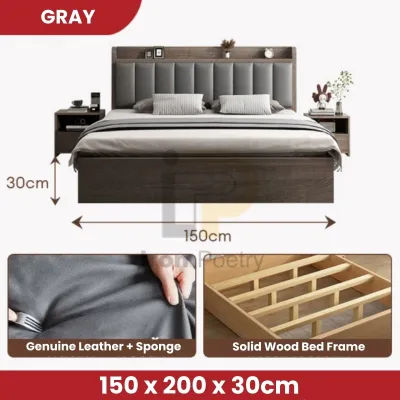
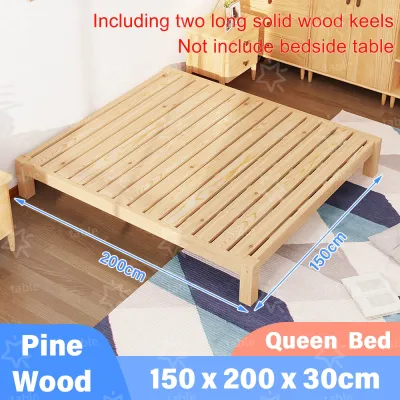

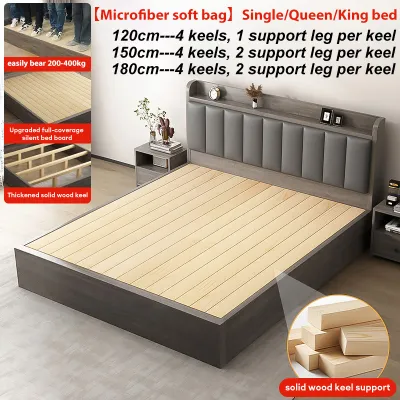
Prices are valid at publication and may change. Please refer to the product page for the latest price.
Signs Your Child Is Ready for a Bed Upgrade
Recognizing the precise moment to transition your child out of a crib is crucial for preventing injuries. One of the most urgent indicators is when your child begins attempting to climb over the crib rails. Once a child’s chest level is even with or higher than the top rail of the crib, the risk of a serious fall increases significantly, requiring an immediate upgrade to a safer sleeping arrangement. Additionally, if your child has reached a height of around 89 centimeters (35 inches), they have physically outgrown the safety boundaries of a standard crib.
Other signs are more subtle but equally important. You might notice your child expressing physical discomfort during sleep, frequently bumping against the crib slats, or waking up because they lack the space to roll over comfortably. If your child is showing a strong interest in being independent, such as trying to climb into your bed or asking for a “big kid” bed, they are likely psychologically ready for the change.
However, if your child is sleeping soundly, shows no interest in climbing out, and remains well within the height limits of the crib, there is no need to rush the transition. Prematurely moving a child to an open bed can lead to bedtime resistance and nighttime wandering. It is best to wait until safety demands the move or your child demonstrates the cognitive maturity to understand the physical boundaries of an open bed.
Wooden Bed Types by Developmental Stage
Selecting the perfect higaan na kahoy requires aligning the bed’s physical structure with your child’s current motor skills and coordination. A bed that is too high or lacks adequate support can compromise safety, while a bed that is too restrictive can hinder their developing independence. By understanding how different bed designs cater to specific developmental stages, you can create a sleeping environment that fosters both confidence and safety.

Toddlers (1.5 to 3 Years): Floor and Toddler Beds
For the youngest transitioners, safety is entirely about minimizing the distance of a potential fall. Traditional toddler beds are an excellent stepping stone because they are designed to utilize a standard crib mattress, saving you the immediate expense of buying new bedding. These frames sit very low to the ground and typically feature built-in, partial guardrails on both sides to keep your toddler secure while leaving an opening at the foot of the bed for easy access.
Another increasingly popular approach is the Montessori-style wooden floor bed. By placing the wooden frame directly on the floor, you completely eliminate the risk of fall-related injuries, allowing your child to explore their room safely. This setup encourages independence, as the child can freely choose when to get in and out of bed. However, a floor bed requires you to meticulously child-proof the entire bedroom, securing all furniture to the walls, covering electrical outlets, and removing any small choking hazards, since the entire room effectively becomes their playpen.
When inspecting these early-stage wooden frames, pay close attention to the manufacturing details. Ensure the wooden frame features rounded corners and smooth, well-sanded edges to prevent scrapes on delicate skin. Check that the mattress fits snugly within the wooden frame without leaving any gaps along the sides, as even small gaps can pose serious limb-entrapment risks for active toddlers.
Preschoolers (3 to 5 Years): Low-Profile Single Beds
As children enter the preschool years, they undergo rapid growth spurts and require more sleeping surface than a toddler bed can provide. A low-profile single wooden bed is the ideal transitional choice for this age group. These beds accommodate a standard single or twin mattress but feature shorter legs, keeping the overall height of the mattress close to the ground. This design provides the spaciousness of a standard bed while maintaining a low center of gravity.
At this stage, children are still prone to rolling out of bed during deep sleep cycles. To mitigate this, you should install removable wooden or mesh guardrails. When choosing guardrails, verify that they attach securely to the wooden bed frame rather than just slipping under the mattress, as loose rails can shift and create dangerous gaps. The rails should extend at least 12.7 centimeters (5 inches) above the top of the mattress to provide an effective physical barrier.
Fostering independence is a key developmental goal for preschoolers, especially as they begin navigating nighttime bathroom trips. A low-profile bed ensures your child can easily slide their feet onto the floor and stand up without struggling or leaping. This accessibility reduces the risk of stumbles in the dark and builds their confidence in managing their nightly routines independently.
School-Age (6+ Years): Standard, Loft, and Bunk Beds
By the time children reach school age, their coordination, balance, and spatial awareness are highly developed, opening up a wider variety of wooden bed styles. A standard single wooden bed is a highly durable, long-term investment that can easily carry your child through their teenage years. These frames are built to support standard mattresses and offer sufficient length and weight capacity to accommodate sudden growth spurts.
For shared bedrooms or smaller spaces, loft and bunk beds are highly practical solutions that maximize floor space for study desks or play areas. Wooden bunk beds provide a classic, sturdy aesthetic that fits beautifully into children’s rooms. However, elevated beds introduce specific safety risks that require strict adherence to developmental guidelines.
According to safety standards, the top bunk of a bunk bed or a loft bed is not suitable for children under the age of six. Children younger than this lack the coordination and depth perception required to navigate ladders safely, especially when groggy in the middle of the night. Ensure that any elevated wooden bed features continuous guardrails on all four sides of the top bunk, with the top of the guardrails sitting at least 12.7 centimeters (5 inches) above the mattress surface. The ladder must be securely bolted to the bed frame, featuring wide, slip-resistant wooden rungs rather than narrow, round pegs that can cause slips.
Essential Safety and Wood Quality Checks
When shopping for a higaan na kahoy, do not rely solely on the name of the wood species—such as mahogany, gmelina, or pine—to guarantee durability. Instead, focus your inspection on the physical construction and joinery of the frame. High-quality wooden beds utilize robust joinery methods like mortise-and-tenon joints, dowels, or heavy-duty metal-on-metal bolts. Avoid beds held together primarily by simple wood screws or staples, as these connections can easily loosen, strip, or squeak over time under the weight of an active child.
The mattress support system is another critical safety component. Look for a bed with closely spaced wooden slats; the gap between individual slats should not exceed 7.5 centimeters (3 inches) to prevent the mattress from sagging and to eliminate the risk of a child’s foot or leg slipping through. Solid wood slats or high-quality plywood platforms offer the best support, ensuring the mattress remains flat and stable.
Because children frequently touch, lean against, and sometimes even chew on their bed frames, the surface finish must be entirely safe. Verify with the manufacturer or check the product label to ensure that all paints, stains, or protective sealants are non-toxic, lead-free, and fully cured. Avoid frames that emit a strong chemical odor, which indicates volatile organic compounds (VOCs) are still off-gassing.
Additionally, always check the manufacturer’s specified weight capacity for the bed. This is particularly crucial for bunk beds, loft beds, or any bed where you plan to sit or lie down with your child for bedtime stories. Ensure the frame’s load limit comfortably accommodates the combined weight of the mattress, your child, and an adult. Finally, measure the gaps between the guardrails, headboard, and footboard; these openings must be less than 8.9 centimeters (3.5 inches) or greater than 23 centimeters (9 inches) to prevent dangerous head or neck entrapment.
Adapting to Your Room Space and Climate
Before making a final purchase, you must carefully plan how the physical dimensions of the wooden bed will fit within your child’s bedroom. Use a tape measure to map out the footprint of the bed on the floor, ensuring there is ample clearance for bedroom doors to swing open fully, wardrobe doors to slide, and safe walking paths to remain clear. If you are considering a loft or bunk bed, measure your ceiling height carefully. There must be at least 76 centimeters (30 inches) of clearance between the top of the upper mattress and the ceiling so your child can sit up comfortably without bumping their head or coming into contact with ceiling fans or light fixtures.
Living in the tropical, humid climate of the Philippines introduces specific environmental challenges for wooden furniture. High humidity can cause solid wood to expand, contract, or warp if it is not properly cured or maintained. To protect the bed, position it away from direct sunlight, which can dry out the finish and cause cracking. Ensure the bedroom is well-ventilated, utilizing electric fans or air conditioning to manage moisture levels and prevent the growth of mold or mildew on the wooden frame.
Finally, consider the logistics of delivery and assembly. Verify the finished dimensions of the bed components and ensure they can easily navigate your home’s entry points, such as tight stairwells, narrow hallways, or low doorways. If the bed requires home assembly, check that you have the necessary tools and space to assemble the frame securely, or opt for professional installation services to guarantee structural integrity.
Frequently Asked Questions (FAQ)
Can I use a regular single wooden bed for a toddler?
Yes, but you must take extra precautions to ensure safety. If you skip a toddler bed, choose a low-profile single frame or place the mattress directly on the floor. Install secure, removable guardrails on both sides to prevent falls, and make sure there are no gaps between the mattress and the wooden frame where a toddler’s limbs could become trapped.
How do I know if a wooden bunk bed is sturdy enough?
To test the sturdiness of a wooden bunk bed, physically grasp the frame and give it a firm shake. A high-quality bed should not wobble, sway, or creak. Inspect the joints to ensure they are secured with heavy-duty metal bolts rather than simple wood screws, and verify that the manufacturer’s weight rating supports both the mattress and your child’s weight.
Is it safe to place a wooden bed directly on the floor?
Placing a wooden floor bed directly on the ground is safe, provided you take steps to manage moisture and cleanliness. In humid climates, lift the mattress regularly to allow air circulation and prevent mold growth underneath. Ensure the entire bedroom is thoroughly child-proofed, as your child will have unrestricted access to the room at all times.
Community discussion
Share your experience or ask a question. Comments are reviewed before publication.