
Selecting the right kitchen storage in the Philippines requires balancing style with extreme environmental resilience. A high-quality dish cabinet aluminum build offers the ultimate defense against the country’s relentless tropical humidity, frequent monsoon seasons, and persistent household pests. Unlike traditional wood or steel alternatives, aluminum does not swell, rust, or attract wood-boring insects, making it an exceptionally durable and hygienic choice for modern Filipino households. By understanding how this material performs under local conditions, you can make an informed investment that keeps your tableware safe and your kitchen organized for years to come.
How Tropical Humidity Damages Standard Kitchen Cabinets
Managing a kitchen in the Philippines means constantly battling high ambient humidity, which regularly exceeds 80 percent throughout the year. During the wet season, prolonged monsoon rains saturate the air, while daily cooking activities release massive volumes of steam into enclosed spaces. In many local homes, the traditional “dirty kitchen” or outdoor cooking area is even more exposed to ambient moisture, wind-blown rain, and temperature fluctuations. These harsh environmental factors accelerate the degradation of standard furniture materials, turning kitchen storage into a frequent source of frustration.
Traditional wooden cabinets and medium-density fiberboard (MDF) are highly susceptible to moisture absorption. When exposed to humid air or wet dishes, untreated wood and compressed fibers swell, warp, and slowly delaminate. This structural warping prevents cabinet doors from closing properly, misaligns drawer slides, and weakens the joints holding the unit together. Furthermore, standard steel cabinets, while structurally rigid initially, quickly develop rust when their protective paint chips or when they are placed in high-moisture zones. Once oxidation begins, it spreads rapidly, compromising the structural integrity of the shelves and leaving unsightly reddish stains on your clean plates.
Products mentioned in this guide
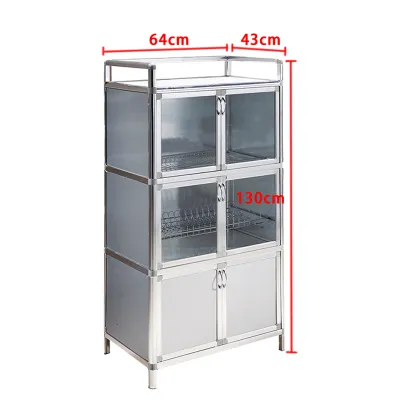
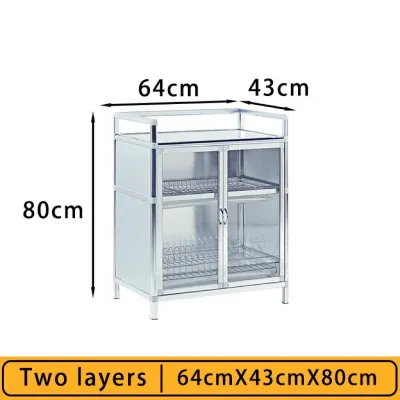
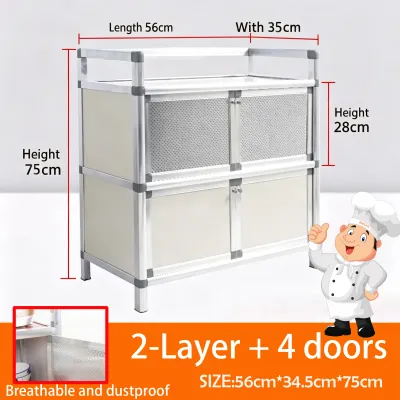
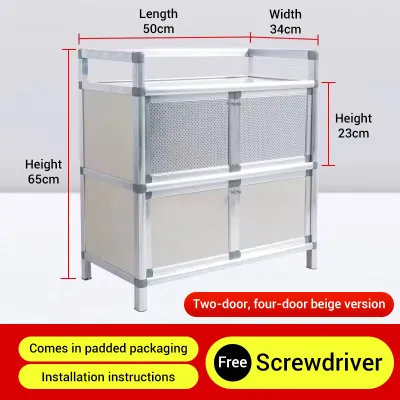
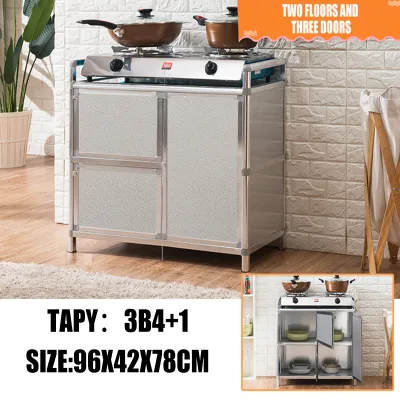
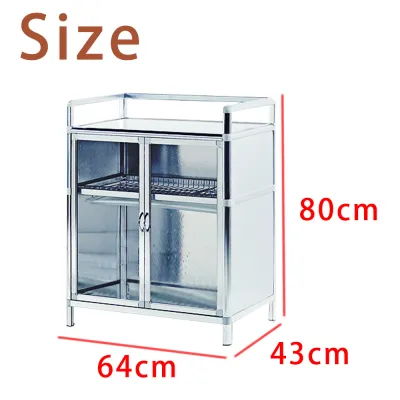
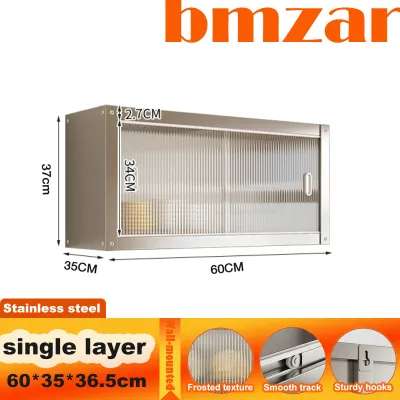
Prices are valid at publication and may change. Please refer to the product page for the latest price.
This continuous exposure to moisture creates a hidden, expensive maintenance burden for homeowners. Damp wood and MDF become breeding grounds for mold spores and musty odors that transfer directly to your dishes, glassware, and stored food items. Over time, the constant need to repair sagging shelves, replace rusted hinges, or treat mold outbreaks significantly shortens the lifespan of standard kitchen storage. Choosing a material engineered to withstand perpetual dampness is not just a matter of aesthetics; it is a practical necessity to avoid the recurring cost of replacing damaged furniture.
Why Aluminum Solves Moisture and Pest Problems
Moisture Resistance and Rust Prevention
The primary advantage of choosing an aluminum dish cabinet lies in the metal’s unique chemical properties, which allow it to thrive in wet environments. Unlike iron or standard steel, aluminum does not contain iron, meaning it is chemically incapable of developing red rust (iron oxide) when exposed to oxygen and water. Instead, when aluminum comes into contact with the atmosphere, it naturally forms a microscopic-thin layer of aluminum oxide on its surface. This self-passivating barrier shields the underlying metal from further environmental degradation, ensuring the cabinet remains structurally sound even in saturated air.

This natural resistance makes aluminum exceptionally suitable for placement near kitchen sinks, dishwashing zones, or outdoor cooking areas where water splashes are unavoidable. Even when wet dishes are placed directly onto the shelves to drip-dry, the material remains unaffected, eliminating the need to thoroughly hand-dry every plate before storage. This saves valuable time during daily chores and reduces the risk of standing water pooling inside the cabinet base.
However, it is important to verify whether your chosen cabinet model features an additional protective surface coating, such as anodizing or powder coating. While bare aluminum resists structural rust, it can still develop white oxidation spots, dulling, or surface stains when exposed to harsh tap water minerals or acidic cooking ingredients. A high-quality outer finish ensures the metal retains its sleek appearance and remains easy to clean over decades of intensive kitchen use.
Mold, Mildew, and Termite Defense
Beyond moisture resistance, aluminum provides an inhospitable environment for biological threats that commonly plague tropical kitchens. Wood, plywood, and MDF are organic, porous materials that absorb and retain moisture, creating the perfect dark, damp habitat for mold and mildew to flourish. These fungi not only release unpleasant, musty odors but also pose health risks when they contaminate eating utensils. Aluminum’s completely non-porous surface prevents water penetration, leaving no damp fibers where mold spores can take root or multiply.
Furthermore, insect infestations are a constant threat to structural woodwork in the Philippines. Termites (anay) and wood-boring beetles can silently hollow out wooden cabinets within a matter of months, leaving behind weakened structures prone to sudden collapse. Because aluminum is an inorganic metal, it is entirely immune to pest damage. Termites cannot feed on or tunnel through aluminum panels, ensuring your kitchen storage remains structurally intact without the need for toxic chemical pest treatments.
By eliminating the risks of mold growth and insect damage, an aluminum cabinet establishes a highly sanitary storage environment. Your plates, bowls, cups, and food containers remain clean and free from biological contaminants. This hygienic advantage is particularly crucial for families with young children or elderly relatives, where food safety and clean tableware are top priorities.
Essential Specifications to Check Before Buying
Board Thickness and Load-Bearing Capacity
While aluminum is inherently durable, the structural performance of a dish cabinet depends heavily on its manufacturing specifications. Before making a purchase, you must check the manufacturer’s specification label, product manual, or official product listing for the exact board thickness and maximum shelf load limits. Do not rely solely on the general reputation of aluminum; different models are engineered for different purposes, and thin, low-grade metal sheets can compromise the cabinet’s utility.
Selecting a cabinet with overly thin aluminum panels can lead to structural issues over time. Under the weight of heavy ceramic plates, stoneware bowls, or cast-iron cookware, thin shelves may bend, dent, or sag permanently. This warping not only ruins the cabinet’s appearance but can also cause stacks of dishes to slide and chip. For standard kitchen storage, look for panels with a robust thickness profile that can handle daily loading without flexing.
Key Structural Checks:
- Reinforced Brackets: Verify if the shelves are supported by heavy-duty metal brackets or welded corner braces rather than simple plastic clips.
- Double-Layered Shelves: Check if the main load-bearing shelves feature double-walled aluminum profiles or internal reinforcing ribs to distribute weight evenly.
- Cabinet Stability: Ensure the unit features adjustable leveling feet to keep it stable on uneven kitchen tiles, preventing tip-over hazards when fully loaded.
Surface Treatment and Hardware Quality
The longevity of an aluminum cabinet is also determined by its surface finish and the quality of its moving parts. When browsing options, prioritize cabinets that have undergone advanced surface treatments like powder coating or anodizing. Powder coating bakes a durable polymer layer onto the metal, providing excellent resistance to scratches, impacts, and fingerprint smudges. Anodizing chemically alters the surface layer to increase hardness and corrosion resistance, giving the cabinet a sleek, modern metallic look that resists fading.
Equally critical is the hardware used to assemble the cabinet. While the main panels may be rust-proof aluminum, the hinges, drawer slides, magnetic catches, and handles are often made from different metals. If these components are made from cheap carbon steel, they will quickly rust in humid air, leading to squeaking doors, stuck drawers, and eventual mechanical failure. Always verify that all hardware is constructed from rust-resistant materials, such as 304-grade stainless steel or high-grade aluminum alloys, to ensure smooth operation.
Pre-Purchase Verification Steps:
- Check Door Seals: Look for high-quality rubber or silicone gaskets along the door frames. These seals block humid ambient air, dust, and crawling insects from entering the clean interior.
- Test Drawer Slides: Confirm that drawer runners operate smoothly and are rated to carry the weight of heavy cutlery trays or small kitchen appliances.
- Measure Access Routes: Before ordering, measure your available kitchen floor space, as well as the width of your doorways, hallways, and stairwells. Ensure the fully assembled cabinet can be safely delivered and maneuvered into your home without damaging walls or the cabinet itself.
Daily Maintenance to Prolong Cabinet Life in Damp Climates
Maintaining an aluminum dish cabinet is remarkably straightforward compared to wood or steel alternatives, but establishing a proper care routine is essential to preserve its protective finish. For daily or weekly cleaning, use a soft microfiber cloth dampened with warm water and a mild, non-abrasive dish soap. This simple routine easily removes kitchen grease, dust, and food residues without scratching the surface. Always wipe the cabinet dry with a clean, dry cloth afterward to prevent water marks from forming.
It is critical to avoid harsh cleaning chemicals that can chemically strip or damage the cabinet’s protective coatings. Never use strong acids, highly alkaline solutions, chlorine bleach, or abrasive scrubbing pads (such as steel wool or stiff-bristled brushes). These harsh agents can scratch the anodized or powder-coated surface, exposing the raw aluminum underneath to atmospheric moisture and increasing the risk of surface dulling or localized oxidation.
Effective Stain Removal Steps:
- Hard Water Spots: If mineral deposits or hard water spots develop from wet dishes, mix equal parts water and white vinegar. Dampen a soft cloth with the solution, gently wipe the affected area, and immediately rinse with clean water before drying.
- Grease Buildup: For stubborn grease splatters near the cooking stove, apply a paste of baking soda and water to the spot. Let it sit for two to three minutes, wipe gently with a damp cloth, and dry thoroughly.
Additionally, practice periodic ventilation to maintain a fresh interior environment. Even though aluminum does not absorb moisture, humid air can still become trapped inside a tightly sealed cabinet, leading to condensation on your dishes and musty odors. On dry, sunny days, leave the cabinet doors open for thirty minutes to allow fresh air to circulate throughout the interior. This simple practice keeps your storage space fresh, dry, and completely hygienic.
Frequently Asked Questions (FAQ)
Will aluminum cabinets corrode in coastal areas of the Philippines?
Yes, prolonged exposure to salt-laden air in coastal provinces can cause surface degradation if the cabinet is unprotected. While aluminum is highly resistant to fresh water, airborne salt particles (chlorides) can break down the natural oxide layer, leading to localized pitting corrosion or a powdery white residue. If you live near the ocean, always check the product label or consult the manufacturer to ensure the cabinet features a marine-grade protective coating, a thick powder-coated finish, or specialized anti-corrosion treatments designed for high-salinity environments.
How much weight can a standard aluminum shelf hold?
The weight capacity of an aluminum shelf is not determined by the material alone; it depends entirely on the specific shelf thickness, the design of the support brackets, and the manufacturer’s overall engineering. A thin, unsupported aluminum sheet may sag under just 5 to 10 kilograms of weight, whereas a reinforced, double-walled shelf with robust brackets can easily support 20 to 30 kilograms or more. Always consult the product manual or the manufacturer’s specification sheet for the exact load limits of your specific model rather than making assumptions.
Community discussion
Share your experience or ask a question. Comments are reviewed before publication.