
Will a Foam Mattress Trap Heat in the Philippine Climate?
Traditional high-density foam mattresses naturally tend to retain body heat, but modern material innovations and breathable covers can significantly reduce this issue. If you are shopping for a uratex foam single bed with cover to maximize space in your home, understanding how foam interacts with hot and humid conditions is essential. Sleeping comfortably in a tropical climate like the Philippines is not a simple “yes” or “no” when it comes to foam; your sleep quality depends on a combination of the foam’s internal structure, the fabric of the outer cover, and the ambient ventilation of your bedroom.
The Philippine climate brings year-round warmth, characterized by high seasonal humidity during the southwest monsoon (habagat) and slightly cooler but still humid conditions during the northeast monsoon (amihan). In homes without continuous air conditioning, bedrooms can become thermal chambers where heat accumulates throughout the day. This environmental heat directly affects how mattress materials behave and how they interact with your body temperature overnight.
While foam provides excellent pressure relief and body contouring, standard polyurethane or memory foam can feel like a thermal trap on warm, humid nights. Buyers must actively look for specific climate-adapted features rather than buying a basic, tightly packed foam slab. By focusing on material specifications and proper maintenance, you can enjoy the supportive benefits of foam without waking up sweaty.
Products mentioned in this guide
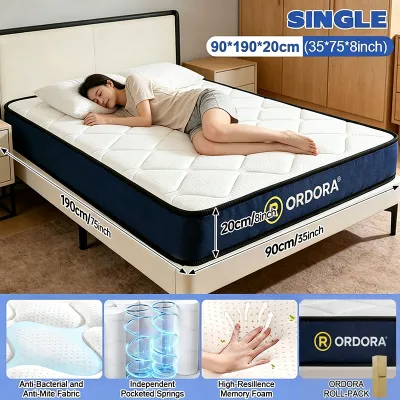
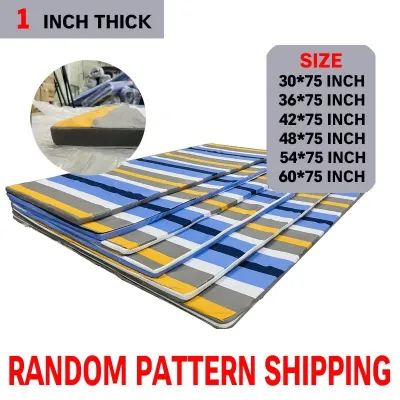
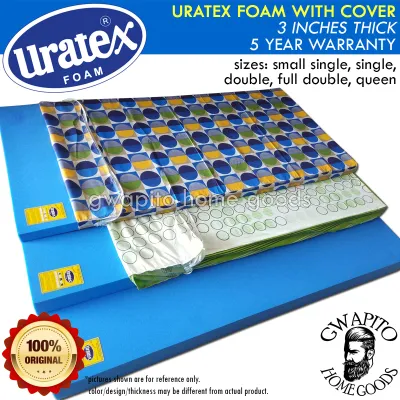
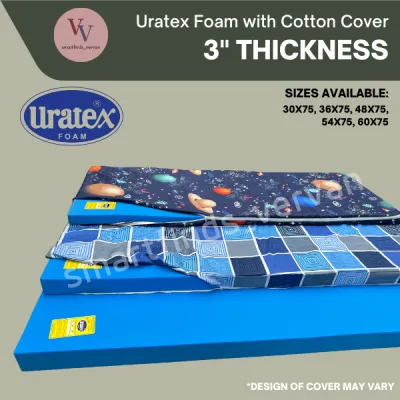
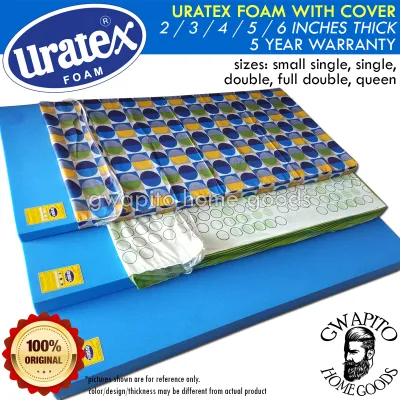

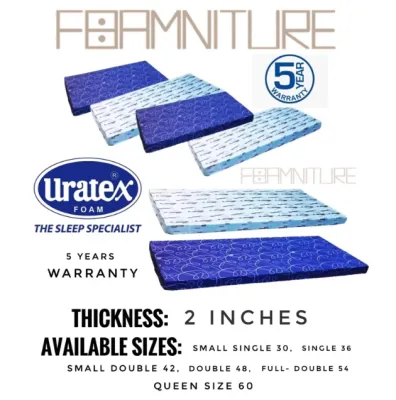
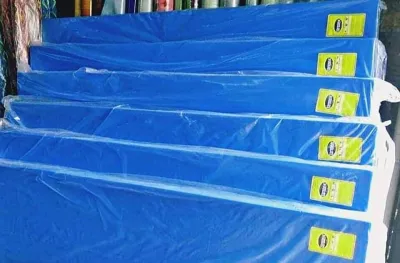
Prices are valid at publication and may change. Please refer to the product page for the latest price.
How Heat and Humidity Impact Foam Materials
When you lie on a foam mattress, the material conforms closely to your body shape. This close contouring maximizes the surface contact area, which restricts lateral airflow and traps radiant body heat. In contrast, traditional innerspring systems contain large pockets of open space that allow air to circulate freely under your body.

The tropical climate of the Philippines is characterized by high relative humidity, often exceeding 80 percent. When high ambient humidity combines with natural night sweats, moisture becomes trapped within the dense layers of the mattress. If the foam lacks breathability, this moisture cannot evaporate efficiently, leading to a clammy, uncomfortable sleeping surface.
Furthermore, high humidity can alter the physical feel of certain foam materials, particularly memory foam. When exposed to warmth and moisture, these materials tend to soften excessively, causing you to sink deeper into the mattress. This deeper sinkage further restricts airflow around your body, compounding the heat-retention cycle.
Over time, the combination of high ambient temperatures and trapped moisture can accelerate the physical breakdown of polyurethane foam. Lower-quality foams are particularly susceptible to softening, sagging, and losing their supportive properties when constantly exposed to humidity. This structural degradation not only ruins your sleep posture but also shortens the overall lifespan of your investment.
Specifications to Check for a Cooler Sleep Experience
To avoid the heat-trapping effect, look for “open-cell” foam. Unlike closed-cell foam, which seals air inside tiny pockets, open-cell foam features interconnected pathways that allow air to pass through the material when compressed. You can verify this by checking the manufacturer’s technical specifications or product tags.
Many modern mattresses feature foam infused with gel, graphite, or copper. Gel-infused foams work by absorbing initial body heat and conducting it away from the sleeping surface. However, these infusions have limitations; they do not actively lower the room’s temperature and will eventually reach thermal saturation, meaning they can still warm up if the bedroom itself is hot and unventilated.
The mattress cover is your first line of defense against heat. Always check the product label for natural, highly breathable fabrics such as cotton or bamboo-derived rayon. Avoid thick, purely synthetic polyester covers that lack moisture-wicking properties, as they act as a heat barrier and lock humidity right next to your skin.
Indentation Load Deflection (ILD) and foam density are key metrics of support and airflow. Higher-density foams provide better durability and support but can restrict airflow if they are not specifically engineered with open cells. Balancing a moderate density with a supportive ILD ensures you do not sink too deeply into the mattress, which would otherwise wrap the warm foam around your body.
Additionally, some manufacturers utilize convoluted foam, often referred to as “egg-crate” foam. This design features a textured surface with peaks and valleys that naturally create air channels between the mattress and your body or the cover. These channels allow heat to escape laterally, offering a simple yet effective mechanical solution to heat retention without relying on expensive cooling chemicals.
Evaluating a Uratex Foam Single Bed with Cover for Tropical Use
If you are looking at a single bed size, such as a standard 36×75 inch mattress, you have a natural advantage in smaller bedrooms. A single mattress has a smaller surface area, allowing for better peripheral airflow and faster heat dissipation compared to massive queen or king beds that trap heat over a larger central zone.
When shopping for a local option like a uratex foam single bed with cover, you must look beyond the brand name. Examine the physical product tags or official online descriptions to identify the specific foam line. Look for models that explicitly feature breathable woven covers or specialized open-pore designs rather than standard, non-breathable vinyl or thick synthetic wrappers.
In a humid climate, sweat, skin oils, and dust mites accumulate rapidly. Choosing a mattress that includes a zippered, removable cover is essential for maintaining hygiene. Regular washing prevents the buildup of organic matter that can clog the fabric’s pores, maintaining its original breathability and moisture-wicking capabilities.
The foundation of your bed plays a critical role in temperature regulation. Placing a single foam mattress on a solid plywood platform blocks all bottom ventilation, forcing heat and moisture to remain trapped inside the foam. A slatted wooden or metal bed frame allows air to flow freely beneath the mattress, aiding in overall cooling.
In typical Filipino households, single beds are frequently utilized in children’s rooms, boarding houses, or studio apartments where space is limited and air conditioning may not run continuously. In these environments, maximizing every bit of passive cooling—such as utilizing slatted bases and breathable covers—is crucial to ensuring a restful night’s sleep.
Humid Climate Maintenance and Mold Prevention
To protect your mattress from the ground up, always pair it with an elevated, slatted bed frame. The gaps between the slats should be wide enough to promote continuous airflow but narrow enough to prevent the foam from sagging between them. This simple setup prevents condensation from forming on the cool underside of the mattress.
Make it a habit to strip your bed linens completely every few weeks to let the raw mattress surface breathe. If you want to air out the foam, do so in a well-ventilated, shaded room. Avoid exposing bare polyurethane foam to direct, harsh tropical sunlight, as ultraviolet rays rapidly degrade the chemical structure of the foam, causing it to crumble.
Use a high-quality, breathable, waterproof mattress protector. It must block sweat and accidental spills from soaking into the core foam while still allowing air exchange. Pair this with lightweight bed sheets made from 100 percent cotton or bamboo, avoiding high-thread-count synthetic sheets that trap heat.
When washing the removable cover, strictly follow the manufacturer’s care label instructions. Use mild detergents and avoid excessively high water temperatures or high-heat tumble drying, which can shrink the fabric or damage the zipper mechanism, rendering the cover unusable.
If the raw foam itself becomes damp from sweat or minor spills, do not saturate it with water or harsh liquid cleaners. Instead, gently blot the area with a dry, clean towel, apply a mild, highly diluted soap solution if necessary, and blot again with a damp cloth. Allow the mattress to dry completely in a room with a running fan before zip-closing the cover back over it.
Frequently Asked Questions (FAQ)
Do gel-infused foam mattresses actually stay cool all night?
Gel-infused foam mattresses do not act as active air conditioners. They absorb and dissipate body heat initially, providing a noticeably cool surface when you first lie down. However, in a warm room without adequate ventilation or air conditioning, the gel will eventually reach thermal equilibrium with your body temperature, losing its cooling effect.
Is a spring mattress better than foam for the Philippine climate?
In terms of raw airflow, traditional innerspring mattresses are naturally superior because the open space between the steel coils allows heat to escape easily. However, you do not have to sacrifice the pressure-relieving benefits of foam; a hybrid mattress or an open-cell foam mattress with a highly breathable cover can offer a comparable cooling performance.
How often should I wash the cover of my foam mattress in a humid climate?
In a humid tropical environment, you should wash the removable mattress cover every two to four weeks. If you sweat heavily or do not use an additional mattress protector, washing it more frequently is recommended. Always check the manufacturer’s care label for specific instructions regarding water temperature and drying methods to avoid shrinkage.
Community discussion
Share your experience or ask a question. Comments are reviewed before publication.