
A heavy duty camping chair with an attached table can be a fantastic companion for outdoor activities, but its ability to survive the Philippine rainy season without rusting is not guaranteed. While many chairs are built for durability, the combination of intense humidity, frequent downpours, and prolonged dampness creates a challenging environment. The key to preventing rust lies in the chair’s specific materials, construction quality, and how you care for it.
Whether your chair succumbs to corrosion depends less on the “heavy duty” label and more on the type of metal used, the quality of its protective coating, and your maintenance routine. With the right knowledge, you can choose a chair that stands a better chance against the elements and learn how to protect your investment through the wet months.
The Wet Season Challenge for Outdoor Camping Gear
The Philippine rainy season is more than just occasional showers; it’s a period of sustained high humidity and frequent, heavy rainfall that can last for months. This environment poses a significant threat to any outdoor equipment, especially items made of metal. Constant moisture in the air means that surfaces rarely get a chance to dry completely, creating ideal conditions for oxidation—the chemical process that causes rust on iron and steel.
Products mentioned in this guide
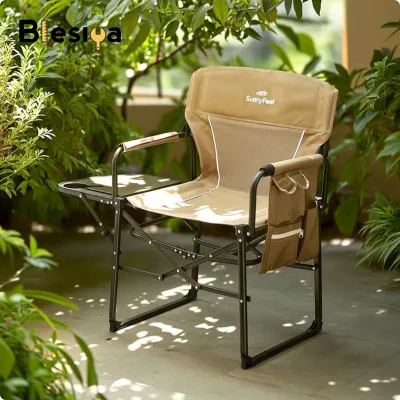
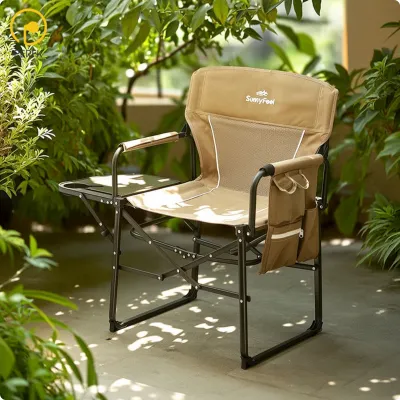
![[1 Table + 1 Chair] Foldable Camping Chair and Table Set Portable Outdoor Furniture Heavy Duty 120KG 53cm](https://img.lazcdn.com/g/p/8520e8101587674f1988965fa6adbc2b.png_400x400q80.png_.webp)
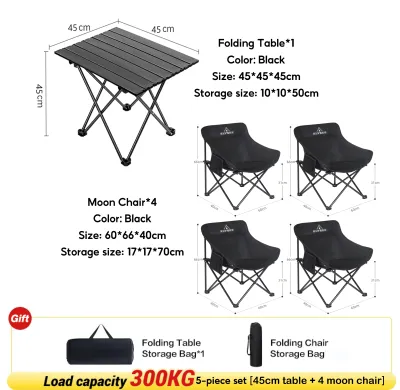
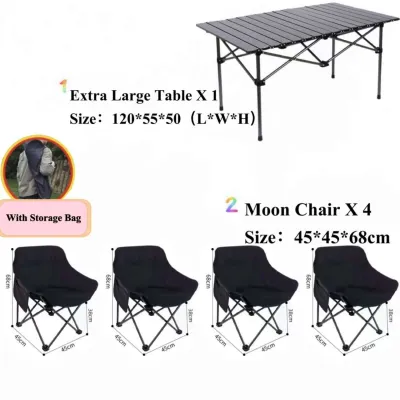
Prices are valid at publication and may change. Please refer to the product page for the latest price.
It’s important to understand the difference between gear that is “water-resistant” and “waterproof.” Most camping chairs fall into the water-resistant category. This means their fabric and frame can shed light rain or splashes for a short time. However, they are not designed to be impervious to a prolonged downpour or to be left sitting in damp conditions. Waterproof gear, on the other hand, is sealed to prevent any water from penetrating, a standard most folding chairs do not meet due to their many moving parts.
No standard camping chair is entirely immune to this kind of environmental wear. The relentless dampness accelerates corrosion on any vulnerable metal parts and can promote mold or mildew growth on fabric. Therefore, relying solely on a product’s marketing claims is not enough; proactive care is essential to extend its lifespan.
Frame Materials and Rust Resistance
The term “heavy duty” often relates to a chair’s weight capacity, which is frequently achieved by using strong but rust-prone metals like steel. Don’t let marketing terms distract you; the most critical factor for weather resilience is the actual material of the frame and how it’s treated. Always check the product specifications for this information.

Aluminum vs. Steel Frames
When choosing a camping chair for a wet climate, the type of metal used for the frame is a primary consideration. The two most common options are aluminum and steel, each with distinct properties regarding rust.
Aluminum is an excellent choice for high-humidity environments. It is naturally corrosion-resistant because it forms a hard, protective layer of aluminum oxide on its surface when exposed to air. This layer prevents oxygen and water from reaching the metal underneath, effectively stopping deep rust from forming. While it can develop a chalky white patina over time, it won’t suffer from the destructive, flaky red rust that plagues steel.
Steel, an alloy of iron, is exceptionally strong and often used to justify a “heavy duty” rating, allowing for higher weight capacities. However, its main component, iron, is highly susceptible to rusting. To be used outdoors, steel frames must have a robust protective coating. If this coating is scratched, chipped, or wears away at the joints, the exposed steel will begin to rust almost immediately, especially in the damp conditions of the Philippine rainy season.
Protective Coatings and Finishes
Since steel frames are common in heavy duty models, the quality of their protective finish is paramount. This coating is the first and most important line of defense against moisture and humidity. When examining a chair, look for specific terms on the product tag or description that indicate a durable finish.
- Powder Coating: This is a superior choice for outdoor furniture. During this process, a dry powder is electrostatically applied to the metal and then cured with heat, creating a thick, hard finish that is much more durable than conventional liquid paint. It provides an excellent barrier against moisture and is more resistant to chipping and scratching.
- Galvanizing: This process involves coating the steel with a layer of zinc. The zinc acts as a sacrificial barrier, corroding before the steel does. It's a highly effective rust-prevention method, though less common on consumer-grade camping chairs.
- Anodizing: Primarily used on aluminum, this process thickens the natural oxide layer, enhancing its durability and corrosion resistance. Anodized aluminum is very resilient to weather.
Before you buy, and regularly during use, visually inspect the entire frame. Pay close attention to welds, joints, and the ends of the tubes. Any chips, deep scratches, or worn areas are potential entry points for moisture that will lead to rust.
Tabletop and Fabric Weatherproofing
A camping chair is more than just its frame. The attached table and fabric seat are also exposed to the elements and have their own vulnerabilities to rain and humidity. A rust-free frame is of little use if the tabletop warps or the seat becomes a breeding ground for mildew.
When it comes to the side table, hard plastic or aluminum surfaces are generally the most weather-resistant. They won’t absorb water and can be easily wiped dry. Be cautious with tables made from composite wood or MDF, as any crack in their protective sealant can allow water to seep in, causing them to swell, warp, or disintegrate over time.
For the seat and backrest, look for fabrics like polyester or nylon Oxford cloth, often measured in denier (D). A higher denier number (e.g., 600D) indicates a thicker, more durable fabric. These synthetic materials do not absorb much water and dry relatively quickly, which is crucial for preventing mold and mildew. Check the product details or care labels for claims of special treatments, such as a polyurethane (PU) coating for water resistance or a UV-resistant finish to prevent the fabric from degrading under sun exposure. Be aware that these coatings can wear off with use and time.
Structural Vulnerabilities in Chair-and-Table Designs
The very feature that makes a camping chair with a table so convenient—its integrated, often foldable design—also creates its greatest structural weaknesses in wet weather. The areas where the table connects to the chair are hotspots for premature rust and failure.
These connection points, hinges, brackets, and rivets are where different parts move against each other. This friction can gradually wear away the protective powder coating or paint, exposing the raw steel underneath. Once exposed, these areas are immediately vulnerable to rust, which is then accelerated by trapped moisture.
Furthermore, the complex joints and crevices where the table mechanism is mounted are perfect traps for rainwater, dirt, and debris. This trapped gunk holds moisture against the metal for extended periods, creating a micro-environment where corrosion can thrive unseen. Before purchasing, operate the folding mechanism. If it feels gritty or overly stiff, it could be a sign of poor manufacturing tolerances that will lead to faster wear. During ownership, make a point to regularly inspect these hidden areas, including all screws, bolts, and pivot points, for the first signs of discoloration or rust.
Wet Season Maintenance and Storage Practices
Proper care during the rainy season is not just recommended; it’s essential for keeping your heavy duty camping chair functional. A few simple habits can dramatically slow down corrosion and prevent mildew, saving you from having to replace your gear prematurely.
First, always wipe down the chair after it gets wet. Use a dry cloth to remove standing water from the tabletop and all accessible parts of the frame. Pay special attention to joints and crevices where water can pool. Don’t forget to wipe away any mud or dirt, as it can hold moisture against the surface.
The most critical step is to allow the chair to dry completely before storing it. After wiping it down, leave the chair open in a covered, well-ventilated area, like a garage or a sheltered patio. Ensure the fabric is no longer damp to the touch. Folding and storing a chair while it’s still even slightly wet is the fastest way to encourage mildew and rust from trapped moisture.
When it comes to storage, avoid damp, unventilated spaces. Storing your chair in a musty shed or directly on a wet concrete floor is a recipe for disaster. If possible, keep it indoors in a dry room or closet. Using a breathable storage bag can help protect it from dust without trapping humidity.
For added protection, you can consider applying a protectant, but you must first verify it is safe for your specific product. Before using any product, always check your chair’s manufacturer instructions. If permitted, a light coat of a silicone-based water-repellent spray on the fabric or a drop of light machine oil on metal hinges can offer an extra layer of defense. If instructions are unclear, do not apply any chemical treatments.
Frequently Asked Questions (FAQ)
Can I leave my camping chair outside overnight during the rainy season?
It is strongly advised not to leave your camping chair outside overnight during the Philippine rainy season. Unpredictable overnight downpours, heavy morning dew, and consistently high humidity will saturate the chair. This prolonged exposure dramatically increases the risk of rust forming on metal components and mold or mildew developing on the fabric, significantly shortening the lifespan of your gear.
How do I treat minor surface rust on a steel camping chair frame?
For light surface rust, you can often perform a simple repair. First, check the manufacturer’s care guide for any specific advice. If none is given, you can gently remove the rust using a soft wire brush, steel wool, or fine-grit sandpaper. After brushing it off, wipe the area clean with a dry cloth. To prevent the rust from returning, you must seal the exposed metal with a suitable rust-inhibiting primer and a matching touch-up paint approved for metal.

Community discussion
Share your experience or ask a question. Comments are reviewed before publication.